

Over 30% of women worldwide with eczema report that common beauty products make their symptoms worse, especially when gluten or harsh chemicals are involved. For women with sensitive skin, the search for safe makeup can become frustrating and time-consuming, whether in American shops or global beauty aisles. You will find guidance here on how to spot gentle, gluten-free options that help your skin heal while letting your natural glow shine—without uncomfortable irritation.
Table of Contents
- Understand What Gluten Free Makeup Means
- Check Ingredient Labels for Hidden Gluten
- Choose Plant-Based Products for Gentle Care
- Prioritize Hypoallergenic and Non-Irritating Options
- Identify Makeup That Supports Skin Healing
- Avoid Common Triggers for Sensitive Skin and Eczema
- Use Rituals to Apply Makeup Mindfully and Nourish
Quick Summary
| Takeaway | Explanation |
|---|---|
| 1. Choose Gluten Free Makeup | Opt for products without wheat, barley, or rye to avoid skin irritation, especially if you have gluten sensitivity or celiac disease. |
| 2. Scrutinize Ingredient Labels | Look for hidden gluten in ingredient lists, including wheat germ oil and malt extract, to prevent allergic reactions. |
| 3. Select Plant-Based Makeup | Use cosmetics with natural ingredients like aloe vera and chamomile for gentle care and skin nourishment. |
| 4. Prioritize Hypoallergenic Products | Seek makeup specifically free of common irritants to minimize potential allergic reactions and skin issues. |
| 5. Implement Mindful Makeup Rituals | Transform makeup application into a self-care ritual by slowing down and appreciating the healing properties of products. |
1. Understand What Gluten Free Makeup Means
Gluten free makeup goes far beyond a simple trend it represents a critical consideration for individuals with sensitive skin, celiac disease, or gluten intolerance. At its core, gluten free makeup refers to cosmetic products formulated without any ingredients derived from wheat, barley, rye, or other gluten containing grains.
When exploring makeup options, understanding gluten’s potential impact becomes essential. Gluten proteins can potentially trigger skin irritation or allergic reactions in sensitive individuals, particularly those with autoimmune conditions or dermatological concerns. Some people experience inflammation, redness, or breakouts when using products containing trace gluten proteins.
Beyond skin sensitivity, the concern extends to potential accidental ingestion. Lipsticks, lip balms, and other makeup applied near mucous membranes could introduce gluten particles into your system. This matters especially for individuals managing celiac disease or severe gluten sensitivities who must avoid even microscopic gluten exposure.
While not every person requires gluten free makeup, those with specific health conditions or skin sensitivities benefit from careful product selection. Skin-friendly makeup tips can provide additional guidance on navigating cosmetic choices that support overall skin wellness.
Pro tip: Always check ingredient lists thoroughly and contact manufacturers directly if you have specific gluten sensitivity concerns about their makeup products.
2. Check Ingredient Labels for Hidden Gluten
Gluten can lurk in cosmetic ingredients under surprising names most people would never recognize. Ingredient detective work is your first line of defense against potential skin irritants and health risks in makeup products.
Common gluten derived ingredients to watch for include wheat germ oil (Triticum vulgare), malt extract, hydrolyzed vegetable protein, and dextrin. These components can trigger reactions in individuals with gluten sensitivities or celiac disease even when applied topically. Lipsticks and lip balms deserve extra scrutiny since they are most likely to be accidentally ingested during daily use.
Reviewing ingredient lists requires careful attention. Start by scanning for wheat related terms and less obvious gluten containing components. Many cosmetic manufacturers are not required to explicitly disclose allergens like gluten which means the responsibility falls on consumers to investigate thoroughly. How to choose natural makeup can provide additional guidance on selecting safer cosmetic options.
Some recommended strategies include researching brands that voluntarily label products as gluten free, contacting manufacturers directly with ingredient questions, and using smartphone apps that help identify potentially problematic cosmetic components.
Pro tip: Keep a running list of gluten derived ingredient names on your phone to quickly reference while shopping for makeup and skincare products.
3. Choose Plant-Based Products for Gentle Care
Plant-based cosmetics represent a powerful approach to nurturing sensitive skin with natural, healing ingredients. Botanical makeup offers more than aesthetic enhancement it provides a holistic strategy for supporting skin health through gentle, nutrient-rich formulations.
Natural plant-based ingredients deliver remarkable benefits that synthetic chemicals simply cannot match. These botanical compounds are packed with antioxidants, anti-inflammatory agents, and skin-nourishing nutrients that work harmoniously to reduce irritation and strengthen skin barriers. Research demonstrates that plant-derived molecules offer multifunctional advantages including soothing properties that can calm sensitive or reactive skin conditions.
When selecting plant-based makeup, prioritize ingredients like aloe vera, chamomile, green tea extract, and rosehip oil. These natural components not only provide gentle coverage but also actively support skin healing and protection. Types of plant-based cosmetics can offer deeper insights into finding the most effective botanical makeup options.
Making the switch to plant-based makeup means choosing products that are environmentally sustainable, cruelty-free, and formulated with your skin’s long term wellness in mind. By selecting natural ingredients, you are investing in makeup that nourishes rather than simply covers.
Pro tip: Look for makeup with transparent ingredient lists that highlight specific botanical extracts and their skin benefits to ensure youre choosing truly plant-powered products.
4. Prioritize Hypoallergenic and Non-Irritating Options
Navigating the world of makeup for sensitive skin requires a strategic approach to selecting hypoallergenic products. Understanding that the term hypoallergenic is not federally regulated means you must become a savvy ingredient detective to protect your skin.
Hypoallergenic makeup aims to minimize potential allergic reactions by carefully excluding common irritants such as synthetic fragrances, harsh dyes, and controversial preservatives. This approach is particularly crucial for individuals with sensitive skin, eczema, or those prone to allergic responses. Advanced testing methods like HypoSense® have raised the standard by rigorously assessing product safety across different skin types.
When shopping for makeup, look beyond marketing claims and investigate ingredient lists thoroughly. Seek out products that specifically avoid known irritants and have been tested on subjects with sensitive skin conditions. Non-toxic beauty options for sensitive skin can provide additional guidance on selecting gentler cosmetic alternatives.
Key ingredients to avoid include parabens, sulfates, synthetic fragrances, and alcohol based compounds. Instead, prioritize makeup with soothing natural ingredients like aloe vera, chamomile, and calendula that support skin healing and reduce potential inflammation.
Pro tip: Perform a patch test on a small area of skin at least 24 hours before applying a new hypoallergenic makeup product to ensure no adverse reactions occur.
5. Identify Makeup That Supports Skin Healing
Makeup is no longer just about cosmetic coverage it can be a powerful tool for supporting skin health and regeneration. Healing makeup incorporates bioactive ingredients that actively nourish and restore your skin while providing beautiful color and coverage.
Cutting edge cosmetic research reveals that strategic ingredients can stimulate skin repair processes. Specific bioactive compounds like peptides, antioxidants, plant extracts, and probiotics work at a cellular level to promote keratinocyte production and collagen synthesis. These ingredients do more than temporarily cover imperfections they actively support your skin’s natural healing mechanisms.
When selecting makeup with healing properties, look for products containing ingredients like aloe vera, chamomile, green tea extract, calendula, and hyaluronic acid. These components offer anti inflammatory, antimicrobial, and regenerative benefits that help strengthen skin barriers and accelerate natural healing processes. Natural makeup for healing beauty can provide additional insights into selecting products that nurture your skin.
The goal is transforming makeup from a purely aesthetic experience to a holistic wellness ritual that supports your skin’s resilience and long term health. By choosing products with intentional healing ingredients, you are investing in your skin’s ongoing restoration and radiance.
Pro tip: Rotate your makeup products periodically and observe how different ingredients interact with your skin to identify the most healing formulations for your unique skin needs.
6. Avoid Common Triggers for Sensitive Skin and Eczema
Managing sensitive skin requires strategic choices in makeup and skincare products to prevent painful eczema flare-ups. Skin barrier protection is not just about comfort it is a critical component of overall skin health and personal wellness.
Research reveals several key triggers that can exacerbate sensitive skin and eczema symptoms in cosmetic products. Common culprits include synthetic fragrances, harsh preservatives like methylisothiazolinone, artificial dyes, and photosensitizing agents. These ingredients can disrupt the skin barrier, leading to inflammation, redness, and potentially more severe allergic reactions.
To protect your skin, focus on selecting makeup with minimal, clean ingredients that follow advanced formulation principles. Look for products labeled fragrance free, hypoallergenic, and developed using sterile production techniques. Botanical ingredients for sensitive skin relief can offer insights into gentler alternatives that support skin healing.
Prioritize makeup with balanced pH levels, natural preservatives, and ingredients known for their soothing properties. Perform patch tests before fully incorporating new products into your routine to assess potential skin reactions and minimize the risk of unexpected irritation.
Pro tip: Maintain a detailed skin reaction journal to track which ingredients consistently trigger your sensitive skin or eczema symptoms, helping you create a personalized avoid list.
7. Use Rituals to Apply Makeup Mindfully and Nourish
Mindful makeup application transforms cosmetics from a superficial routine into a profound act of self love and healing. By approaching makeup as a nurturing ritual, you create space for intentional self care that goes far beyond surface level beauty.
Rituals provide an opportunity to reconnect with your body and cultivate a deeper relationship with yourself. This means slowing down during makeup application creating a sacred moment of personal attention. Take time to breathe deeply massage products gently into your skin and acknowledge the healing properties of each carefully selected ingredient.
Develop a personal makeup ritual that honors your unique skin needs and emotional landscape. Consider creating a calm environment with soft lighting soft music or gentle ambient sounds. Use application techniques that feel like a massage such as gentle patting and circular motions that stimulate blood flow and support skin regeneration. Mindful makeup application guide can provide additional insights into developing your personal beauty practice.
By transforming makeup application from a rushed task to a meditative experience you invite healing energy into your daily self care routine. Each stroke becomes an act of compassion an opportunity to nourish not just your outer appearance but your inner landscape of emotional wellness.
Pro tip: Create a small altar or dedicated space for your makeup ritual with items that bring you joy such as a crystal a small plant or a meaningful photograph to enhance the sacred nature of your beauty routine.
Below is a comprehensive table summarizing the main considerations, strategies, and insights discussed throughout the article for selecting and using gluten-free and skin-sensitive makeup products effectively.
| Topic | Details | Key Takeaways |
|---|---|---|
| Gluten-Free Makeup | Makeup free from wheat, barley, rye, and gluten-containing ingredients. Ensures safety for sensitive skin and those with celiac disease or gluten intolerance. | Prevents reactions like irritation, redness, and breakouts. |
| Ingredient Awareness | Carefully examine labels for hidden gluten and irritants. Examples include wheat germ oil and hydrolyzed vegetable protein. | Reduce risk of skin reactions and ensure gluten-free compliance. |
| Plant-Based Products | Opt for botanical ingredients like aloe vera and chamomile. Use products that nourish skin naturally. | Provides antioxidants, reduces inflammation, and supports overall skin health. |
| Hypoallergenic Options | Choose products free of allergens like synthetic fragrances and dyes. Perform patch testing before use. | Minimizes allergic reactions and irritation. |
| Healing Ingredients | Select formulations containing bioactive antioxidants and peptides to promote skin repair. | Enhances well-being and skin resilience. |
| Sensitive Skin Management | Avoid triggers such as harsh preservatives and artificial dyes. Prioritize mild, well-tested cosmetics. | Prevents eczema flare-ups and promotes comfort. |
| Mindful Application | Incorporate a calming and intentional approach to makeup routines, focusing on self-care. | Transform daily routines into acts of self-love and healing. |
Embrace Safe and Healing Beauty with Pure Light Botanical Beauty
Choosing gluten free makeup is more than a trend—it is a vital step for protecting sensitive skin from hidden irritants and supporting skin healing. If you are seeking makeup that treats your skin gently while honoring your unique health needs, discover the difference of products thoughtfully crafted with clean, plant-based ingredients designed to nurture and restore. Our formulas prioritize hypoallergenic, gluten free, and botanically rich components proven to soothe, heal, and strengthen your skin barrier.
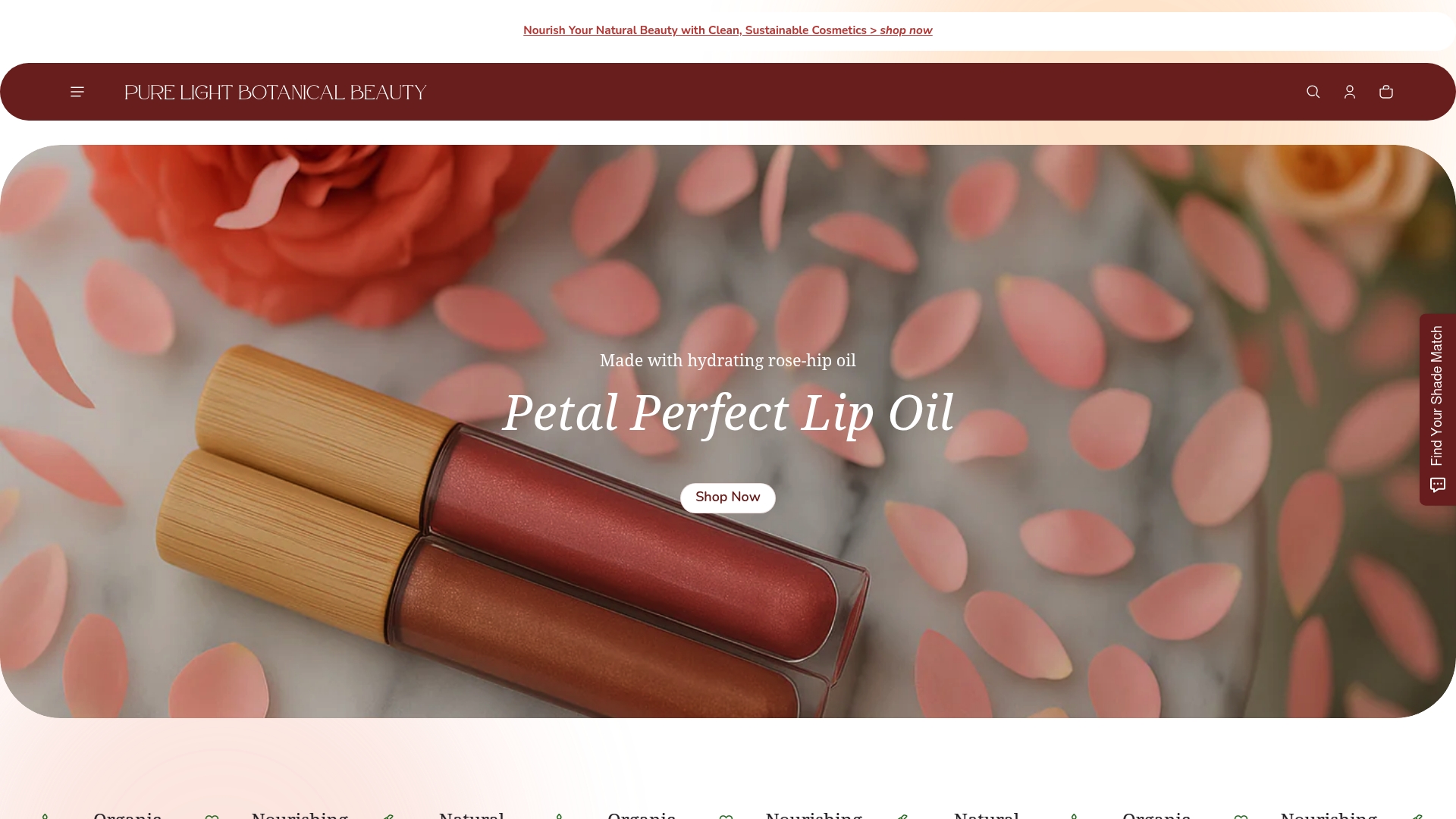
Experience makeup as a holistic ritual of self-care by exploring Pure Light Botanical Beauty’s range of natural cosmetics. From nourishing lipsticks to botanical crème blushes, each product blends artistry and science to empower your natural radiance safely. Start your journey toward vibrant skin and confident beauty today by visiting Pure Light Botanical Beauty. Learn more about skin-friendly makeup tips and explore how our curated plant-based ingredients support your wellness in every application. Your skin deserves makeup that heals as it highlights—make the switch now.
Frequently Asked Questions
What does gluten free makeup mean?
Gluten free makeup refers to cosmetic products that are formulated without any ingredients derived from wheat, barley, rye, or other gluten-containing grains. To ensure safety, always read ingredient labels and look for products clearly labeled as gluten free.
How can I identify hidden gluten in makeup products?
Hidden gluten can appear under surprising names in ingredient lists. To avoid unwanted gluten exposure, take the time to research and learn common gluten-derived ingredients, like wheat germ oil or malt extract, before purchasing makeup.
What are the benefits of using plant-based makeup?
Plant-based makeup offers natural, nutrient-rich ingredients that are gentler on sensitive skin. Prioritize products containing soothing components such as aloe vera or chamomile to support skin health while enhancing your beauty routine.
Why should I choose hypoallergenic makeup for sensitive skin?
Hypoallergenic makeup is designed to minimize potential allergic reactions by excluding common irritants. Focus on products that specifically avoid synthetic fragrances and harsh chemicals by carefully reviewing ingredient lists.
How do I find makeup that supports skin healing?
Look for makeup containing bioactive ingredients like peptides, antioxidants, and plant extracts that actively nourish your skin. Make it a practice to incorporate products with healing properties to enhance your skin’s overall vitality and health.
What rituals can I adopt for mindful makeup application?
Transform makeup application into a nurturing ritual by taking your time and creating a calming environment. Consider slowing down to breathe deeply and massaging products gently into your skin, enhancing both your application technique and your overall self-care routine.
Recommended
- Skin-Friendly Makeup Tips: Complete Expert Guide – Pure Light Botanical Beauty
- How to Choose Natural Makeup for Sensitive Skin Relief – Pure Light Botanical Beauty
- 7 Types of Clean Makeup for Sensitive Skin and Confidence – Pure Light Botanical Beauty
- 7 Essential Natural Makeup Tips 2025 for Sensitive Skin – Pure Light Botanical Beauty