

Finding gentle makeup that actually cares for sensitive skin can feel impossible when conventional products lead to redness and discomfort. Many women are turning to cruelty-free, plant-based cosmetics not only for their compassion but because these options often use hypoallergenic ingredients designed to protect skin health. Choosing cruelty-free makeup creates a path to soothing beauty routines, supporting emotional wellness, empowering ethical values, and minimizing the risks of irritation and harmful reactions.
Table of Contents
- What Cruelty-Free Makeup Truly Means
- Health Impact: Gentler on Sensitive Skin
- Emotional and Ethical Benefits for Women
- Environmental Advantages of Cruelty-Free Cosmetics
- Comparing Cruelty-Free With Conventional Brands
Key Takeaways
| Point | Details |
|---|---|
| Cruelty-Free Definition | Cruelty-free makeup means no animal testing at any stage, with transparency in ingredients and ethical sourcing. |
| Health Benefits | Cruelty-free cosmetics are gentler on sensitive skin, reducing chemical exposure and irritation potential. |
| Emotional and Ethical Appeal | Choosing cruelty-free products aligns personal values with compassionate consumerism, fostering a sense of identity and community. |
| Environmental Impact | These cosmetics promote sustainable practices, resulting in lower pollution and a smaller environmental footprint compared to conventional brands. |
What Cruelty-Free Makeup Truly Means
The term cruelty-free represents a profound commitment in the cosmetics industry that goes far beyond a simple marketing label. At its core, cruelty-free makeup means products developed without any animal testing throughout their entire production process, from raw ingredient sourcing to final formula development.
Understanding the nuanced definition requires examining multiple dimensions:
- No Animal Testing: Products are not tested on animals at any stage of development
- Ingredient Transparency: All components are verified as animal-test-free
- Ethical Supply Chain: Suppliers and manufacturers also adhere to no-animal-testing standards
Currently, the cruelty-free certification landscape remains complex. While organizations like Leaping Bunny and PETA offer verification programs, there are no universally mandated global standards. This means consumers must carefully research brand claims and certifications.
To better understand how major cruelty-free certifications differ, review this overview of leading organizations and their requirements:
| Certification Program | Coverage Scope | Logo Appearance | Verification Method |
|---|---|---|---|
| Leaping Bunny | Full supply chain | Simple leaping bunny image | Regular third-party audits |
| PETA Cruelty-Free | Final products only | Paw print with ‘PETA’ text | Company-supplied statements |
| Choose Cruelty Free (CCF) | All ingredients and contractors | Rabbit in profile | Ingredient and supplier review |
Not all “cruelty-free” labels are created equal - some cover only finished products, while others examine the entire production ecosystem.
The push toward cruelty-free cosmetics stems from significant ethical concerns about animal welfare and emerging scientific alternatives. Advanced testing methods like in vitro tests, computer modeling, and human volunteer studies now provide robust safety assessments without animal suffering.
Geographically, progress varies. The European Union has implemented comprehensive bans on animal testing, while other regions like parts of the United States have introduced partial restrictions. These regulatory shifts reflect growing consumer demand for more compassionate beauty standards.
Pro tip: Always verify a brand’s cruelty-free certification by checking their specific testing policies and looking for recognized third-party endorsements.
Health Impact: Gentler on Sensitive Skin
People with sensitive skin face unique challenges when selecting cosmetic products, making cruelty-free makeup an increasingly attractive solution. Scientific research reveals that these products offer significant advantages for those prone to skin irritation, allergic reactions, and inflammatory responses.
The health benefits of cruelty-free makeup for sensitive skin stem from several critical factors:
- Reduced Chemical Exposure: Avoiding harsh synthetic ingredients
- Natural Ingredient Focus: Emphasizing gentle, hypoallergenic components
- Lower Inflammation Potential: Minimizing skin reactivity and irritation
- Enhanced Skin Barrier Protection: Supporting natural skin healing mechanisms
Research from multiple dermatological studies highlights how botanical ingredients for sensitive skin can dramatically improve skin health. These natural formulations often contain compounds that actively reduce skin sensitivity and support the body’s protective mechanisms.
Sensitive skin requires a nuanced approach - cruelty-free makeup offers a holistic solution that addresses both aesthetic and health concerns.
Synthetic cosmetic products frequently contain chemicals linked to chronic health issues such as allergies and endocrine disruption. In contrast, cruelty-free alternatives prioritize ingredients that support skin resilience. They typically employ three key strategies: skin-barrier repair, reduction of sensitivity receptor activity, and powerful anti-inflammatory actions.
By choosing cruelty-free makeup, individuals with sensitive skin gain access to products specifically designed to minimize adverse reactions. These formulations often incorporate soothing active compounds that help maintain skin balance, reduce redness, and prevent the uncomfortable symptoms associated with skin hypersensitivity.
Pro tip: Always perform a patch test with new cruelty-free products and introduce them gradually into your skincare routine to monitor your skin’s response.
Emotional and Ethical Benefits for Women
Women are increasingly recognizing cruelty-free makeup as more than just a beauty choice - it’s a powerful form of personal and social expression. Research reveals that purchasing these products represents a profound emotional journey rooted in compassion, ethical consciousness, and personal empowerment.
The psychological benefits of choosing cruelty-free makeup extend far beyond simple product selection:
- Ethical Self-Alignment: Supporting personal values through purchasing decisions
- Emotional Satisfaction: Feeling connected to a broader compassionate movement
- Identity Expression: Communicating personal beliefs through consumer choices
- Community Belonging: Connecting with like-minded individuals who prioritize animal welfare
Scientific studies demonstrate that sustainable makeup choices are deeply intertwined with women’s sense of personal agency. By selecting cruelty-free products, women actively participate in a global conversation about ethical consumption and animal welfare.
Cruelty-free makeup represents more than a product - it’s a statement of personal values and collective responsibility.
Female consumers are particularly motivated by altruistic concerns, with research indicating stronger emotional connections to products that demonstrate corporate social responsibility. These purchasing decisions reflect a nuanced understanding of how individual choices can create meaningful societal change.
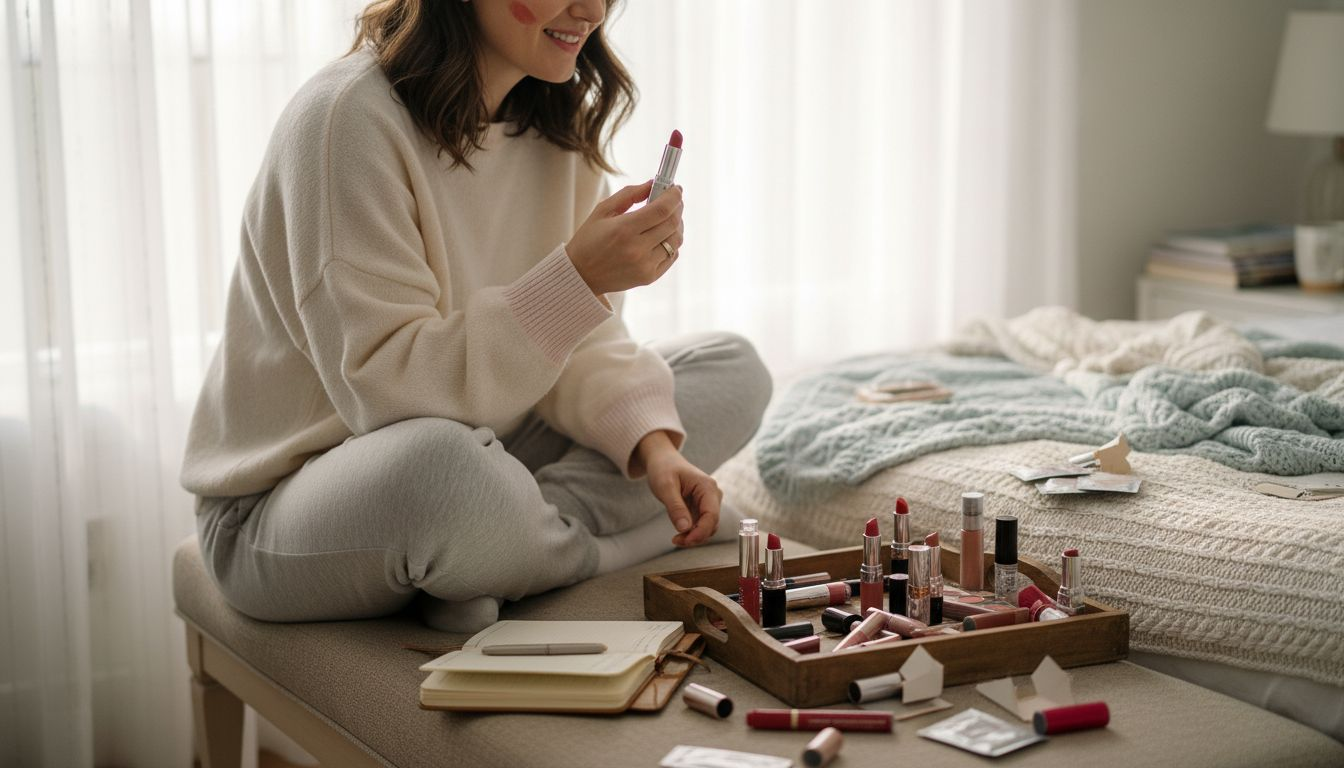
Beyond ethical considerations, cruelty-free makeup provides women with a tangible way to express their values. It transforms consumer behavior into a form of activism, allowing individuals to make a statement about their commitment to compassion and environmental sustainability without sacrificing personal style or beauty standards.
Pro tip: Research brands that transparently communicate their ethical practices and share your choices with your community to amplify positive impact.
Environmental Advantages of Cruelty-Free Cosmetics
Cruelty-free cosmetics represent a transformative approach to beauty that extends far beyond personal care, offering significant environmental benefits. By prioritizing sustainable practices, these products create a ripple effect of positive ecological impact across the entire beauty industry ecosystem.
The environmental advantages of cruelty-free cosmetics include multiple critical dimensions:
- Reduced Animal Testing: Eliminating harmful laboratory practices
- Sustainable Ingredient Sourcing: Prioritizing renewable and biodegradable materials
- Lower Carbon Footprint: Minimizing industrial environmental damage
- Eco-Friendly Packaging: Supporting recyclable and biodegradable solutions
Research demonstrates that sustainable makeup choices substantially reduce environmental pollution. Cruelty-free brands frequently employ green chemistry and biotechnology, selecting ingredients that minimize ecological harm and support responsible manufacturing processes.
Sustainable beauty is not just a trend - it’s a critical commitment to planetary health and responsible consumption.
Traditional cosmetic production often relies on petrochemical ingredients, heavy metals, and environmentally destructive sourcing methods. In contrast, cruelty-free brands emphasize renewable resources, responsible harvesting techniques, and manufacturing processes designed to limit environmental impact.
The holistic approach of cruelty-free cosmetics extends beyond ingredient selection. These brands typically integrate comprehensive sustainability strategies, including eco-friendly packaging, reduced plastic waste, and manufacturing processes that prioritize environmental stewardship. By supporting such brands, consumers directly contribute to reducing the beauty industry’s overall ecological footprint.
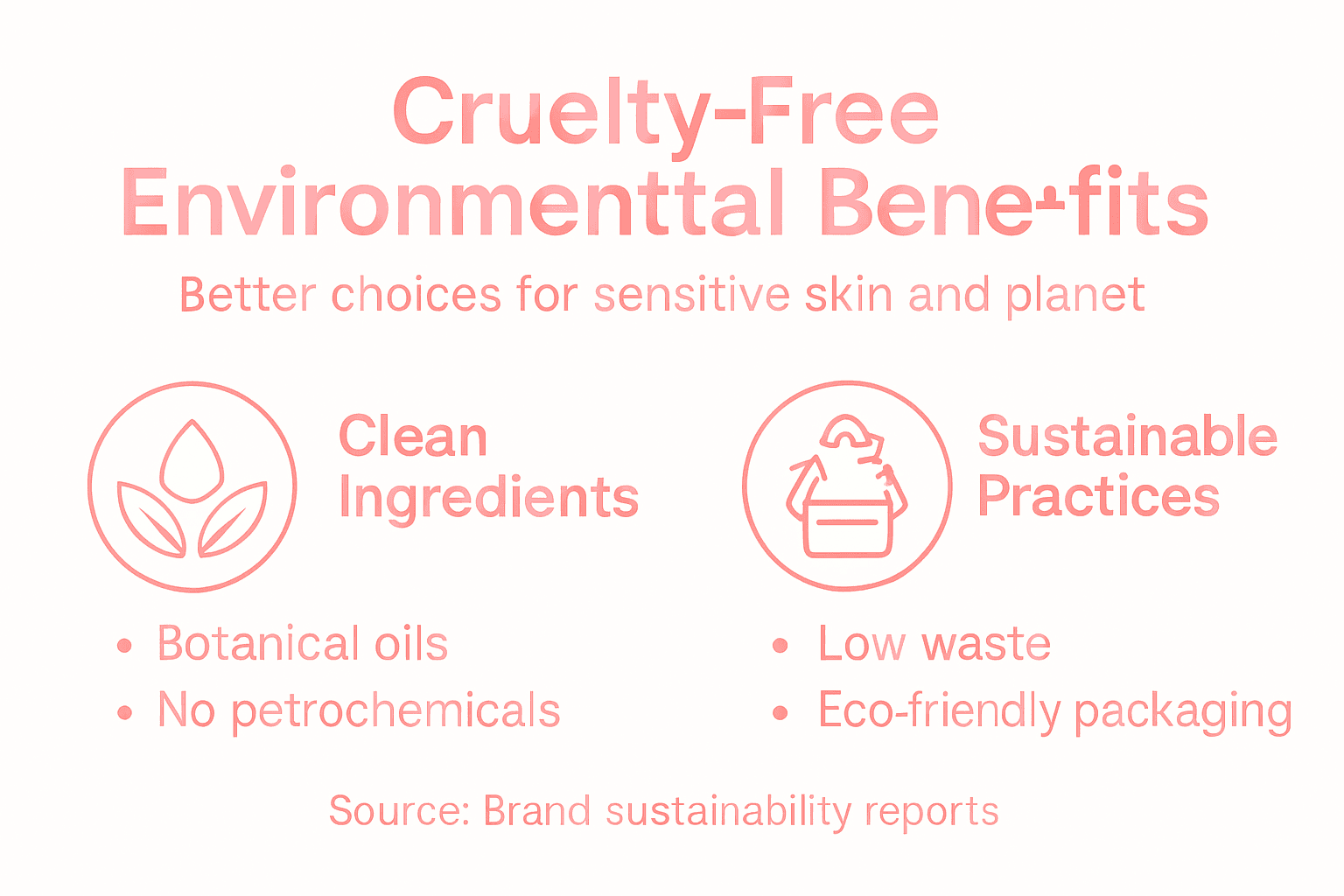
Pro tip: Look for transparent brands that provide detailed sustainability reports and actively communicate their environmental impact reduction strategies.
Comparing Cruelty-Free With Conventional Brands
Conventional cosmetics and cruelty-free brands represent fundamentally different approaches to beauty, with significant variations in ethical standards, ingredient selection, and consumer motivations. Understanding these differences empowers consumers to make more intentional purchasing decisions aligned with their personal values and health priorities.
Key distinctions between cruelty-free and conventional brands include:
- Testing Practices: Cruelty-free brands eliminate animal testing entirely
- Ingredient Sourcing: Emphasis on natural, sustainable materials
- Ethical Marketing: Transparency about production processes
- Consumer Motivation: Value-driven versus appearance-focused purchasing
Research reveals that sustainable makeup choices fundamentally transform consumer perceptions of beauty products. While conventional brands typically prioritize aesthetic outcomes, cruelty-free brands create deeper emotional connections by emphasizing ethical considerations and environmental responsibility.
Cruelty-free cosmetics represent more than a product - they’re a statement of personal values and global consciousness.
Conventional cosmetic brands often rely on synthetic ingredients, petrochemical derivatives, and complex testing processes that may involve animal experimentation. In contrast, cruelty-free brands prioritize transparency, utilizing advanced scientific methods like in vitro testing, computer modeling, and human volunteer studies to ensure product safety without compromising ethical standards.
The consumer psychology surrounding these brands differs dramatically. Conventional cosmetics typically focus on immediate aesthetic benefits, while cruelty-free brands attract consumers motivated by broader ethical concerns about animal welfare, environmental sustainability, and corporate responsibility. This fundamental difference creates distinct marketing strategies and consumer engagement approaches.
Here’s a concise comparison of key differences between cruelty-free and conventional cosmetics:
| Aspect | Cruelty-Free Brands | Conventional Brands |
|---|---|---|
| Safety Testing | In vitro, computer modeling | Animal testing common |
| Ingredient Approach | Plant-based, natural focus | Synthetic, petrochemical-based |
| Corporate Ethics | Transparent supply chain | Limited process visibility |
| Consumer Appeal | Values-driven engagement | Beauty/aesthetic marketing |
Pro tip: Always research a brand’s complete ethical profile, not just their cruelty-free claims, to make truly informed purchasing decisions.
Experience the Healing Power of Cruelty-Free Makeup for Sensitive Skin
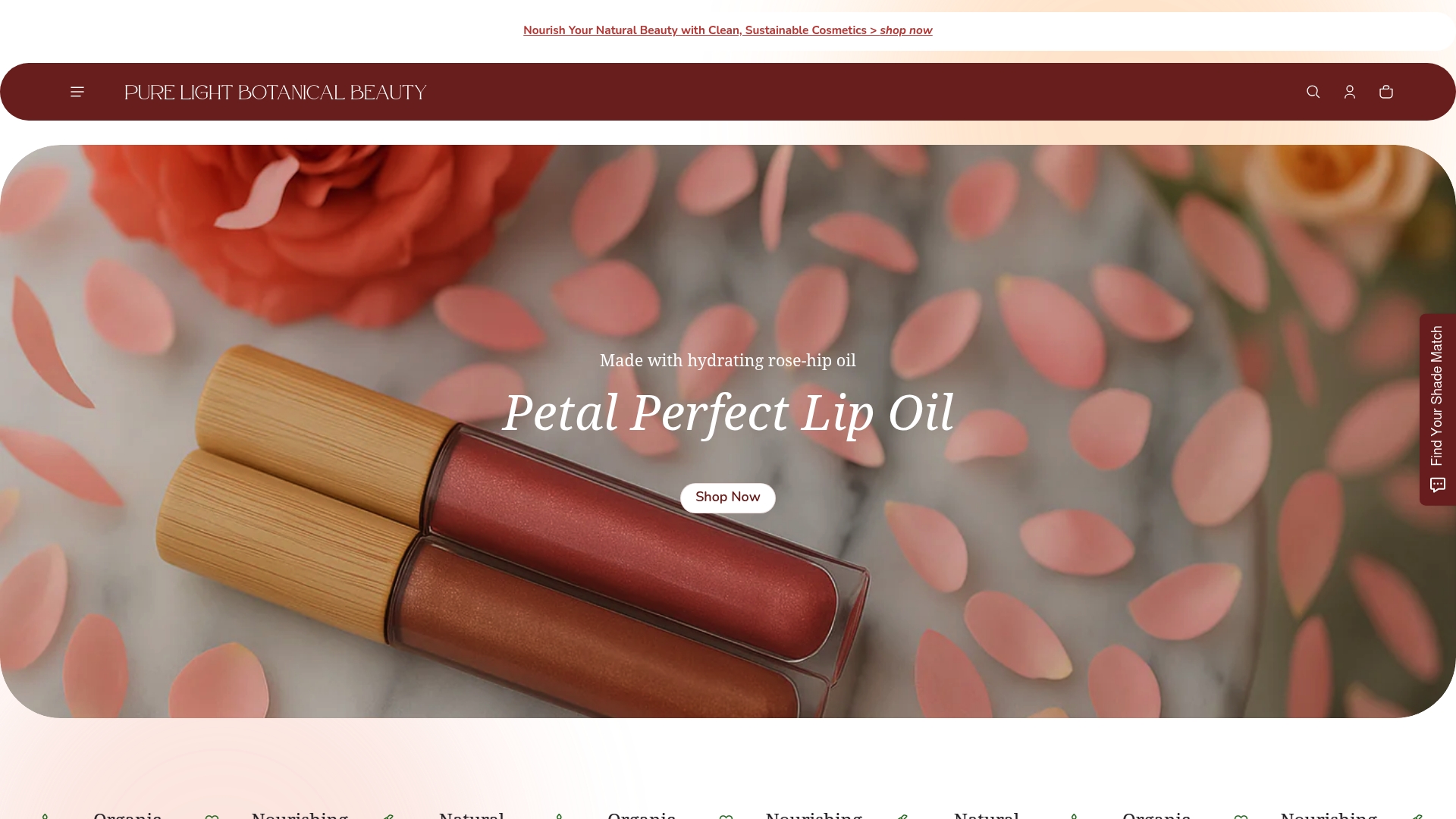
Sensitive skin demands more than just beauty products it needs gentle, nurturing care that respects its unique challenges such as irritation and inflammation. This article highlights how cruelty-free makeup can provide healthier, skin-loving alternatives that avoid harsh chemicals and support your skin’s natural barrier. At Pure Light Botanical Beauty, we deeply understand these concerns and craft every formula with clean, plant-based ingredients designed to soothe and transform sensitive skin conditions including eczema.
Discover a makeup ritual that goes beyond appearance to nurture your skin and soul. Our thoughtfully created products like the Petal Perfect Lip Oil and Botanical Crème Blush combine botanical science with gentle performance to calm irritation while enhancing your natural glow. By choosing cruelty-free, you embrace a beauty routine that honors your values and promotes healing without compromise.
Are you ready to treat your sensitive skin to makeup that truly understands and cares for you Explore our full collection and transform your beauty routine into a cleansing, confident ritual today.
Frequently Asked Questions
What are the benefits of using cruelty-free makeup for sensitive skin?
Cruelty-free makeup typically contains natural and hypoallergenic ingredients that reduce the risk of irritation and allergic reactions. Its formulations often focus on minimizing chemical exposure, providing gentler care for sensitive skin.
How can cruelty-free makeup improve my skin health?
Cruelty-free makeup often emphasizes botanical ingredients that support skin resilience, reduce inflammation, and enhance the skin barrier, helping to maintain a healthy and balanced complexion for those with sensitive skin.
Are there any specific ingredients to look for in cruelty-free makeup for sensitive skin?
Look for ingredients like aloe vera, chamomile, and botanical oils that are known for their soothing properties. Also, avoid products with harsh synthetic chemicals and fragrances that can trigger irritation in sensitive skin.
How should I introduce cruelty-free products into my skincare routine?
Start by performing a patch test with new cruelty-free products to monitor your skin’s reaction. Gradually incorporate them into your routine, allowing your skin time to adjust without overwhelming it.
Recommended
- Bio-Based Makeup: Nature’s Solution for Sensitive Skin – Pure Light Botanical Beauty
- Cruelty-Free Makeup: Impact on Skin and Spirit – Pure Light Botanical Beauty
- 7 Essential Tips for Choosing Gluten Free Makeup Safely – Pure Light Botanical Beauty
- Sustainable Makeup: Empowering Sensitive Skin Wellness – Pure Light Botanical Beauty