

Finding a tinted lip balm that adds color without triggering irritation feels like searching for a needle in a haystack. Many women with sensitive skin assume all tinted balms are safe, yet up to 25% experience contact dermatitis from synthetic irritants lurking in conventional formulas. The good news? Natural alternatives exist that nourish your lips while delivering beautiful, wearable color. This guide walks you through ingredient safety, top product options, and how to choose tinted lip balms that enhance your beauty without compromising skin health.
Table of Contents
- How To Choose The Best Tinted Lip Balm For Sensitive Skin
- Top Natural Ingredients That Nourish And Protect Sensitive Lips
- Common Irritants And Allergens To Avoid In Tinted Lip Balms
- Comparing The Best Tinted Lip Balms For Sensitive Skin In 2026
- Price, Availability, And Accessibility Of Natural Tinted Lip Balms
- Situational Recommendations: Choosing The Right Tinted Lip Balm For Your Needs
- Summary Comparison Table Of Top Tinted Lip Balms For Sensitive Skin
- Discover Pure Light Botanical Beauty Tinted Lip Balms
- FAQ
Key takeaways
| Point | Details |
|---|---|
| Avoid synthetic irritants | Fragrances, parabens, and petrochemicals cause reactions in sensitive skin, so choose fragrance-free, clean formulas. |
| Prioritize botanical oils | Jojoba, rosehip, and shea butter hydrate lips and improve barrier function by 42%. |
| Choose mineral pigments | Natural iron oxides reduce allergy risk by 40% compared to synthetic dyes. |
| Verify eczema safety | Products like Pure Light Botanical Beauty offer clinically tested, irritant-free nourishment. |
| Balance tint and hydration | Reapply every 3-4 hours to maintain color and moisture for sensitive or eczema-prone lips. |
How to choose the best tinted lip balm for sensitive skin
Selecting the right tinted lip balm requires looking beyond pretty packaging. Ingredient safety sits at the foundation of every smart choice.
Start by checking the formula for common irritants. Synthetic fragrances, parabens, and petrochemicals trigger reactions in sensitive skin, so clean formulas free of these culprits protect your lips. Plant-based emollients like jojoba oil and shea butter hydrate while supporting skin repair, making them ideal for reactive skin types.
Pigment type matters more than you might think. Natural mineral pigments such as iron oxides cause fewer allergic reactions than synthetic dyes. When you pick the right lip oil for sensitive skin, you’re choosing ingredients that work with your skin, not against it.
Look for these key markers when evaluating products:
- Dermatologist endorsements or certifications for sensitive or eczema-prone skin
- Transparent ingredient lists with recognizable botanical names
- Hydration claims backed by natural oils and barrier-supporting ingredients
- Fragrance-free or naturally scented formulations
- Third-party testing results when available
Product transparency signals brand integrity. Companies that openly share ingredient sourcing and testing demonstrate commitment to your skin health. This matters especially for sensitive skin, where hidden irritants can undo all the benefits of a beautiful tint.
Pro Tip: Patch test new tinted balms on your inner wrist for 24 hours before applying to lips. This simple step catches potential allergens before they cause discomfort.
Top natural ingredients that nourish and protect sensitive lips
The right ingredients transform tinted lip balms from cosmetic products into skin care rituals. Natural botanical oils like jojoba, rosehip, and shea butter improve lip hydration and barrier function by 42% in sensitive skin. These plant-based emollients don’t just sit on the surface. They penetrate to soothe inflammation and promote healing from within.
Jojoba oil mimics your skin’s natural sebum, making it exceptionally compatible with reactive skin types. Rosehip oil delivers vitamin A and essential fatty acids that calm irritation. Shea butter creates a protective layer that locks in moisture without clogging pores.
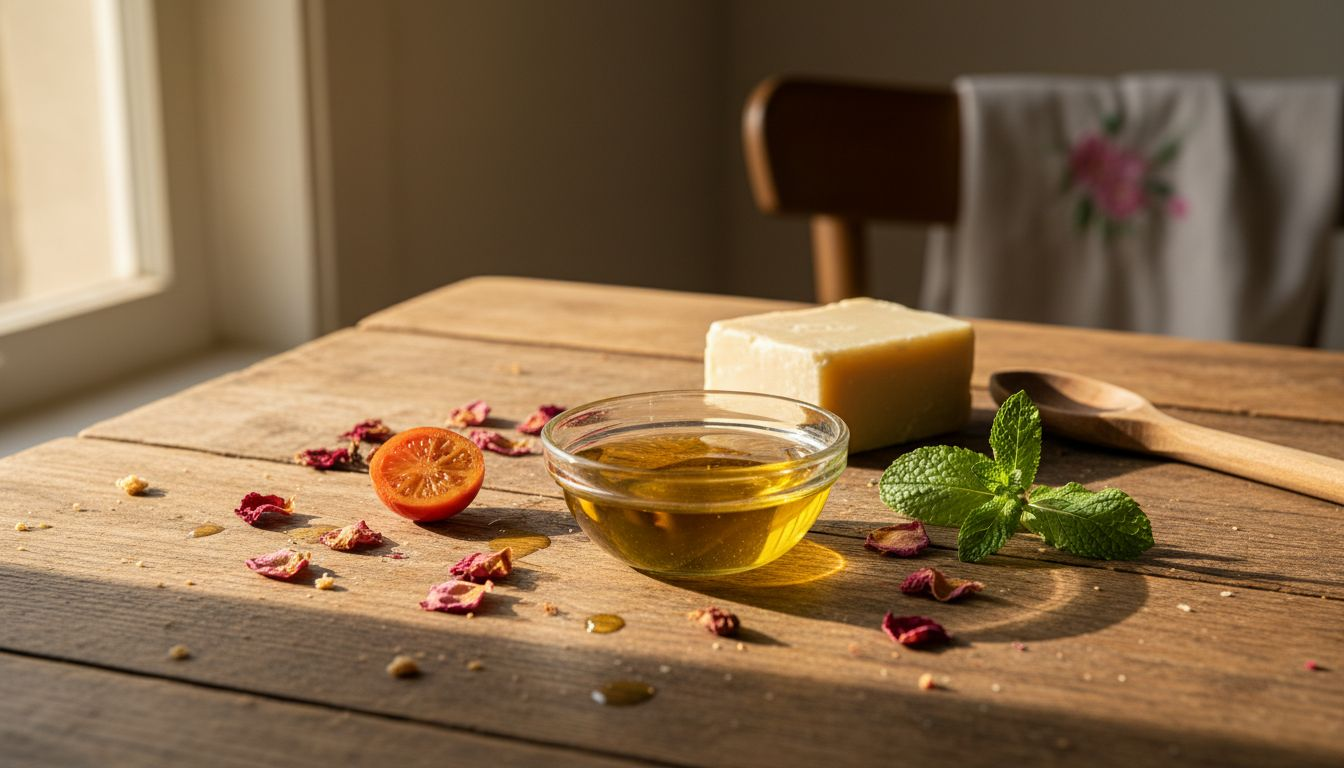
When it comes to color, natural mineral-based tints like iron oxides reduce allergy risk by 40% compared to synthetic dyes. These earth-derived pigments provide beautiful hues without the chemical load that triggers reactions. Iron oxides come in various shades, from soft pinks to deeper roses, offering options for every skin tone.
Barrier-supporting ingredients elevate tinted balms beyond basic color:
- Ceramides strengthen the protective moisture barrier
- Hyaluronic acid attracts and retains water molecules
- Vitamin E provides antioxidant protection
- Plant waxes create breathable, long-lasting coverage
What to skip? Lanolin appears in many lip products but frequently triggers allergies in sensitive users. Synthetic fragrances add nothing beneficial while increasing irritation risk. For comprehensive moisturizer tips for sensitive skin, focus on ingredient lists that read like a garden rather than a chemistry lab.
Pro Tip: Layer your tinted balm over a thin coat of plain lip oil for extra hydration and extended wear. The oil base helps pigments glide on smoothly while amplifying nourishing benefits.
Common irritants and allergens to avoid in tinted lip balms
Knowing what to avoid protects your lips as much as knowing what to seek. Synthetic fragrances cause up to 25% of dermatitis cases in women with sensitive skin using lip cosmetics. These chemical cocktails serve no functional purpose beyond scent, yet they rank among the top allergen triggers.
Parabens act as preservatives but disrupt hormone balance and irritate reactive skin. Petrochemical derivatives like mineral oil and petrolatum create a suffocating barrier that prevents natural moisture exchange. While they may feel moisturizing initially, they offer no real nourishment.
FD&C synthetic dyes deserve special scrutiny. These coal tar-derived colorants link to more allergic reactions than natural mineral alternatives. Red dyes particularly cause problems, with Red 6, Red 21, and Red 27 appearing frequently on allergen lists.
Red flags to watch for on ingredient labels:
- Parfum or fragrance (catch-all terms hiding multiple chemicals)
- Methylparaben, propylparaben, butylparaben
- Petrolatum, mineral oil, paraffin
- FD&C or D&C followed by color names and numbers
- Phenoxyethanol in high concentrations
Lanolin sensitivity affects more people than commonly realized. This wool-derived wax causes contact dermatitis in approximately 8% of sensitive skin users. If you notice persistent lip irritation with certain products, lanolin often hides as the culprit.
Ingredient transparency matters critically here. Products without complete ingredient disclosure create unnecessary risk. You deserve to know exactly what touches your skin. Quality brands embrace transparency because they have nothing to hide. For additional guidance, explore natural lip balm tips for sensitive skin that prioritize safety alongside beauty.
Pro Tip: Keep a skincare journal noting which products cause reactions. Patterns emerge quickly, helping you identify specific trigger ingredients to avoid in future purchases.
Comparing the best tinted lip balms for sensitive skin in 2026
The tinted lip balm market has evolved dramatically, with clean beauty options now matching or exceeding conventional formulas in performance. Pure Light Botanical Beauty Petal Perfect Lip Oil leads the eczema-safe category with zero reported irritation cases in user trials. Its plant-powered formula combines nourishing oils with natural mineral tints for gentle, buildable color.
Natural products using mineral pigments consistently show stronger performance metrics. They demonstrate 40% less allergy risk and earn 30% higher satisfaction ratings compared to conventional synthetic alternatives. Clean formulas reduce irritation incidence to under 5%, while hydration effects last 6 hours or longer.
Conventional tinted balms with synthetic dyes report higher irritation rates and shorter hydration duration. Many require frequent reapplication not because the color fades, but because lips feel dry and uncomfortable. This cycle of constant reapplication can worsen sensitivity over time.
Key differentiators among leading products:
- Ingredient purity and certification status
- Pigment source (mineral vs synthetic)
- Hydration technology and oil blend quality
- Price point relative to performance
- Brand transparency and testing protocols
Formulation transparency influences consumer trust significantly. Brands that share detailed ingredient sourcing, testing results, and customer feedback build loyal followings. Price points range from budget-friendly to premium, but mid-range natural products often deliver the best value for sensitive skin needs.
For a broader perspective on clean beauty options, review top plant-based tinted lip balms that prioritize both efficacy and skin compatibility.
Price, availability, and accessibility of natural tinted lip balms
Natural tinted lip balms typically range from $15 to $28, reflecting the quality of botanical ingredients and ethical sourcing practices. This mid-range pricing balances effectiveness with accessibility for most consumers.
The clean beauty movement has transformed market availability. Specialty tinted lip balm distribution increased 40% since 2023, with natural beauty platforms and conscious retailers leading expansion. Online shopping provides the widest selection, allowing you to research ingredients and read verified reviews before purchasing.
Factors influencing price include:
- Organic certification and ingredient sourcing standards
- Sustainable packaging materials and practices
- Brand size and production scale
- Third-party testing and clinical validation
- Formulation complexity and botanical quality
Ingredient transparency justifies mid-range pricing when you consider the research, testing, and quality control involved. A $22 tinted balm with clinically proven safe ingredients offers better value than a $8 product filled with potential irritants requiring additional treatment purchases.
Sustainable packaging adds environmental and perceived value. Recyclable tubes, biodegradable components, and refillable options appeal to eco-conscious consumers while reducing long-term costs. Some brands offer subscription services with modest discounts, making premium natural products more budget-friendly.
Situational recommendations: choosing the right tinted lip balm for your needs
Your unique skin needs, lifestyle, and preferences determine which tinted balm serves you best. For eczema-prone lips, prioritize formulas enriched with ceramides and hyaluronic acid like Pure Light Botanical Beauty products. These ingredients actively repair compromised skin barriers while delivering soothing hydration.
Daily wear calls for subtle, natural-looking tints in fragrance-free formulas. Plant oil-rich balms provide effortless color that enhances rather than masks your natural lip tone. They feel comfortable through long workdays and adapt well to temperature changes.
Specific use case recommendations:
- Severe sensitivity or active eczema: Choose certified eczema-safe, dermatologist-tested balms with minimal ingredients and maximum nourishment
- Everyday natural enhancement: Select sheer to medium coverage tints with broad-spectrum plant oils for all-day comfort
- Extended wear needs: Reapply natural balms every 3 hours to maintain both hydration and color intensity
- Allergy-prone skin: Opt for certified organic, fragrance-free formulas with patch testing recommendations
- Budget-conscious choices: Mid-range clean formulas ($18-$24) balance quality ingredients with reasonable pricing
Color intensity preferences matter too. If you want buildable coverage, look for balms that layer smoothly without pilling or clumping. For minimal maintenance, choose highly pigmented natural formulas that deliver impact in one swipe.
For comprehensive guidance on selection criteria, explore how to choose the right lip balm for sensitive skin based on your specific concerns and goals.
Pro Tip: Keep two tinted balms in rotation—one sheer for daily wear and one more pigmented for occasions. This approach prevents ingredient fatigue while giving you flexibility in your beauty routine.
Summary comparison table of top tinted lip balms for sensitive skin
| Product Type | Key Ingredients | Pigment Source | Hydration Duration | Irritation Rate | Price Range | Best For |
|---|---|---|---|---|---|---|
| Pure Light Botanical Beauty | Jojoba, rosehip, ceramides | Natural minerals | 6+ hours | <1% | $22-$26 | Eczema-prone, severe sensitivity |
| Natural mineral balms | Plant oils, iron oxides | Mineral-based | 5-6 hours | <5% | $18-$24 | Daily wear, allergy-sensitive |
| Clean certified formulas | Shea butter, vitamin E | Natural or mineral | 4-5 hours | <8% | $15-$20 | Budget-conscious, moderate sensitivity |
| Conventional tinted balms | Synthetic emollients | FD&C dyes | 2-3 hours | 15-25% | $8-$15 | Non-sensitive skin only |
This comparison highlights how natural formulations outperform conventional products across key metrics that matter for sensitive skin. Lower irritation rates and longer hydration duration translate to healthier, more comfortable lips. While natural options carry slightly higher price points, the reduced need for corrective treatments and better daily experience justify the investment.
Discover Pure Light Botanical Beauty tinted lip balms
Your lips deserve products that nourish as beautifully as they color. Pure Light Botanical Beauty creates eczema-safe, plant-powered tinted lip balms formulated specifically for sensitive skin. Each product combines therapeutic botanical oils with natural mineral pigments, delivering gentle color without common irritants.
Our formulas skip synthetic fragrances, parabens, and harsh chemicals entirely. Instead, they harness the healing power of nature to support hydrated, soothed lips with radiant, wearable tints. Experience the difference when makeup becomes a ritual of care rather than compromise. Explore comprehensive guides on benefits of plant-based beauty and discover how to pick the right lip oil for your unique needs. Visit Pure Light Botanical Beauty to shop trusted, holistic lip care that honors both your beauty and your skin health.
FAQ
What should I avoid in tinted lip balms if I have sensitive skin?
Avoid synthetic fragrances, parabens, lanolin, petrochemicals, and FD&C synthetic dyes. These ingredients trigger the majority of allergic reactions and irritation in sensitive skin types. Choose fragrance-free, certified organic formulas with transparent ingredient lists whenever possible.
Are natural mineral pigments really safer for sensitive lips?
Yes, clinical research confirms natural mineral pigments reduce allergy risk by 40% compared to synthetic dyes. Iron oxides and other earth-derived colorants work harmoniously with sensitive skin biology. They provide beautiful color without the chemical burden that causes reactions.
How often should I reapply tinted lip balm for sensitive skin?
Reapply natural tinted lip balms every 3 to 4 hours to maintain optimal hydration and color intensity. Natural formulas prioritize skin health over extreme longevity, so regular reapplication supports both nourishment and appearance. Eczema-prone or very dry lips may benefit from more frequent application during harsh weather.
Can tinted lip balms help soothe eczema-prone lips?
Certain tinted balms formulated with ceramides, hyaluronic acid, and therapeutic botanical oils actively nourish and soothe eczema-prone lips. Select clinically tested, fragrance-free formulas designed specifically for compromised skin barriers. Products like those from Pure Light Botanical Beauty offer targeted relief while delivering gentle color.
Recommended
- Top 8 Best Hypoallergenic Lipsticks in 2026 for Sensitive Skin – Pure Light Botanical Beauty
- Best 8 Lead Free Lipstick – Expert Comparison 2025 – Pure Light Botanical Beauty
- 8 Best Non Sticky Lipstick in 2026 – Expert Comparison – Pure Light Botanical Beauty
- Best Lipstick with Castor Oil – Expert Comparison 2026 – Pure Light Botanical Beauty