

Finding the right makeup for sensitive skin can feel overwhelming when every product promises miracles but leaves your skin feeling worse. For women everywhere including American women, the choices can seem endless and confusing. Studies show that over 60 percent of women report irritation from conventional cosmetics with synthetic ingredients. This guide empowers you to replace harsh formulas with natural options that focus on comfort, healing, and a fresh radiant look that truly reveals your natural beauty.
Table of Contents
- Step 1: Assess Your Current Makeup Routine
- Step 2: Research Clean Ingredients and Formulas
- Step 3: Select Skin Nourishing Natural Products
- Step 4: Transition Your Makeup Bag Gradually
- Step 5: Test and Perfect Your New Natural Look
Quick Summary
| Key Insight | Explanation |
|---|---|
| 1. Assess Your Current Routine | Analyze your makeup products for irritants like parabens and fragrances to improve skin health. |
| 2. Research Clean Ingredients | Learn about safe, natural ingredients to make informed choices and understand their benefits. |
| 3. Select Nourishing Products | Choose makeup with beneficial compounds like oils and botanical extracts to enhance skin nourishment. |
| 4. Transition Gradually | Replace products slowly to minimize disruption and pay attention to how your skin reacts. |
| 5. Test and Perfect Your Look | Experiment and refine your makeup techniques for a personalized, natural appearance. |
Step 1: Assess Your Current Makeup Routine
Transitioning to natural makeup starts with understanding your current routine and identifying potential skin triggers. This assessment helps you make informed choices about replacing conventional products with gentler alternatives that support your skin’s natural balance.
Begin by thoroughly examining your existing makeup collection. Pull out every product and carefully review its ingredients list. Look for common irritants like synthetic fragrances, parabens, sulfates, and petrochemicals that might be causing inflammation or sensitivity. Mindful makeup choices can significantly impact your skin’s health and appearance.
Note which products cause reactions or discomfort. Track symptoms like redness, itching, breakouts, or uneven texture after application. These signs indicate your skin might be struggling with harsh chemical formulations. Photograph your current products and write down ingredient lists to help you compare and research cleaner alternatives that align with your skin’s needs.
Pro tip: Create a simple spreadsheet tracking your current makeup products, their ingredients, and any skin reactions to streamline your transition to natural cosmetics.
Here’s a quick comparison of conventional vs. natural makeup ingredients and their impact on your skin:
| Ingredient Type | Common Example | Effect on Skin | Long-Term Result |
|---|---|---|---|
| Synthetic Chemicals | Parabens, Fragrances | May cause irritation | Potential sensitivity |
| Plant-Based Oils | Jojoba, Almond Oil | Nourishes and hydrates | Maintains skin balance |
| Botanical Extracts | Chamomile, Aloe Vera | Soothes inflammation | Supports skin barrier |
| Probiotics/Peptides | Natural Ferments | Enhance resilience | Improved skin health |
Step 2: Research Clean Ingredients and Formulas
Understanding the science behind clean beauty ingredients is crucial for making informed makeup choices that nourish your skin. This step will help you decode complex ingredient lists and identify truly beneficial natural formulations.
Begin by learning to decode beauty ingredient lists that prioritize sustainable and skin supportive compounds. Natural cosmetic ingredients derived from plants, microorganisms, and biomaterials offer powerful alternatives to synthetic chemicals. Look for antioxidant-rich botanical extracts, peptides, and probiotics that not only enhance skin appearance but also provide deep nourishment.
Research the safety standards behind natural ingredients. European Union regulations provide rigorous frameworks for assessing ingredient safety without animal testing. Pay attention to third party certifications, research the origin of ingredients, and understand how different natural compounds interact with your specific skin type. Transparent brands will provide detailed information about ingredient sourcing, processing methods, and potential skin benefits.
Pro tip: Create a digital ingredient watchlist on your smartphone to quickly reference and research unfamiliar compounds while shopping for natural makeup products.
Step 3: Select Skin Nourishing Natural Products
Choosing the right natural makeup products is about more than aesthetic appeal it is about supporting your skin’s long term health and radiance. In this step, you will learn how to identify makeup that truly nourishes and protects your unique skin.
Start by understanding the key nourishing makeup ingredients for sensitive skin. Look for products enriched with antioxidant-rich plant extracts, peptides, and probiotics that offer multifunctional benefits. Natural ingredients like jojoba oil, almond oil, aloe vera, and chamomile provide gentle hydration and protection while avoiding harsh synthetic compounds. Prioritize formulations that support your skin barrier and deliver real nourishment rather than temporary cosmetic effects.
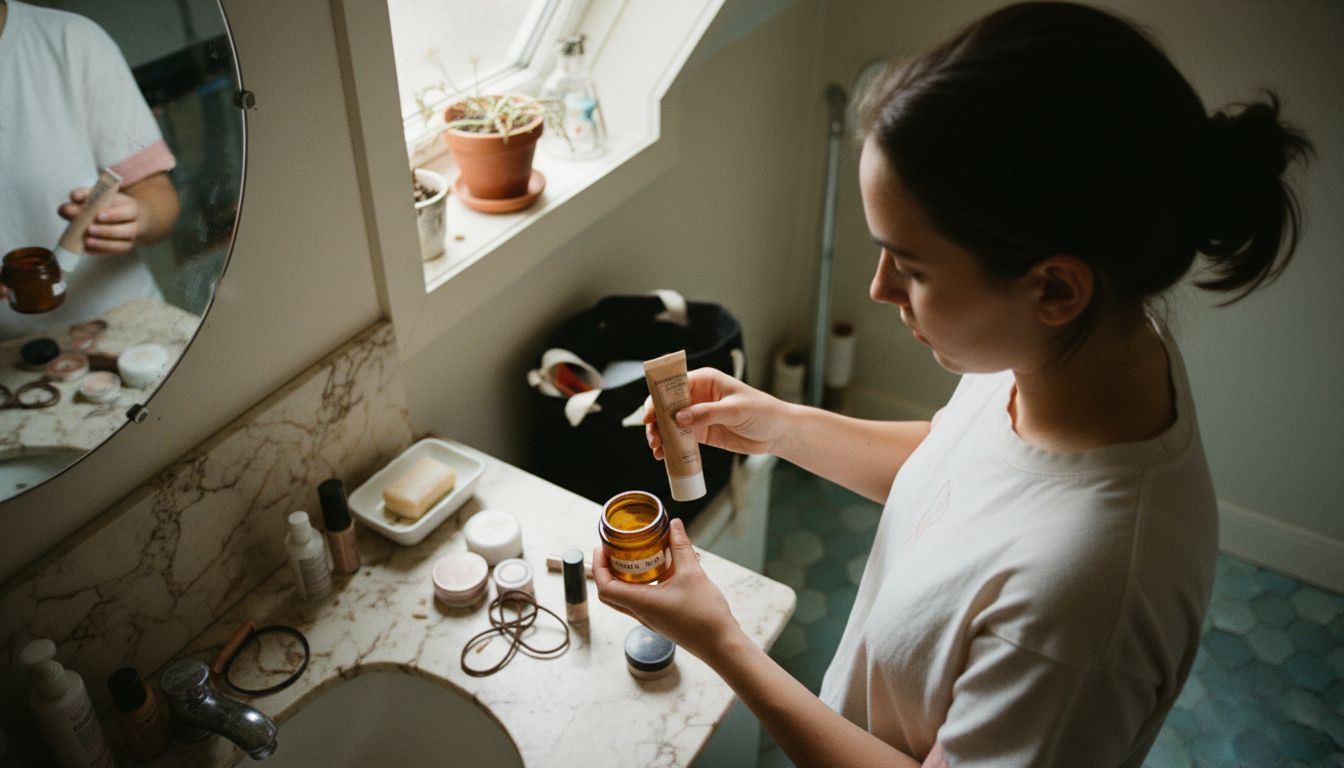
When selecting products, verify certifications that validate quality and ethical production. Seek out brands offering certified organic, vegan, and cruelty-free makeup options. Pay attention to ingredient lists, looking for natural oils and botanical extracts that match your specific skin concerns. Consider your skin type, any sensitivity issues, and the climate you live in to ensure the products will truly support your skin’s unique needs.
Pro tip: Create a personalized natural makeup ingredient profile that tracks which botanical extracts and oils work best for your skin, helping you make more informed purchasing decisions.
Step 4: Transition Your Makeup Bag Gradually
Switching to natural makeup is a journey of transformation not an overnight overhaul. By approaching this transition mindfully and strategically, you can create lasting change that supports both your skin health and personal beauty goals.
Begin your transition by following mindful makeup tips for sensitive skin. Replace one makeup product at a time starting with items you use most frequently like foundation, concealer, or lip color. Trial sizes and sample products are perfect for testing compatibility without overwhelming your routine. Pay attention to how your skin responds to each new natural product tracking any changes in texture, hydration, and overall appearance.
Create a realistic timeline for your makeup bag transformation. Most people take 3 to 6 months to fully transition their beauty arsenal. Be patient with yourself and focus on quality over quantity. Some products might require multiple trials before finding your perfect match. Consider keeping a simple journal documenting which natural products work best for your unique skin type and which might need further exploration.
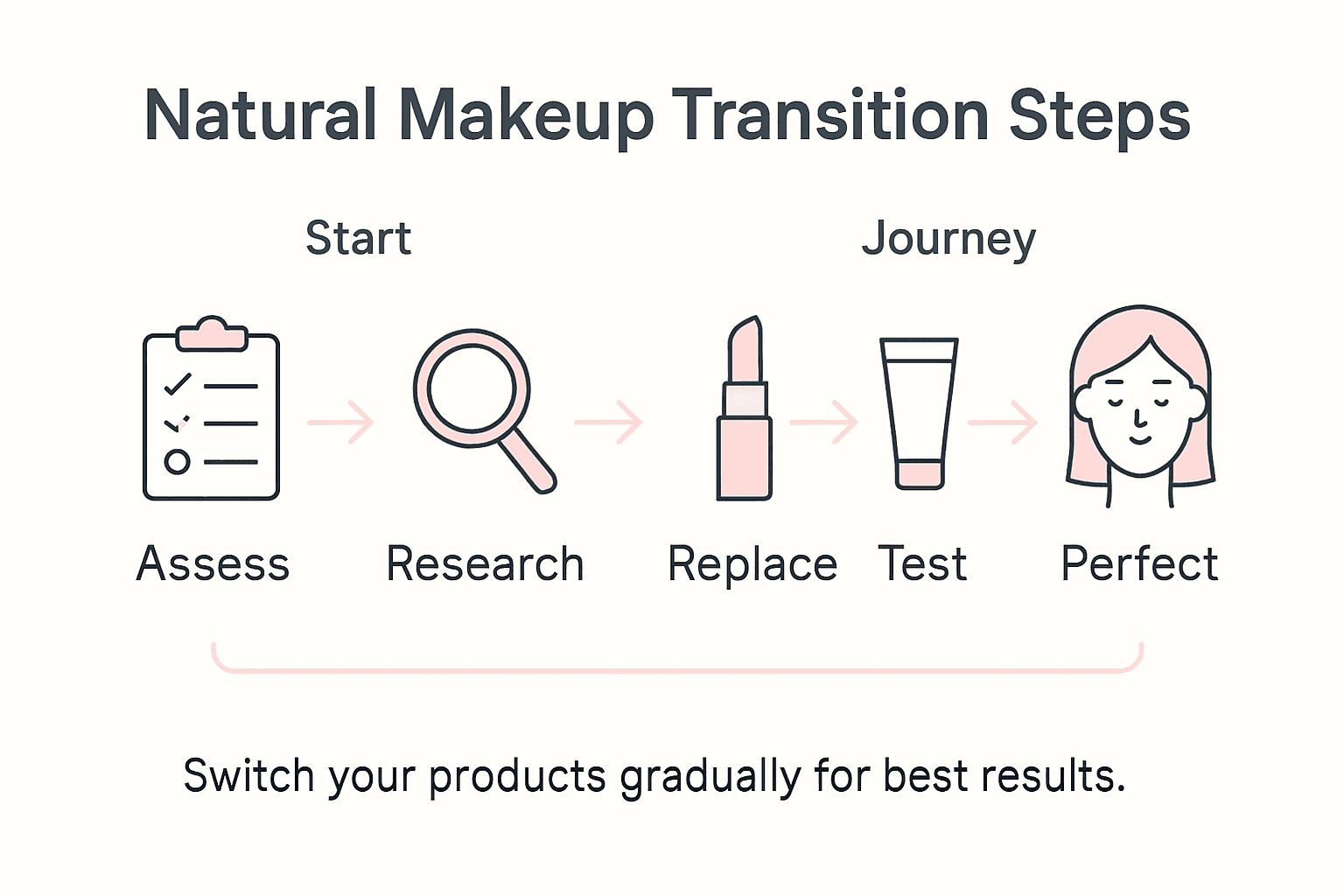
Pro tip: Schedule a quarterly review of your makeup collection to systematically replace conventional products with clean beauty alternatives and maintain momentum in your natural makeup journey.
Step 5: Test and Perfect Your New Natural Look
Creating a flawless natural makeup look requires patience, experimentation, and a deep understanding of your unique skin characteristics. This final step is about refining your technique and discovering a makeup approach that feels authentically you.
Begin by exploring ways to enhance your natural beauty through thoughtful makeup application. Focus on lightweight breathable formulas that highlight your skin rather than mask it. Start with minimal layers applying products sparingly and building coverage only where necessary. Pay close attention to how different natural products interact with your skin tone and texture. Take time to experiment with application techniques learning how to blend seamlessly and create a radiant understated finish.
Document your makeup journey by taking natural light photographs of your makeup looks. This visual record will help you track your progress and understand which techniques and products work best for your skin. Remember that perfecting your natural makeup look is an ongoing process. Some days you might want more coverage while other days you will prefer a nearly bare faced approach. Embrace flexibility and view your makeup routine as a form of self expression that can shift and evolve with your mood and needs.
Pro tip: Create a dedicated makeup testing space with great natural lighting and invest in a quality makeup mirror to help you master precise application techniques.
Below is a summary of steps for a successful transition to natural makeup:
| Step | Main Action | Key Benefit |
|---|---|---|
| Assess Routine | Review products & triggers | Awareness of irritants |
| Research Ingredients | Learn about clean formulas | Informed choices |
| Select Nourishing Products | Identify beneficial compounds | Skin health improvement |
| Gradual Transition | Swap products over months | Minimal disruption |
| Test and Perfect | Refine application technique | Personalized natural look |
Embrace a Gentle and Radiant Makeup Transition
Switching to natural makeup is a thoughtful journey that calls for products deeply rooted in skin nourishment and healing. If you are seeking to replace harsh synthetic ingredients with clean, plant-based formulations that soothe sensitive skin and support long-term radiance you will find a trusted companion in Pure Light Botanical Beauty. Our skincare-informed makeup line aligns perfectly with your goal to transition mindfully, one thoughtful swap at a time as you explore botanical oils, peptides, and probiotics designed to nurture your skin’s natural balance.
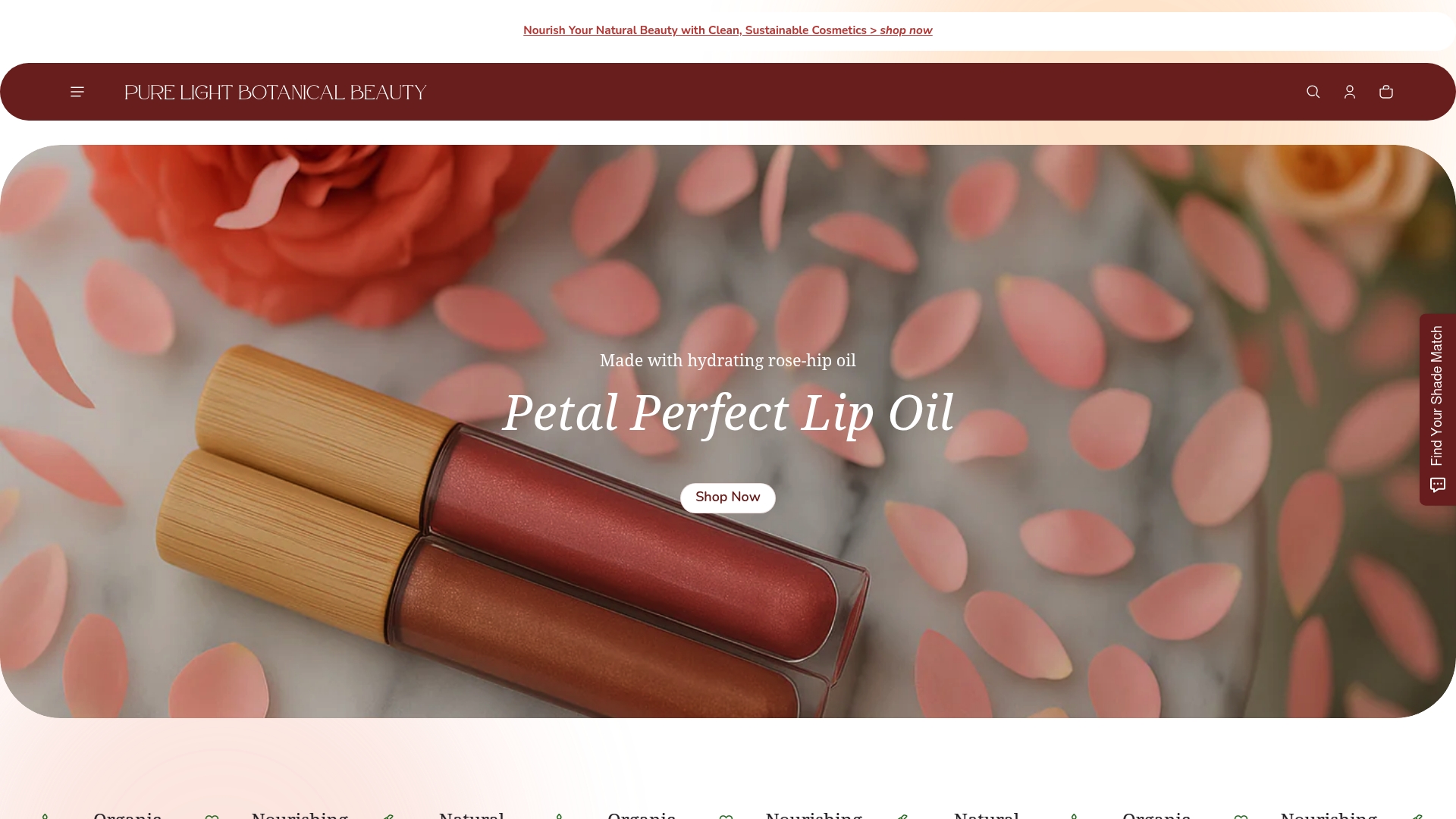
Discover the transformative power of makeup that feels as good as it looks by exploring our collection at Pure Light Botanical Beauty. Start with essentials like the Petal Perfect Lip Oil or Botanical Crème Blush, thoughtfully crafted to enhance your natural beauty without irritation. If your skin demands kindness alongside confidence our range is carefully formulated with sensitive skin and conditions like eczema in mind. Begin your radiant skin journey today and embrace a ritual that honors your authenticity and wellness.
Frequently Asked Questions
How can I assess my current makeup routine for sensitivities before switching to natural makeup?
To assess your current makeup routine, pull out all your products and examine their ingredient lists. Identify common irritants such as synthetic fragrances and parabens that may trigger reactions, and track any symptoms like redness or itching. Create a spreadsheet to organize your findings for easier comparisons.
What should I look for when researching clean makeup ingredients?
When researching clean makeup ingredients, prioritize natural compounds derived from plants and microorganisms. Look for antioxidant-rich extracts, peptides, and probiotics that nourish the skin rather than use harsh synthetic chemicals. Make a watchlist of ingredients to help you identify beneficial options while shopping.
How do I select skin-nourishing natural products for sensitive skin?
To select skin-nourishing natural products, choose makeup enriched with gentle ingredients like jojoba oil and chamomile. Check for certifications like organic and cruelty-free that validate the product’s quality. Pay attention to your specific skin concerns and choose formulations specifically designed to support your skin type.
What is a realistic timeline for transitioning to natural makeup?
A realistic timeline for transitioning to natural makeup typically spans 3 to 6 months. Start by replacing one product at a time, focusing on daily essentials like foundation or lip color. Monitor your skin’s response and adjust your timeline as needed based on compatibility with the new products.
How can I test and perfect my new natural makeup look?
To test and perfect your new natural makeup look, begin with minimal product application and gradually build coverage. Experiment with different application techniques and document your looks with photos in natural light. This will help you refine your approach and find the best combination for your unique skin.
Recommended
- 7 Types of Natural Makeup for Sensitive, Radiant Skin – Pure Light Botanical Beauty
- Top Ways to Enhance Natural Beauty Naturally: Step-by-Step Guide – Pure Light Botanical Beauty
- How to Use Makeup for Empowerment: A Gentle Guide – Pure Light Botanical Beauty
- What Products Make Skin Glow Naturally Step-by-Step – Pure Light Botanical Beauty