

Over half of American adults now pay closer attention to the ingredients in their beauty products than ever before. With increasing concerns around skin health and chemical exposure, choosing the right makeup goes beyond personal style. If you have sensitive skin or want to reduce toxic load, learning the fundamental differences between organic and conventional formulas can help you make informed, healthier beauty choices.
Table of Contents
- Defining Organic Makeup And Key Differences
- Types Of Organic Makeup For Sensitive Skin
- Core Ingredients And Botanical Benefits
- How Organic Makeup Supports Skin Healing
- Navigating Allergens And Common Mistakes
Key Takeaways
| Point | Details |
|---|---|
| Organic Makeup | Prioritizes natural, plant-based ingredients free from synthetic chemicals, promoting skin wellness and reducing irritation. |
| Ingredient Sourcing | Ingredients are sourced from organic farming practices, ensuring minimal environmental impact and absence of harmful additives. |
| Skin Benefits | Provides therapeutic effects while nourishing and soothing sensitive skin, supporting its natural healing processes. |
| Allergen Awareness | Individuals should be mindful of potential allergens and conduct patch tests to ensure product compatibility with their unique skin sensitivities. |
Defining Organic Makeup and Key Differences
Organic makeup represents a transformative approach to beauty that prioritizes natural ingredients and skin wellness. Unlike conventional cosmetics packed with synthetic chemicals, organic makeup emerges from a commitment to pure, plant-based formulations cultivated without pesticides or artificial additives. These products harness the healing power of botanical extracts, essential oils, and mineral-based pigments, creating a sanctuary for sensitive skin.
The fundamental difference between organic and traditional makeup lies in ingredient sourcing and processing. Organic cosmetics are crafted from ingredients grown through sustainable agricultural practices that minimize environmental impact and eliminate harmful synthetic chemicals. This means every product contains components sourced from plants cultivated without pesticides, synthetic fertilizers, or genetically modified organisms. By selecting natural makeup options, individuals with sensitive skin can significantly reduce their exposure to potential irritants.
Key characteristics of organic makeup include:
- Ingredients derived from certified organic farming practices
- Absence of synthetic preservatives, fragrances, and colorants
- Minimal processing that maintains the integrity of natural ingredients
- Environmentally conscious production methods
- Potential therapeutic benefits from plant-based components
Pro Beauty Tip: When transitioning to organic makeup, introduce products gradually and patch test each new item to understand how your unique skin responds to natural ingredients.
Here is a comparison of organic vs. conventional makeup to clarify their main distinctions:
| Aspect | Organic Makeup | Conventional Makeup |
|---|---|---|
| Ingredient Origin | Plant-based, grown without pesticides | Often synthetic or chemically processed |
| Skin Benefits | Naturally soothing and nourishing | May cause irritation for sensitive skin |
| Environmental Impact | Supports sustainable farming practices | Can contribute to pollution and waste |
| Typical Additives | Minimal preservatives, no artificial fragrance | Synthetic colors, fragrances, preservatives |
Types of Organic Makeup for Sensitive Skin
Organic makeup for sensitive skin represents a holistic approach to beauty that prioritizes gentle, healing ingredients and minimizes potential irritation. Foundation and base products form the cornerstone of sensitive skin makeup, offering lightweight, breathable coverage that nurtures rather than conceals. These specialized formulations leverage natural minerals, plant-based extracts, and hypoallergenic ingredients to create a protective barrier that supports skin health while providing subtle, radiant coverage.
The landscape of organic makeup for sensitive skin encompasses several essential product categories:
- Mineral Foundations: Powdered formulations with zero synthetic chemicals
- Cream Concealers: Natural oil-based products that provide gentle coverage
- Tinted Moisturizers: Hydrating solutions with minimal ingredient complexity
- Liquid Foundations: Plant-derived bases with soothing botanical extracts
- Skin Tints: Lightweight, breathable options for minimal coverage
When exploring natural makeup options for sensitive skin, individuals should prioritize products with transparent ingredient lists and certifications from reputable organic beauty organizations. These products typically feature ingredients like aloe vera, chamomile, jojoba oil, and other skin-calming botanical extracts that provide both aesthetic enhancement and therapeutic benefits.
Key considerations when selecting organic makeup for sensitive skin include examining ingredient purity, understanding individual skin sensitivities, and performing patch tests before full application. Each product should be evaluated for its potential to nourish, protect, and enhance natural beauty without triggering inflammatory responses.
Pro Beauty Tip: Always conduct a 24-hour patch test with new organic makeup products on a small area of skin to verify compatibility and prevent potential allergic reactions.
Core Ingredients and Botanical Benefits
Botanical ingredients represent the heart of organic makeup, transforming cosmetics from mere aesthetic tools into powerful skin-healing allies. These natural components go far beyond traditional makeup, offering a sophisticated approach to beauty that nurtures, protects, and revitalizes sensitive skin. By harnessing the incredible potential of plant-based extracts, organic makeup creates a harmonious relationship between cosmetic enhancement and holistic skin wellness.
Key botanical ingredients that form the cornerstone of organic makeup for sensitive skin include:
- Rosehip Oil: Rich in vitamin C and essential fatty acids
- Shea Butter: Provides deep hydration and skin barrier protection
- Chamomile Extract: Offers natural anti-inflammatory properties
- Jojoba Oil: Closely mimics human skin’s natural sebum
- Aloe Vera: Delivers soothing and cooling skin benefits
Understanding the role of botanicals in beauty reveals their multifaceted benefits beyond traditional cosmetic approaches. These natural ingredients work synergistically to address skin sensitivities, providing antioxidant protection, reducing inflammation, and supporting the skin’s natural healing mechanisms. Unlike synthetic alternatives, botanical ingredients offer a gentle yet powerful approach to skincare that respects the skin’s delicate balance.
The therapeutic potential of these natural ingredients extends beyond surface-level beauty. Each botanical extract brings a unique profile of vitamins, minerals, and compounds that interact with the skin’s complex ecosystem. This holistic approach means that organic makeup doesn’t just cover imperfections but actively contributes to skin health, reducing irritation, promoting cellular regeneration, and supporting the skin’s natural defense mechanisms.

Pro Beauty Tip: Layer botanical ingredients strategically by starting with lightweight serums and ending with richer oils to maximize absorption and skin benefits.
This table summarizes key skin-healing ingredients found in organic makeup and their unique benefits:
| Botanical Ingredient | Skin Benefit | Best For |
|---|---|---|
| Rosehip Oil | Boosts collagen & brightens skin | Dull, uneven skin tone |
| Shea Butter | Deeply moisturizes and protects | Dry or flaky skin |
| Chamomile Extract | Calms irritation & reduces redness | Inflamed or sensitive skin |
| Jojoba Oil | Balances skin’s natural oils | Combination or oily skin |
| Aloe Vera | Soothes and cools | Recent irritation or sunburn |
How Organic Makeup Supports Skin Healing
Skin healing through organic makeup represents a revolutionary approach to beauty that transforms cosmetics from mere aesthetic tools into therapeutic interventions. Unlike traditional makeup that can potentially aggravate sensitive skin, organic formulations work in harmony with the body’s natural regenerative processes. These specialized products create a protective, nurturing environment that allows damaged or irritated skin to recover while simultaneously providing subtle, elegant coverage.
The mechanisms of skin healing in organic makeup are multifaceted:
- Reducing Inflammation: Natural ingredients counteract skin stress
- Supporting Cellular Regeneration: Botanical extracts promote skin recovery
- Minimizing Toxic Exposure: Eliminating harsh chemical interactions
- Providing Nutritional Support: Delivering vitamins and antioxidants directly
- Maintaining Skin Barrier Function: Protecting natural microbiome balance
Exploring performance-driven makeup for sensitive skin reveals how strategic ingredient selection can transform makeup from a cosmetic product to a healing intervention. By carefully selecting non-toxic, plant-based ingredients, organic makeup creates a supportive ecosystem that encourages skin restoration, reduces oxidative stress, and promotes long-term skin health.
The healing potential extends beyond surface-level benefits. Organic makeup’s approach addresses root causes of skin sensitivity by providing a holistic solution that respects the skin’s natural intelligence. Each carefully selected botanical ingredient works synergistically to calm inflammation, support immune responses, and create an optimal environment for skin recovery. This means individuals with conditions like eczema, rosacea, or chronic sensitivity can find genuine relief through mindful cosmetic choices.

Pro Beauty Tip: Introduce organic makeup gradually, allowing your skin time to adapt and respond to the healing botanical ingredients, and always patch test new products to ensure compatibility.
Navigating Allergens and Common Mistakes
Allergen identification in organic makeup represents a critical skill for individuals with sensitive skin, requiring a nuanced understanding of ingredient complexity and potential reactive triggers. The journey toward safe cosmetic choices involves more than simply reading labels; it demands a comprehensive approach to understanding how different botanical components interact with individual skin profiles. Navigating this landscape requires careful attention, strategic research, and a deep commitment to personal skin health.
Common allergens and potential irritants in organic makeup often include:
- Essential Oils: Potent botanical extracts that can trigger sensitivities
- Botanical Extracts: Natural compounds with complex molecular structures
- Preservative Systems: Even natural preservatives can cause reactions
- Nut-Based Ingredients: Potential sources of severe allergic responses
- Fragrance Components: Natural or synthetic aromatic compounds
Exploring ways to decode a pure beauty ingredient list reveals the importance of understanding certification standards and ingredient transparency. Individuals with sensitive skin must look beyond marketing claims and investigate specific certifications from organizations like COSMOS, Ecocert, or NSF International. These certifications provide a reliable framework for verifying product authenticity and minimizing potential allergenic risks.
The most frequent mistakes individuals make when selecting organic makeup include blindly trusting ‘natural’ labels, failing to conduct patch tests, and overlooking individual skin sensitivities. Each person’s skin represents a unique ecosystem with distinct reactivity profiles, meaning a product that works beautifully for one individual might trigger significant irritation for another. Careful, methodical product introduction and continuous skin monitoring become essential strategies for maintaining skin health while exploring organic makeup options.
Pro Beauty Tip: Create a personal ingredient diary tracking your skin’s reactions to specific botanical components, helping you build a comprehensive understanding of your unique skin sensitivities.
Experience Healing Beauty with Pure Light Botanical Beauty
Sensitive skin demands more than just coverage It requires makeup that works in harmony with your skin’s unique needs to soothe inflammation and support natural healing. This article highlights how organic makeup uses pure botanical ingredients like chamomile extract and jojoba oil to reduce irritation and nurture your skin’s barrier. At Pure Light Botanical Beauty, we understand that sensitive skin calls for gentle, clean formulations that nourish as they enhance your natural radiance.
Discover our thoughtfully crafted products designed to transform your makeup routine into a healing ritual. From the hydrating Botanical Crème Blush to the soothing Petal Perfect Lip Oil, every item is infused with plant-based ingredients chosen for their ability to calm and protect delicate skin. Our commitment to transparency and wellness means you can confidently choose makeup that respects your skin’s health and beauty.
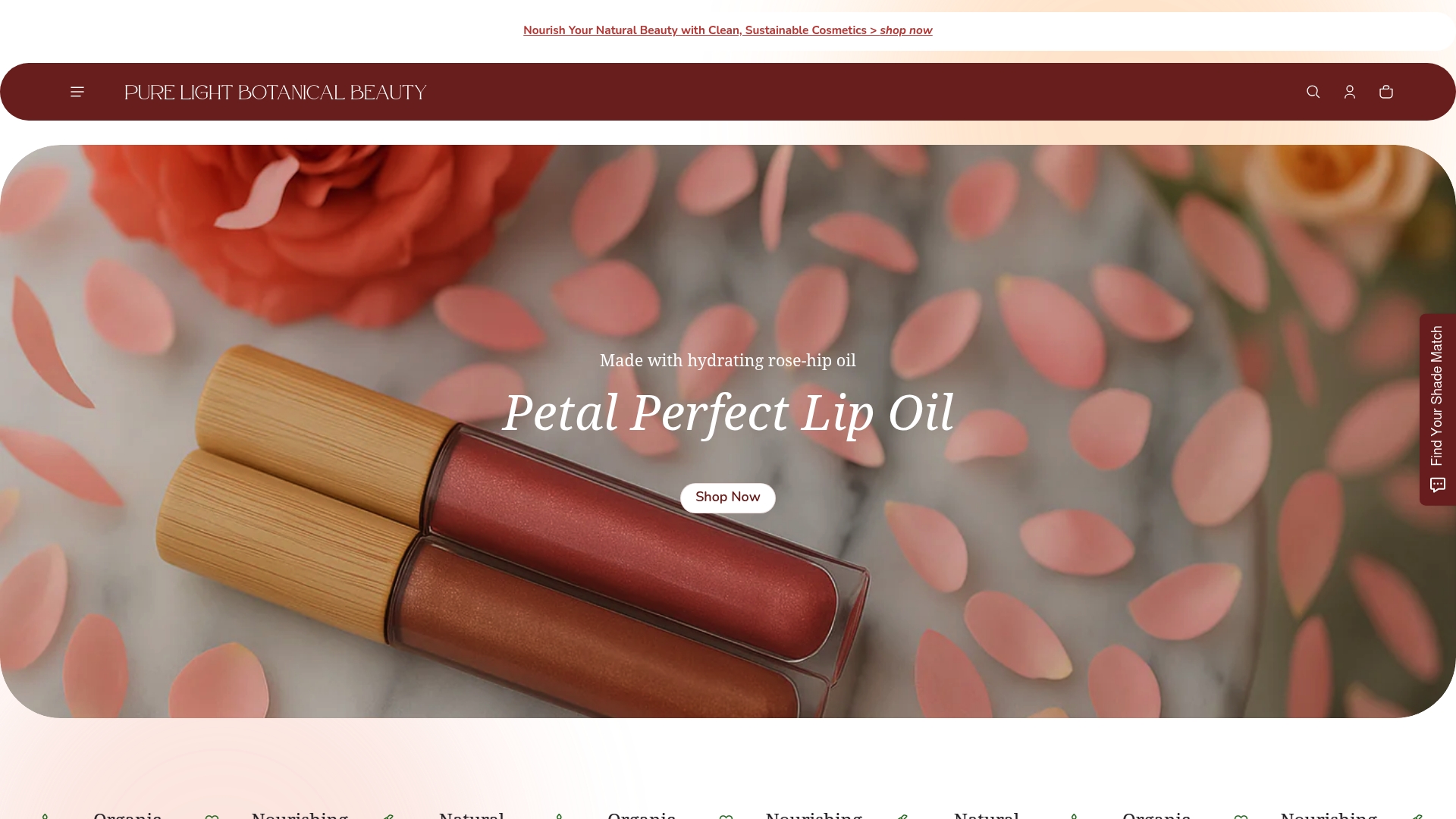
Make the shift to a radiant complexion that feels as good as it looks Explore the full collection today at Pure Light Botanical Beauty and start your journey toward skin-loving makeup. Learn more about how to choose natural makeup for sensitive skin and embrace products that celebrate your glow while supporting your skin’s healing. Your sensitive skin deserves pure, nurturing beauty that empowers confidence every day.
Frequently Asked Questions
What is organic makeup?
Organic makeup is a type of cosmetics that prioritizes natural ingredients and skin wellness, using plant-based formulations grown without pesticides or synthetic additives.
How does organic makeup benefit sensitive skin?
Organic makeup is formulated with gentle, healing ingredients that minimize potential irritation, supporting skin health while providing breathable coverage.
What should I look for in organic makeup products for sensitive skin?
When choosing organic makeup for sensitive skin, prioritize products with transparent ingredient lists, certifications from reputable organic beauty organizations, and soothing botanical extracts like aloe vera and chamomile.
What are common allergens in organic makeup?
Common allergens in organic makeup include essential oils, botanical extracts, preservatives, nut-based ingredients, and fragrance components. Understanding these can help in choosing suitable products.
Recommended
- Performance-Driven Makeup: Beauty That Heals Sensitive Skin – Pure Light Botanical Beauty
- 7 Clean Beauty Routine Ideas for Sensitive Skin Relief – Pure Light Botanical Beauty
- 7 Non-Toxic Beauty Must-Haves for Sensitive Skin Relief – Pure Light Botanical Beauty
- 7 Types of Mindful Makeup for Sensitive, Radiant Skin – Pure Light Botanical Beauty
- 7 hasznos tanács kezdők tetoválásával kapcsolatban