

Finding makeup that truly cares for sensitive skin can feel overwhelming, especially with rising health concerns around traditional ingredients. Over 60 percent of American women with sensitive skin say beauty products have triggered irritation or eczema flare-ups at some point. This makes the search for gentle, talc-free options about more than just style. Discover which simple swaps and ingredient insights can transform your routine into a safe, nourishing experience for delicate skin everywhere.
Table of Contents
- Talc Free Makeup And Sensitive Skin Needs
- Risks Of Talc In Conventional Beauty Products
- Healing Alternatives: Botanical Ingredients In Focus
- Practical Tips For Transitioning To Talc Free Makeup
- Common Pitfalls And How To Avoid Them
Key Takeaways
| Point | Details |
|---|---|
| Talc-Free Makeup is Essential for Sensitive Skin | Opting for talc-free cosmetic products can minimize skin irritation and support overall skin health. |
| Understand Ingredient Sensitivities | Pay attention to product ingredients, opting for hypoallergenic and soothing botanical compositions. |
| Conduct Patch Tests | Always perform patch tests on new products to ensure compatibility and prevent adverse reactions. |
| Be Cautious of Label Claims | Not all ‘natural’ products are safe for sensitive skin; thorough ingredient scrutiny is crucial. |
Talc Free Makeup And Sensitive Skin Needs
Sensitive skin requires specialized care, especially when selecting cosmetic products that interact directly with delicate facial surfaces. Talc-free makeup represents a critical solution for individuals struggling with skin reactivity, offering a gentler alternative to traditional cosmetic formulations. The connection between skin health and makeup choices runs deeper than most realize.
Research from MD Anderson Cancer Center highlights growing concerns about talc in cosmetics, particularly for those with sensitive skin conditions. Talc, a common mineral used in many makeup products, can potentially trigger inflammatory responses or skin irritation. For women managing conditions like eczema, selecting makeup becomes more than an aesthetic choice - it becomes a health strategy. By choosing talc-free makeup options, individuals can minimize potential skin stress and support their skin’s natural healing processes.
Understanding sensitive skin needs involves recognizing specific triggers and ingredient sensitivities. Key considerations for talc-free makeup selection include:
- Avoiding potential skin irritants
- Selecting hypoallergenic formulations
- Choosing products with soothing botanical ingredients
- Prioritizing natural, clean beauty standards
Pro Tip - Skin Sensitivity Assessment: Conduct a thorough patch test with any new makeup product by applying a small amount to your inner forearm and waiting 24 hours to observe potential reactions before full facial application.
By approaching makeup as a form of skin care, women with sensitive skin can transform their beauty routine from a potential source of irritation to a nurturing, protective experience.
Risks Of Talc In Conventional Beauty Products
Conventional beauty products often include talc, a mineral widely used for its soft texture and moisture-absorbing properties. However, recent scientific research has uncovered significant health concerns associated with this seemingly innocuous ingredient. The U.S. Food and Drug Administration (FDA) has raised critical alerts about potential risks that extend far beyond mere cosmetic application.
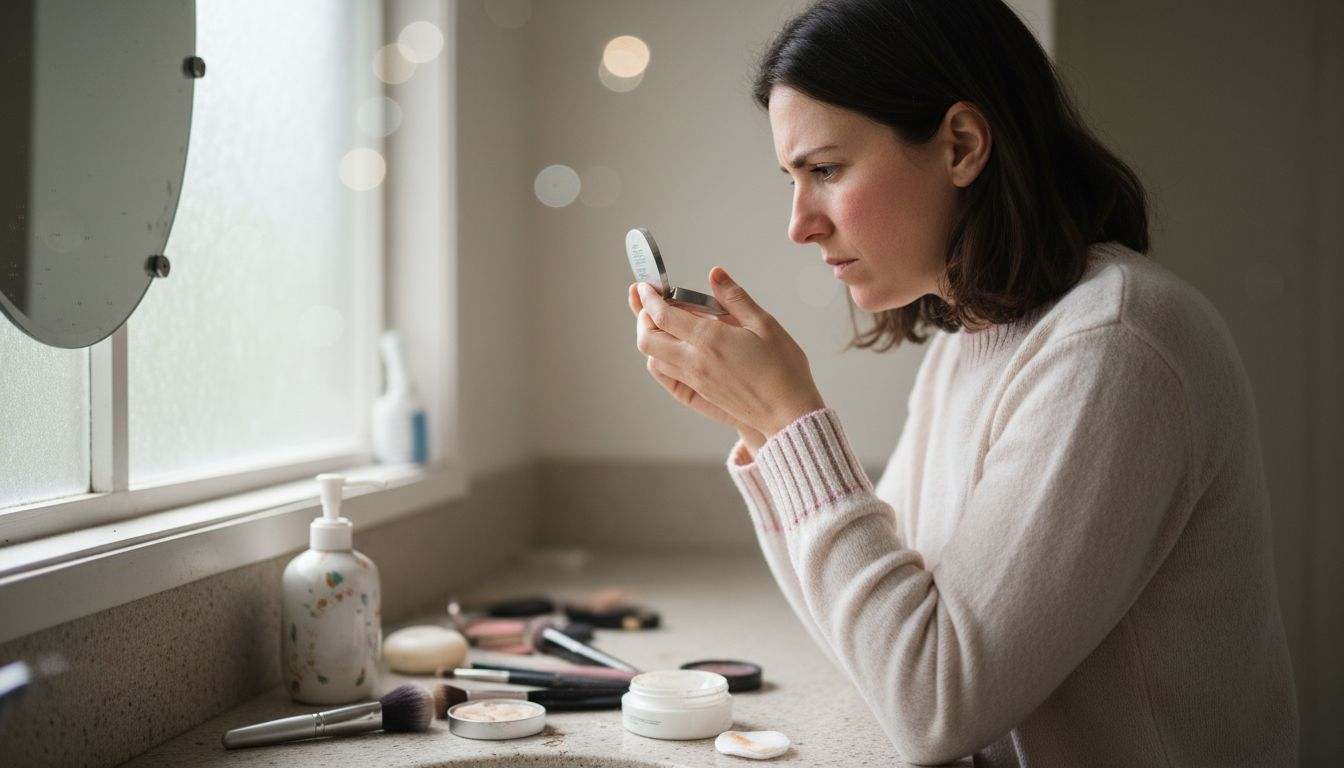
The primary concern surrounding talc centers on its potential contamination with asbestos, a known carcinogen. Non-toxic beauty alternatives have gained prominence as consumers become increasingly aware of these potential health risks. Health Canada’s comprehensive screening assessment highlights specific dangers, particularly with loose talc powders and products used in intimate areas. The potential health implications include respiratory issues, inflammatory responses, and more serious long-term health concerns.
Key risks associated with talc in conventional beauty products include:
- Potential asbestos contamination
- Respiratory system irritation
- Possible links to chronic inflammatory conditions
- Increased sensitivity for individuals with pre-existing skin conditions
- Potential cellular damage from prolonged exposure
Pro Tip - Product Screening: Always review ingredient lists carefully and prioritize cosmetic products that use transparent, natural alternatives to talc, focusing on brands committed to clean and safe beauty standards.
Navigating the complex landscape of beauty product safety requires vigilance, informed choices, and a commitment to understanding the potential long-term impacts of seemingly routine cosmetic ingredients.
Healing Alternatives: Botanical Ingredients In Focus
In the realm of sensitive skin care, botanical ingredients emerge as powerful healing alternatives that transform makeup from a mere cosmetic application to a nurturing skin experience. Scientific research from the National Center for Biotechnology Information (NCBI) reveals the profound potential of plant-based ingredients, highlighting their remarkable ability to soothe, protect, and regenerate delicate skin surfaces.
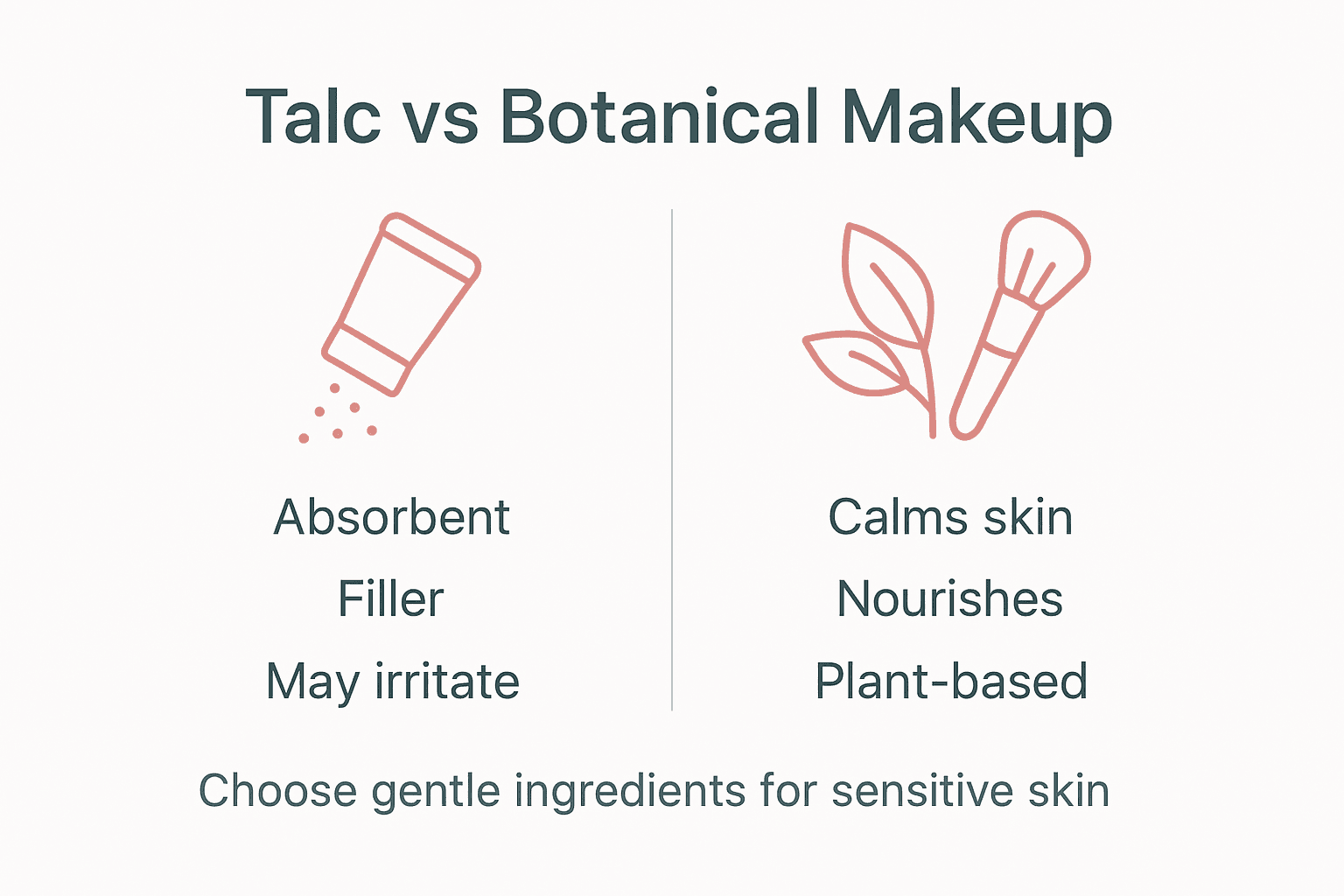
Botanical ingredients offer a multi-dimensional approach to skincare, combining aesthetic enhancement with genuine healing properties. Understanding the role of botanicals in beauty reveals a comprehensive strategy for individuals seeking makeup that supports skin health. These natural compounds provide anti-inflammatory and antioxidant benefits, creating a protective barrier that addresses the unique challenges of sensitive skin conditions.
Key botanical ingredients renowned for their healing properties include:
- Chamomile: Reduces inflammation and calms irritated skin
- Aloe Vera: Provides intense hydration and supports skin repair
- Green Tea Extract: Offers powerful antioxidant protection
- Calendula: Supports skin regeneration and reduces redness
- Lavender: Promotes skin healing and provides natural antiseptic qualities
Pro Tip - Botanical Ingredient Selection: Prioritize makeup products with transparent ingredient lists that highlight specific botanical extracts, and perform a patch test to ensure individual skin compatibility.
By embracing botanical ingredients, individuals with sensitive skin can transform their makeup routine from a potential source of irritation to a holistic healing experience that nurtures both appearance and skin health.
Here’s a comparison of talc and botanical ingredients in cosmetics for sensitive skin:
| Aspect | Talc (Conventional) | Botanical Ingredients (Alternatives) |
|---|---|---|
| Typical Function | Absorbs moisture | Soothes and repairs skin |
| Potential Health Risks | Asbestos contamination, irritation | Allergic response (rare), generally mild |
| Skin Impact | May worsen sensitivity | Supports healing and hydration |
| Regulatory Scrutiny | Recent FDA warnings | Widely accepted, often recommended |
| Common Usage | Makeup powders, blush | Natural foundation, soothing balms |
Practical Tips For Transitioning To Talc Free Makeup
Transitioning to talc-free makeup requires a thoughtful and strategic approach, especially for individuals with sensitive skin seeking healthier cosmetic alternatives. The journey involves more than simply swapping out products - it demands careful research, understanding of ingredient profiles, and a commitment to nurturing skin health through mindful beauty choices.
Successful transitions begin with comprehensive ingredient education and gradual product replacement. Choosing natural makeup for sensitive skin relief involves a systematic approach that prioritizes skin compatibility and holistic wellness. Start by thoroughly examining current makeup collections, identifying talc-containing products, and researching clean, botanical-based alternatives that offer similar performance and aesthetic qualities.
Key strategies for a smooth transition to talc-free makeup include:
- Conduct a comprehensive makeup bag audit
- Research ingredient lists meticulously
- Perform patch tests for new products
- Gradually replace products to minimize skin stress
- Consult with skincare professionals for personalized guidance
- Prioritize products with transparent ingredient sourcing
- Focus on multi-functional, skin-nourishing formulations
Pro Tip - Ingredient Transition Method: Replace one product category at a time, starting with the most frequently used items like foundation or powder, and allow your skin time to adjust to each new formulation before introducing additional changes.
Embracing talc-free makeup is a powerful act of self-care, transforming your beauty routine from a potential source of irritation to a nurturing, health-conscious experience that celebrates your skin’s natural radiance.
To assist in a successful makeup transition, review this summary of practical strategies:
| Transition Strategy | Goal | Benefit |
|---|---|---|
| Gradual Product Replacement | Avoid skin shock | Reduces new irritation risk |
| Ingredient Education | Informed selection | Identifies hidden irritants |
| Patch Testing | Safety check | Prevents adverse reactions |
| Professional Consultation | Personalized advice | Tailors products to needs |
| Focus on Multi-Function Products | Streamline routine | Minimizes product clutter |
Common Pitfalls And How To Avoid Them
Navigating the world of talc-free makeup requires a nuanced understanding of potential challenges that can derail your journey toward healthier cosmetic choices. Many individuals with sensitive skin inadvertently fall into common traps that can compromise their wellness goals, making it critical to approach the transition with awareness and strategic planning.
One of the most significant pitfalls is assuming that all “natural” or “clean” labeled products are automatically safe for sensitive skin. Eco-friendly beauty swaps for sensitive skin relief emphasize the importance of thorough ingredient investigation beyond marketing claims. Not all botanical or talc-free products are created equal, and some may still contain potential irritants that can trigger skin reactions or allergic responses.
Common pitfalls to be aware of during your talc-free makeup transition include:
- Overlooking hidden talc in complex ingredient lists
- Assuming “natural” automatically means hypoallergenic
- Rapid, wholesale replacement of all makeup products
- Neglecting patch testing new formulations
- Ignoring individual skin sensitivities
- Failing to consult skincare professionals
- Prioritizing aesthetic appeal over skin health
Pro Tip - Ingredient Detective Work: Develop a systematic approach to reading ingredient lists by using reputable online resources and allergen databases to cross-reference potentially problematic components before purchasing new makeup products.
Successful navigation of the talc-free makeup landscape requires patience, diligence, and a commitment to understanding your unique skin’s needs, transforming potential challenges into opportunities for healthier, more mindful beauty practices.
Embrace Talc Free Makeup That Truly Cares for Sensitive Skin
Navigating the world of talc free makeup can feel overwhelming, especially when your skin reacts easily or requires extra nurturing. The article highlights the challenges of irritation and hidden risks in conventional beauty products filled with talc and potential contaminants. Your goal is clear: to find makeup that supports skin health without compromising safety or your natural glow. Key concepts like hypoallergenic formulas, botanical healing ingredients, and gradual product transition resonate deeply with anyone striving to transform makeup into a ritual of care.
At Pure Light Botanical Beauty, we understand the delicate balance between beauty and wellbeing. Our clean, plant-based products are crafted to soothe, nourish, and protect sensitive skin while celebrating individuality and confidence. From our Petal Perfect Lip Oil rich in calming botanicals to the gentle Botanical Crème Blush, every item embraces nature’s healing power without talc or harmful additives. Each formula is a step toward reducing irritation and embracing a radiant, authentic you.
Discover how nurturing your skin can be part of your beauty routine today.
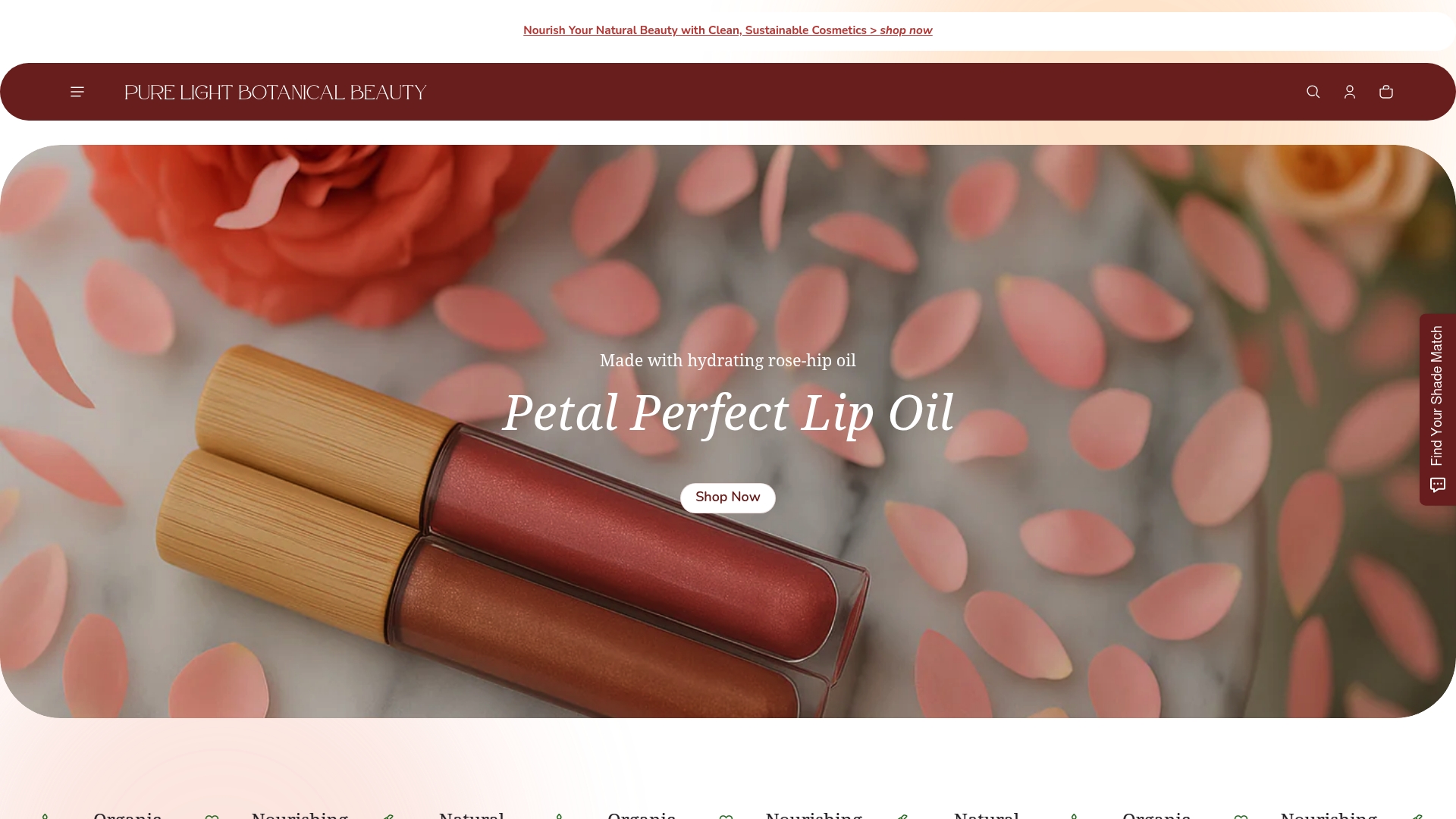
Begin your transition to talc free makeup with Pure Light Botanical Beauty now and experience the calming transformation yourself. Visit Pure Light Botanical Beauty to explore our full collection and find your skin’s new best friend.
Frequently Asked Questions
What are the benefits of using talc-free makeup for sensitive skin?
Talc-free makeup is gentler on the skin and reduces the risk of irritation and inflammation, making it ideal for individuals with sensitive skin conditions like eczema.
How can I identify talc in my makeup products?
Review the ingredient list on the product label; talc is often listed as ‘talc’ or may be disguised under names like magnesium silicate. Look for transparent ingredient lists that indicate the absence of talc.
What are some effective botanical ingredients to look for in sensitive skin makeup?
Key botanical ingredients to consider include chamomile for reducing inflammation, aloe vera for hydration, and green tea extract for antioxidant protection, all of which can help nourish and heal sensitive skin.
How should I transition to talc-free makeup without overwhelming my skin?
Begin by gradually replacing one product category at a time, starting with the most frequently used items, and perform patch tests to ensure compatibility with your skin before moving to additional products.
Recommended
- 7 Types of Natural Makeup for Sensitive, Radiant Skin – Pure Light Botanical Beauty
- Talc About It: Why Pure Light Botanical Beauty is Proudly Talc-Free
- Skin-Friendly Makeup Tips: Complete Expert Guide – Pure Light Botanical Beauty
- 7 Essential Natural Makeup Tips 2025 for Sensitive Skin – Pure Light Botanical Beauty
- Proč Používat Znecitlivující Krém: Kompletní Průvodce - TKTX Shop