

More than 40 percent of american adults say they prefer clean beauty products, yet confusion about what benefits these options truly offer remains widespread. Misinformation can lead people to waste money, suffer allergic reactions, or expect impossible results from natural skincare. By clearing up the biggest myths, you can make smarter choices that fit your actual skin needs rather than falling for popular misconceptions.
Table of Contents
- Myth 1: Clean Beauty Is Always Allergy-Free
- Myth 2: Natural Ingredients Cannot Irritate Skin
- Myth 3: Clean Beauty Products Lack Performance
- Myth 4: All Preservatives Are Harmful
- Myth 5: Clean Means 100% Chemical-Free
- Myth 6: Expensive Means Safer and Better
- Myth 7: Clean Beauty Solves All Skin Problems
Quick Summary
| Takeaway | Explanation |
|---|---|
| 1. Clean beauty isn’t always allergy-free | Natural ingredients can trigger allergic reactions like synthetic ones. Always check ingredient lists for potential allergens. |
| 2. Natural doesn’t mean irritation-free | Many natural ingredients can irritate skin. Perform patch tests to ensure compatibility before use. |
| 3. Clean beauty products can be effective | Scientific studies confirm that clean beauty can deliver powerful skincare benefits without harmful chemicals. |
| 4. Not all preservatives are harmful | Preservatives prevent product contamination; understanding their role helps ensure product safety and effectiveness. |
| 5. Price doesn’t guarantee quality | Higher costs don’t always mean better ingredients. Evaluate products based on ingredient profiles, not just price. |
1. Myth 1: Clean Beauty Is Always Allergy-Free
The assumption that clean beauty products are automatically safe for sensitive skin is a dangerous misconception that can lead to unexpected allergic reactions. While clean beauty aims to minimize harmful synthetic ingredients, natural does not always mean hypoallergenic or universally tolerable.
Contrary to popular belief, natural ingredients can be just as likely to trigger skin sensitivities as synthetic ones. In fact, research from the Harvard Health Blog highlights that ingredients like essential oils and botanical extracts frequently cause contact dermatitis in individuals with reactive skin.
Common Allergens in Clean Beauty Products:
- Essential oils
- Plant extracts
- Natural fragrances
- Botanical compounds
Just because an ingredient is derived from nature does not guarantee it will be gentle. Some people might experience more intense allergic responses to concentrated plant derivatives than to carefully formulated synthetic alternatives. A scientific study published in PubMed underscores that the absence of synthetic chemicals does not eliminate potential allergic triggers.
Proactive Steps for Sensitive Skin Seekers:
- Always patch test new products
- Read ingredient lists carefully
- Consult with a dermatologist about specific sensitivities
- Introduce new products gradually
The key is understanding that clean beauty requires the same careful approach as any skincare routine. Your unique skin chemistry matters more than marketing claims about natural ingredients. Protecting your skin means being an informed, cautious consumer who prioritizes individual tolerance over broad categorizations.
2. Myth 2: Natural Ingredients Cannot Irritate Skin
The misconception that natural ingredients are universally safe for sensitive skin is not just misleading but potentially dangerous. Many people believe that because an ingredient comes from nature, it cannot cause harm. However, this belief could not be further from the truth.
Stanford Medicine experts reveal that natural skincare products can trigger significant skin reactions. Essential oils, botanical extracts, and plant based ingredients are often overlooked sources of potential irritation. In fact, these seemingly innocent components can provoke serious allergic responses in many individuals.
Common Natural Ingredients That May Cause Skin Reactions:
- Essential oils
- Botanical extracts
- Plant based fragrances
- Pure herbal concentrates
Research indicates that naturally derived cosmetic ingredients can create both type I and type IV hypersensitivity reactions. Some individuals might experience immediate allergic responses while others develop delayed contact dermatitis. Understanding natural beauty rituals becomes crucial for managing potential skin sensitivities.
Protective Strategies for Sensitive Skin:
- Perform patch tests before full application
- Research individual ingredient risks
- Consult with dermatologists about specific sensitivities
- Introduce new products gradually
The key takeaway is simple. Natural does not automatically mean safe. Your skin is unique, and what works for one person might cause significant irritation for another. Approach natural skincare with the same caution and mindfulness you would apply to any other skincare product.
3. Myth 3: Clean Beauty Products Lack Performance
The outdated notion that clean beauty products are less effective than traditional cosmetics is rapidly becoming obsolete. Scientific research has consistently demonstrated that natural ingredients can deliver powerful skincare results that rival and sometimes surpass conventional formulations.
Numerous scientific studies validate the remarkable performance of botanical ingredients. Advantages of clean cosmetics have been extensively researched, revealing that natural compounds offer significant therapeutic benefits for skin health.
Key Performance Advantages of Clean Beauty:
- Concentrated botanical extracts
- Higher bioavailability of nutrients
- Reduced chemical interference
- More targeted skin healing properties
PubMed research highlights that specific natural ingredients can effectively address multiple skin concerns. For instance, certain plant based compounds have demonstrated anti inflammatory, antioxidant, and regenerative capabilities that synthetic ingredients struggle to match.
Scientific Validation of Natural Ingredient Performance:
- Proven antimicrobial properties
- Enhanced skin barrier protection
- Faster wound healing potential
- Reduced oxidative stress
The landscape of skincare is transforming. Clean beauty is not about compromise but about intelligent, scientifically backed formulations that respect both your skin and overall health. Modern clean beauty products combine cutting edge research with nature most potent ingredients creating solutions that are as effective as they are pure.
4. Myth 4: All Preservatives Are Harmful
The blanket statement that all preservatives are dangerous is a misguided oversimplification that could potentially put your skin health at risk. Preservatives play a critical role in protecting cosmetic products from harmful microbial growth that can lead to serious contamination.
Harvard Health researchers emphasize that preservatives are not villains but necessary guardians of product safety. Advantages of clean cosmetics demonstrate that the key lies in selecting the right types of preservatives that balance safety and effectiveness.
Why Preservatives Matter:
- Prevent bacterial growth
- Stop fungal contamination
- Extend product shelf life
- Protect consumer health
Scientific research reveals that not all preservatives are created equal. Some natural and synthetic preservatives have been thoroughly tested and proven safe for skincare applications. The goal is identifying preservatives that maintain product integrity without compromising skin health.
Safe Preservative Considerations:
- Minimal effective concentration
- Scientifically validated safety profiles
- Low skin irritation potential
- Natural origin alternatives
Informed consumers understand that the absence of preservatives can be more dangerous than their presence. A product without proper preservation can become a breeding ground for harmful bacteria potentially causing skin infections or allergic reactions. The smart approach is to understand preservatives rather than fear them entirely.
5. Myth 5: Clean Means 100% Chemical-Free
The notion that clean beauty products are completely chemical-free is a fundamental misunderstanding of basic chemistry. Every single substance in our world is technically a chemical compound, including water, plant extracts, and natural ingredients.
Clean beauty terminology reveals that the term actually refers to products free from potentially harmful synthetic chemicals, not an absence of all chemical substances. Harvard Health researchers emphasize that the phrase chemical-free is scientifically impossible and misleading.
What Clean Beauty Actually Means:
- Avoiding toxic synthetic chemicals
- Prioritizing safe ingredient sourcing
- Minimizing potential skin irritants
- Focusing on natural ingredient quality
Natural ingredients like essential oils, botanical extracts, and plant based compounds are chemical substances with complex molecular structures. They are not magically exempt from being chemicals simply because they originate from nature.
Key Chemical Considerations:
- Water is a chemical compound
- Plant extracts have molecular structures
- Natural does not mean chemical-free
- Synthetic does not automatically mean harmful
Informed consumers understand that the goal of clean beauty is not to eliminate all chemicals but to choose products with ingredients that are safe, responsibly sourced, and beneficial for skin health. The conversation should focus on ingredient quality and potential impact rather than perpetuating the myth of being completely chemical-free.
6. Myth 6: Expensive Means Safer and Better
The belief that higher price tags automatically translate to superior skincare is a misconception that can lead consumers to waste money while potentially compromising their skin health. Scientific research consistently demonstrates that product safety and effectiveness are not determined by cost.
Stanford Medicine experts emphasize that understanding clean cosmetics requires looking beyond price point and examining ingredient lists carefully. An expensive product is not inherently safer or more effective than an affordable alternative.
Price Does Not Guarantee Quality:
- High cost does not equal better ingredients
- Expensive packaging often inflates price
- Marketing drives pricing more than formulation
- Affordable products can be equally effective
Research reveals that both luxury and budget friendly clean beauty products can contain potential irritants. The key is understanding ingredient profiles rather than relying on price as a proxy for quality or safety.
Smart Shopping Strategies:
- Read ingredient lists thoroughly
- Research individual ingredient benefits
- Look for scientifically backed formulations
- Prioritize ingredient quality over brand prestige
Informed consumers recognize that true skincare excellence comes from thoughtful formulation, responsible ingredient sourcing, and understanding individual skin needs not from a premium price tag. Your skin deserves intelligent care based on science not marketing hype.
7. Myth 7: Clean Beauty Solves All Skin Problems
The magical thinking that clean beauty products are universal miracle solutions for every skin concern is a dangerous oversimplification that can lead to unrealistic expectations and potential disappointment. Natural ingredients, while powerful, are not universal panaceas that automatically resolve complex skin conditions.
Types of clean beauty for sensitive skin demonstrate that individual skin responses vary dramatically. Scientific research consistently shows that botanical ingredients offer specific benefits but cannot solve every dermatological challenge.
Realistic Clean Beauty Expectations:
- Natural ingredients have targeted benefits
- Individual skin responses differ
- No single product works for everyone
- Comprehensive skin health requires holistic approach
Research from multiple dermatological studies emphasizes that skin health is multifaceted. Factors like genetics, lifestyle, diet, stress levels and environmental conditions play significant roles beyond topical product applications.
Smart Skincare Strategy:
- Understand your unique skin profile
- Consult professional dermatologists
- Recognize product limitations
- Develop personalized skincare routine
True skin wellness emerges from a comprehensive approach that combines thoughtful product selection, professional guidance, nutrition and overall health management. Clean beauty is a valuable tool in your skincare arsenal not a magical cure all solution.
Below is a comprehensive table summarizing the main myths and facts about clean beauty as discussed throughout the article.
| Myth | Reality | Key Considerations |
|---|---|---|
| Clean beauty is allergy-free | Natural ingredients can cause allergic reactions | Always patch test and consult with a dermatologist |
| Natural ingredients do not irritate skin | Natural ingredients can provoke significant skin reactions | Perform patch tests and research ingredients |
| Clean beauty products lack performance | Botanical ingredients offer powerful skincare benefits | Natural compounds can enhance skin health |
| All preservatives are harmful | Preservatives prevent harmful microbial growth | Use scientifically validated safe preservatives |
| Clean means 100% chemical-free | All substances, including natural ones, are chemicals | Prioritize safe, responsibly sourced ingredients |
| Expensive means safer and better | Price does not guarantee quality or effectiveness | Focus on ingredient quality over price |
| Clean beauty solves all skin problems | Not universal solutions for all skin concerns | Consider comprehensive skincare approaches |
Discover True Clean Beauty Tailored for Sensitive Skin
Navigating the confusing world of clean beauty myths can leave anyone feeling overwhelmed, especially if you have sensitive skin. This article reveals the truth behind common misconceptions like assuming natural always means safe or that expensive equals better. At Pure Light Botanical Beauty, we understand those key concerns and provide clean cosmetics that are carefully crafted to nurture and protect delicate skin without compromising on performance or safety. Our commitment to transparency and scientifically backed plant-based ingredients means you no longer need to guess what is truly gentle and effective for your skin.
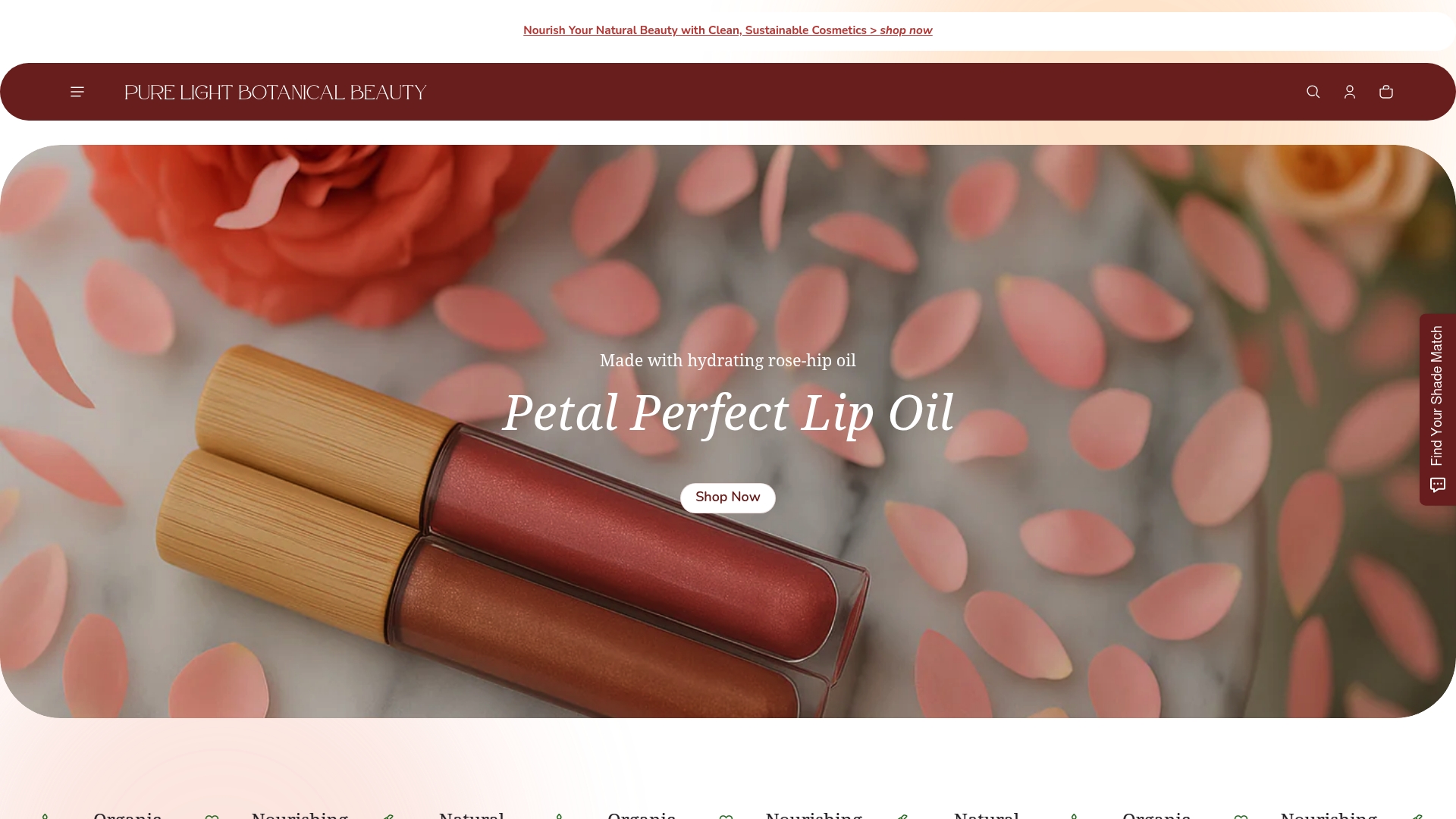
Explore our thoughtfully designed product line that addresses the unique needs of sensitive skin while embracing the powerful benefits of botanicals. Take the next step toward radiant, balanced skin by visiting Pure Light Botanical Beauty and learn more about how our formulations can be your trusted ritual. Empower yourself with clean beauty that respects your skin’s individuality and helps you glow from within today.
Frequently Asked Questions
What should I do if I have sensitive skin but want to try clean beauty products?
Clean beauty products can still irritate sensitive skin, so start by performing a patch test before full application. Apply a small amount of the product to a hidden area of skin and monitor for any reactions over 24 hours.
How can I identify potential allergens in clean beauty products?
Always read ingredient lists carefully to identify common allergens like essential oils and natural fragrances. Make a habit of researching the specific ingredients in a product to better understand their effects on your skin.
Is it necessary to consult a dermatologist before using clean beauty products?
Yes, it’s a good idea to consult a dermatologist, especially if you have known skin sensitivities. They can provide personalized advice and help you identify which ingredients to avoid based on your unique skin profile.
What are effective strategies for incorporating clean beauty into my skincare routine?
Introduce new clean beauty products gradually to your routine to monitor their effects on your skin. Consider starting with one product at a time and keeping track of any changes in your skin condition over 30 days.
How do I manage unrealistic expectations about clean beauty?
To manage expectations, understand that not every product will work for your skin type. Set realistic goals and recognize that achieving skin wellness involves a holistic approach that combines proper product use, diet, and lifestyle changes.
Can expensive clean beauty products really be better for my skin?
Higher price tags do not guarantee better quality or safety in clean beauty products. Focus on reading ingredient lists and researching formulations instead of relying solely on price as an indicator of effectiveness.
Recommended
- 7 Types of Clean Beauty for Sensitive Skin Relief – Pure Light Botanical Beauty
- 7 Non-Toxic Beauty Must-Haves for Sensitive Skin Relief – Pure Light Botanical Beauty
- How to Choose Clean Beauty for Sensitive Skin Relief – Pure Light Botanical Beauty
- 7 Essential Clean Beauty Trends 2025 for Sensitive Skin – Pure Light Botanical Beauty
- Professional Skincare: Everything You Need to Know
- Types of Cosmetic Ingredients: Complete Guide – Luméra Cosmetica