

Finding makeup that enhances your natural beauty without triggering irritation requires a thoughtful approach. When you have sensitive skin or eczema, selecting natural makeup involves prioritizing non-irritating ingredients, hypoallergenic formulations, and skin-soothing botanicals to avoid flare-ups. This guide provides a clear framework to evaluate natural makeup options, explores top products designed specifically for delicate skin, and helps you match solutions to your unique needs. You’ll discover how the right natural makeup can transform your self-care ritual while nurturing skin health from the outside in.
Table of Contents
- How To Evaluate Natural Makeup For Sensitive Skin
- Top Natural Makeup Products For Sensitive Skin In 2026
- Comparison Of Best Natural Makeup Products For Sensitive Skin
- Choosing The Best Natural Makeup For Your Sensitive Skin Needs
- Discover Your Perfect Natural Makeup At Pure Light Botanical Beauty
Key takeaways
| Point | Details |
|---|---|
| Establish safety criteria | Prioritize hypoallergenic formulas with botanical ingredients like chamomile and calendula that calm rather than irritate. |
| Explore top products | Discover mineral foundations, cream blushes, and hydrating lip treatments formulated specifically for sensitive skin needs. |
| Compare benefits | Use side-by-side product comparisons to match coverage levels, ingredient profiles, and skin condition suitability. |
| Apply expert tips | Incorporate patch testing, gradual introduction, and layering techniques to optimize comfort and radiance. |
How to evaluate natural makeup for sensitive skin
Choosing makeup for sensitive or eczema-prone skin starts with understanding which ingredients support healing and which trigger reactions. Your skin deserves products that work with its natural barrier, not against it.
Start by avoiding common irritants that appear in conventional cosmetics. Synthetic fragrances, parabens, sulfates, and drying alcohols frequently cause redness, itching, and inflammation. Instead, seek formulas clearly labeled as hypoallergenic and dermatologist tested. These designations indicate the product has undergone safety evaluations specifically for reactive skin types.
Prioritize botanical ingredients known for their soothing properties:
- Chamomile extract reduces inflammation and calms irritated skin
- Aloe vera provides deep hydration while supporting skin barrier repair
- Calendula offers gentle antiseptic properties that protect sensitive areas
- Rosehip oil delivers essential fatty acids that nourish without clogging pores
- Green tea extract provides antioxidant protection against environmental stressors
Product certifications matter when evaluating natural makeup quality. Look for organic certification, which ensures ingredients meet strict standards for purity and sourcing. Cruelty-free and vegan labels indicate ethical practices that often correlate with gentler formulations. These certifications provide an additional layer of confidence that the brand prioritizes both your skin health and responsible manufacturing.
Patch testing remains your most powerful tool for preventing adverse reactions. Apply a small amount of new product to your inner forearm or behind your ear, then wait 24 to 48 hours. This simple step reveals potential sensitivities before you apply makeup to your entire face, saving you from uncomfortable flare-ups.
Pro Tip: Keep a beauty journal documenting which products work well and which cause reactions. Over time, you’ll identify patterns in ingredients that suit your unique skin chemistry, making future purchases more confident and successful.
Top natural makeup products for sensitive skin in 2026
The natural beauty market has evolved dramatically, offering sophisticated formulations that rival conventional makeup in performance while maintaining ingredient integrity. This list includes foundations, tinted moisturizers, blushes, and lip balms formulated with botanical ingredients gentle on sensitive skin.
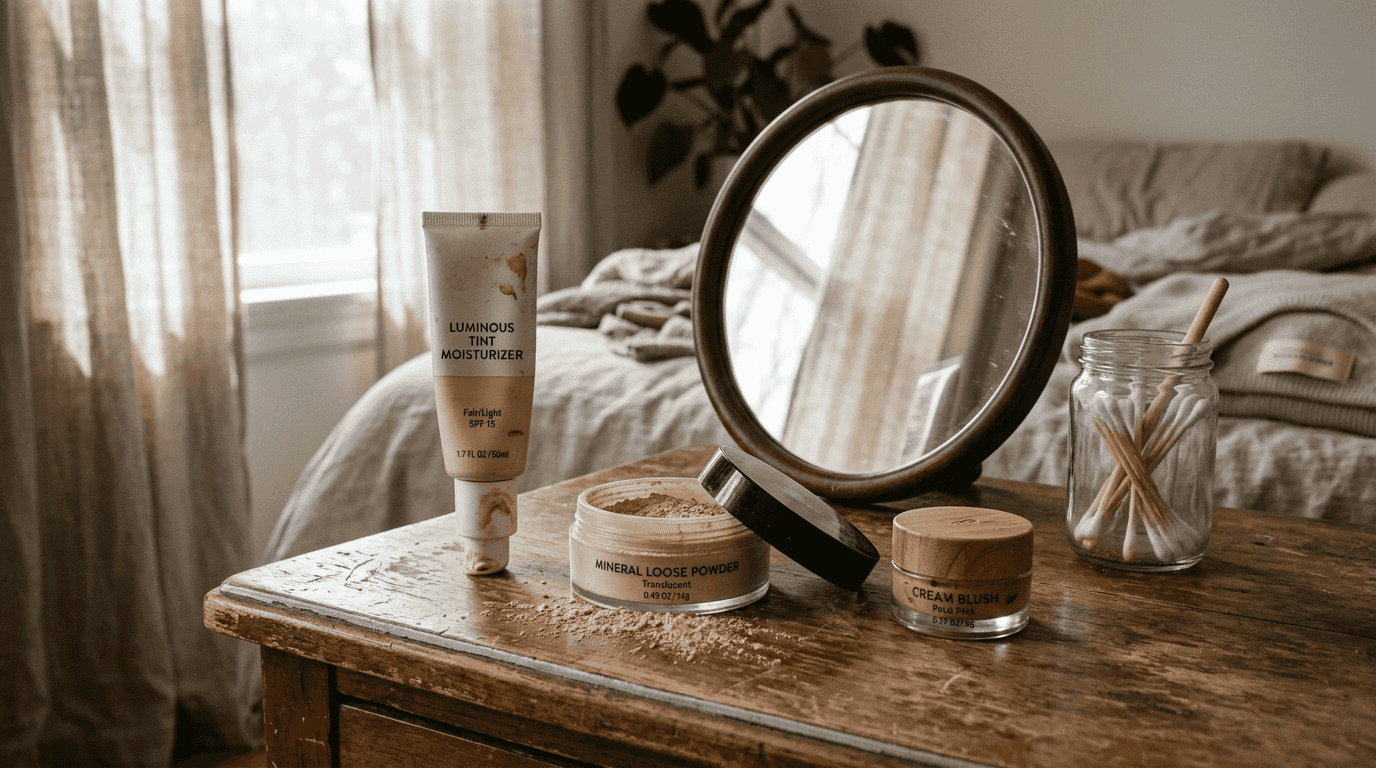
Tinted moisturizers with mineral SPF have become essential for sensitive skin routines. These multitasking products provide sheer to light coverage while protecting against UV damage, a common eczema trigger. Look for formulas containing zinc oxide or titanium dioxide, which sit on the skin’s surface rather than absorbing into it. Many now include hyaluronic acid and vitamin E to maintain hydration throughout the day.
Mineral-based foundations offer buildable coverage without the heavy feel of traditional makeup. These products use finely milled minerals like mica and iron oxides to create a natural finish that allows skin to breathe. The best formulations for sensitive skin skip talc and bismuth oxychloride, two common mineral makeup ingredients that can cause irritation. Instead, they incorporate silica and rice powder for a smooth, comfortable application.
Cream blushes enriched with healing oils represent a breakthrough for sensitive skin. Unlike powder formulas that can emphasize dry patches, cream blushes blend seamlessly while delivering skin-nourishing ingredients. Jojoba oil, shea butter, and plant waxes create a dewy finish that mimics natural radiance. These products often double as lip tints, simplifying your routine while maintaining ingredient safety across multiple uses.
Hydrating lip balms and treatments made from natural waxes and butters protect one of the most vulnerable areas on your face. Candelilla wax, cocoa butter, and coconut oil create a protective barrier that locks in moisture without synthetic sealants. Many formulas now include vitamin C and rosehip oil to address hyperpigmentation and fine lines while keeping lips soft and comfortable.
Mascara and eyeliners free from harsh chemicals complete a sensitive skin makeup collection:
- Plant-based mascaras using carnauba wax and natural fibers
- Gel eyeliners with chamomile and aloe for the delicate eye area
- Brow products containing castor oil to condition while defining
- Eye shadow sticks with coconut oil bases for crease-free wear
Comparison of best natural makeup products for sensitive skin
Understanding how products stack up against each other helps you make informed decisions aligned with your specific needs. Comparing these products side-by-side helps highlight differences in coverage, ingredient profiles, and user suitability for sensitive skin.
| Product Type | Key Ingredients | Coverage Level | Best For | Price Range |
|---|---|---|---|---|
| Mineral Foundation | Zinc oxide, mica, silica | Medium to full | Acne-prone, eczema | $$ to $$$ |
| Tinted Moisturizer | Aloe, hyaluronic acid, SPF | Sheer to light | Daily wear, sun protection | $ to $$ |
| Cream Blush | Jojoba oil, shea butter | Buildable | Dry skin, natural glow | $ to $$ |
| Lip Treatment | Candelilla wax, rosehip oil | Sheer tint | Chapped lips, healing | $ |
| Natural Mascara | Carnauba wax, plant fibers | Lengthening | Sensitive eyes | $$ |
Products offering extra hydration work particularly well for eczema-prone skin. Tinted moisturizers and cream blushes deliver moisture alongside color, preventing the tightness and flaking that powder formulas can cause. If your skin tends toward dryness, prioritize products with oil-based formulations over water-based alternatives.
Coverage and finish options vary significantly across natural makeup categories. Mineral foundations provide the most coverage, making them ideal for concealing redness or uneven tone. Tinted moisturizers offer a barely-there feel perfect for daily errands or video calls. Cream products create a dewy, luminous finish that photographs beautifully and looks naturally radiant in person.
Budget considerations shouldn’t compromise skin safety. Entry-level natural makeup options at $10 to $20 often perform as well as premium products at $40 or more. The key difference usually lies in packaging and brand positioning rather than ingredient quality. Start with affordable options to test compatibility before investing in full-size luxury products.
Pro Tip: Layer products strategically to maximize comfort and longevity. Apply tinted moisturizer as your base, add cream blush to apples of cheeks, then set with a light dusting of translucent mineral powder only in areas that need it. This technique provides coverage where you want it while keeping skin feeling breathable and nourished.
Choosing the best natural makeup for your sensitive skin needs
Applying evaluation criteria and product knowledge to your personal situation ensures you select makeup that truly serves your skin and lifestyle. Personal skin sensitivity, desired coverage, and preference for texture all influence the best natural makeup choice for an individual.
-
Assess your specific skin sensitivities by reviewing past reactions and identifying trigger ingredients. Create a list of ingredients you know cause problems, then cross-reference product labels before purchasing. If you have eczema, pay special attention to products containing colloidal oatmeal or ceramides, which actively support skin barrier repair.
-
Decide on your preferred coverage level and finish based on your daily activities and comfort zone. If you work from home or prefer minimal makeup, a tinted moisturizer with cream blush might be your complete routine. For professional settings or special occasions, buildable mineral foundation offers more coverage while maintaining skin-friendly benefits.
-
Introduce natural makeup gradually through systematic patch testing and single-product trials. Replace one conventional product at a time rather than switching your entire routine overnight. This approach helps you identify which specific products work best and prevents overwhelming your skin with too many new ingredients simultaneously.
-
Incorporate ritualistic self-care practices that support overall skin health alongside your makeup routine. Gentle cleansing with oil-based removers, regular moisturizing with ceramide-rich creams, and weekly hydrating masks create a foundation for makeup to perform its best. When your skin feels healthy and balanced, even minimal makeup enhances your natural beauty dramatically.
-
Embrace your natural beauty with confidence by viewing makeup as enhancement rather than concealment. Natural makeup celebrates your unique features while providing the gentle support sensitive skin requires. The right products allow your authentic radiance to shine through, creating a look that feels as good as it appears.
Your makeup choices become part of your self-care practice when they align with your skin’s needs and your personal values. Products that nurture while beautifying transform daily routines into moments of intentional self-love.
Discover your perfect natural makeup at Pure Light Botanical Beauty
Your journey to radiant, comfortable skin deserves products crafted with intention and care. Pure Light Botanical Beauty offers a thoughtfully curated collection of natural makeup designed specifically for sensitive skin. Each formula blends botanical wisdom with modern performance, creating products that enhance your beauty while actively supporting skin health.
Explore cream blushes infused with healing plant oils, nourishing lipsticks that condition as they color, and gentle formulations that transform your makeup routine into a healing ritual. Every product reflects a commitment to clean ingredients and authentic beauty that radiates from within. Discover makeup that feels as nurturing as it looks luminous.
FAQ
What ingredients should I avoid in natural makeup if I have sensitive skin?
Avoid synthetic fragrances, which are among the most common irritants for reactive skin types. Parabens, sulfates, and drying alcohols like denatured alcohol also frequently trigger redness and inflammation. Additionally, steer clear of formaldehyde-releasing preservatives and artificial dyes, which offer no skin benefit and increase irritation risk.
How can I safely test new natural makeup products on my sensitive skin?
Apply a small amount of product to your inner forearm or behind your ear, areas where skin is delicate but reactions won’t affect your face. Wait 24 to 48 hours while monitoring for redness, itching, or bumps. If no reaction occurs, test the product on a small area of your face before full application. This methodical approach prevents widespread reactions and builds confidence in new products.
Are mineral makeup and natural makeup the same for sensitive skin?
Mineral makeup uses naturally occurring minerals like zinc oxide and mica as primary ingredients but may include synthetic binders or preservatives. Natural makeup emphasizes organic, plant-based ingredients throughout the entire formulation, often avoiding synthetic additives altogether. Both can suit sensitive skin, but natural makeup typically offers additional botanical benefits like soothing and healing properties that mineral-only formulas lack.
Can natural makeup help improve sensitive skin conditions over time?
Natural makeup formulated with skin-nourishing botanicals can reduce irritation and support your skin’s protective barrier when used consistently. Ingredients like chamomile, calendula, and rosehip oil provide anti-inflammatory and healing benefits with each application. While makeup alone won’t cure conditions like eczema, choosing products that nurture rather than stress your skin contributes to overall improvement. Combined with a gentle skincare routine, natural makeup becomes part of a holistic approach to healthier, more resilient skin.
Recommended
- 7 Essential Natural Makeup Tips 2025 for Sensitive Skin – Pure Light Botanical Beauty
- 7 Types of Natural Makeup for Sensitive, Radiant Skin – Pure Light Botanical Beauty
- Best moisturizer for sensitive skin in 2026: natural options – Pure Light Botanical Beauty
- Natural skincare routine for sensitive skin in 2026 – Pure Light Botanical Beauty