

Finding a moisturizer that truly heals sensitive, eczema-prone skin without triggering flare-ups feels overwhelming. You want clean, plant-based ingredients that strengthen your skin barrier and calm inflammation naturally, not synthetic chemicals that promise quick fixes but leave you worse off. This guide walks you through the criteria for choosing effective natural moisturizers, reviews the top five options backed by clinical data, compares their features and benefits, and helps you decide which one fits your unique skin needs perfectly.
Table of Contents
- How To Choose The Best Moisturizer For Sensitive Skin
- Top 5 Natural Moisturizers For Sensitive And Eczema-Prone Skin In 2026
- Comparing The Best Natural Moisturizers: Features, Benefits, And Clinical Data
- Deciding The Best Moisturizer For Your Sensitive Skin Needs
- Explore Pure Light Botanical Beauty For Sensitive Skin
Key takeaways
| Point | Details |
|---|---|
| Selection criteria | Choose moisturizers with anti-inflammatory phytochemicals, barrier-repairing botanicals, and clinical evidence of hydration improvement. |
| Top natural options | Herbal emollients featuring indigo naturalis, ginger, and cannabidiol show significant eczema relief with fewer side effects than synthetic alternatives. |
| Clinical comparison | Natural moisturizers improve filaggrin, hyaluronic acid, and lipid levels while reducing transepidermal water loss over 4-6 weeks. |
| Personal decision factors | Evaluate flare-up frequency, ingredient sensitivity, texture preferences, and long-term skin barrier health goals before choosing. |
How to choose the best moisturizer for sensitive skin
Selecting a moisturizer for sensitive, eczema-prone skin requires looking beyond marketing claims to understand what your skin actually needs. Your barrier function is compromised, making you vulnerable to irritants, allergens, and moisture loss. The right moisturizer rebuilds this protective shield while calming inflammation at the source.
Start by prioritizing natural, plant-based ingredients with clinical evidence. Phytochemicals offer anti-inflammatory and antioxidant properties that soothe reactive skin without the harsh side effects of synthetic chemicals. Look for botanical emollients, humectants like hyaluronic acid, and ceramides that restore lipid balance. These components work together to improve hydration retention and reduce the transepidermal water loss that worsens eczema symptoms.
Avoid common irritants that trigger flare-ups. Skip moisturizers containing synthetic fragrances, parabens, sulfates, and alcohol. Even natural essential oils can irritate highly sensitive skin, so test cautiously. Read ingredient lists carefully and choose formulas designed specifically for compromised skin barriers.
Focus on moisturizers proven to improve specific skin health markers. Clinical studies should demonstrate increases in filaggrin (a key protein in barrier function), hyaluronic acid (for deep hydration), and natural lipids (ceramides, cholesterol, fatty acids). These improvements translate to real relief from itching, redness, and dryness.
Pro Tip: Layer your moisturizer with botanical oils for enhanced barrier repair. Apply your moisturizer to damp skin, then seal it with a few drops of anti-inflammatory oil like calendula or chamomile for deeper nourishment and protection.
Key criteria checklist for sensitive skin moisturizers:
- Clinical evidence of barrier repair and hydration improvement
- Natural phytochemicals with anti-inflammatory properties
- Free from synthetic fragrances, parabens, and harsh preservatives
- Proven reduction in transepidermal water loss
- Support for filaggrin, hyaluronic acid, and lipid production
With these criteria established, you’re ready to explore specific moisturizers that meet these standards and deliver genuine healing benefits for sensitive, eczema-prone skin.
Top 5 natural moisturizers for sensitive and eczema-prone skin in 2026
These five natural moisturizers stand out for their clinical efficacy, clean ingredient profiles, and specific benefits for women managing sensitive skin and eczema. Each option addresses barrier dysfunction and inflammation through plant-based phytochemicals rather than synthetic chemicals.
1. Lindioil ointment (indigo naturalis oil extract)
Lindioil significantly reduces eczema severity over six weeks of consistent use. This concentrated oil extract delivers powerful anti-inflammatory compounds directly to compromised skin. It works especially well for moderate to severe eczema by calming redness, reducing scaling, and improving overall skin texture. The ointment format provides occlusive protection that locks in moisture overnight.

2. Herbal emollient cream with ginger and cannabidiol
This formulation reduces itch intensity by over 50% while improving skin hydration and barrier function. Ginger brings anti-inflammatory and antioxidant benefits, while cannabidiol calms nerve responses that trigger scratching. The cream texture absorbs quickly without greasiness, making it ideal for daytime use under makeup or alone.
3. Natural moisturizing factor lipids-based cream
This sophisticated formula mimics your skin’s natural barrier composition with ceramides, cholesterol, and fatty acids in optimal ratios. It restores the protective lipid layer that eczema disrupts, improving water retention and resilience. Perfect for daily maintenance and prevention of flare-ups in sensitive skin types.
4. Phytochemical-rich botanical cream
Combining multiple plant extracts known for skin-soothing properties, this cream delivers broad-spectrum antioxidant and anti-inflammatory benefits. Ingredients like calendula, chamomile, and licorice root work synergistically to reduce reactivity and support healing. The gentle formulation suits even the most reactive skin.
5. Herbal oil blend for barrier repair
A carefully balanced blend of soothing plant oils including evening primrose, borage, and sea buckthorn. Rich in omega fatty acids and vitamin E, this oil deeply nourishes compromised barriers. Use it as a final layer over your moisturizer or mix a few drops directly into your cream for customized richness.
These options represent the best of plant-based skincare for sensitive, eczema-prone skin. Each brings unique strengths, but all share a commitment to healing through natural, clinically supported ingredients.
Comparing the best natural moisturizers: features, benefits, and clinical data
Understanding how these moisturizers perform helps you choose the right match for your skin’s specific needs. This comparison highlights clinical improvements, key ingredients, and user outcomes across the top options.
| Moisturizer | Clinical improvements | Key ingredients | Texture & absorption | Best for |
|---|---|---|---|---|
| Lindioil ointment | Reduces eczema severity scores significantly over 6 weeks | Indigo naturalis oil extract | Rich, occlusive ointment | Moderate to severe eczema, overnight repair |
| Ginger-cannabidiol cream | 50%+ reduction in itch intensity, improved hydration | Ginger extract, cannabidiol, botanical emollients | Lightweight cream, quick absorption | Daily itch relief, daytime use |
| NMF lipids cream | Improved filaggrin, hyaluronic acid, and lipid markers over 4 weeks | Ceramides, cholesterol, fatty acids | Medium-weight cream, smooth finish | Barrier restoration, preventive care |
| Phytochemical botanical cream | Reduced inflammation markers, antioxidant protection | Calendula, chamomile, licorice root | Silky cream, moderate absorption | Reactive skin, redness reduction |
| Herbal oil blend | Enhanced barrier function, reduced water loss | Evening primrose, borage, sea buckthorn oils | Nourishing oil, slow absorption | Extra nourishment, layering |
The natural moisturizing factor lipids-based cream stands out for comprehensive barrier repair with measurable improvements in key skin health markers. It addresses the root causes of eczema by restoring the lipid matrix that protects against irritants and moisture loss. This makes it ideal for long-term management and prevention.
For immediate symptom relief, the ginger-cannabidiol herbal emollient excels at calming itch and inflammation quickly. Its lighter texture works well under makeup or during humid weather when heavier formulas feel uncomfortable. The significant itch reduction translates to less scratching damage and faster healing.
Lindioil ointment offers the most intensive treatment for active flare-ups. Its occlusive nature suits nighttime application when your skin can fully absorb the concentrated phytochemicals without interference. Use it during severe episodes, then maintain results with lighter daily moisturizers.
Pro Tip: Layer these moisturizers strategically for maximum benefit. Apply your lightweight herbal cream first for anti-inflammatory action, then seal it with a few drops of botanical oil blend. Finish with an occlusive ointment on extra-dry patches or overnight for intensive repair.
All these options minimize reliance on corticosteroids by addressing inflammation and barrier dysfunction naturally. They support your skin’s innate healing capacity rather than suppressing symptoms temporarily. This approach builds long-term resilience and reduces the cycle of flare-ups that conventional treatments often perpetuate.
Choosing between them depends on your current skin state, lifestyle needs, and personal preferences around texture and application. The comparison reveals that non-toxic beauty solutions can deliver clinical results matching or exceeding synthetic alternatives.
Deciding the best moisturizer for your sensitive skin needs
Your ideal moisturizer depends on several personal factors beyond general effectiveness. Matching the right product to your specific situation ensures consistent results and sustainable skin health improvement.
Evaluate your current skin condition honestly. How frequent are your flare-ups? Does your skin feel constantly tight and dry, or do you experience periodic eczema outbreaks? For chronic, severe eczema with frequent inflammation, start with intensive options like Lindioil ointment to calm active symptoms. Once controlled, transition to maintenance moisturizers that prevent recurrence.
Consider your ingredient sensitivities and preferences. Some people react to specific botanical extracts despite their natural origin. If you know certain plant families trigger your skin, avoid them even in otherwise excellent formulas. Test new products on a small patch before full application. Choose unscented or naturally scented options if fragrance compounds irritate you.
Think about texture preferences and lifestyle compatibility. Do you need something that absorbs quickly for morning routines, or can you use richer formulas overnight? Women who wear makeup daily benefit from lightweight creams that layer well under cosmetics. Those focusing on intensive repair might prefer heavier ointments applied before bed.
Phytochemicals reduce both local and systemic side effects compared to corticosteroids and biologics, making them safer for long-term sensitive skin management.
Your decision-making framework:
- Assess your eczema severity and flare-up frequency to determine treatment intensity needed
- Identify any known ingredient sensitivities or allergies that limit your options
- Match moisturizer texture and absorption rate to your daily routine and climate
- Consider complementary products like botanical oils that enhance your moisturizer’s effectiveness
- Commit to consistent use for at least 4-6 weeks before evaluating results
Balance immediate symptom relief with long-term barrier health. The most effective approach often combines acute treatment during flare-ups with preventive maintenance during calm periods. This dual strategy reduces overall inflammation while strengthening your skin’s natural defenses.
Prioritize barrier repair and gentle hydration daily, regardless of which specific moisturizer you choose. Consistent application matters more than finding one perfect product. Your skin responds to regular nourishment and protection, gradually becoming more resilient and less reactive over time.
Expert recommendation focuses on formulas that improve measurable barrier markers like filaggrin and ceramides while delivering symptomatic relief. These skin-soothing strategies create lasting change rather than temporary comfort. Trust your skin’s feedback as you experiment, and give each product adequate time to demonstrate its full benefits.
Explore Pure Light Botanical Beauty for sensitive skin
Now that you understand what makes a moisturizer truly effective for sensitive, eczema-prone skin, discovering products that embody these principles becomes your next step. Pure Light Botanical Beauty creates clean, plant-based skincare specifically formulated to support skin healing from within.
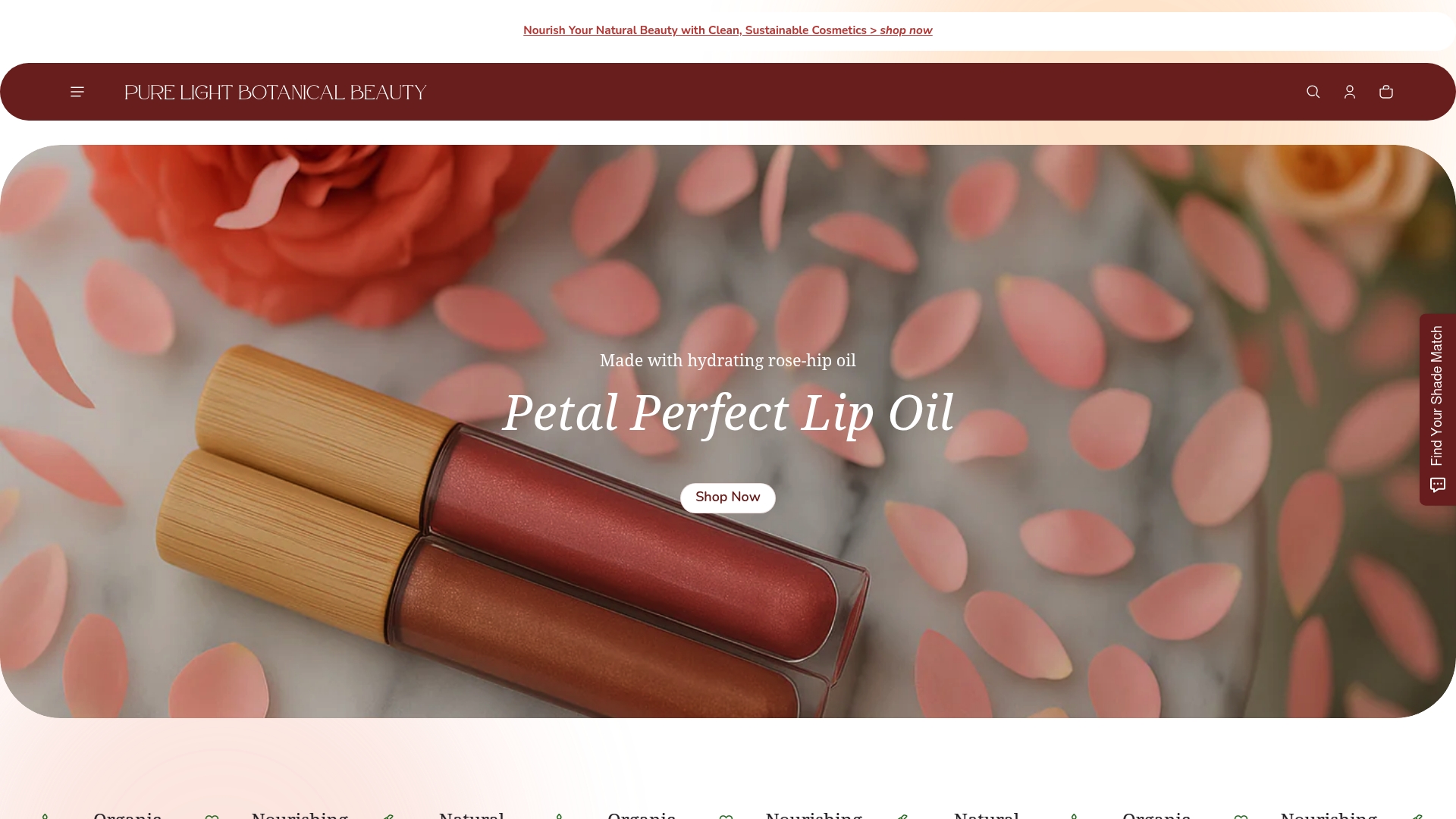
Every product combines herbal emollients and phytochemicals backed by the clinical research you’ve learned about here. The formulas prioritize barrier repair, anti-inflammatory action, and long-term skin health over quick cosmetic fixes. You’ll find the same commitment to natural ingredients and gentle effectiveness that defines the best moisturizers for sensitive skin. Whether you need intensive eczema support or daily maintenance for reactive skin, these thoughtfully crafted solutions meet you exactly where you are on your healing journey.
FAQ
What is the best moisturizer for eczema-prone sensitive skin?
Natural moisturizers containing anti-inflammatory phytochemicals, barrier-repairing lipids, and botanical emollients work best for eczema-prone sensitive skin. Look for formulas with ingredients like indigo naturalis, ginger extract, or natural moisturizing factors that improve filaggrin and ceramide levels. These options reduce flare-ups while strengthening your skin barrier naturally.
Are herbal moisturizers safer than synthetic ones for sensitive skin?
Herbal preparations have fewer side effects than synthetic options while delivering comparable or superior results. They offer antioxidant, anti-inflammatory, and antibacterial benefits naturally without the harsh chemicals that trigger reactions in sensitive skin. Clinical studies confirm their safety for long-term use.
How long does it take to see results from natural moisturizers?
Progressive improvements in hydration and barrier markers typically appear within 4-6 weeks of consistent use. You may notice immediate comfort from reduced dryness and itching, but deeper barrier repair takes time. Stick with your chosen moisturizer for at least one month before evaluating its full effectiveness on your sensitive skin.
Can botanical oils be used alongside moisturizers for sensitive skin?
Botanical oils complement moisturizers beautifully by providing extra nourishment and sealing in hydration. They contain anti-inflammatory and soothing properties that enhance your moisturizer’s benefits. Apply your cream first, then add a few drops of gentle botanical oil to lock in moisture and boost barrier repair for sensitive, eczema-prone skin.
Recommended
- Best plant-based lip balm for sensitive skin in 2026 – Pure Light Botanical Beauty
- Best tinted lip balm 2026: 40% less allergy risk – Pure Light Botanical Beauty
- 7 Essential Natural Makeup Tips 2025 for Sensitive Skin – Pure Light Botanical Beauty
- 7 Best Beauty Products Naturally for Sensitive Skin Relief – Pure Light Botanical Beauty