

Finding skincare that truly supports sensitive skin can feel like an endless struggle. Countless women worldwide face redness, irritation, and discomfort when their products do more harm than good. The growing movement toward botanical ingredients in beauty offers a gentler, more holistic approach, bringing plant-based healing and empowerment into your daily routine. This guide unpacks what botanicals really are, why they matter for sensitive skin, and how they can help you nurture your complexion with confidence.
Table of Contents
- What Are Botanical Ingredients in Beauty?
- Types and Categories of Plant-Based Ingredients
- How Botanicals Support Sensitive and Eczema-Prone Skin
- Unique Healing and Wellness Rituals of Botanicals
- Comparing Botanicals and Synthetic Beauty Ingredients
- Risks, Sourcing, and Choosing Safe Botanical Products
Key Takeaways
| Point | Details |
|---|---|
| Botanical Ingredients | Plant-derived compounds provide nourishment and healing benefits, offering a gentler alternative to synthetic ingredients. |
| Multi-Functional Benefits | Botanicals can address multiple skin concerns simultaneously, making them particularly advantageous for sensitive and eczema-prone skin. |
| Importance of Quality | Sourcing and formulation quality are critical; choose brands that prioritize ethical practices and transparent ingredient sourcing. |
| Mindful Usage | Introduce botanical products gradually, ensuring you monitor for any adverse reactions to tailor your skincare to your unique needs. |
What Are Botanical Ingredients in Beauty?
Botanical ingredients are plant-derived compounds that bring the healing power of nature directly into your skincare and makeup routine. These aren’t random plant extracts thrown together—they’re bioactive substances sourced from leaves, roots, flowers, seeds, and stems that contain naturally occurring compounds designed to nourish, protect, and restore your skin. Think of them as concentrated plant wisdom, distilled into formulas that work with your skin rather than against it. From calming chamomile to antioxidant-rich green tea, these ingredients represent a fundamental shift in how beauty products are made, moving away from purely synthetic chemicals toward solutions that respect both your skin and the environment.
When you look at the ingredient list on a botanical beauty product, you’re seeing plant extracts, essential oils, and phytochemicals—the naturally occurring compounds within plants that give them their therapeutic properties. Unlike synthetic ingredients manufactured in laboratories, botanicals arrive with built-in complexity. A single plant extract might contain dozens of beneficial compounds working together, creating what scientists call synergistic effects, where the combined action is more powerful than any single component alone. For sensitive skin, this matters enormously. Your skin responds better to these multi-component natural solutions because they’re gentler, less likely to trigger irritation, and they often address the root cause of sensitivity rather than just masking symptoms. Research shows that botanicals like Centella asiatica and similar plant compounds offer skin-soothing, antioxidant protection, and antimicrobial effects that work beautifully for compromised skin barriers.
What makes botanical ingredients stand out is their multi-functional nature. A single botanical ingredient might simultaneously reduce inflammation, fight free radical damage, hydrate your skin, and support natural healing processes. This versatility is why they appear across skincare, makeup, and wellness products—they’re genuinely that effective. The growing movement toward botanical beauty isn’t just a trend driven by consumer preference for natural products, though that’s certainly part of it. It reflects a real understanding that plant-based ingredients can deliver results comparable to (or sometimes better than) their synthetic counterparts, all while being sustainable and aligned with the wellness-focused approach that defines modern self-care. For someone managing sensitive skin, this means you can finally have makeup and skincare that feels like nourishment, not a chemical treatment.
The types of botanical ingredients vary widely based on what your skin actually needs. Some are known for their anti-inflammatory properties, making them ideal for red, reactive, or eczema-prone skin. Others excel at providing deep hydration without heavy oils. Still others are celebrated for their ability to strengthen and heal damaged skin barriers. The beauty of working with botanicals is that you’re not limited to one benefit per product—formulations can combine multiple plant extracts to address your unique skin concerns comprehensively. This is especially valuable for sensitive skin, which often requires a multifaceted approach. You might need something that calms inflammation, strengthens your barrier, provides moisture, and protects against environmental stressors all at once. Botanical formulations make this possible in ways that single-ingredient synthetic products simply cannot match.
Pro tip: When trying botanical beauty products, introduce them one at a time over 1-2 weeks, even with gentle plant-based formulas, so you can identify which botanicals work best for your unique skin needs and catch any unexpected reactions early.
Types and Categories of Plant-Based Ingredients
Plant-based ingredients aren’t one-size-fits-all. They come in distinct categories, each designed to address specific skin concerns and deliver particular benefits. Understanding these categories helps you recognize what you’re actually putting on your skin and why it matters for your sensitive skin needs. Rather than viewing botanical beauty as a vague concept of “plant stuff,” think of it as an organized toolkit where each tool serves a clear purpose. When you know the difference between a moisturizing botanical and an antimicrobial one, you can make intentional choices about which products will truly support your skin’s healing journey.
Moisturizing and Hydrating Botanicals
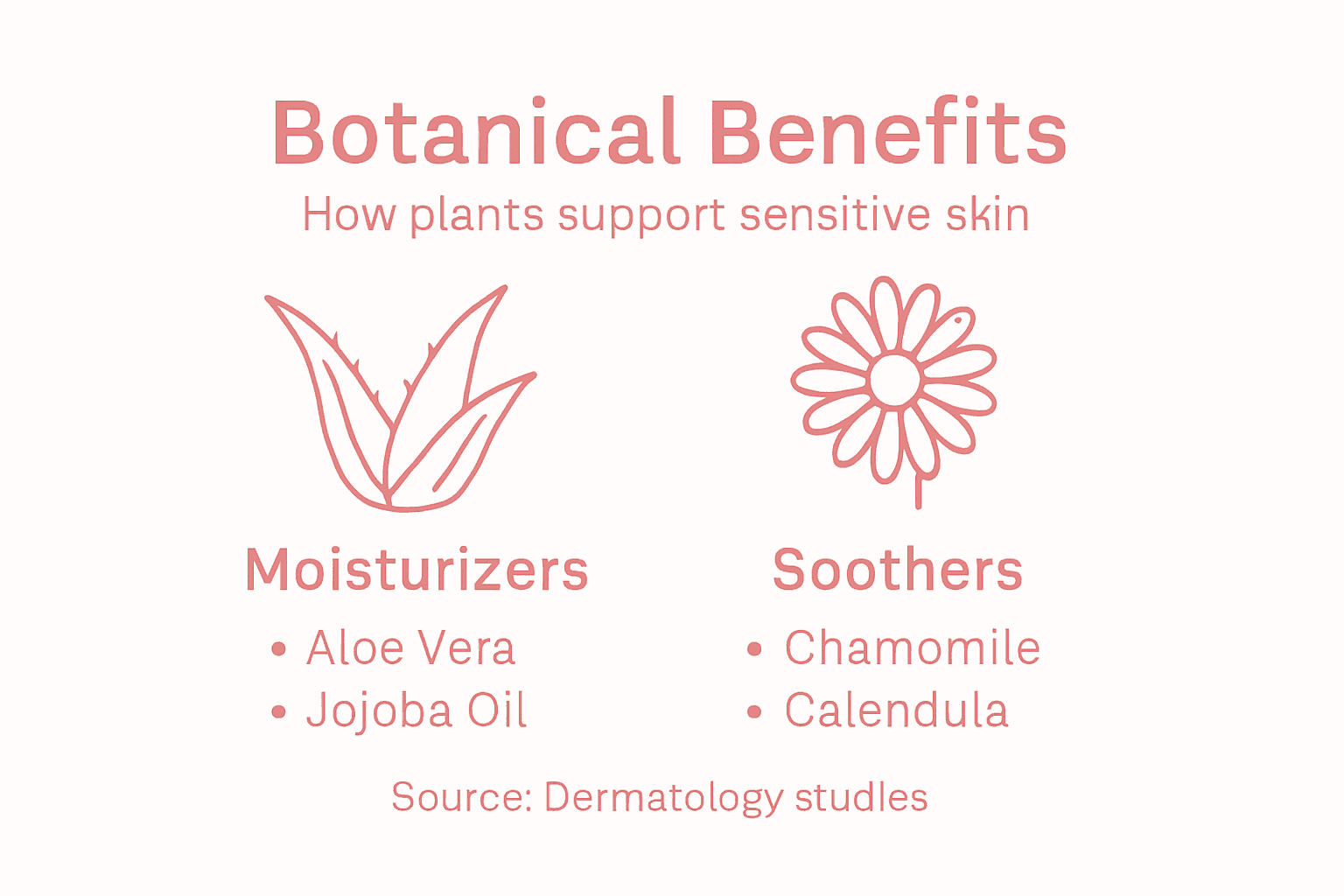
Some plant-based ingredients are hydration powerhouses. These work by either drawing moisture into your skin or forming a protective barrier that prevents water loss. Cannabis sativa seed oil, for example, delivers deep hydration while supporting your skin barrier without feeling heavy or greasy. Aloe vera juice and glycerin derived from plant sources work similarly, penetrating the skin to provide lasting moisture. These ingredients are absolutely crucial for sensitive skin because dehydration often triggers inflammation and reactivity. When your skin lacks adequate moisture, it becomes compromised and vulnerable. A well-hydrated skin barrier is significantly more resilient, better able to defend itself against irritants and environmental stressors. Botanical moisturizers work gently with your skin’s natural processes rather than overwhelming it with occlusive coatings.
Antioxidant and Anti-Inflammatory Botanicals
This category includes some of the most protective ingredients available. Rosmarinus officinalis (rosemary) extract is celebrated for its powerful antioxidant properties, fighting free radical damage that accelerates aging and inflammation. Green tea, vitamin E from plant sources, and pomegranate extract belong here too. Anti-inflammatory botanicals work differently—they actively calm redness, reduce swelling, and soothe irritated skin. Chamomile, oat extract, and turmeric have been used for centuries to settle angry, reactive skin. For sensitive skin conditions like eczema or rosacea, these botanicals are transformative. They address the root inflammation rather than just masking symptoms. What makes them special is their gentle yet effective action. Unlike some synthetic anti-inflammatories that can feel harsh over time, botanical options work with your skin’s natural healing mechanisms, supporting long-term improvement rather than creating dependency.
Antimicrobial and Wound-Healing Botanicals
Certain plant-based ingredients protect your skin from harmful bacteria and support the healing process. Betula pendula (birch) bark extract, tea tree oil (when properly diluted), and honey offer antimicrobial protection. These are especially valuable if you have sensitive skin with compromised barrier function, as they prevent secondary infections while keeping skin clean. Wound-healing botanicals like calendula, comfrey, and centella asiatica actively support your skin’s repair processes. They encourage cell turnover and collagen production, helping damaged or irritated skin rebuild itself. These ingredients are particularly helpful if you struggle with eczema flare-ups or other conditions where your skin barrier needs active support to recover.
Color and Aromatic Agents
Botanicals do more than just heal. Many provide natural color and fragrance, allowing formulators to create beautiful, sensory-rich products without synthetic dyes or fragrances. Beetroot extract provides natural reds and pinks, while plant-based cosmetic ingredients like flower and fruit extracts offer yellows, oranges, and deeper tones. Essential oils from lavender, rose, and other botanicals create therapeutic aromatherapy experiences. For sensitive skin, this matters because natural colorants and scents are typically less likely to trigger irritation than synthetic alternatives. A product that smells beautiful through rose essential oil rather than synthetic fragrance feels luxurious without the potential for sensitivity reactions.
Anti-Aging Botanicals
Plants like Euphorbia characias contain compounds that support skin firmness and elasticity. Peptides derived from plant sources, pomegranate extract, and resveratrol (from grapes) work to minimize fine lines and support skin structure. For sensitive skin, anti-aging doesn’t mean harsh retinoids or aggressive treatments. Botanical anti-aging works gently but meaningfully, supporting your skin’s natural renewal processes without causing irritation or disruption to your barrier function.
Pro tip: Review product ingredient lists to identify which botanical categories they emphasize, then build a routine that combines moisture, protection, and healing based on your specific skin needs rather than trying every trending ingredient at once.
Here’s a comparison of common botanical ingredient categories and their typical benefits for sensitive skin:
| Botanical Category | Example Botanicals | Main Benefit | Typical Use Cases |
|---|---|---|---|
| Hydrating/Moisturizing | Aloe vera, Cannabis sativa seed oil | Deep hydration, barrier support | Dry, sensitive, eczema-prone skin |
| Antioxidant/Anti-inflammatory | Green tea, Chamomile, Rosemary | Reduces redness, fights free radicals | Red and reactive skin, rosacea |
| Antimicrobial/Wound Healing | Tea tree, Calendula, Birch bark | Reduces bacteria, heals damage | Flare-ups, compromised barriers |
| Color/Aromatic Agents | Beetroot, Lavender oil, Rose oil | Natural color/fragrance, sensory benefits | Tinted products, aromatherapy |
| Anti-aging | Pomegranate, Euphorbia characias, Peptides | Supports firmness, reduces lines | Mature, sensitive skin |
How Botanicals Support Sensitive and Eczema-Prone Skin
If you have sensitive skin or eczema, you already know that finding products that actually help rather than harm feels nearly impossible. Most mainstream beauty products contain ingredients that trigger inflammation, sting when applied, or leave your skin feeling worse than before. This is where botanicals work differently. Plant-based ingredients address the root causes of sensitivity rather than temporarily masking symptoms. They calm inflammatory responses, repair your compromised skin barrier, and provide the nourishment your skin desperately needs. Unlike harsh synthetic treatments that can leave your skin dependent on increasingly stronger interventions, botanicals work with your skin’s natural healing mechanisms, supporting lasting improvement.
Understanding Skin Inflammation and Barrier Damage
To understand how botanicals help, first consider what actually happens with sensitive skin. Your skin barrier is a protective layer that keeps irritants out and moisture in. When this barrier is damaged or compromised, anything can trigger inflammation. Your skin becomes reactive, red, itchy, and uncomfortable. Eczema flare-ups happen when this process spirals out of control. Botanical ingredients like Aloe vera and Glycyrrhiza glabra (licorice root) work by directly addressing this inflammation. Aloe vera penetrates deeply to promote skin regeneration while simultaneously cooling and calming irritated tissue. Licorice root contains compounds that regulate your skin’s inflammatory response at a cellular level, effectively turning down the volume on reactivity without suppressing your skin’s natural immune function. What makes this approach revolutionary is that these botanicals don’t just quiet inflammation temporarily. They actively support your skin barrier’s repair process, meaning over time your skin becomes less sensitive and reactive. You’re not managing symptoms. You’re healing the underlying condition.
The Power of Bioactive Compounds
Botanical ingredients contain naturally occurring compounds called flavonoids and phenolics that deliver potent anti-inflammatory and antioxidant effects. These compounds work together to protect your skin from reactive oxygen species, which are unstable molecules that damage skin cells and accelerate inflammation. When your skin is sensitive or eczema-prone, it’s particularly vulnerable to this oxidative stress. Free radicals trigger more inflammation, which damages your barrier further, creating a vicious cycle. Botanical antioxidants break this cycle. They neutralize free radical damage before it can cause problems, essentially protecting your skin from the inside out. Additionally, these bioactive compounds assist in wound healing and cell regeneration. If you have eczema, you likely have areas where your skin feels raw, cracked, or damaged. Soothing oils and botanical extracts actively encourage your skin cells to rebuild, strengthening your barrier and reducing sensitivity over time. This multifaceted approach addresses multiple aspects of the problem simultaneously. You get anti-inflammatory support, antioxidant protection, and active healing in a single plant extract.
Supporting Barrier Function and Moisture Retention
One of the most common issues with sensitive skin is that it cannot retain moisture effectively. Your barrier is either too permeable (water escapes) or too rigid and inflamed (products cannot penetrate). Botanical moisturizers like plant-derived glycerin, ceramide-rich seed oils, and emollient extracts help normalize this function. They provide deep hydration while simultaneously supporting your skin’s natural ability to hold onto moisture. This matters enormously for eczema because chronic dehydration intensifies flare-ups. When your skin is adequately hydrated from the inside, it’s more resilient, less reactive, and heals faster. Many botanicals also provide photoprotective benefits, meaning they help shield your skin from UV damage. Sun exposure is a major trigger for eczema flare-ups and sensitivity reactions. By incorporating botanical ingredients with natural UV-protective compounds, you reduce one of the most common external triggers for skin reactivity. Your skin simply has fewer battles to fight, allowing it to focus its energy on healing and barrier repair.
The Healing Ritual Element
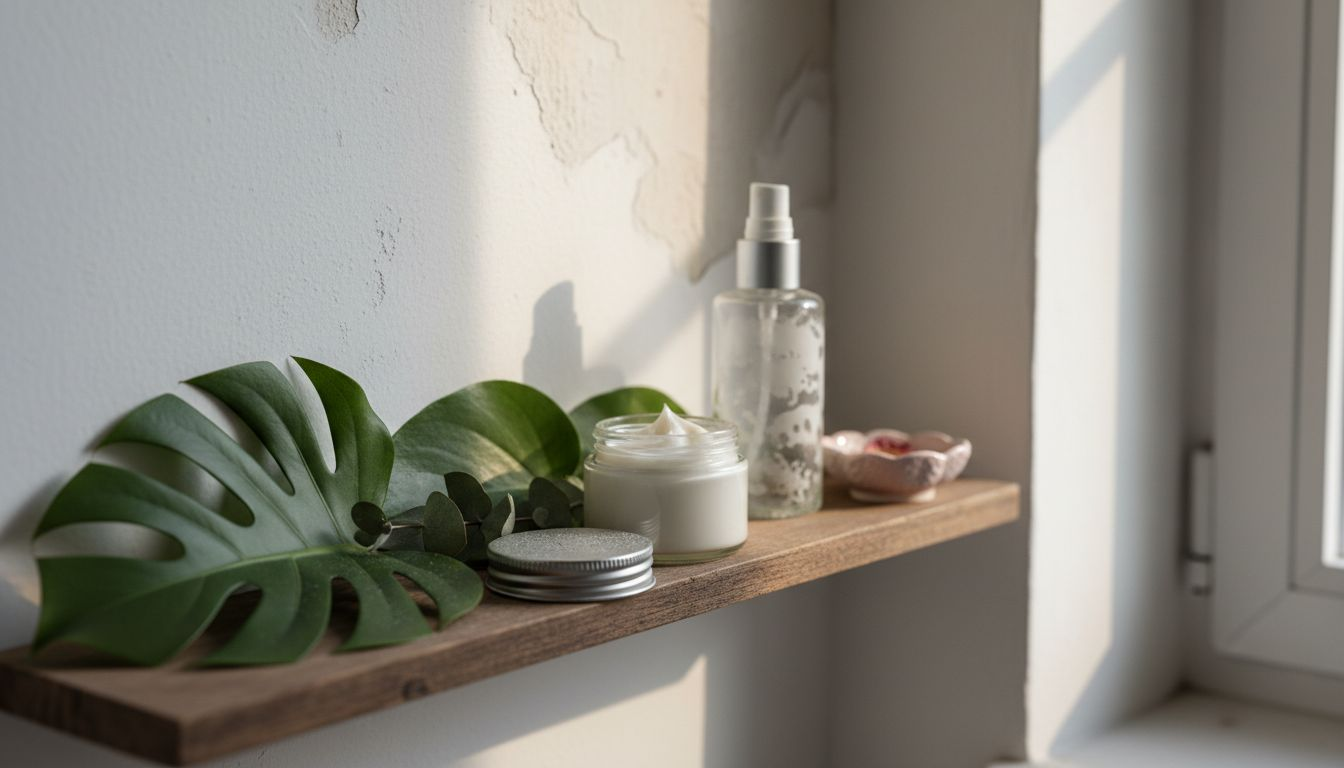
Using botanical beauty products for sensitive skin isn’t just about the ingredients. It’s about creating a ritual of nourishment and self-care that supports your mental and emotional health alongside your physical skin health. When you apply a gentle, plant-based product that smells like natural botanicals and feels soothing on contact, you’re signaling to your nervous system that you’re being cared for. This matters because stress and anxiety directly trigger eczema flare-ups and worsen sensitivity. The act of mindfully applying a nourishing botanical product becomes a grounding ritual that calms your stress response while the ingredients calm your skin. This is why pure light botanical beauty products do more than treat your skin. They treat your whole self. The warmth of oil in your hands, the subtle scent of plant extracts, the knowledge that you’re using ingredients designed specifically for your sensitive skin all contribute to genuine healing on multiple levels.
Pro tip: Apply botanical products to slightly damp skin rather than completely dry skin, as this helps lock in moisture and maximizes the absorption of hydrating botanical ingredients into your barrier layer.
Unique Healing and Wellness Rituals of Botanicals
Beauty rituals involving botanical ingredients are far more than skincare routines. They’re ancient practices reimagined for modern life, rooted in thousands of years of wisdom from cultures worldwide. Traditional Chinese medicine has long relied on botanical ingredients for healing and rejuvenation. Ayurvedic practices in India have used plant extracts and oils as central components of self-care and wellness for millennia. What these traditions understood intuitively, modern science now confirms: the act of caring for yourself with intentional botanical products creates measurable changes in your physical health, emotional state, and sense of well-being. When you incorporate botanical beauty rituals into your daily life, you’re not simply applying products. You’re participating in a practice of self-love that honors both your body and your mind.
The Science Behind Ritual and Healing
There’s something powerful about turning your skincare routine into a deliberate ritual rather than a rushed task. When you slow down and mindfully apply a botanical oil or cream, you engage your parasympathetic nervous system, the part of your body responsible for rest, recovery, and healing. This physiological shift matters tremendously for anyone with sensitive skin or eczema, conditions that are often exacerbated by stress and anxiety. The sensory experience of botanical beauty products amplifies this healing effect. The scent of lavender essential oil activates calming neural pathways. The warmth of oil in your hands signals to your body that you’re safe and cared for. The texture of a nourishing botanical cream creates tactile comfort. These aren’t incidental pleasures. They’re integral components of why botanical rituals work so effectively. Your skin responds not just to the chemical compounds in the products, but to the emotional environment you create through the ritual itself. When you treat your skincare as a sacred practice rather than a chore, your body receives the message that healing is happening. This psychological shift supports actual physiological healing, creating a feedback loop where both your mind and skin improve together.
Creating Your Personal Botanical Wellness Ritual
A meaningful botanical ritual doesn’t require complicated steps or expensive products. It requires intention. Start by choosing a specific time and place where you can apply your botanical skincare without rushing. Morning or evening, whichever feels more sustainable for your lifestyle. Create a quiet moment where you can focus solely on nourishing your skin. As you apply your botanical products, notice the sensations. Feel the texture. Inhale the natural scent. Observe how your skin responds. This mindful attention transforms a basic skincare step into a meditation practice. Many women find that natural beauty transformation through botanical rituals becomes a grounding anchor point in their day, a moment where they prioritize their own well-being amidst life’s chaos. You might incorporate aromatherapy by using botanical products with essential oils, allowing the scent to deepen your relaxation response. You might add a simple facial massage while applying your botanicals, improving circulation and lymphatic drainage while further engaging your sensory experience. You might set an intention before applying your products, consciously directing your attention toward healing and self-compassion. These additions transform your routine from functional skincare into a wellness ritual that addresses your whole being.
Botanicals as Tools for Emotional and Physical Healing
The most profound aspect of botanical rituals is their ability to address both physical and emotional dimensions of sensitive skin. Physical symptoms like inflammation, redness, and itching are real and uncomfortable. But they’re often intertwined with emotional experiences like frustration, self-consciousness, and stress. When your skin feels reactive, you might feel emotionally reactive too. When you use harsh treatments that make your skin worse, your emotional distress increases. Botanical rituals break this cycle by addressing both dimensions simultaneously. The anti-inflammatory botanicals calm your physical symptoms while the aromatherapy and sensory experience calm your emotional response. Over time, as your skin visibly improves through consistent botanical care, your emotional relationship with your body transforms. You move from shame and frustration to gratitude and acceptance. You stop seeing your sensitive skin as a flaw to hide and start seeing it as a call to deeper self-care. This shift in perspective is itself healing. Research rooted in traditional practices across cultures shows that rituals involving botanical ingredients promote holistic wellness by combining therapeutic effects with sensory and emotional benefits. Your grandmother’s practice of applying rose oil before bed wasn’t just skincare. It was a complete wellness practice that addressed her physical health, her emotional state, and her sense of self-worth.
Building Consistency Into Your Ritual
The real magic of botanical rituals emerges through consistency. A single application of a botanical product provides immediate benefits. Regular practice creates transformation. Your skin barrier strengthens, your sensitivity decreases, and your emotional relationship with beauty evolves. This is why ritualistic practice matters more than perfect products. Consistency creates results that sporadic high-intensity treatments cannot match. By establishing a botanical beauty ritual you genuinely enjoy, you’re far more likely to maintain it long enough to see meaningful changes in your skin and your overall sense of well-being.
Pro tip: Perform your botanical skincare ritual at the same time each day to anchor it into your routine and allow your nervous system to associate that specific moment with relaxation and healing, strengthening both the psychological and physiological benefits.
Comparing Botanicals and Synthetic Beauty Ingredients
When you’re standing in front of a skincare shelf deciding between products, the ingredient list can feel overwhelming. Botanical or synthetic? Natural or scientific? The truth is more nuanced than marketing claims suggest. Both botanicals and synthetic ingredients have legitimate roles in beauty products, and understanding their differences helps you make informed choices for your sensitive skin. Botanical ingredients come from plants and carry centuries of traditional use. They arrive with multiple beneficial compounds working together, offering what scientists call a “broad spectrum” of benefits. Synthetic ingredients are created in laboratories with precise formulations designed to deliver specific, measurable results. Neither category is inherently superior. The real question is which approach actually serves your sensitive skin better, and the answer often depends on the specific ingredient, how it’s formulated, and how your unique skin responds.
The Case for Botanicals
Botanical ingredients carry several distinct advantages for sensitive skin. They have long histories of safe use spanning centuries or even millennia across different cultures. When an ingredient has been safely used for thousands of years, that extensive track record matters. You’re not participating in a grand experiment. You’re using something that countless people before you have proven safe. Botanicals also deliver multifaceted biological activities, meaning a single plant extract might provide anti-inflammatory, antioxidant, moisturizing, and antimicrobial benefits simultaneously. This complexity is actually an advantage. Your sensitive skin doesn’t need one isolated function. It needs comprehensive support addressing multiple dimensions of the problem at once. Licorice root doesn’t just reduce inflammation. It also provides antioxidant protection, supports barrier function, and regulates sebum production. This multi-action approach means fewer ingredients in your routine while addressing more concerns.
Another significant advantage is the growing emphasis on sustainability and environmental impact. Botanical ingredients are renewable and biodegradable. When you choose botanical products, you’re making choices aligned with environmental responsibility. For many women, especially those drawn to holistic approaches, this alignment matters. You’re not just healing your skin. You’re voting with your choices for a beauty industry that respects the planet. Additionally, botanicals work with your skin’s natural processes rather than overriding them. Synthetic ingredients often suppress or artificially enhance skin function. Botanical ingredients tend to support your skin’s inherent ability to heal and protect itself. For sensitive skin that’s already struggling, this gentler approach creates lasting improvement rather than dependency.
The Case for Synthetic Ingredients
Synthetic beauty ingredients offer legitimate advantages, particularly around consistency and potency. When a synthetic ingredient is formulated, every batch is identical. You know exactly what concentration you’re getting, and you know it will perform the same way every single time. Botanical extracts vary based on growing conditions, harvest timing, and processing methods. This means one batch of rose hip oil might be slightly different from another batch. For some people, this variation feels like a drawback. For sensitive skin, however, minor variations are usually not problematic because botanicals are inherently gentler. Synthetic ingredients also allow cosmetic scientists to isolate and concentrate specific beneficial compounds. If retinol reduces fine lines, scientists can create synthetic retinol derivatives of increasing strength. If niacinamide supports barrier function, they can formulate high-concentration synthetic niacinamide. This precision is valuable for specific, targeted concerns.
However, this precision comes with trade-offs. Synthetic ingredients often deliver singular, well-characterized functions rather than the broad-spectrum benefits botanicals provide. More importantly, synthetic ingredients are more likely to trigger sensitivity reactions in some individuals. The very isolation that allows for precision also means you’re applying a single chemical compound directly to your skin without the buffering effects of the complex botanical matrix it came from. For someone with truly sensitive skin, this increases the risk of irritation, allergic reactions, or unexpected interactions.
Making the Right Choice for Your Sensitive Skin
The best approach isn’t choosing one category entirely. It’s understanding the role botanicals play in beauty formulations and how to incorporate them strategically alongside other ingredients. Many effective skincare products combine botanical extracts (for their gentle, multifaceted benefits) with carefully selected synthetic ingredients (for their targeted performance and consistency). What matters most for sensitive skin is choosing formulations that prioritize gentleness, support barrier function, and have been tested on sensitive skin types. A botanical product that’s poorly formulated or doesn’t address your specific concerns is no better than a synthetic product that triggers sensitivity reactions.
The key distinction for sensitive skin users is this: efficacy and safety depend on the specific ingredient, its concentration, and how it’s formulated. A high-quality botanical serum with proper preservation and optimal concentrations outperforms a poorly formulated synthetic product every time. Conversely, a well-researched synthetic ingredient at the right concentration in a sensitizing formula won’t work either. Stop thinking in absolute terms about botanical versus synthetic. Start thinking about whether each ingredient specifically addresses your skin needs while respecting your skin’s sensitivity.
Pro tip: Read ingredient lists strategically by identifying the first 5 ingredients (which comprise the bulk of the formula), and prioritize products where these are either beneficial botanicals or well-researched gentle synthetics, rather than focusing on whether the entire product is “natural” or “synthetic.”
Risks, Sourcing, and Choosing Safe Botanical Products
Botatnical ingredients aren’t automatically safe simply because they’re natural. A plant that’s been used safely for centuries can still cause allergic reactions in some individuals. Certain botanicals can interact with medications or trigger sensitivities when formulated incorrectly. Understanding the real risks involved with botanical products helps you make informed choices rather than assuming all plant-based ingredients are universally safe. The safety of any botanical ingredient depends on three critical factors: the specific plant species used, how it’s prepared and processed, and the concentration included in the formula. A tiny amount of chamomile in a finished product is unlikely to cause problems for most people. An extremely concentrated chamomile extract applied directly to broken or compromised skin might trigger irritation. The difference between healing and harm often comes down to preparation, dosage, and individual sensitivity. When you understand this nuance, you can confidently use botanical products while avoiding unnecessary risks.
Understanding Real Botanical Risks
The primary risks associated with botanical ingredients fall into several categories. Allergic reactions and sensitivities happen when your immune system overreacts to specific plant compounds. Some people react to common botanicals like chamomile, lavender, or tea tree oil. These reactions aren’t rare anomalies. They’re individual variations in how different bodies process plant compounds. If you have a known plant allergy, like reactions to ragweed or certain pollens, you might also react to botanicals from related plant families. Contaminants and adulteration represent another significant risk. When botanical ingredients are sourced from areas with soil contamination, pesticide residues, or heavy metals, these toxins concentrate in the plant material. If suppliers cut corners on quality control or deliberately adulterate ingredients with cheaper substitutes, you might receive a product that’s completely different from what the label claims. Variability in potency means one batch of rose hip oil might contain twice the bioactive compounds as another batch. For sensitive skin, this unpredictability can be problematic. One application causes no reaction. The next application from a different batch triggers irritation because the concentration changed.
Certain botanicals carry specific risks worth knowing. Tea tree oil is powerful antimicrobial but highly concentrated forms cause irritation or allergic contact dermatitis. Citrus essential oils can increase photosensitivity, making your skin more vulnerable to sun damage. Mint and menthol create a cooling sensation that can feel soothing initially but actually irritates sensitive skin with repeated use. Fragrant botanicals like jasmine or rose absolute might smell beautiful but contain compounds that trigger sensitivities in some individuals. This doesn’t mean these ingredients are inherently bad. It means using them requires understanding appropriate concentrations, proper dilution, and your personal sensitivity profile. A responsible botanical beauty brand provides this information transparently.
Sourcing Quality and Ethical Considerations
Where botanical ingredients come from matters enormously for both safety and efficacy. Sustainable wildcrafting and controlled cultivation ensure consistent quality and prevent depletion of wild plant populations. When botanical ingredients are harvested from wild populations without regeneration practices, you’re participating in environmental destruction. More importantly, wildcrafted botanicals often contain higher contaminant levels because they’re exposed to uncontrolled environmental factors. Controlled cultivation on dedicated farms allows for monitoring and quality control. The plants grow in known conditions with documented pesticide use (or lack thereof). Harvest timing can be optimized for maximum bioactive compound concentration. Storage and processing are carefully controlled to preserve efficacy and prevent degradation.
Ethical sourcing also means fair compensation for communities that traditionally cultivate botanical ingredients. Many plants valued in skincare come from developing nations. When Western beauty brands source ingredients at exploitative prices, they undermine the livelihoods of the farmers and communities who’ve maintained these plants for generations. Brands committed to ethical sourcing pay fair prices, invest in community infrastructure, and ensure safe working conditions. This matters not just morally but practically. Communities that are respected and fairly compensated maintain higher quality standards because they’re invested in the long-term success of their crops.
How to Identify Safe Botanical Products
Start by researching the brand’s sourcing practices and transparency. Trustworthy botanical beauty brands clearly communicate where their ingredients come from, how they’re processed, and what safety testing has been conducted. They provide specific botanical names rather than vague terms like “herbal complex.” They list concentration levels for active ingredients. They acknowledge potential sensitivities and recommend patch testing. A brand that hides information or makes vague claims about “all natural” safety is a red flag.
Check for third-party testing and certifications. Reputable botanical products undergo independent testing for contaminants, microbial safety, and potency verification. Look for certifications from organizations like the Organic Crop Improvement Association, NSF International, or similar regulatory bodies depending on your country. These certifications don’t guarantee perfection, but they indicate the brand has submitted their products to professional safety evaluation.
Start conservatively when introducing any new botanical product. Even gentle plant-based formulas can cause reactions in some individuals. Perform a patch test by applying a small amount to your inner arm or behind your ear and waiting 24 to 48 hours for any reaction. When you decode beauty ingredient lists, look at the concentration and order of botanical ingredients. Ingredients listed first comprise the bulk of the formula. Ingredients listed at the end are present in minimal amounts. A product with “rose extract” as the third ingredient likely contains meaningful amounts of rose. A product with rose extract listed near the end contains more filler ingredients than actual botanical benefit.
Understand that “natural” and “organic” don’t automatically mean safe or effective. An organic product poorly formulated for sensitive skin is still problematic. A natural product at the wrong concentration is still potentially irritating. Safety depends on informed formulation choices, quality sourcing, proper testing, and honest communication from the brand.
Pro tip: Contact the brand directly and ask specific questions about sourcing, testing, and ingredient concentrations before purchasing, as transparent brands are usually eager to provide detailed information while vague brands often avoid direct communication.
To help you assess ingredient safety, here is a quick reference for potential risks and best sourcing practices for botanical products:
| Risk Type | Typical Cause | Safety Tip | Sourcing Best Practice |
|---|---|---|---|
| Allergic reactions | Individual sensitivity to plant compounds | Patch test before use | Look for detailed botanical species listing |
| Contaminants | Poor soil, pesticide, adulteration | Seek third-party tested products | Prefer certified organic or controlled cultivation |
| Potency variation | Harvest or batch differences | Introduce new products slowly | Choose brands with transparent formulations |
| Ethical sourcing | Unfair trade or exploitative harvesting | Research brand policies | Support brands with community investment |
Embrace Gentle Healing with Pure Botanical Beauty
Sensitive skin and eczema present unique challenges that demand nourishment beyond ordinary skincare. As the article highlights, botanical ingredients offer powerful antioxidant, anti-inflammatory, and barrier-supporting benefits tailored to calm reactivity and restore your skin’s natural health. If you seek a makeup and skincare ritual that not only beautifies but also nurtures and heals, Pure Light Botanical Beauty is designed for you. Our thoughtfully crafted, plant-based formulas empower your sensitive skin to flourish with ingredients like Aloe vera, licorice root, and pomegranate extract that respect and rebuild your skin’s barrier while enhancing your natural radiance.
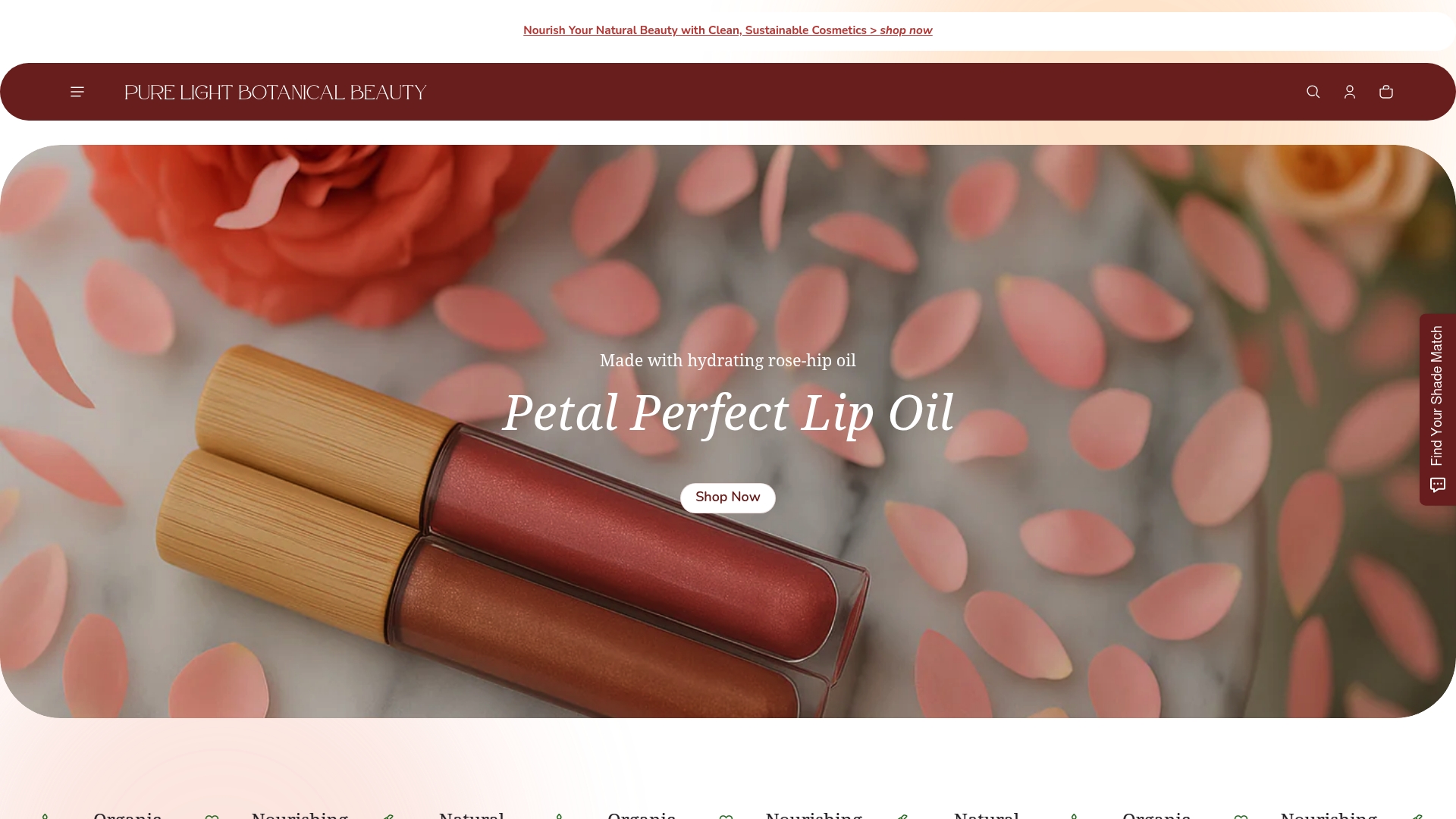
Discover how transforming your routine with clean, botanical-based products can soothe inflammation, protect against environmental stressors, and cultivate lasting skin wellness. Join the movement towards holistic beauty that combines the artistry of makeup with the science of healing. Visit Pure Light Botanical Beauty to explore our collection including the nurturing Petal Perfect Lip Oil and Botanical Crème Blush crafted especially for sensitive skin. Begin your journey today—because your skin deserves gentle care that lets your true light shine through.
Frequently Asked Questions
What are botanical ingredients?
Botanical ingredients are plant-derived compounds used in skincare and makeup that harness the natural healing properties of plants. These ingredients include extracts from leaves, roots, flowers, seeds, and stems, providing nourishment, protection, and restoration for the skin.
How do botanical ingredients benefit sensitive skin?
Botanical ingredients offer several benefits for sensitive skin, including anti-inflammatory, hydrating, and antimicrobial properties. They tend to be gentler than synthetic ingredients, supporting the skin’s natural healing processes while reducing irritation and addressing underlying issues.
Can I use multiple botanical products at once?
Yes, you can use multiple botanical products. Formulations often combine various plant extracts to address different skin concerns. However, it’s advised to introduce them one at a time over a period of 1-2 weeks to monitor your skin’s reactions and identify what works best for you.
How do I know if a botanical ingredient is safe for me?
To ensure a botanical ingredient is safe for your skin, conduct a patch test before full application. Apply a small amount to a discreet area, such as your inner arm, and wait 24 to 48 hours for any adverse reactions. Additionally, research the brand’s sourcing practices and look for transparency regarding allergens and concentrations.
Recommended
- Why Botanical Ingredients Matter for Sensitive Skin – Pure Light Botanical Beauty
- 7 Botanical Ingredients List for Sensitive Skin Relief – Pure Light Botanical Beauty
- 7 Non-Toxic Beauty Must-Haves for Sensitive Skin Relief – Pure Light Botanical Beauty
- Understanding the Role of Botanicals in Beauty – Pure Light Botanical Beauty
- Healthy Natural Hair Products: Better Growth and Safety | MyHair