

More than half of American consumers now prioritize natural skincare, yet few realize how botanical ingredients can truly transform sensitive skin. With skin sensitivities on the rise, understanding what actually goes into those plant-powered formulas helps you make more informed choices. This article sorts through the science and reveals why botanicals stand apart from synthetic ingredients, giving sensitive and eczema-prone skin gentle, effective support.
Table of Contents
- Defining Botanical Ingredients In Beauty Products
- How Plant-Based Compounds Support Skin Health
- Unique Advantages For Sensitive And Eczema-Prone Skin
- Safety, Sourcing, And Transparency In Botanicals
- Comparing Botanicals And Synthetic Ingredients
Key Takeaways
| Point | Details |
|---|---|
| Botanical Ingredients Offer Holistic Benefits | These plant-derived substances provide targeted healing and protection, particularly for sensitive skin. |
| Dynamic Adaptability | Botanical ingredients can respond to individual skin needs more effectively than synthetic alternatives. |
| Importance of Ethical Sourcing | Responsible sourcing and transparency in ingredient selection are vital for consumer trust and safety. |
| Complex Interactions with Skin Biology | Unlike synthetic compounds, botanicals contain complex phytonutrients that work synergistically to support skin health. |
Defining Botanical Ingredients in Beauty Products
Botanical ingredients represent nature’s potent beauty toolkit, transforming skincare from mere cosmetic applications into holistic healing experiences. These plant-derived components are scientifically extracted from diverse botanical sources like herbs, roots, flowers, fruits, leaves, and seeds, creating powerful formulations that nourish sensitive skin with remarkable precision.
At their core, botanical ingredients encompass a remarkable spectrum of plant-derived substances, including extracts, oils, waxes, essential oils, and concentrated phytonutrients. Understanding the role of botanicals in beauty reveals how these natural compounds offer far more than surface-level enhancement, delivering targeted healing and protection for individuals with delicate skin profiles. Each botanical ingredient carries unique molecular structures that interact differently with skin cells, providing anti-inflammatory, antioxidant, and regenerative properties.
The complexity of botanical ingredients lies in their extraordinary variability. Their composition shifts based on multiple factors including plant species, geographic region, harvest time, and extraction method. Some botanical ingredients might deliver intense hydration, while others provide antimicrobial protection or soothe inflammatory responses. This diversity makes them particularly valuable for sensitive skin, which requires gentle yet effective treatment strategies that conventional synthetic ingredients often cannot provide.
Pro Tip for Botanical Beginners: When exploring botanical skincare, start by patch testing new ingredients and gradually introducing them into your routine to understand how your unique skin responds to different plant-based compounds.
How Plant-Based Compounds Support Skin Health
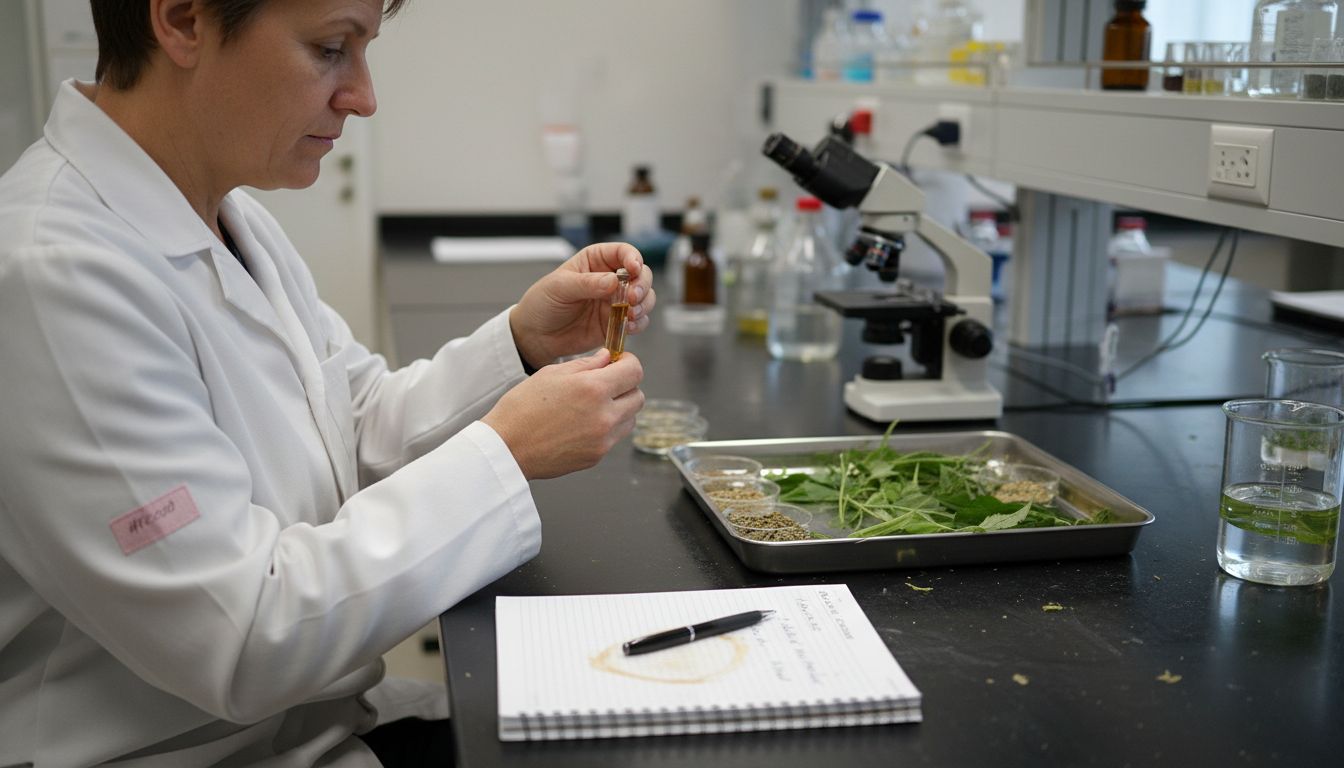
Plant-based compounds are nature’s sophisticated healing mechanism, offering a profound approach to skin health that goes far beyond surface-level treatment. These remarkable botanical ingredients work at a cellular level, interacting with skin systems to provide targeted support, reduce inflammation, and promote natural regeneration for individuals with sensitive skin conditions.
Specific plant compounds like ginseng and Centella asiatica demonstrate extraordinary potential in skin restoration. Understanding the benefits of botanical skincare reveals how these natural ingredients can combat inflammation, neutralize free radicals, and support the skin’s intrinsic healing processes. Ginseng, for instance, is renowned for its potent anti-aging effects, while Centella asiatica (also known as cica) provides remarkable anti-inflammatory properties that are particularly beneficial for eczema-prone and reactive skin types.
The healing potential of plant-based compounds stems from their complex molecular structures. Unlike synthetic ingredients, botanical extracts contain a rich spectrum of phytonutrients, antioxidants, and bioactive compounds that communicate directly with skin cells. These ingredients can help strengthen the skin’s natural barrier, reduce oxidative stress, regulate moisture retention, and support the skin’s microbiome. Their adaptogenic qualities mean they respond dynamically to individual skin needs, making them an ideal solution for those struggling with unpredictable or sensitive skin conditions.
Pro Tip for Plant Compound Exploration: Research and patch test individual botanical ingredients to understand how your unique skin microbiome responds to different plant-based compounds, creating a personalized skincare approach.
Unique Advantages for Sensitive and Eczema-Prone Skin
Sensitive and eczema-prone skin requires an extraordinary level of care that goes beyond traditional skincare approaches. Botanical ingredients offer a nuanced, gentle solution that addresses the complex challenges of reactive skin conditions by providing targeted healing and profound molecular support without harsh synthetic interventions.
Centella asiatica emerges as a standout botanical ingredient with remarkable therapeutic potential. 7 Botanical Ingredients List for Sensitive Skin Relief highlights how specific plant compounds can dramatically transform skin health for those struggling with chronic sensitivity. This powerful botanical, also known as cica, delivers exceptional anti-inflammatory properties that specifically target conditions like eczema, rosacea, and chronic skin irritation. Its unique molecular structure helps calm inflammation, reduce redness, and support the skin’s natural healing mechanisms at a cellular level.
The following table summarizes key plant compounds and their unique skin benefits:
| Botanical Compound | Primary Benefit | Ideal Skin Concerns |
|---|---|---|
| Ginseng | Anti-aging and revitalizing | Dullness, fine lines |
| Centella asiatica (Cica) | Anti-inflammatory, soothing | Eczema, irritation |
| Arbutin | Skin brightening | Uneven tone, spots |
| Plant Oils (e.g., jojoba) | Moisture and barrier support | Dryness, sensitivity |
The intrinsic advantages of botanical ingredients for sensitive skin stem from their holistic approach to skin restoration. Unlike synthetic treatments that often mask symptoms, these plant-based compounds work harmoniously with the skin’s natural biological processes. They provide multi-dimensional support by strengthening the skin’s protective barrier, reducing oxidative stress, regulating moisture balance, and supporting the skin’s microbiome. Their adaptive nature means they can respond dynamically to individual skin needs, making them an ideal solution for those with unpredictable or reactive skin conditions that traditional skincare often struggles to address.
Pro Tip for Sensitive Skin Warriors: Introduce botanical ingredients gradually, patch testing each new compound to understand how your unique skin microbiome responds and creating a personalized, gentle skincare approach tailored to your specific sensitivities.
Safety, Sourcing, and Transparency in Botanicals
The world of botanical ingredients demands rigorous scientific scrutiny and unwavering commitment to safety. Sourcing botanical compounds is far more complex than simply selecting attractive plant materials—it requires sophisticated understanding of plant biochemistry, environmental conditions, and precise extraction methodologies that preserve the integrity of natural healing properties.
What Is Botanical Skincare? reveals the intricate process behind creating safe, effective botanical formulations. The complex chemical compositions of botanical ingredients can vary dramatically based on multiple factors including plant species, geographic origin, harvest timing, and extraction techniques. This variability necessitates comprehensive quality control protocols to ensure consistent potency, purity, and safety for sensitive skin users. Responsible botanical sourcing involves extensive testing to verify the absence of contaminants, pesticides, and potential allergens that could trigger skin reactions.
Transparency in botanical ingredient selection goes beyond simple documentation—it represents a profound commitment to consumer trust and ethical production. Natural product certification standards, such as those established by the Natural Products Association, mandate rigorous requirements including the use of genuinely natural ingredients, avoidance of known health risks, prohibition of animal testing, and incorporation of environmentally responsible packaging materials. These standards help protect consumers by ensuring that botanical ingredients are not just marketed as natural, but genuinely meet stringent scientific and ethical criteria.
Pro Tip for Botanical Ingredient Investigators: Always research a brand’s sourcing practices, look for third-party certifications, and request detailed ingredient information to understand the true origin and processing of botanical compounds in your skincare products.
Comparing Botanicals and Synthetic Ingredients
The landscape of skincare ingredients reveals a profound difference between botanical and synthetic compounds, extending far beyond their origin to encompass complex interactions with human biology. While synthetic ingredients offer predictable performance, botanical ingredients bring a nuanced, holistic approach to skin health that reflects millions of years of natural evolutionary adaptation.
Understanding the Benefits of Botanical Beauty illuminates the sophisticated mechanisms of plant-based ingredients. Synthetic compounds are engineered to provide specific, targeted effects with precise molecular consistency, often designed to mimic natural processes. In contrast, botanical ingredients contain complex, interconnected phytonutrients that work synergistically. For instance, arbutin—a natural skin-lightening compound found in bearberry plants—demonstrates how botanical ingredients can offer sophisticated skincare solutions with inherent biological intelligence that synthetic alternatives struggle to replicate.
The fundamental distinction between botanical and synthetic ingredients lies in their molecular complexity and interaction with human physiology. Synthetic ingredients are typically created to optimize specific performance metrics like stability, color, or texture, often prioritizing manufacturing efficiency over holistic skin wellness. Botanical ingredients, however, emerge from intricate plant ecosystems and carry a multifaceted approach to skin health. They contain a rich spectrum of compounds that can adapt dynamically to individual skin needs, providing anti-inflammatory, antioxidant, and regenerative properties that work in harmony with the skin’s natural biological processes.
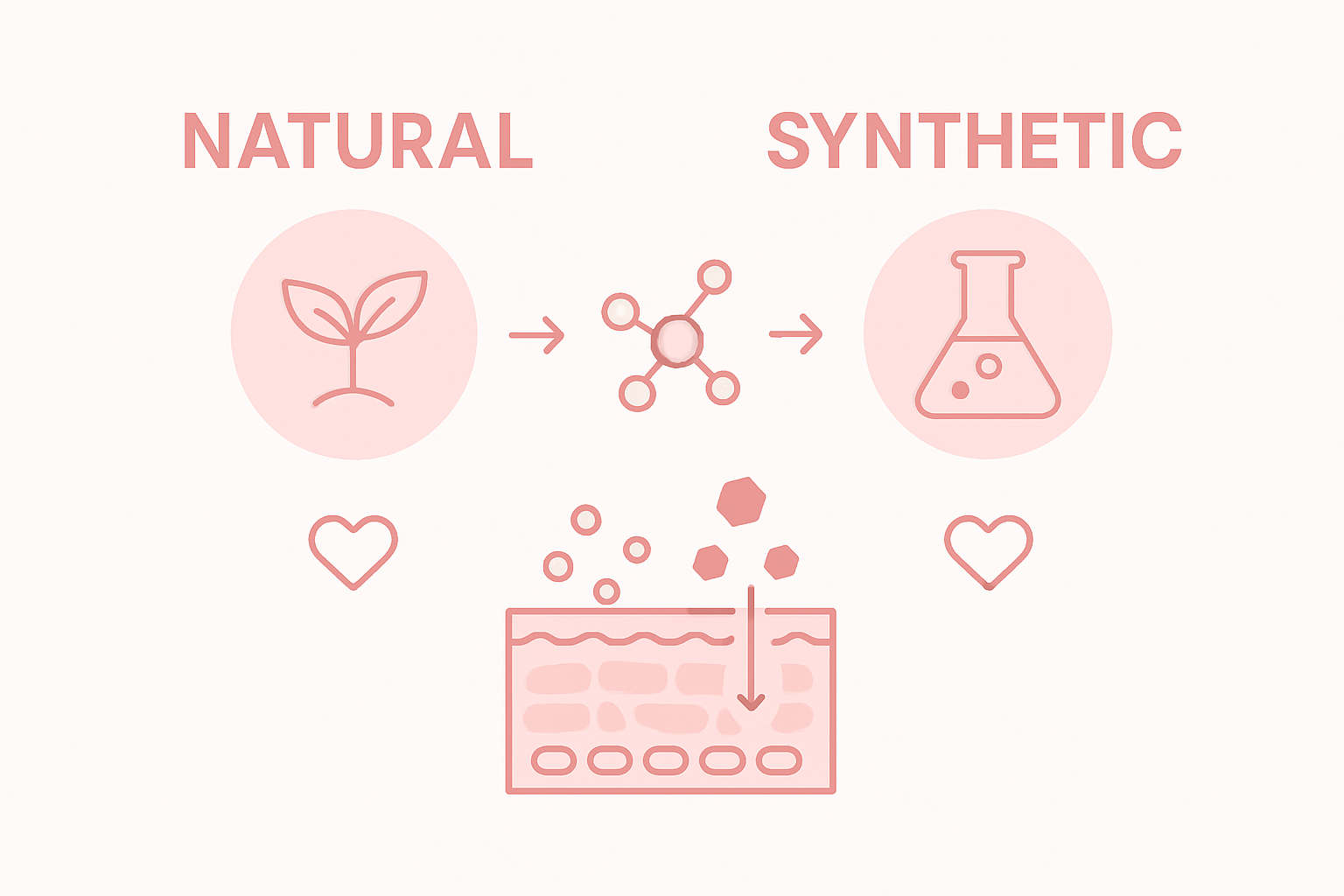
Here’s a comparison of botanical and synthetic skincare ingredients:
| Aspect | Botanical Ingredients | Synthetic Ingredients |
|---|---|---|
| Source | Plants (herbs, flowers, roots) | Laboratory-created chemicals |
| Molecular Structure | Complex, variable phytonutrients | Simple, predictable molecules |
| Adaptability | Dynamic response to skin needs | Designed for consistent effects |
| Environmental Impact | Can be sustainable if ethically sourced | Often relies on petrochemicals |
| Role in Skin Health | Supports barrier, reduces inflammation | Targets specific concerns, stability |
Pro Tip for Ingredient Detectives: Always examine the full ingredient list, understanding that the origin of a compound matters less than its overall safety, efficacy, and compatibility with your unique skin profile.
Discover Gentle Botanical Beauty for Sensitive Skin
Sensitive skin demands more than just surface care. It needs ingredients that heal, soothe, and nurture from within. This article highlights how botanical ingredients like Centella asiatica and ginseng provide targeted anti-inflammatory and regenerative benefits for eczema-prone or reactive skin. At Pure Light Botanical Beauty, we embrace this natural wisdom by crafting products that combine clean, plant-based formulations designed specifically to support sensitive and delicate skin types.
Explore our thoughtfully created collection where every ingredient plays a vital role in strengthening your skin’s natural barrier while promoting radiance and calm. From our nourishing lip oils to creamy botanical blushes, each product invites you to experience beauty as a ritual of healing and self-love. Learn more about the transformative power of botanicals in skincare by visiting What Is Botanical Skincare Guide and deepen your understanding through Understanding the Benefits of Botanical Skincare.
Take the first step toward a gentle beauty routine that honors your unique skin needs and celebrates your natural glow.
Elevate your skincare experience today at Pure Light Botanical Beauty.
Find the calm your sensitive skin has been craving with our expert-crafted botanical makeup and skincare products.
Are you ready to embrace beauty as an act of healing and nourish your skin with nature’s finest?
Visit Pure Light Botanical Beauty now to start your journey toward radiant, soothed skin with botanical ingredients you can trust. Your sensitive skin will thank you.
Frequently Asked Questions
What are botanical ingredients, and how do they benefit sensitive skin?
Botanical ingredients are plant-derived substances, such as extracts, oils, and phytonutrients, that offer targeted healing and nourishment for sensitive skin. They provide anti-inflammatory, antioxidant, and regenerative properties that help address various skin concerns without harsh synthetic compounds.
How can I safely introduce botanical ingredients into my skincare routine?
Start by patch testing each new botanical ingredient before incorporating it into your routine. Gradually introduce them to monitor how your skin responds, ensuring a gentle and personalized approach.
What makes botanical ingredients better for sensitive skin compared to synthetic ingredients?
Botanical ingredients provide a holistic approach by working in harmony with the skin’s natural processes. They have complex molecular structures that adapt to individual needs, unlike synthetic ingredients, which often target specific functions but may lack the multifaceted benefits of botanicals.
Are there any specific botanical ingredients I should look for if I have eczema-prone skin?
Centella asiatica (cica) and ginseng are notable botanical ingredients for eczema-prone skin. Cica offers anti-inflammatory properties to calm irritation, while ginseng provides anti-aging benefits, promoting overall skin health.
Recommended
- 7 Botanical Ingredients List for Sensitive Skin Relief – Pure Light Botanical Beauty
- Understanding the Role of Botanicals in Beauty – Pure Light Botanical Beauty
- Understanding the Benefits of Botanical Skincare – Pure Light Botanical Beauty
- What Is Botanical Skincare? Complete Expert Guide – Pure Light Botanical Beauty
- Why most skin creams are a waste of money - The Aesthetics Room