

Finding cosmetics that care for sensitive skin often feels like a balancing act, especially if you have eczema and value wellness-driven beauty. Many products rely on preservatives like parabens to prevent bacteria and mold, but not every system is gentle enough for delicate skin. As the industry shifts toward natural alternatives, understanding this evolution helps you spot formulas that protect both your skin and your values. Discover how natural preservation methods offer effective solutions without compromising comfort or safety.
Table of Contents
- Natural Cosmetic Preservation Explained Clearly
- Types of Natural Preservatives in Cosmetics
- How Natural Preservation Protects Sensitive Skin
- Risks of Improper Preservation in Clean Beauty
- Choosing Safe Alternatives for Gentle Skin
Key Takeaways
| Point | Details |
|---|---|
| Importance of Natural Preservatives | Natural preservatives, such as botanical extracts, effectively protect cosmetics without irritating sensitive skin. They prevent microbial growth while supporting skin health. |
| Understanding Regulatory Standards | The FDA regulates cosmetic safety, requiring that all preservation systems keep products safe from harmful contamination. This ensures quality and safety for consumers. |
| Avoiding Improper Preservation | Choosing products with effective preservation systems is essential to avoid microbial contamination, which can exacerbate skin conditions like eczema. |
| Choosing Safe Alternatives | Look for brands that prioritize transparency in ingredient lists and use vetted safety standards to minimize risks for sensitive skin. Proper formulation is key to maintaining skin health. |
Natural Cosmetic Preservation Explained Clearly
When you look at the ingredient list on your cosmetics, you might spot preservatives like parabens or other protective compounds. These aren’t there to scare you—they’re there to keep your products safe. Cosmetic preservatives work by preventing harmful bacteria, mold, and other microorganisms from growing inside your products. Think of them like a shield that protects both the formula itself and your skin when you apply it. According to the FDA, preservatives such as parabens are commonly used to prevent microbial contamination, often working in combination with other preservatives to cover a broad range of potential contaminants. Without these protective systems, your beautiful botanical oils and botanical extracts could become breeding grounds for pathogens that would damage your skin rather than heal it.
But here’s what matters most for your sensitive skin: natural preservation goes beyond just stopping bad bacteria. The cosmetics industry has evolved, and brands now understand that women with eczema and sensitive skin need preservative systems that work without triggering irritation or inflammation. This is where understanding the difference between synthetic and natural preservation methods becomes crucial. Some natural preservatives, like certain botanical extracts and antioxidants, work through their own antimicrobial properties rather than relying on synthetic chemicals. Others use physical stabilization methods or work with the product’s pH to create an environment where pathogens simply cannot thrive. When you choose products with transparent preservation methods—especially those aligned with clean cosmetics principles—you’re choosing formulas designed with your skin’s sensitivity in mind, not just shelf life.
The regulatory landscape also protects you here. While the FDA doesn’t require cosmetics to be approved before market, it does regulate cosmetic safety and requires that all preservative systems keep products safe when used as directed. This means brands using natural preservation methods still must ensure their formulas won’t develop harmful contamination. For someone with sensitive skin, this is your safety net. The preservation system in your natural cosmetics works silently in the background, maintaining product integrity through its entire shelf life while minimizing exposure to irritating synthetic chemicals. Quality natural brands invest in preservative systems that balance effectiveness with skin compatibility—understanding that true beauty preservation means preserving both the product and your skin’s health.
Pro tip: Check the product’s suggested usage timeline and storage instructions—natural preservation systems often work best when products are stored in cool, dry places away from direct sunlight, which extends their effectiveness and reduces the need for heavy preservative loads.
Types of Natural Preservatives in Cosmetics
Natural preservatives work differently than their synthetic counterparts, and understanding how they function helps you make informed choices for your sensitive skin. Unlike formaldehyde-releasing agents such as diazolidinyl urea, which can trigger irritation in eczema-prone skin, natural preservatives rely on the antimicrobial properties inherent to plants and botanical compounds themselves. Tea tree oil stands out as one of the most researched natural preservatives, offering powerful antimicrobial effects without the irritation risk that synthetic options carry. Cinnamaldehyde, derived from cinnamon bark, operates on a similar principle, actively fighting bacteria and mold while maintaining a lower toxicity profile. These plant-based options represent a fundamental shift in how the beauty industry approaches preservation, moving away from harsh chemicals and toward nature’s own defense mechanisms. When brands invest in these natural alternatives, they’re choosing preservation methods that align with your skin’s wellbeing rather than against it.
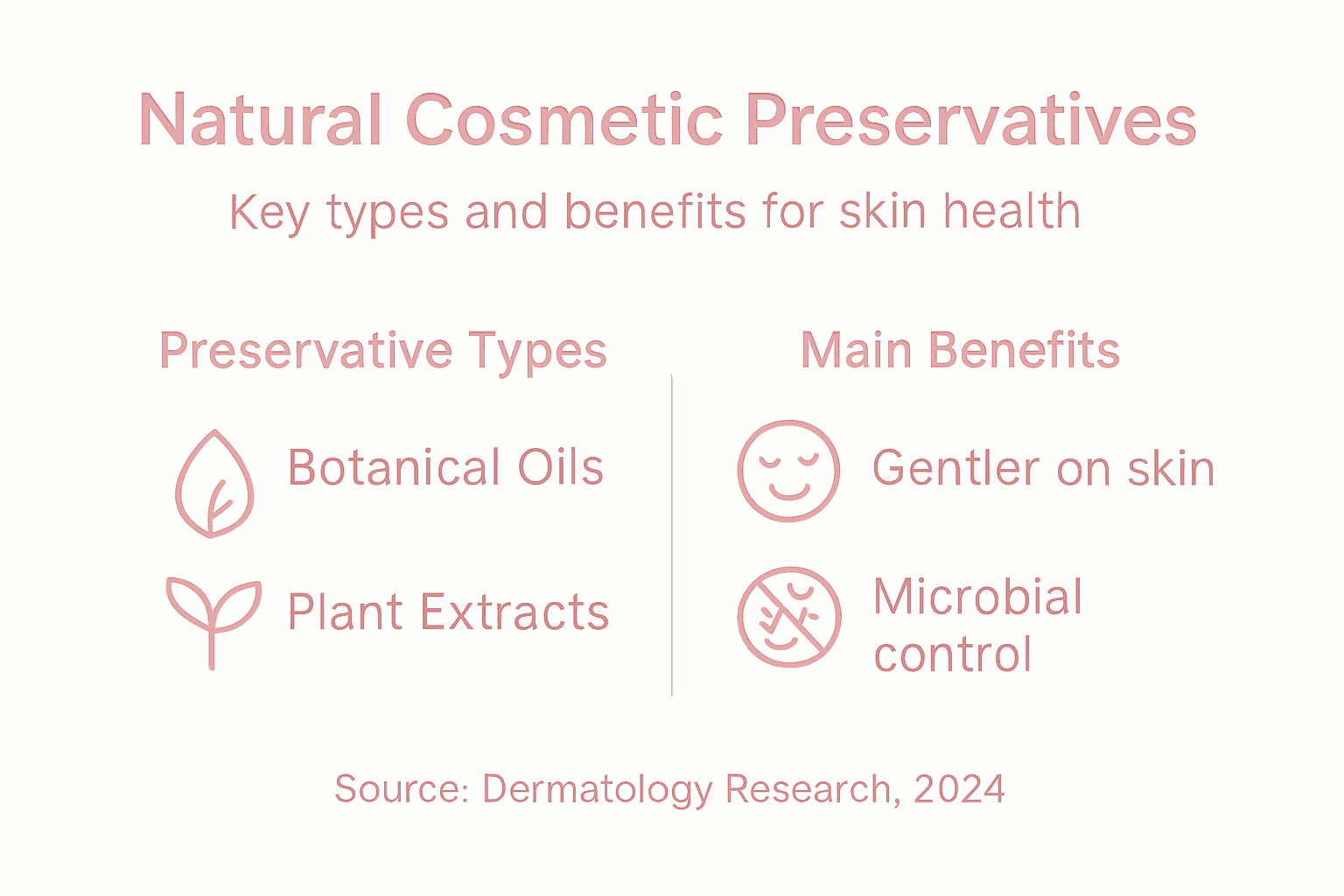
Beyond essential oils and plant extracts, natural preservative systems can also harness antioxidants and botanicals that create hostile environments for microbial growth. Vitamin E, rosemary extract, and various plant polyphenols work by neutralizing the oxidative conditions that microorganisms need to thrive. Some brands use physical preservation methods too, employing techniques like encapsulation or creating specific pH environments that prevent contamination without relying on any added preservative at all. The water-based nature of cosmetics means preservation is non-negotiable—bacteria and mold love moisture—but natural brands have proven you don’t need harsh chemicals to achieve this protection. When you’re reading ingredient lists and trying to decode what each component does, understanding that these botanical preservatives are working actively will help you recognize quality formulations designed for sensitive skin.
There’s also a crucial distinction between parabens (like methylparaben, propylparaben, and butylparaben) and natural alternatives. While parabens effectively prevent microbial growth and extend shelf life, ongoing research into their safety has driven the development of gentler options, particularly for women with conditions like eczema who struggle with irritation. Natural preservative systems require more expertise and sometimes shorter shelf lives, but this trade-off reflects a commitment to your skin’s long-term health. Brands that choose natural preservation over convenience demonstrate they understand that true preservation means protecting both your products and your skin’s protective barrier. You’re not compromising on safety by choosing natural preservatives—you’re simply choosing a different preservation philosophy, one rooted in botanical intelligence rather than synthetic chemistry.
Pro tip: Products with natural preservative systems often have shorter shelf lives and perform best when stored in opaque, airtight containers away from heat and light, so pay attention to opening dates and storage instructions to maximize both product integrity and effectiveness.
Here’s a comparison of common natural and synthetic cosmetic preservatives:
| Preservative Type | Example Ingredient | Typical Uses | Skin Sensitivity Impact |
|---|---|---|---|
| Synthetic Chemical | Parabens | Widely used, long shelf life | May trigger irritation in sensitive skin |
| Formaldehyde-Releaser | Diazolidinyl urea | Conventional lotions, creams | High risk for eczema-prone skin |
| Essential Oil-Based | Tea tree oil | Natural creams, balms | Gentler on most sensitive skin |
| Botanical Extract | Cinnamaldehyde | Plant-based products | Low irritation potential |
| Antioxidant | Vitamin E | Serums, facial oils | Generally soothing for skin |
How Natural Preservation Protects Sensitive Skin
Your skin has its own ecosystem. Living on the surface are beneficial bacteria like Staphylococcus epidermidis that produce enzymes generating ceramides, the crucial compounds that maintain your skin barrier and prevent water loss. This is where natural preservation becomes transformative for sensitive skin. When you use products preserved with synthetic formaldehyde-releasing agents, you’re exposing that delicate microbiome to harsh chemicals that can disrupt these protective bacteria and damage your skin’s natural defenses. Natural preservatives, on the other hand, work without attacking your skin’s beneficial microbial community. They maintain the balance your sensitive skin desperately needs while still stopping harmful pathogens from growing in your product. This gentler approach means your skin stays protected on both fronts: the product itself remains uncontaminated, and your skin barrier remains intact and functional.
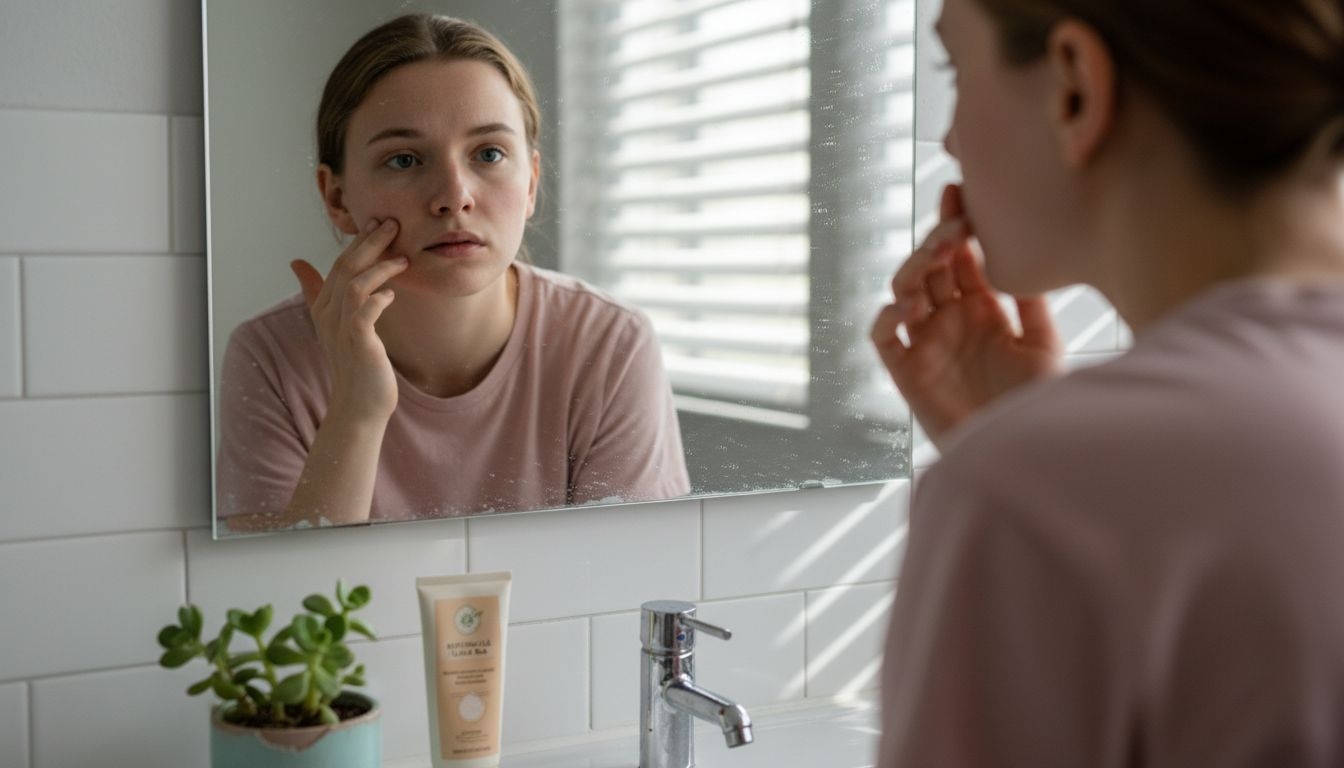
The irritation you experience with conventional cosmetics often stems from the preservative system itself rather than the active ingredients. Formaldehyde-releasing preservatives like diazolidinyl urea trigger inflammation and moisture loss, which is why eczema-prone skin reacts so negatively. Natural alternatives such as cinnamaldehyde and tea tree oil actively inhibit microbial growth while simultaneously reducing irritation risk. These botanical preservatives work at the root level, preventing pathogens without the inflammatory cascade that synthetic preservatives initiate. When you choose products with natural skincare formulations, you’re choosing preservation methods designed to coexist peacefully with your skin’s chemistry rather than wage war against it.
This distinction matters profoundly for long-term skin health. Sensitive skin isn’t just reactive to irritants in the moment. It’s recovering, rebuilding, and working to strengthen its barrier function. Every product you apply either supports or undermines that healing process. Natural preservation systems support it by respecting your skin microbiome and maintaining pH balance. They don’t strip protective oils or trigger inflammatory responses that set back your skin’s recovery. Over time, this consistent gentleness compounds into real transformation. Your skin gradually becomes less reactive because it’s not constantly managing chemical assault. The preservation method becomes invisible, quietly protecting both your product and your skin’s journey toward healing.
Pro tip: When transitioning to naturally preserved products, give your sensitive skin at least two to three weeks to adjust, as it may initially seem less stable than conventional products but is actually allowing your skin barrier to recover without constant chemical irritation.
Risks of Improper Preservation in Clean Beauty
The clean beauty movement has brought tremendous awareness about what we put on our skin, but it has also created a dangerous misconception: that natural automatically means safe, and that avoiding synthetic preservatives is always the right choice. The reality is more nuanced. When cosmetics are not properly preserved, microbial contamination becomes inevitable. Bacteria, fungi, and mold thrive in water-based products, and when preservation systems fail, these pathogens multiply rapidly. According to FDA guidance, cosmetics prepared or held under insanitary conditions risk serious contamination that can cause infections, allergic reactions, and other adverse health events. For someone with eczema or sensitive skin, a contaminated product doesn’t just irritate your skin—it can trigger severe flare-ups, introduce secondary infections, or compromise your skin barrier when it’s already struggling. This isn’t theoretical risk. This is real harm that happens when brands prioritize the “natural” label over effective preservation science.
Some clean beauty brands cut corners by using preservation systems that sound good but don’t actually work at scale. They might use essential oils marketed as natural preservatives without the research backing their effectiveness, or they might rely on a single botanical extract that protects against bacteria but fails against mold. Other brands skip preservation altogether, claiming their formulas don’t need it because they’re “clean enough.” This approach is reckless. The FDA explicitly requires that all cosmetics be safe when used as directed, and that includes being free from harmful microbial contamination. A beautiful ingredient list means nothing if the product itself has become a petri dish. When you choose brands with transparent, research-backed preservation methods—whether certified clean beauty or otherwise—you’re choosing safety alongside efficacy. You’re refusing the false choice between natural and protected.
The consequences of improper preservation extend beyond immediate health risks. Contaminated products can trigger chronic inflammation in sensitive skin, setting back months of healing progress. Your skin barrier, already compromised by eczema, can’t withstand pathogenic exposure. Repeated exposure to contaminated products teaches your immune system to stay in constant defense mode, making your skin increasingly reactive over time. This is why proper preservation isn’t a compromise with clean beauty principles. It’s a fundamental requirement. Brands that invest in effective natural preservative systems understand this distinction. They recognize that true cleanliness means both pure ingredients and protected formulas. Your skin doesn’t benefit from a product with noble ingredients if that product has degraded into something harmful. Proper preservation is the bridge between natural integrity and actual safety.
Pro tip: Check product reviews and batch dates before purchasing clean beauty products, and discard any cosmetic that shows signs of separation, color change, or off smells, as these indicate preservation failure regardless of how natural the label claims to be.
Choosing Safe Alternatives for Gentle Skin
When you’re shopping for cosmetics with sensitive skin, you’re not just avoiding one harmful ingredient—you’re navigating an entire landscape of choices, many of which aren’t what they claim to be. The FDA has issued warnings about unapproved products containing ingredients like hydroquinone that promise results but deliver irritation and potential damage instead. This is where understanding safe alternatives becomes your most powerful tool. Rather than chasing trending products or falling for marketing claims, you need a framework for evaluating what actually belongs on sensitive skin. Safe alternatives start with transparency about every ingredient, including the preservation system. Brands committed to your skin health don’t hide behind vague terms like “botanical extracts” or “natural blends.” They list exactly what’s protecting their formula and why that choice supports gentle skin rather than aggravating it.
The EPA maintains a Safer Chemical Ingredients List specifically designed to help manufacturers formulate products that minimize risks to human health while maintaining effectiveness. This list represents years of scientific evaluation, identifying ingredients that have been tested and vetted for safety. When you’re choosing alternatives for your sensitive skin, look for products formulated with ingredients from this resource or similar vetted safety standards. Beyond ingredient selection, safe alternatives also address the entire formulation philosophy. Does the brand use minimal ingredients, reducing the chance of triggering reactions? Do they avoid unnecessary fragrance, dyes, or alcohol? Have they invested in preservation systems that work without harsh chemicals? These questions separate genuinely safe products from those merely marketing themselves as clean. When you approach product selection this way, you’re not settling for less performance. You’re choosing formulations that deliver results without the inflammatory aftermath that derails your skin’s healing.
Choosing safe alternatives also means trusting your own skin more than marketing language. Your eczema is telling you something when a product causes flaking, burning, or increased itching. That’s not you being sensitive—that’s your skin responding to ingredients or preservation systems that don’t respect its needs. Products designed with your skin barrier in mind won’t trigger these reactions. They work quietly in the background, nourishing and protecting rather than challenging your skin’s defenses. When exploring how to choose clean beauty for sensitive skin relief, remember that safety isn’t about restrictive ingredient lists. It’s about intentional formulation that respects your skin’s vulnerability while delivering genuine results. The best alternatives aren’t necessarily the most expensive or the most exclusive. They’re the ones formulated by brands that understand the science behind preservation, the importance of ingredient purity, and the reality that true beauty comes from a healed, protected skin barrier.
Pro tip: Patch test new products on a small area of your inner arm or behind your ear for five to seven days before applying to your face, giving your skin enough time to reveal any delayed reactions to preservatives or other ingredients.
The table below summarizes best practices for preserving natural cosmetics with sensitive skin in mind:
| Preservation Practice | Benefit for Sensitive Skin | Drawback |
|---|---|---|
| Transparent ingredient labels | Easier allergy avoidance | May have limited product choices |
| Opaque, airtight containers | Minimizes light and air exposure | May cost slightly more |
| Cool, dry storage | Maintains product safety | Less convenient for travel |
| Patch testing new products | Reduces risk of reactions | Requires patient observation |
Embrace Natural Preservation for Sensitive Skin with Pure Light Botanical Beauty
The challenge of finding cosmetics that honor both your skin’s delicate microbiome and the need for safe, effective preservation is real. This article highlights how natural preservation systems protect against harmful microbes while nurturing your skin’s natural barrier, especially if you have eczema or sensitive skin. At Pure Light Botanical Beauty, we understand that true beauty preservation means safeguarding your skin’s health as thoughtfully as the product’s integrity. Our clean, plant-based formulations use gentle botanical ingredients and transparent preservation methods designed to support your skin’s healing journey without unnecessary synthetic chemicals or irritants.
Discover how our carefully crafted products like Petal Perfect Lip Oil and Botanical Crème Blush combine performance with skin-loving purity. Every texture and tone invites you to experience makeup as a calming ritual of self-care, nourishing your skin while enhancing your natural radiance. When you choose Pure Light Botanical Beauty, you choose formulas that protect your skin’s ecosystem, respect sensitive skin needs, and celebrate your authentic glow. Learn more about our philosophy of clean cosmetics principles and the power of nature in preservation.
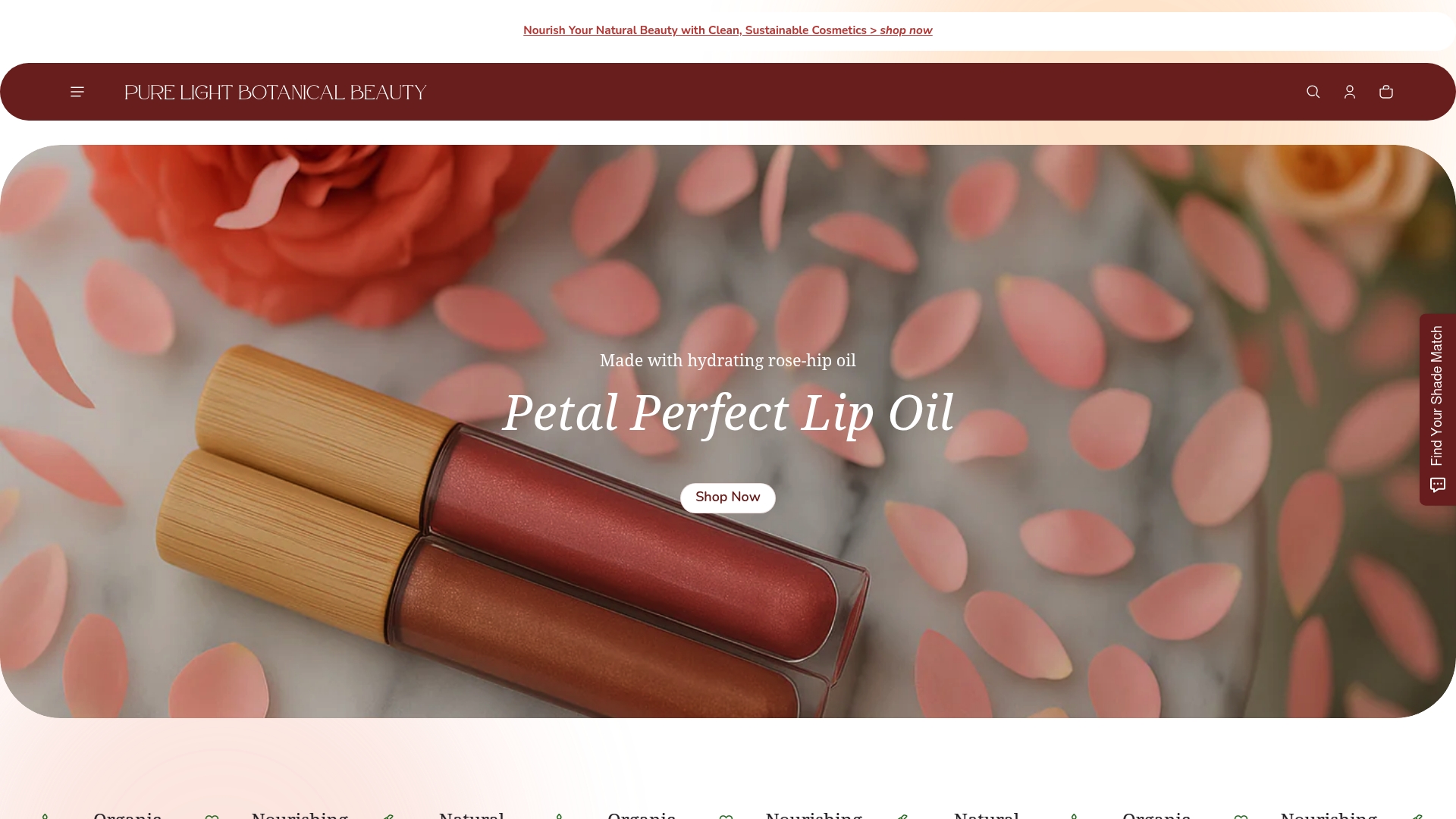
Start your journey toward radiant, resilient skin today by exploring our full collection at Pure Light Botanical Beauty. Experience beauty that heals from within and trust in products designed with care and transparency. Empower your skin to thrive naturally—because your sensitive skin deserves nothing less.
Explore more about natural skincare formulations and how to decode pure beauty ingredients to make confident choices every day.
Frequently Asked Questions
What are natural preservatives in cosmetics?
Natural preservatives are compounds derived from plants and botanical extracts that help prevent the growth of harmful bacteria, mold, and other microorganisms in cosmetic products without the use of synthetic chemicals.
How do natural preservatives benefit sensitive skin?
Natural preservatives, such as tea tree oil and antioxidants, offer antimicrobial protection while being gentler on the skin. They help maintain the balance of beneficial bacteria on the skin’s surface, reducing the risk of irritation and promoting overall skin health.
Why are synthetic preservatives used in cosmetics, and what are their risks?
Synthetic preservatives, like parabens and formaldehyde-releasers, effectively prevent microbial growth but can irritate sensitive skin, potentially triggering inflammation and negative reactions, especially in those with conditions like eczema.
How can I properly store natural cosmetics to maximize their shelf life?
To extend the shelf life of natural cosmetics, store them in cool, dry places away from direct sunlight, preferably in opaque, airtight containers. This helps minimize exposure to light and air, preventing degradation and maintaining product integrity.
Recommended
- Role of Nourishment in Skincare: Healing Through Nature – Pure Light Botanical Beauty
- Why Choose Natural Skincare – Benefits for Sensitive Skin – Pure Light Botanical Beauty
- Eco-Conscious Beauty: Nurturing Skin and Planet – Pure Light Botanical Beauty
- What Is Green Chemistry in Beauty—Why It Matters – Pure Light Botanical Beauty
- Healthy Natural Hair Products: Better Growth and Safety | MyHair
- Why most skin creams are a waste of money - The Aesthetics Room