

Over one third of American beauty shoppers now scrutinize ingredients and certifications before making a purchase. With so many brands touting clean beauty claims, understanding what truly qualifies as certified clean matters more than ever. The rise of rigorous standards and transparent labels is changing how consumers approach their routines, offering real power to choose products that prioritize both skin health and ethical practices.
Table of Contents
- Defining Certified Clean Beauty Standards
- Decoding Certification Labels And Criteria
- Key Ingredients: What’s Allowed And Banned
- How Certification Supports Sensitive Skin Health
- Common Myths And Consumer Pitfalls
Key Takeaways
| Point | Details |
|---|---|
| Certified Clean Beauty | Emphasizes a commitment to transparency, ingredient safety, and holistic wellness in cosmetic products. |
| Understanding Certification Labels | Labels are essential for informed consumer choices, reflecting rigorous evaluations of safety and ethical practices. |
| Ingredient Accountability | Clean beauty prioritizes banning harmful substances while promoting safe, plant-based ingredients for skin health. |
| Consumer Education | Awareness of myths surrounding clean beauty enables consumers to make better, informed decisions about products they use. |
Defining Certified Clean Beauty Standards
Clean beauty isn’t just a trend. It’s a rigorous commitment to transparency, safety, and holistic wellness that goes far beyond superficial marketing claims. Certified clean beauty represents a comprehensive approach to cosmetic formulation, prioritizing consumer health through strict ingredient screening and ethical production standards.
The American Cosmetic Association’s Clean Certified program establishes critical benchmarks for what qualifies as genuinely clean. These standards demand products be free from harmful chemicals like formaldehyde, coal tar, and hydroquinone. But certification isn’t merely about elimination - it’s about proactive ingredient selection that supports skin health. Clean beauty terminology reveals a nuanced framework where every ingredient must serve a purposeful, non-toxic function.
Key characteristics of certified clean beauty include:
- Transparency in ingredient sourcing
- Elimination of known harmful synthetic chemicals
- Prioritization of plant-based, natural ingredients
- Rigorous third-party testing and verification
- Commitment to sustainable and ethical manufacturing processes
Beyond technical specifications, clean beauty represents a philosophical shift. It acknowledges that what we apply to our skin doesn’t just impact appearance - it interacts directly with our body’s largest organ. This holistic perspective means evaluating ingredients not just for immediate cosmetic effect, but for long-term wellness potential. Consumers now demand more than pretty packaging; they want scientifically validated, health-conscious formulations that respect both personal and environmental well-being.
Decoding Certification Labels and Criteria
Navigation of clean beauty labels requires more than casual glance - it demands strategic understanding and critical analysis. Certification labels serve as critical roadmaps, guiding consumers through the complex landscape of ingredient safety, ethical production, and environmental responsibility. These markers aren’t just decorative stamps; they represent rigorous evaluation processes that protect consumer interests.
Type I environmental labels, as defined by the Environmental Studies Institute, represent the gold standard of product certification. Advantages of clean cosmetics demonstrate how these independent organizations conduct comprehensive lifecycle assessments, scrutinizing every stage of production. These certifications go beyond surface-level claims, examining:
- Ingredient sourcing practices
- Manufacturing environmental impact
- Worker welfare standards
- Chemical composition safety
- Long-term ecological consequences
Beyond environmental considerations, some certifications focus on specific ethical dimensions. Animal welfare certifications, for instance, ensure products meet stringent humanitarian standards, verifying that no animal testing occurs and that production methods respect living beings. These specialized labels provide consumers with granular insights into a brand’s commitment to holistic responsibility.
Ultimately, understanding certification labels empowers consumers to make informed choices. It transforms shopping from a passive transaction into an active statement of personal values. By deciphering these complex markers, individuals can align their beauty routines with deeper commitments to personal health, environmental sustainability, and ethical production practices.
Key Ingredients: What’s Allowed and Banned
Clean beauty represents a revolutionary approach to ingredient selection, drawing a clear line between what nurtures skin and what potentially harms human health. The American Cosmetic Association’s Clean Certified program has established comprehensive guidelines that transform cosmetic formulation from a purely aesthetic endeavor into a rigorous health protection mechanism.
The banned ingredients list reads like a chemical watchlist of potential health risks. Clean beauty terminology explains that these prohibited substances are not random selections, but carefully evaluated compounds with documented negative health implications. Key banned ingredients include:
- Parabens (potential endocrine disruptors)
- Phthalates (linked to reproductive issues)
- Sulfates (harsh detergents that strip natural skin barriers)
- Formaldehyde (known carcinogen)
- Coal tar (potential cancer-causing agent)
- Hydroquinone (skin-bleaching chemical with toxicity concerns)
- Mercury compounds
- Chloroform
- Hexachlorophene
Beyond elimination, clean beauty champions positive ingredient selection. This means prioritizing plant-based, organic, and scientifically validated natural compounds that offer therapeutic benefits. The philosophy extends beyond simply avoiding harmful ingredients - it’s about creating formulations that actively support skin health, cellular regeneration, and overall well-being.

Consumers now recognize that ingredient transparency is not a luxury, but a fundamental right. By demanding rigorous standards and comprehensive ingredient disclosure, they’re driving a profound transformation in cosmetic manufacturing. Clean beauty isn’t just about what’s not in a product - it’s about celebrating what makes skin genuinely radiant, healthy, and resilient.
How Certification Supports Sensitive Skin Health
Sensitive skin demands more than marketing promises - it requires scientific precision and genuine care. The Clean Certified program represents a critical shield for individuals struggling with skin reactions, providing a comprehensive approach to protecting the most vulnerable skin types from potential irritants and harmful chemicals.
7 types of clean beauty demonstrate how certification goes beyond simple ingredient elimination. By systematically screening formulations, these standards protect individuals prone to inflammation, allergic reactions, and chronic skin conditions. The certification process specifically addresses sensitive skin needs by:
- Eliminating known skin irritants
- Prioritizing hypoallergenic ingredients
- Conducting rigorous dermatological testing
- Ensuring minimal chemical interference
- Promoting transparency in ingredient sourcing
The academic research confirms that removing parabens, sulfates, and synthetic fragrances dramatically reduces skin irritation risk. These certifications essentially create a protective barrier between vulnerable skin and potentially harmful cosmetic ingredients. By establishing stringent screening protocols, clean beauty certifications transform skincare from a potential minefield of reactions into a safe, nurturing experience.

Ultimately, certification is more than a label - it’s a promise of safety, understanding, and respect for individual skin health. For those with sensitive skin, these standards represent hope: a commitment that beauty products can be both effective and gentle, healing rather than harming, and tailored to support the most delicate skin types.
Common Myths and Consumer Pitfalls
Clean beauty exists in a landscape of marketing magic and genuine scientific innovation - but not all that glitters is truly green. The absence of a standardized definition creates a breeding ground for misconceptions that can mislead even the most conscientious consumers seeking healthier beauty alternatives.
Clean beauty terminology helps unravel the most prevalent myths. Common consumer misconceptions include:
- Believing ‘natural’ automatically means ‘safe’
- Assuming all organic ingredients are non-irritating
- Thinking certifications guarantee total product purity
- Equating higher price with guaranteed quality
- Overlooking individual ingredient interactions
The critical distinction lies in understanding that ‘clean’ is not synonymous with ‘natural’ or ‘organic’. Just because an ingredient originates from a plant doesn’t ensure its safety or effectiveness. Some natural compounds can be more allergenic or potentially harmful than carefully formulated synthetic alternatives. Consumers must look beyond marketing buzzwords and examine actual ingredient profiles and scientific testing.
Ultimately, navigating clean beauty requires education, skepticism, and a willingness to dig deeper. By understanding that certifications are guidelines rather than absolute guarantees, consumers can make more informed choices. The journey to truly clean beauty is about developing critical thinking skills, asking questions, and recognizing that transparency trumps trendy packaging or persuasive marketing claims.
Discover True Clean Beauty with Pure Light Botanical Beauty
The challenge of understanding certified clean beauty and ingredient transparency can leave many feeling unsure about what truly nourishes their skin. This article reveals the importance of ingredient clarity and how banned substances like parabens and sulfates impact sensitive skin health. At Pure Light Botanical Beauty, we share your commitment to clean, plant-based ingredients that support skin wellness without compromise. Our formulas are crafted to honor the essence of certified clean beauty—embracing transparency, science, and gentle care for even the most delicate skin.
Explore how clean beauty is more than a label; it is a personal journey to radiant, resilient skin using ethically sourced botanicals. We invite you to experience our thoughtfully created products that blend holistic healing with self-expression. Whether you seek to soothe irritation or simply elevate your natural glow, Pure Light Botanical Beauty stands as a trusted companion.
Elevate your skincare ritual today by learning more about our ethos at Pure Light Botanical Beauty and explore the transformative power of clean ingredients.
Find harmony in beauty with every application
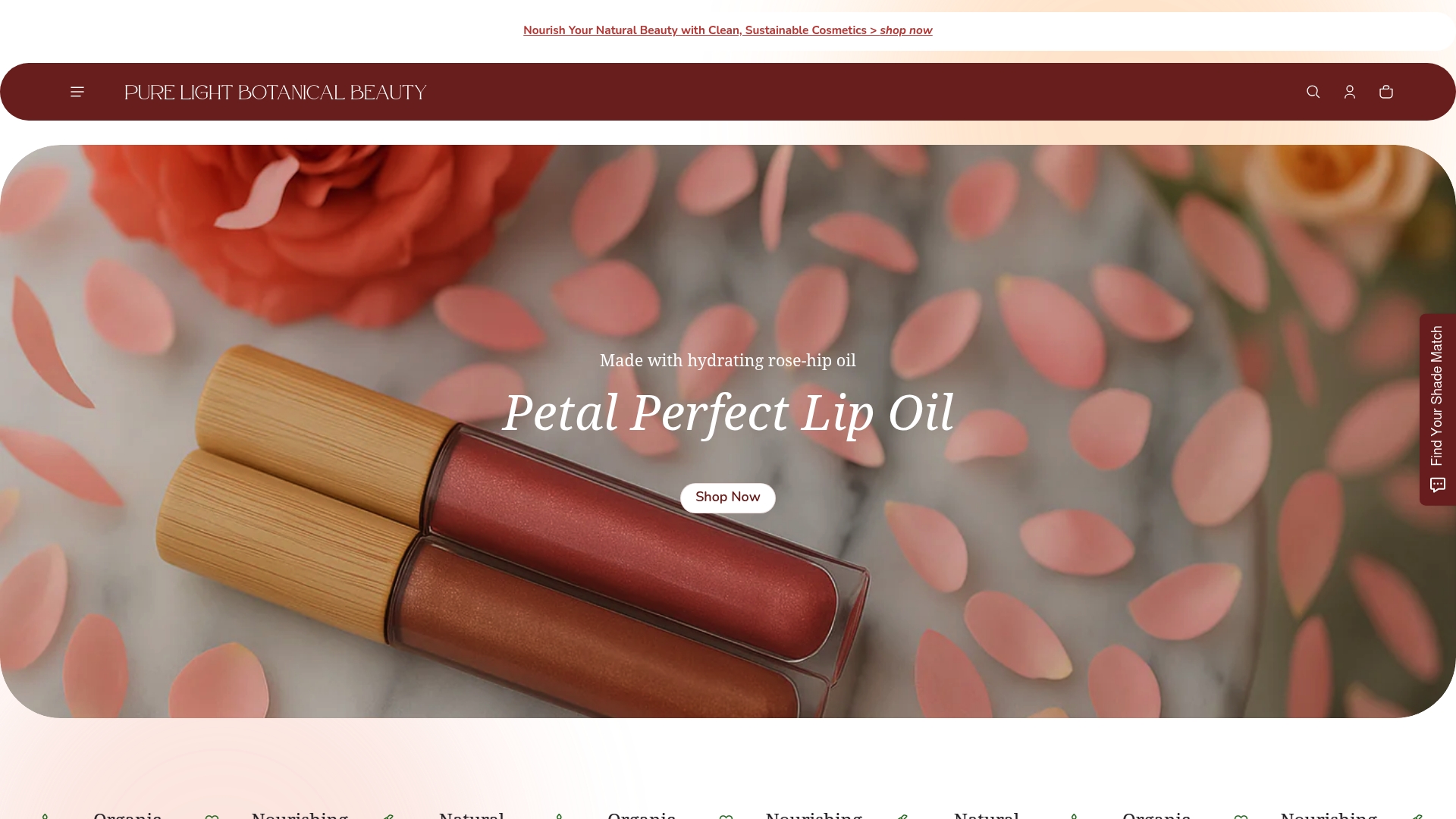
Ready to transform your beauty routine with proven clean formulations? Visit Pure Light Botanical Beauty now to embrace the radiant confidence that comes from ingredients you can trust. Your skin’s health deserves nothing less than transparency and care that lasts.
Frequently Asked Questions
What defines certified clean beauty?
Certified clean beauty refers to cosmetic products that adhere to rigorous standards for ingredient safety, transparency, and ethical production, ensuring that harmful chemicals are excluded and that plant-based, natural ingredients are prioritized.
Why is ingredient transparency important in beauty products?
Ingredient transparency is crucial as it allows consumers to understand exactly what they are applying to their skin, empowering them to make informed decisions about their health and well-being by avoiding potentially harmful substances.
How do clean beauty certifications support sensitive skin?
Clean beauty certifications specifically aim to eliminate known irritants and prioritize hypoallergenic ingredients, making products safer for individuals with sensitive skin types by minimizing the risk of reactions and inflammation.
What are some common misconceptions about clean beauty?
Common misconceptions include believing that ‘natural’ ingredients are always safe, that higher price guarantees quality, and that certifications ensure total product purity, leading consumers to overlook the need for critical analysis of ingredients.
Recommended
- Clean Beauty Terminology Explained: A Deep Dive – Pure Light Botanical Beauty
- Advantages of Clean Cosmetics: Complete Guide – Pure Light Botanical Beauty
- What Is the Clean Beauty Movement? Complete Guide – Pure Light Botanical Beauty
- What Is Clean Label Beauty? Complete Overview – Pure Light Botanical Beauty