

Most American shoppers are surprised to learn that nearly 60 percent of cosmetics on store shelves contain ingredients flagged for environmental concern. As the beauty industry grows, consumers are questioning what actually goes into their favorite products and how it affects their health and the planet. Discover how green chemistry is changing the game for beauty, introducing safer ingredient choices and truly sustainable solutions.
Table of Contents
- Green Chemistry Defined For Beauty Products
- Core Principles Shaping Green Beauty Formulas
- How Green Chemistry Transforms Ingredient Safety
- Benefits For Sensitive And Eczema-Prone Skin
- Navigating Labels, Standards, And Greenwashing
Key Takeaways
| Point | Details |
|---|---|
| Green Chemistry Focus | Green chemistry prioritizes human and environmental wellness in beauty product development through safer, sustainable formulations. |
| Core Principles | Essential strategies include waste prevention, using renewable resources, and maximizing material efficiency in product creation. |
| Ingredient Safety Transformation | This approach systematically eliminates harmful compounds, ensuring that products are both effective and safe for consumers’ health. |
| Navigating Greenwashing | Consumers must critically assess product claims and look for transparency, certifications, and verifiable sustainability to distinguish genuine green products from misleading marketing. |
Green Chemistry Defined for Beauty Products
Green chemistry in beauty represents a revolutionary approach to developing cosmetic products that prioritize human and environmental wellness. Unlike traditional chemical manufacturing, this innovative strategy focuses on creating safer, more sustainable formulations by design. Green chemistry transforms how we think about beauty products—shifting from reactive pollution management to proactive prevention at the molecular level.
At its core, green chemistry applies scientific principles that minimize hazardous substance generation during product development. For cosmetics, this means carefully selecting ingredients that are non-toxic, biodegradable, and derived from renewable sources. Manufacturers using green chemistry principles aim to reduce environmental impact while maintaining high-performance product standards. These approaches typically involve:
- Utilizing plant-based ingredients with minimal processing
- Eliminating petrochemical derivatives
- Choosing biodegradable compounds
- Reducing water and energy consumption during manufacturing
- Implementing safer manufacturing techniques
The Environmental Protection Agency defines green chemistry as a strategy that “reduce[s] or eliminate[s] hazardous substances” throughout a product’s entire lifecycle. In beauty, this translates to thoughtful formulation that considers not just the end product, but every stage of ingredient sourcing, production, and eventual disposal. Brands committed to green chemistry recognize that true sustainability requires a holistic view of product development—one that balances performance, safety, and environmental responsibility.
Green chemistry isn’t just a trend—it’s a transformative approach that empowers conscious beauty enthusiasts to make informed choices about the products they use. By prioritizing molecular-level safety and environmental considerations, these innovative formulations represent the future of responsible cosmetic development.
Core Principles Shaping Green Beauty Formulas
Green beauty formulations are built on a sophisticated framework of scientific principles that go far beyond traditional cosmetic development. Molecular design becomes the cornerstone of creating products that are simultaneously effective, safe, and environmentally responsible. These principles represent a holistic approach that reimagines beauty products not just as aesthetic solutions, but as carefully engineered interventions that minimize ecological impact.
The fundamental principles of green beauty chemistry can be distilled into several key strategies that transform product development. According to research from international scientific publications, these core principles include:
- Waste Prevention: Minimizing chemical waste during manufacturing
- Atom Economy: Maximizing the incorporation of all materials into the final product
- Safer Solvents: Using non-toxic, biodegradable extraction and processing agents
- Renewable Resources: Prioritizing ingredients sourced from sustainable, plant-based origins
- Energy Efficiency: Reducing energy consumption throughout production processes
These principles require manufacturers to think systemically about product creation. By examining the complete lifecycle of conscious cosmetics, brands can develop formulations that respect both human health and environmental sustainability. This approach means carefully selecting each ingredient not just for its performance, but for its broader ecological footprint.
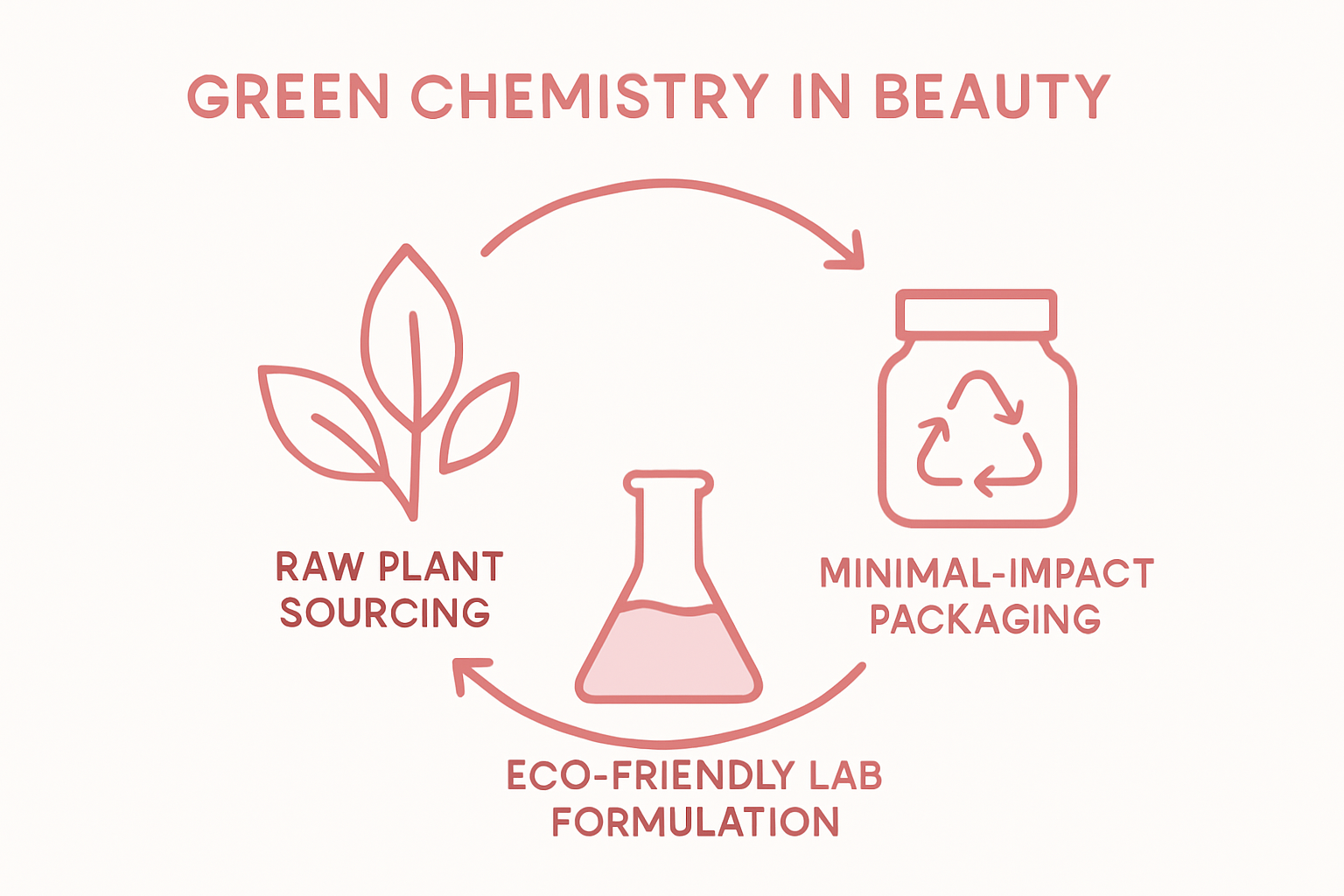
Ultimately, green beauty principles represent a profound shift from traditional cosmetic development. Instead of viewing product creation through a narrow lens of immediate effectiveness, these principles demand a comprehensive understanding of how each molecular choice impacts personal and planetary wellness. By embracing these scientifically rigorous standards, beauty brands can create products that truly nourish—transforming cosmetics from potential environmental burdens into agents of positive change.
How Green Chemistry Transforms Ingredient Safety
Ingredient safety represents the heart of green chemistry’s revolutionary approach to beauty formulations. Traditional cosmetic development often prioritized performance and aesthetics over comprehensive health considerations, but green chemistry fundamentally disrupts this paradigm by placing human and environmental wellness at the center of product design. This transformative strategy goes beyond simply avoiding harmful chemicals—it proactively engineers safer molecular structures from the ground up.
The core transformation in ingredient safety emerges through several critical mechanisms:
- Toxicity Reduction: Systematically eliminating potentially harmful synthetic compounds
- Natural Sourcing: Prioritizing plant-based ingredients with proven safety profiles
- Molecular Screening: Rigorously testing ingredients for long-term health impacts
- Biodegradability: Selecting compounds that break down naturally without environmental contamination
- Minimal Processing: Maintaining ingredient integrity through gentler extraction methods
By implementing these strategies, green chemistry fundamentally reshapes how manufacturers approach product development. Exploring the clean beauty movement reveals a profound commitment to transparency, where every ingredient is meticulously evaluated not just for immediate performance, but for its potential long-term effects on human health and ecological systems. This approach means moving beyond compliance with minimal safety standards to creating formulations that actively support wellness.

Ultimately, green chemistry’s approach to ingredient safety represents a holistic reimagining of beauty product development. Instead of viewing ingredients as isolated components, manufacturers now consider their comprehensive impact—from molecular structure to environmental degradation. This scientific philosophy transforms cosmetics from potential sources of harm into sophisticated wellness tools that nourish both personal and planetary health, proving that true beauty is fundamentally about protection, restoration, and responsible innovation.
Benefits for Sensitive and Eczema-Prone Skin
For individuals struggling with sensitive skin and eczema, green chemistry represents a revolutionary approach to healing and protection. Skin sensitivity is more than a cosmetic challenge—it’s a complex physiological response that demands a nuanced, scientifically informed approach to ingredient selection. Traditional beauty products often exacerbate skin conditions by introducing harsh synthetic chemicals, but green chemistry offers a fundamentally different pathway toward skin restoration and comfort.
The benefits for sensitive and eczema-prone skin emerge through several critical mechanisms:
- Inflammation Reduction: Using natural anti-inflammatory botanical ingredients
- Barrier Restoration: Supporting the skin’s natural protective mechanisms
- Allergen Elimination: Removing common synthetic irritants
- Microbiome Support: Nurturing beneficial skin bacteria
- Hydration Without Irritation: Providing moisture through gentle, plant-based compounds
While traditional approaches often treat symptoms reactively, green chemistry takes a proactive stance in supporting skin health. Exploring specific plant oils for sensitive skin reveals how carefully selected natural ingredients can provide profound healing benefits. By understanding the intricate molecular interactions between botanical compounds and skin tissue, manufacturers can create products that don’t just cover up irritation, but actively work to restore and balance sensitive skin environments.
Ultimately, green chemistry transforms skin care for those with sensitivity from a defensive struggle into a nurturing experience. Instead of fearing product interactions, individuals with eczema and sensitive skin can now approach beauty routines with confidence, knowing that each ingredient has been thoughtfully selected to support healing, reduce inflammation, and respect the body’s natural protective mechanisms. This approach represents more than a scientific breakthrough—it’s a compassionate reimagining of how beauty products can genuinely serve those with the most delicate skin needs.
Navigating Labels, Standards, and Greenwashing
Green beauty terminology represents a complex landscape where marketing claims often blur the lines between authentic sustainability and superficial environmental posturing. Consumers face an increasingly challenging environment of sophisticated marketing strategies designed to create an illusion of ecological responsibility. Understanding the nuanced differences between genuine green chemistry principles and greenwashing requires a critical, informed approach to product evaluation.
To effectively distinguish authentic green beauty products, consumers should focus on several key indicators:
- Ingredient Transparency: Complete, clear listing of all product components
- Third-Party Certifications: Verifiable environmental and safety standards
- Specific Claims: Concrete, measurable sustainability statements
- Minimal Processing: Evidence of gentle, low-impact manufacturing
- Scientific Documentation: Research-backed environmental claims
Exploring clean beauty terminology reveals the critical importance of understanding industry language. Genuine green chemistry goes beyond marketing buzzwords, requiring comprehensive molecular design that prioritizes human and environmental health. Consumers should look for brands that provide detailed information about ingredient sourcing, manufacturing processes, and long-term environmental impact—not just superficial green packaging or vague ecological promises.
Ultimately, navigating the green beauty landscape demands active consumer education and critical thinking. The most powerful tool against greenwashing is knowledge—understanding that true sustainability is a holistic approach, not a marketing slogan. By developing a discerning eye for authentic green chemistry principles, consumers can make informed choices that support both personal wellness and environmental preservation, transforming their purchasing power into a meaningful act of ecological responsibility.
Discover the Power of Green Chemistry with Pure Light Botanical Beauty
If you are searching for beauty products that truly honor green chemistry principles and respect sensitive skin, Pure Light Botanical Beauty offers an inspiring solution. This article highlights the challenge of harmful synthetic ingredients and greenwashing in cosmetics, emphasizing the need for safer, natural products that nurture both skin and the environment. Pure Light Botanical Beauty addresses these concerns by crafting formulas that are plant-based, thoughtfully designed, and ideal for those with eczema or sensitivity who want to experience skin restoration without irritation.
Experience a beauty ritual that blends scientific innovation with botanical wellness by exploring our collection at Pure Light Botanical Beauty. Learn more about how clean, conscious formulations transform your skin in our Non-Toxic Beauty Guide and deepen your understanding of eco-conscious cosmetics with our Benefits of Conscious Cosmetics. Take the next step toward radiant, healthy skin today—because your beauty routine should protect and nourish your true self and our planet.
Frequently Asked Questions
What is green chemistry in beauty products?
Green chemistry in beauty involves developing cosmetic formulations that are safer and more sustainable. It prioritizes non-toxic ingredients, biocompatibility, and environmentally-friendly production methods, ultimately focusing on human and ecological health.
How does green chemistry improve ingredient safety in cosmetics?
Green chemistry enhances ingredient safety by systematically eliminating harmful synthetic compounds, prioritizing natural sources, and rigorously testing ingredients for toxicity and long-term health effects, ensuring that products are both effective and safe for users.
What are the benefits of green beauty products for sensitive skin?
Green beauty products benefit those with sensitive skin by using natural ingredients that reduce inflammation, restore the skin barrier, eliminate common irritants, and provide gentle hydration without causing further irritation.
How can consumers avoid greenwashing in beauty products?
To avoid greenwashing, consumers should look for ingredient transparency, third-party certifications, specific sustainability claims, and scientific documentation that supports environmental assertions. Being informed about genuine green chemistry principles is key to making responsible choices.
Recommended
- Complete Guide to Non-Toxic Beauty Essentials – Pure Light Botanical Beauty
- What Is Clean Label Beauty? Complete Overview – Pure Light Botanical Beauty
- What is Clean Beauty? Understanding Its Importance and Benefits – Pure Light Botanical Beauty
- Clean Beauty Terminology Explained: A Deep Dive – Pure Light Botanical Beauty
- Sulphate-Free Shampoo: Benefits, Risks, and Best Choices Explained – LUXEVA