

Finding makeup that truly nurtures your sensitive skin can feel overwhelming. You want products that enhance your natural beauty without triggering irritation, redness, or flare-ups. While many brands tout botanical ingredients as healing, not all deliver on that promise. This guide helps you confidently identify safe, effective botanical ingredients that soothe your skin while elevating your makeup routine into a nurturing self-care ritual.
Table of Contents
- Understanding Sensitive Skin And Botanical Healing
- Healing Botanical Ingredients For Sensitive Skin
- Safety Considerations And Common Ingredients To Avoid
- Step-By-Step Ingredient Selection Process
- Common Mistakes And Troubleshooting
- Expected Results And Outcomes
- Discover Gentle Botanical Makeup For Sensitive Skin
- FAQ
Key takeaways
| Point | Details |
|---|---|
| Prioritize anti-inflammatory botanicals | Calendula, aloe vera, and reishi mushroom extracts reduce redness and support skin barrier repair. |
| Avoid common irritants | Skip fragrances, lanolin, harsh alcohols, and synthetic additives that trigger flare-ups. |
| Follow a structured selection process | Prep skin gently, evaluate ingredient evidence, patch test, and introduce products gradually. |
| Value ethical sourcing | Transparent, ethically sourced ingredients ensure higher quality and safer formulations. |
| Expect results within weeks | Consistent use typically shows visible improvement in 2 to 4 weeks. |
Understanding sensitive skin and botanical healing
Sensitive skin often stems from an impaired skin barrier and heightened inflammatory response. When your skin’s protective layer weakens, irritants penetrate more easily, causing redness, itching, and discomfort. Eczema-prone skin amplifies these challenges, requiring extra gentle care and nourishment.
Botanical ingredients can provide anti-inflammatory and barrier-strengthening benefits that conventional makeup lacks. These plant-based compounds work with your skin’s natural healing processes rather than against them. They deliver soothing relief while supporting long-term skin health and resilience.
Healing botanicals offer multiple benefits for sensitive skin:
- Reduce inflammation and calm irritation quickly
- Strengthen the skin barrier to prevent moisture loss
- Provide essential nutrients that support skin repair
- Minimize reactivity to environmental stressors
Understanding why botanical ingredients matter transforms how you approach makeup selection. Instead of viewing makeup as something your skin must tolerate, you can embrace it as part of your healing journey. The right botanicals turn your beauty routine into a moment of genuine care, where each application nourishes rather than depletes.
“Nature provides the gentlest yet most powerful solutions for sensitive skin when we choose ingredients wisely.”
This foundation helps you move beyond trial and error toward intentional, informed choices that honor your skin’s unique needs.
Healing botanical ingredients for sensitive skin
Specific botanical ingredients stand out for their proven ability to soothe and repair sensitive, eczema-prone skin. Understanding their unique benefits helps you build a makeup collection that truly serves your skin’s healing.

Calendula extract reduces inflammation remarkably well while helping repair your skin’s protective barrier. Its gentle nature makes it ideal even during active flare-ups. Aloe vera works quickly to reduce redness and provide deep hydration, offering immediate comfort when your skin feels irritated.
Reishi mushroom extract takes a different approach. This adaptogenic botanical calms inflammation while strengthening your skin barrier over time. It builds lasting resilience, making your skin less reactive to future triggers. The benefits of botanical ingredients extend beyond immediate relief to long-term transformation.
Hyaluronic acid and glycerin act as humectants that attract and retain moisture vital for barrier repair. These ingredients work beautifully in botanical formulas, boosting hydration while supporting your skin’s natural healing processes. They create a protective cushion that keeps irritants out while locking nourishment in.
| Botanical Ingredient | Primary Benefit | Best For | Application Timing |
|---|---|---|---|
| Calendula | Inflammation reduction | Active flare-ups | Daily, morning and evening |
| Aloe Vera | Quick redness relief | Immediate soothing | As needed |
| Reishi Mushroom | Long-term barrier repair | Building resilience | Daily, consistent use |
| Hyaluronic Acid | Deep hydration | Dry, flaking skin | Twice daily |
| Glycerin | Moisture retention | Barrier support | With every application |
Microbiome-regulating ingredients like prebiotics and probiotics restore balance by enhancing your natural skin barrier. They help beneficial bacteria thrive while keeping harmful ones in check, reducing the frequency and severity of eczema flare-ups.

Exploring the botanical ingredients list for sensitive skin relief reveals even more options tailored to specific concerns. Each ingredient brings its own gift to your healing journey.
Pro Tip: Combine fast-acting botanicals like aloe vera with adaptogens like reishi for both immediate relief and lasting repair. This layered approach addresses your skin’s needs at multiple levels simultaneously.
Safety considerations and common ingredients to avoid
Not all botanical ingredients suit sensitive skin. Some commonly used plant-based compounds trigger irritation or allergic reactions, undermining your healing efforts. Knowing what to avoid protects you from unnecessary flare-ups.
Fragrances rank as the leading cause of irritation in sensitive skin products. Even natural fragrances derived from essential oils can provoke reactions. Your skin doesn’t distinguish between synthetic and natural when it comes to fragrance molecules that trigger inflammation.
Avoid fragrance, lanolin, urea, and retinoids as they frequently exacerbate sensitive and eczema-prone skin. Lanolin, despite being natural, causes allergic contact dermatitis in a significant subset of people with eczema. Harsh alcohols like denatured alcohol strip your skin’s protective oils, leaving it more vulnerable.
Other ingredients to watch for:
- Synthetic dyes and artificial colorants
- Preservatives like parabens and formaldehyde releasers
- Propylene glycol in high concentrations
- Citrus essential oils that increase photosensitivity
Choosing fragrance-free and hypoallergenic botanical products becomes essential for your skin’s safety. Read ingredient lists carefully, looking beyond marketing claims to the actual formulation. Products labeled “unscented” differ from “fragrance-free” because unscented products may contain masking fragrances.
“Natural does not always mean safe. Know your ingredients to avoid irritation and honor your skin’s unique sensitivities.”
This cautious approach might feel limiting at first, but it actually empowers you. You’re not settling for less. You’re choosing exactly what your skin needs to thrive, without the unnecessary extras that cause harm.
Step-by-step ingredient selection process
Selecting the right botanical ingredients requires a thoughtful, systematic approach. This process helps you evaluate makeup products effectively while minimizing risk and maximizing healing benefits.
-
Prepare your skin with a gentle, fragrance-free cleanser followed by a hydrating moisturizer. Clean, well-moisturized skin creates the ideal foundation for makeup application and helps you assess how products truly perform.
-
Prioritize botanicals with proven anti-inflammatory and barrier-repair evidence. Look for calendula, aloe vera, and reishi mushroom in formulations. These ingredients have clinical backing, not just marketing hype.
-
Avoid known irritants like fragrance and lanolin in product formulas. Scan ingredient lists carefully, remembering that ingredients appear in descending order by concentration. If irritants appear in the first five ingredients, skip that product.
-
Choose botanicals supporting the microbiome, such as prebiotics and probiotics. Using microbiome-balancing botanicals can reduce flare-up frequency by restoring your natural defense system.
-
Verify ethical sourcing and ingredient transparency for quality assurance. Brands committed to fair trade beauty ethical sourcing typically maintain higher standards throughout their production process.
Additional considerations:
- Check for third-party certifications like EWG Verified or USDA Organic
- Research brand reputation and customer reviews from people with similar skin concerns
- Contact companies directly with questions about ingredient sourcing or testing
- Consider whether products align with your values around sustainability and ethics
Pro Tip: Patch test each new botanical product on your inner forearm for 24 to 48 hours before applying to your face. Introduce one new product every two weeks to easily identify any that cause reactions.
| Ingredient | Immediate Benefit | Long-Term Benefit | Best Use Case |
|---|---|---|---|
| Aloe Vera | Fast redness relief within hours | Improved hydration over weeks | Active irritation or sudden flare-ups |
| Reishi Mushroom | Gentle calming within days | Strengthened barrier after 4+ weeks | Building resilience and prevention |
This comparison helps you choose strategically based on whether you need quick relief or lasting transformation. Understanding why botanical ingredients matter in both contexts guides smarter decisions. The skin-soothing beauty tips you discover along the way become part of your personalized care ritual.
Common mistakes and troubleshooting
Even with good intentions, common errors can undermine your botanical makeup selection. Recognizing these pitfalls helps you avoid frustration and accelerate your healing journey.
Mistake: Assuming all botanicals are safe for your sensitive skin. This leads to unexpected allergic reactions and discouragement.
Fix: Patch test every new product, even if it contains familiar botanicals. Check for potential allergens specific to your sensitivities. What works for others may not work for you.
Mistake: Neglecting proper skin prep before applying botanical makeup. This causes products to sit on dry, flaky skin, increasing irritation.
Fix: Use gentle cleansers and hydrating moisturizers before makeup application. Well-prepped skin absorbs botanical benefits better and shows improved results.
Mistake: Overlooking ingredient sourcing quality, which reduces effectiveness and safety. Lower-quality botanicals may contain contaminants or lack potency.
Fix: Choose brands with transparent, ethical sourcing practices. Higher-quality ingredients deliver better results and fewer reactions.
Mistake: Introducing several new botanical products simultaneously. When irritation occurs, you can’t identify the culprit.
Fix: Add one new product every two weeks. This systematic approach helps you build a collection of trusted products tailored to your skin.
Additional troubleshooting tips:
- If redness persists after two weeks, discontinue the product
- Store botanical products properly to maintain ingredient integrity
- Check expiration dates, as natural products have shorter shelf lives
- Consider seasonal adjustments, as your skin’s needs change with weather
Pro Tip: Keep a simple journal tracking products, application dates, and skin reactions. This record becomes invaluable for identifying patterns and refining your routine over time.
Expected results and outcomes
Understanding realistic timelines and success markers helps you stay committed to your botanical makeup journey. Healing happens gradually, requiring patience and consistency.
Visible skin barrier improvements often appear within 2 to 4 weeks of consistent botanical use. You’ll notice subtle changes first, like reduced tightness after cleansing or fewer random itchy patches throughout the day. These small wins signal that your skin is responding positively.
Key success signs include:
- Noticeable reduction in redness and inflammation
- Decreased frequency and intensity of itching
- Improved hydration with less flaking or dryness
- Fewer reactive episodes to environmental triggers
- Smoother texture and more even skin tone
Consistent product use proves critical for sustaining healing and building skin resilience. Your skin barrier doesn’t repair overnight. Each application contributes to the cumulative effect, strengthening your skin’s natural defenses layer by layer.
Ethically sourced botanicals typically yield safer, more effective results due to higher ingredient integrity. When plants are grown, harvested, and processed with care, their beneficial compounds remain potent and pure. This translates directly to better outcomes for your sensitive skin.
Your makeup routine transforms from a potential source of irritation into a healing ritual. The confidence that comes from knowing your products support rather than harm your skin radiates outward. You’re not just covering imperfections. You’re nurturing your natural beauty from within.
“Patience and consistency are your allies in sensitive skin healing. Trust the process and honor your skin’s timeline.”
Celebrate progress at every stage. Each calm day, each morning without new irritation, each moment you feel comfortable in your skin marks meaningful achievement.
Discover gentle botanical makeup for sensitive skin
Your journey toward healing botanical makeup deserves products created with your sensitive skin in mind. Pure Light Botanical Beauty offers makeup formulated with carefully selected botanicals that embody every principle in this guide.
Our formulations avoid common irritants while emphasizing the anti-inflammatory, barrier-supporting ingredients your skin craves. We prioritize transparency and ethical sourcing, ensuring every product meets the highest standards for purity and effectiveness.
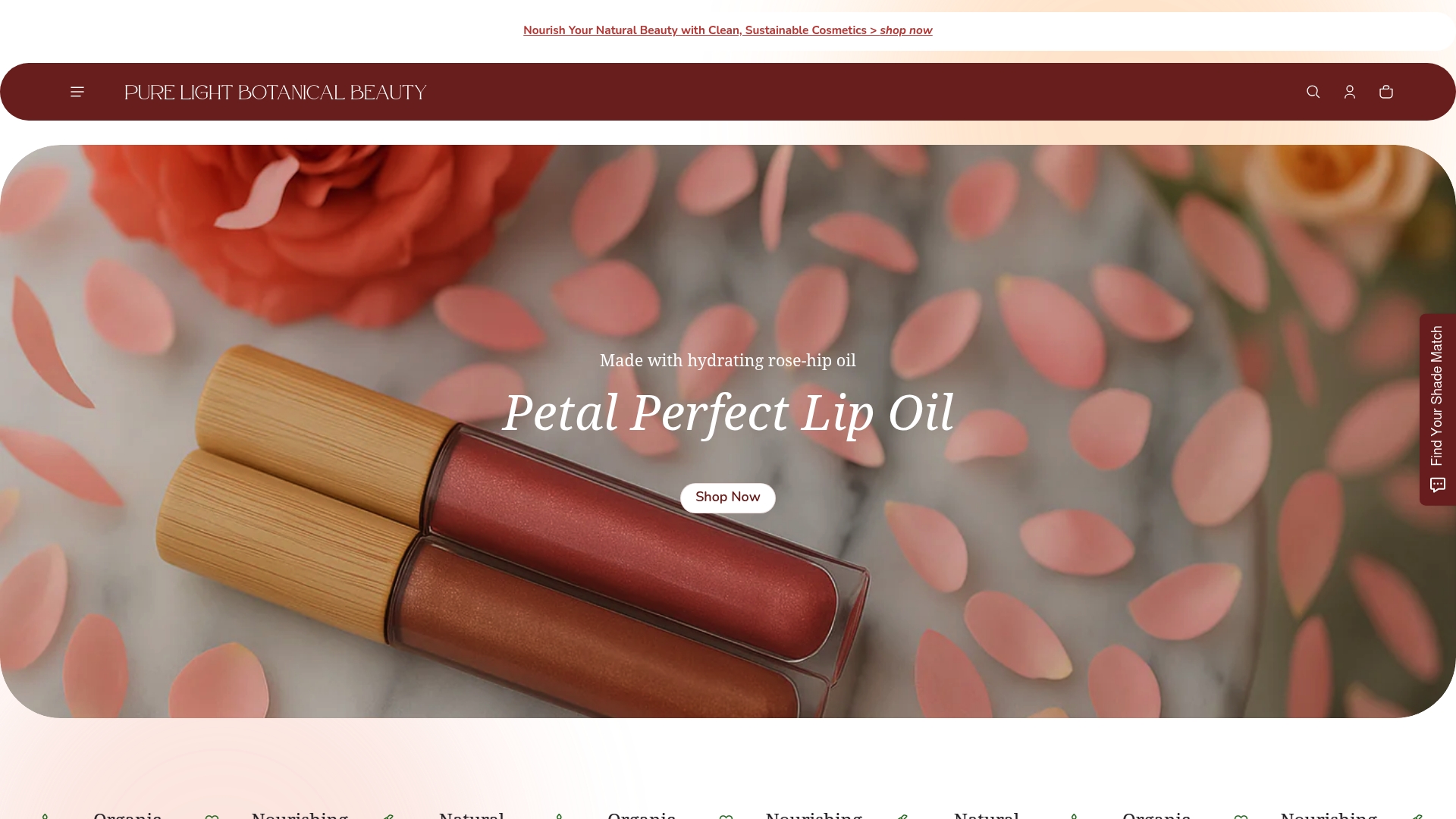
Explore collections designed to enhance your natural radiance while nurturing your skin’s health. Each product transforms your makeup routine into a moment of genuine self-care and healing. Discover how makeup can feel as good as it looks, supporting your skin’s wellness journey every single day.
Learn more about our impact and the ingredient philosophy that guides everything we create. Your sensitive skin deserves botanical beauty that truly heals.
FAQ
What botanical ingredients are best for eczema-prone skin?
Calendula, aloe vera, and reishi mushroom extracts are among the most effective botanicals for soothing eczema and enhancing barrier repair. Humectants like hyaluronic acid also boost hydration essential for healing.
How can I avoid irritation from botanical makeup?
Choose fragrance-free, hypoallergenic products and always perform patch tests before full facial application. Avoid known irritants such as lanolin, harsh alcohols, and synthetic fragrances. Introduce new products gradually, one every two weeks.
How long does it take to see results from botanical makeup?
Most users notice reduced redness and improved skin barrier function within 2 to 4 weeks of consistent use. Patience and regular application are essential for sustained benefits and lasting skin transformation.
Do all natural ingredients work for sensitive skin?
No, not all natural ingredients suit sensitive skin. Some botanicals like citrus essential oils or certain plant extracts can trigger allergic reactions. Always research specific ingredients and patch test new products before committing to full use.
Can botanical makeup replace my skincare routine?
Botanical makeup complements your skincare routine but shouldn’t replace it entirely. Proper cleansing, moisturizing, and targeted treatments remain essential. Botanical makeup adds an extra layer of nourishment and protection throughout the day while enhancing your natural beauty.
Recommended
- Why Botanical Ingredients Matter for Sensitive Skin – Pure Light Botanical Beauty
- How to Choose Natural Makeup for Sensitive Skin Relief – Pure Light Botanical Beauty
- Benefits of Botanical Ingredients for Sensitive Skin – Pure Light Botanical Beauty
- How to Use Botanical Oils for Sensitive Skin Relief – Pure Light Botanical Beauty