

When skin hydration drops below 10%, your barrier starts to crumble. Transepidermal water loss increases, inflammation rises, and suddenly your skin becomes vulnerable to irritants, allergens, and eczema flare-ups. For women with sensitive or eczema-prone skin, maintaining proper hydration isn’t just about comfort. It’s about protecting the foundation of your skin health and allowing your natural beauty to shine through with gentle, plant-based nourishment.
Table of Contents
- Understanding Skin Hydration: The Foundation Of Skin Health
- How Plant-Based Ingredients Hydrate And Nourish Sensitive Skin
- Common Misconceptions About Skin Hydration Debunked
- Comparing Hydration Solutions: Plant-Based Vs Conventional
- Practical Guide To Choosing And Using Hydrating Clean Cosmetics
- Bringing It All Together: Hydration For Beauty And Skin Wellness
- Discover Plant-Based Hydration With Pure Light Botanical Beauty
- Frequently Asked Questions
Key takeaways
| Point | Details |
|---|---|
| Hydration protects barrier integrity | Adequate moisture prevents irritation and reduces sensitivity by maintaining the skin’s natural defense system. |
| Plant-based ingredients hydrate gently | Natural emollients and humectants nourish without triggering flare-ups in sensitive or eczema-prone skin. |
| Synthetic fragrances worsen eczema | Up to 60% of eczema patients experience flare-ups from conventional cosmetic ingredients. |
| Hydration requires internal and external care | Topical products work best when combined with adequate water intake and lifestyle support. |
| Clean cosmetics support healing | Choosing plant-based formulas reduces irritation risk while enhancing natural radiance. |
Understanding skin hydration: the foundation of skin health
Your skin barrier is a living shield. It protects you from environmental damage, locks in moisture, and keeps irritants out. But this shield only works when it has enough water.
Stratum corneum hydration below 10% leads to barrier dysfunction and increased transepidermal water loss (TEWL), especially impacting sensitive skin and eczema. When water content drops, your skin cells shrink and separate. Tiny gaps form between them, creating pathways for irritants to penetrate and moisture to escape.
Women with eczema face an even greater challenge. Your barrier is already compromised, making every percentage point of hydration critically important. Without proper moisture, your skin can’t regulate temperature effectively, heal minor damage, or maintain its natural pH balance.
Here’s what happens when hydration falls:
- Skin becomes rough, flaky, and loses elasticity
- Redness and inflammation increase dramatically
- Itching intensifies, leading to scratch damage
- Products that once felt fine suddenly sting or burn
- Makeup sits poorly and emphasizes texture
Think of your skin barrier like a brick wall. The cells are bricks, and the lipids between them are mortar. When hydration is adequate, the mortar stays flexible and strong. When it’s low, the mortar crumbles. The wall develops cracks, and everything falls apart.
“Proper hydration isn’t a luxury for sensitive skin. It’s the difference between chronic inflammation and peaceful comfort.”
Maintaining moisture levels above that critical 10% threshold keeps your barrier resilient. Your skin can bounce back from environmental stress, resist allergens, and support the healing processes that reduce eczema symptoms over time.
How plant-based ingredients hydrate and nourish sensitive skin
Plant-based hydration works differently than synthetic alternatives. Natural ingredients mirror your skin’s own structure, allowing them to integrate seamlessly without triggering defensive reactions.
Shea butter reduces TEWL by 30% after 4 weeks, enhancing hydration without irritation. Plant oils like shea butter and jojoba contain fatty acids that replenish the lipids between your skin cells. They literally fill in the gaps in your barrier, sealing moisture inside.
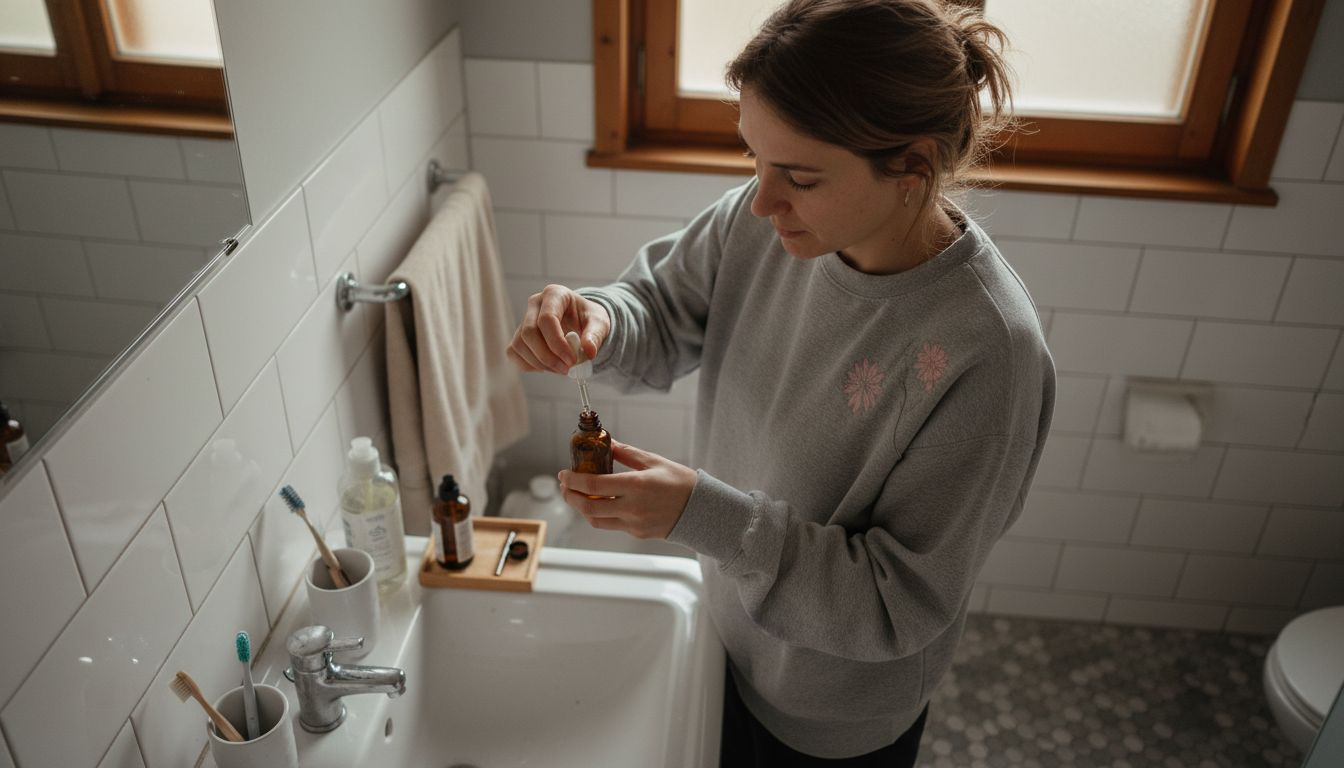
Humectants take a different approach. Glycerin increases skin water content by 40% over three weeks without disrupting sensitive skin. These molecules attract water from the air and deeper skin layers, pulling it into the cells where it’s needed most. Aloe vera, honey, and hyaluronic acid work similarly, each drawing moisture to parched skin gently.
But hydration alone isn’t enough for eczema-prone skin. You also need to calm inflammation. Combinations of moisturizing and anti-inflammatory botanicals like calendula and chamomile accelerate barrier recovery by up to 25%. These plant extracts reduce redness, soothe itching, and support your skin’s natural healing processes.
Here’s how different plant ingredients support hydration:
| Ingredient Type | Examples | Primary Function | Best For |
|---|---|---|---|
| Emollients | Shea butter, jojoba, coconut oil | Seal moisture, repair lipid barrier | Dry, flaky skin |
| Humectants | Glycerin, aloe vera, honey | Attract and bind water | Dehydrated, tight skin |
| Anti-inflammatory | Calendula, chamomile, oat | Reduce redness, calm irritation | Eczema, reactive skin |
| Occlusives | Beeswax, plant waxes | Lock in moisture layers | Very dry, compromised barriers |
The magic happens when you combine these categories. An emollient provides structural lipids. A humectant brings in water. An anti-inflammatory calms any reaction. Together, they create a complete hydration system that respects your skin’s sensitivity.
Pro Tip: When layering skincare products naturally, apply humectants first on damp skin, then seal with emollients. This technique maximizes water absorption and retention.
Your skin recognizes plant-based ingredients. They don’t trigger the same alarm responses as synthetic chemicals because they’re chemically similar to compounds your body already produces. This compatibility reduces inflammation risk while delivering superior hydration.
Common misconceptions about skin hydration debunked
Misunderstanding hydration leads women to make choices that worsen their sensitive skin. Let’s clear up the confusion.
Misconception 1: Topical products are all you need. Many women focus exclusively on creams and serums, ignoring internal hydration. Internal hydration improves skin moisture content by approximately 10 to 15% and is necessary alongside topical care. Drinking adequate water supports your skin from the inside, allowing topical products to work more effectively. Your blood carries water to skin cells, creating the foundation that external moisturizers build upon.
Misconception 2: Oily skin doesn’t need hydration. This myth damages countless complexions. Your skin produces excess oil when it’s dehydrated, trying to compensate for missing moisture. Even oily, acne-prone skin needs water. The key is choosing lightweight, non-comedogenic humectants instead of heavy oils. Aloe vera and glycerin hydrate without adding grease.
Misconception 3: All moisturizers are equally safe. Women with eczema learn this one the hard way. Synthetic fragrances, preservatives, and dyes in conventional products trigger flare-ups regularly. These chemicals penetrate compromised barriers easily, causing reactions that damage skin further. Plant-based alternatives avoid these irritants entirely, making them fundamentally safer for sensitive skin.
Pro Tip: If a product lists “fragrance” or “parfum” in the ingredients, skip it. These terms hide dozens of potential irritants that manufacturers don’t have to disclose individually.
Here’s the truth about effective hydration:
- Your skin needs both water (hydration) and oils (moisture) to function properly
- Internal and external hydration work synergistically, not independently
- Product safety matters as much as product efficacy for sensitive skin
- Consistency beats intensity when building barrier health
Many women also believe that heavy, thick creams provide better hydration than lighter formulas. Texture doesn’t equal effectiveness. A well-formulated serum with quality humectants often outperforms a dense cream full of synthetic thickeners. Your skin absorbs what it can use, and plant-based ingredients in any texture deliver superior results when formulated correctly.
Comparing hydration solutions: plant-based vs conventional
The choice between plant-based and conventional hydration products isn’t just philosophical. It has measurable impacts on your skin health, particularly when you’re managing eczema or sensitivity.
Plant-based hydrating products offer natural compatibility. Their fatty acid profiles match your skin’s own lipid composition, allowing seamless integration into your barrier. They provide anti-inflammatory benefits alongside hydration, supporting healing instead of just masking dryness. Most importantly, they avoid the synthetic preservatives and fragrances that trigger reactions.
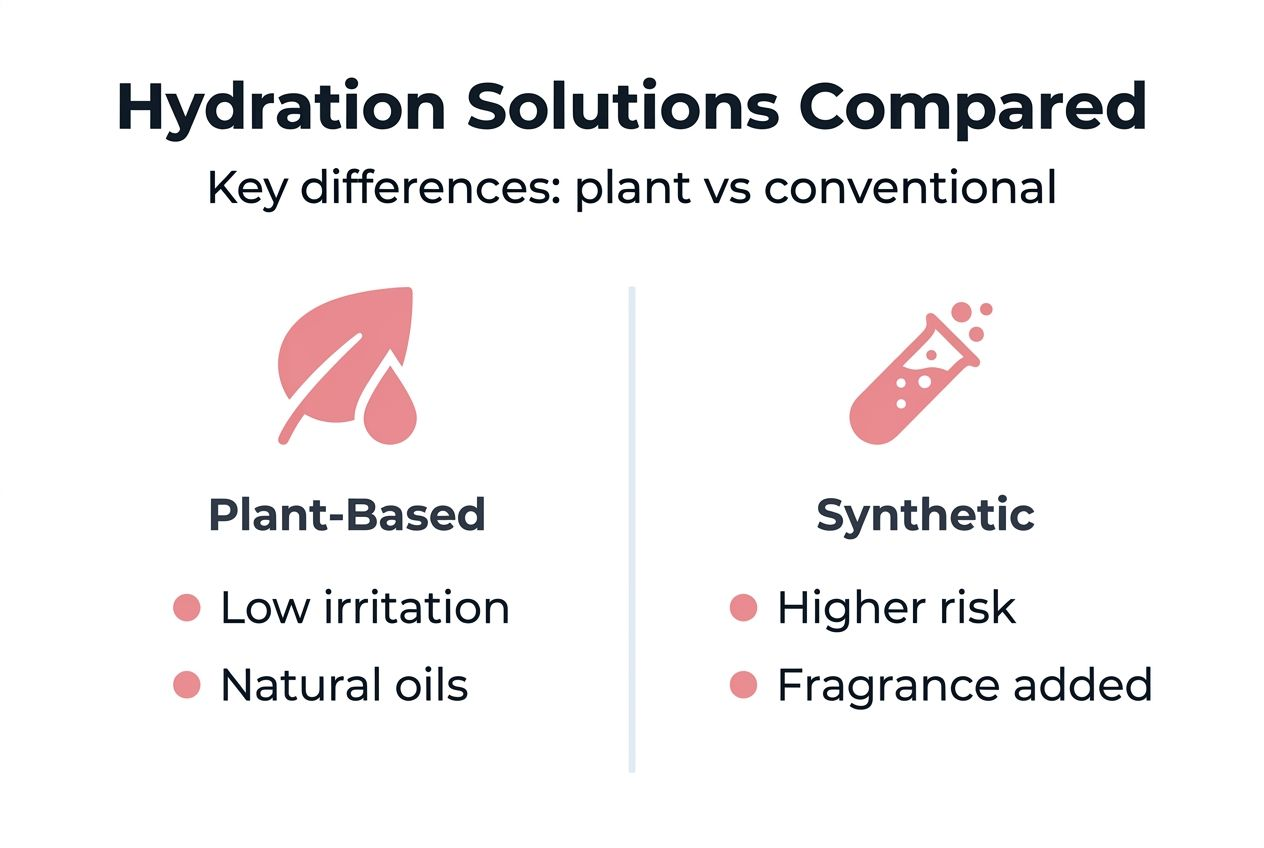
Up to 60% of eczema patients report synthetic fragrance and preservatives in cosmetic products as triggers for flare-ups. Conventional moisturizers often contain parabens, phthalates, and artificial scents that penetrate damaged barriers and provoke immune responses. These chemicals may provide temporary moisture, but they worsen the underlying condition over time.
Here’s how the two approaches compare:
| Factor | Plant-Based | Conventional Synthetic |
|---|---|---|
| Irritation Risk | Low to minimal | Moderate to high |
| Barrier Compatibility | High, mimics natural lipids | Variable, often foreign to skin |
| Anti-inflammatory | Yes, inherent botanicals | Rare, requires added actives |
| Fragrance Source | Essential oils or unscented | Synthetic fragrance compounds |
| Long-term Safety | Excellent for sensitive skin | Concerns about cumulative exposure |
| Environmental Impact | Biodegradable, sustainable | Often petroleum-derived |
Conventional products prioritize shelf stability and cosmetic elegance over skin compatibility. Manufacturers add synthetic preservatives to extend product life, thickeners to create luxurious textures, and fragrances to appeal to mass market preferences. Each addition increases irritation potential.
Plant-based formulas take the opposite approach. They use minimal, carefully selected ingredients that each serve a skin-supporting purpose. You won’t find filler ingredients or unnecessary additives. Every component either hydrates, protects, or soothes.
Key advantages of plant-based hydration:
- Reduces inflammation while moisturizing
- Supports natural barrier repair processes
- Minimizes allergic reaction risk
- Provides vitamins and antioxidants alongside hydration
- Aligns with clean beauty principles
For women with eczema, this difference is life-changing. Switching from conventional to plant-based hydration often reduces flare-up frequency and severity dramatically. Your skin finally gets support instead of assault, allowing it to heal and strengthen over time.
Practical guide to choosing and using hydrating clean cosmetics
Knowing what to look for transforms shopping from overwhelming to empowering. These guidelines help you identify truly hydrating, safe products for your sensitive skin.
Start by reading ingredient lists carefully. Look for plant-based humectants like glycerin, aloe vera, or hyaluronic acid in the first five ingredients. These should be followed by nourishing emollients such as shea butter, jojoba oil, or plant-derived squalane. Anti-inflammatory botanicals like calendula, chamomile, or oat extract provide bonus soothing benefits.
Synthetic fragrances and preservatives often cause irritation and eczema flare-ups, while clean formulas with botanical ingredients minimize these risks. Avoid anything listing fragrance, parfum, parabens, phthalates, or synthetic dyes. These ingredients offer no skin benefit and carry significant irritation potential.
Red flags to avoid:
- Fragrance or parfum (hides multiple potential irritants)
- Parabens (methylparaben, propylparaben, butylparaben)
- Phthalates (often unlisted, hidden in “fragrance”)
- Synthetic dyes (FD&C or D&C followed by color and number)
- Mineral oil or petrolatum (occlusive but non-nourishing)
- Denatured alcohol (extremely drying)
Green flags to seek:
- Plant oils listed by botanical name
- Recognizable plant extracts
- Minimal ingredient lists (under 20 ingredients)
- Certifications like USDA Organic or EWG Verified
- Fragrance-free or essential oil-scented options
Pro Tip: Check your clean makeup checklist essentials to ensure every product in your routine meets safety standards for sensitive skin.
Integrating hydration into your daily routine maximizes results:
- Cleanse gently with plant-based, soap-free formulas that don’t strip natural oils
- Apply humectant serums or toners to damp skin immediately after cleansing
- Layer emollient moisturizers while skin is still slightly moist to seal in hydration
- Use eczema-safe makeup essentials that add moisture instead of depleting it
- Reapply hydrating products throughout the day as needed, especially in dry environments
When choosing natural makeup, prioritize products with built-in hydration benefits. Lip oils with plant-based ingredients, cream blushes with nourishing botanicals, and foundation with moisturizing components all contribute to your overall hydration strategy. Your makeup routine becomes part of your skin care ritual.
Consistency matters more than product quantity. A simple routine with three quality plant-based products used daily outperforms an elaborate routine with ten conventional products used sporadically. Your skin thrives on reliable, gentle nourishment.
Remember that clean makeup and self-care work together. Taking time to apply hydrating products mindfully reduces stress, which independently improves skin health. The ritual itself becomes healing.
Bringing it all together: hydration for beauty and skin wellness
Proper hydration transforms more than just your skin texture. It changes how you move through the world.
When your skin is well-hydrated, it glows naturally. Light reflects evenly off smooth, plump cells instead of scattering across flaky, dehydrated surfaces. You need less makeup because your natural radiance shines through. Confidence grows as discomfort fades and you rediscover what it feels like to be at ease in your own skin.
Plant-based hydration accelerates this transformation. By combining moisture with anti-inflammatory botanicals, you address both immediate symptoms and underlying barrier dysfunction. Your skin doesn’t just look better temporarily. It actually becomes healthier, stronger, and more resilient.
The benefits extend beyond the physical:
- Reduced daily discomfort and itching improves mood and focus
- Confidence in your appearance supports self-expression
- Time spent on self-care rituals reduces stress and anxiety
- Success in managing eczema creates a sense of empowerment
Daily hydration rituals nurture long-term wellness. Each time you apply a nourishing plant-based product, you’re investing in your barrier health. Over weeks and months, this consistent support allows your skin to rebuild, repair, and thrive. The transformation isn’t always dramatic or immediate, but it’s profound and lasting.
Combining hydration with clean cosmetics creates a complete approach to natural beauty. Your natural beauty routine steps should include both skincare hydration and makeup that continues that nourishment. When every product supports your skin health, you’re no longer choosing between looking good and feeling good.
Holistic beauty routines for sensitive skin recognize that true beauty flows from wellness. Hydration is the foundation, but sleep, nutrition, stress management, and gentle movement all contribute to skin radiance. When you address your whole self, your skin reflects that inner vitality.
Your sensitivity is not a flaw to overcome. It’s valuable information about what your body needs. Honoring that sensitivity by choosing gentle, plant-based hydration is an act of self-respect that pays dividends in comfort, confidence, and natural beauty.
Discover plant-based hydration with Pure Light Botanical Beauty
Nurturing your sensitive skin doesn’t mean settling for products that don’t work or compromising on your values. Pure Light Botanical Beauty creates clean cosmetics specifically designed for women who need both effectiveness and gentleness.
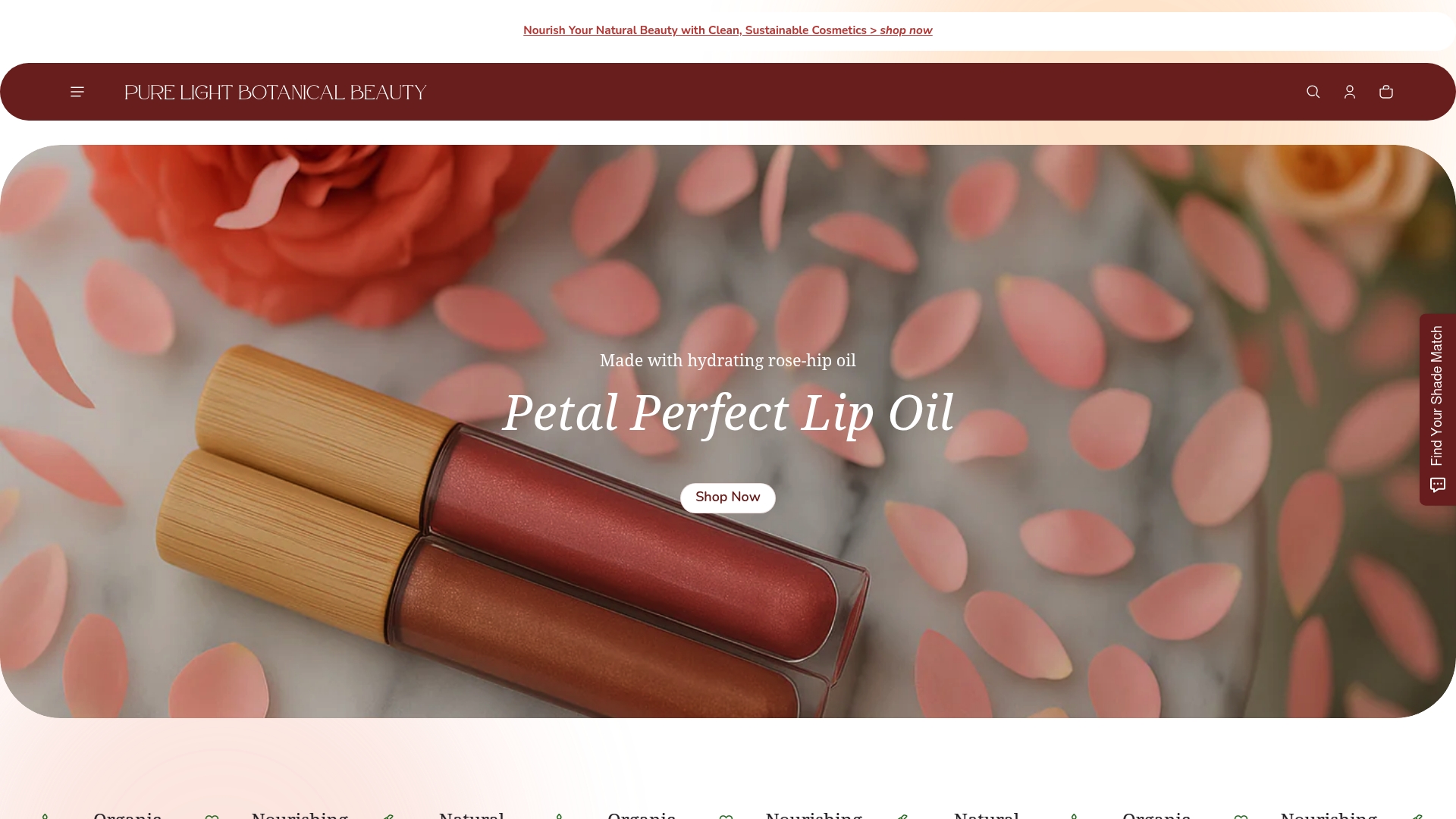
Every formula combines plant-based emollients, soothing botanicals, and effective humectants to deliver lasting hydration without irritation. From lip oils that moisturize while adding subtle color to cream blushes that glide on smoothly over sensitive skin, each product is crafted to support your barrier health.
Explore their collection of eczema-safe makeup essentials and discover how clean cosmetics can enhance your natural beauty while respecting your skin’s needs. Their clean makeup checklist essentials guide helps you build a complete routine that prioritizes hydration at every step.
Frequently asked questions
What happens when skin lacks hydration?
When hydration drops below critical levels, your skin barrier becomes compromised. Transepidermal water loss increases, cells shrink and separate, and tiny gaps form that allow irritants to penetrate while moisture escapes. You’ll experience increased sensitivity, inflammation, rough texture, and persistent discomfort. For eczema-prone skin, dehydration triggers flare-ups and intensifies itching.
Can oily or sensitive skin still need hydration?
Absolutely. Oily skin often produces excess sebum as a response to dehydration, not because it has enough moisture. Your skin needs water even if it has sufficient oil. Sensitive skin particularly requires gentle hydration to maintain barrier integrity and reduce reactivity. The solution is choosing lightweight, plant-based humectants that add water without heaviness or irritation.
Are plant-based hydrating ingredients safer for eczema?
Yes, significantly safer. Plant-based ingredients have chemical structures similar to your skin’s natural components, reducing the likelihood of immune reactions. They avoid synthetic fragrances, preservatives, and dyes that trigger up to 60% of eczema flare-ups. Additionally, many botanical ingredients provide anti-inflammatory benefits alongside hydration, supporting barrier repair rather than just masking dryness.
How do I know if a product will irritate my sensitive skin?
Check the ingredient list first. Avoid products containing fragrance, parabens, phthalates, synthetic dyes, or denatured alcohol. Look for minimal ingredient lists focused on recognizable plant extracts and oils. Patch test new products on your inner arm for 24 hours before applying to your face. Products specifically formulated for eczema or sensitive skin undergo additional safety testing and typically minimize irritation risk.
Is drinking water enough to hydrate my skin?
No, though internal hydration is essential. Drinking adequate water improves skin moisture content by 10 to 15%, creating a foundation for skin health. However, you also need topical products to seal that moisture in and repair your barrier from the outside. Internal and external hydration work synergistically. Neither alone is sufficient, but together they create optimal results for sensitive and eczema-prone skin.
Recommended
- Glowing Skin Routine Guide for Sensitive Skin Relief – Pure Light Botanical Beauty
- Skin-Soothing Beauty Tips for Sensitive Skin – Pure Light Botanical Beauty
- 7 Best Beauty Products Naturally for Sensitive Skin Relief – Pure Light Botanical Beauty
- 7 Soothing Oils Every Sensitive Skin Seeker Should Know – Pure Light Botanical Beauty