

TL;DR:
- Consistent skincare focusing on gentle cleansing, targeted exfoliation, and daily sun protection results in glowing skin within two weeks. Proper lifestyle habits like adequate sleep, hydration, and stress management support skin radiance, while over-treatment and poor barrier care hinder progress. Simplified routines and patience are key to achieving and maintaining natural, radiant skin.
Glowing skin is defined by a healthy, intact skin barrier supported by steady hydration, consistent cell renewal, and a calm skin environment. The steps to glowing skin are not complicated, but they do require consistency. A routine built on gentle cleansing, targeted exfoliation, deep hydration, and daily sun protection delivers visible results. Most people see texture improvement within 14 days using dermatologist-recommended methods. The good news is that clear and glowing skin is achievable without a 12-step cabinet full of products.
What foundational skincare steps create glowing skin?
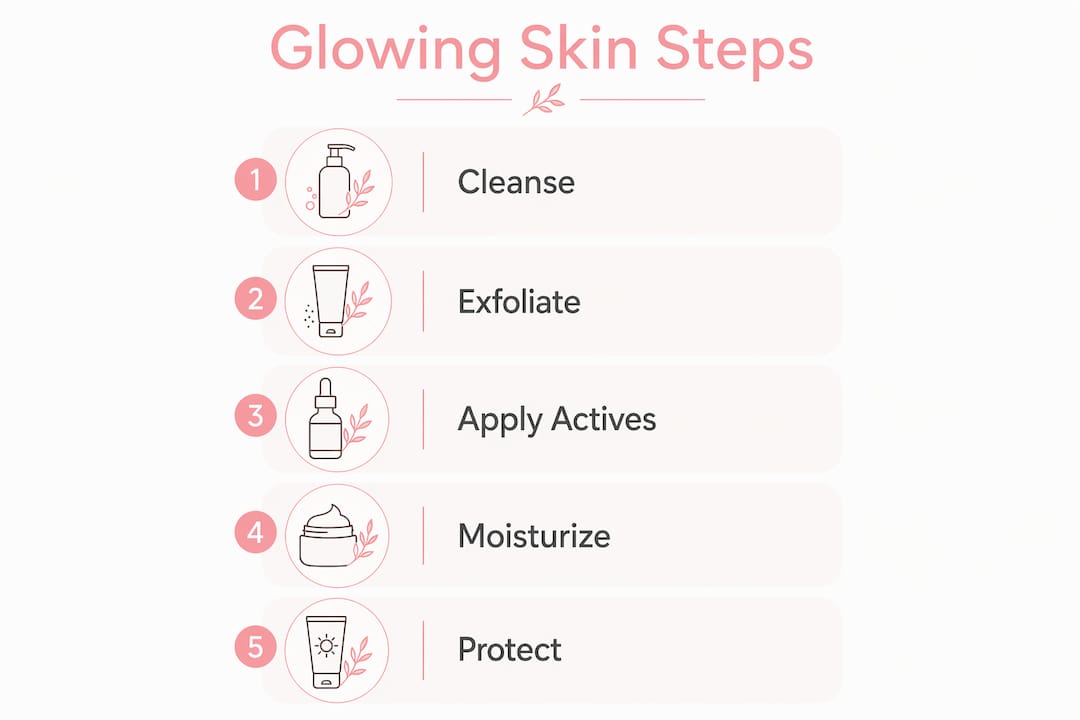
The core steps for radiant skin follow a clear sequence: cleanse, exfoliate, apply actives, moisturize, and protect. Each step builds on the last. Skip one, and the others underperform.
Cleansing: the non-negotiable first step
Cleansing removes the day’s buildup of oil, pollution, and dead cells that sit on the surface and block light reflection. A gentle, sulfate-free cleanser works for most skin types. Harsh soaps strip the barrier, which causes your skin to produce more oil and look duller. Cleanse morning and evening, but keep it brief. Thirty seconds is enough.
Exfoliation: the step that unlocks brightness
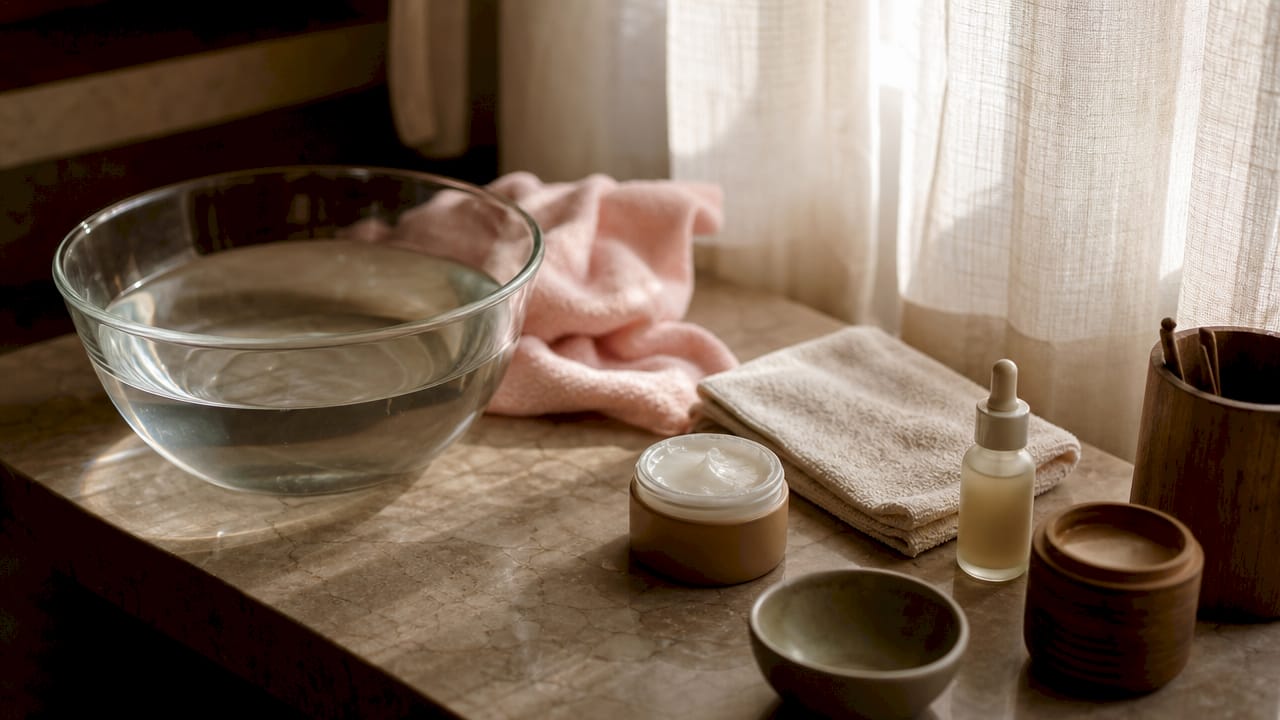
Exfoliation encourages cell turnover and allows nourishing products to absorb more deeply. Without it, dead cells pile up on the surface and scatter light unevenly, which is what makes skin look flat and tired. Chemical exfoliants like glycolic acid (an AHA) and salicylic acid (a BHA) dissolve the bonds between dead cells without the micro-tears that physical scrubs cause. Limit exfoliation to 1–2 times per week to prevent barrier damage.
Active ingredients that drive radiance
Three actives make the biggest difference for glow: Vitamin C, hyaluronic acid, and niacinamide. Vitamin C brightens uneven tone and protects against oxidative stress. Niacinamide reduces redness and strengthens the barrier. Hyaluronic acid pulls water into the skin, plumping it from within. Apply these in serum form after cleansing, before moisturizer.
Pro Tip: Apply hyaluronic acid to damp skin immediately after cleansing. On dry skin, hyaluronic acid pulls moisture from deeper layers, which actually dehydrates you further.
Moisturizing and sun protection
A moisturizer seals in the actives you just applied and keeps the barrier intact. Choose one with ceramides or plant-based oils for lasting hydration. Sun protection is the final and most protective step. Broad-spectrum SPF 30+ prevents collagen breakdown and pigmentation that directly dim your natural radiance. Apply it every morning, rain or shine.
| Step | Frequency | Purpose |
|---|---|---|
| Gentle cleanse | Morning and evening | Remove impurities without stripping barrier |
| Chemical exfoliant | 1–2 times per week | Boost cell turnover and product absorption |
| Vitamin C serum | Morning | Brighten tone and fight oxidative damage |
| Hyaluronic acid serum | Morning and evening | Deep hydration and plumping |
| Niacinamide serum | Morning or evening | Reduce redness and strengthen barrier |
| Moisturizer | Morning and evening | Seal in hydration and protect barrier |
| SPF 30+ sunscreen | Every morning | Prevent pigmentation and collagen loss |
How do nutrition, hydration, and lifestyle habits support glowing skin?
What you put inside your body shows up on your skin. No serum can fully compensate for poor sleep, chronic stress, or a diet low in nutrients. Internal wellness factors like omega-3 intake, sleep quality, and stress management directly influence skin barrier health and radiance.
Poor sleep weakens skin repair and makes it harder to recover from daily environmental damage, regardless of which products you use. Aim for 7–9 hours consistently. Skin does its most active repair work overnight, so cutting sleep short interrupts that process.
Omega-3 fatty acids from oily fish like salmon and mackerel strengthen the skin barrier and reduce dryness. A stronger barrier holds moisture better, which directly translates to a plumper, more luminous appearance. Antioxidants from colorful fruits and vegetables fight the free radical damage that accelerates dullness. Think blueberries, spinach, and bell peppers on your plate as much as serums on your skin.
Here are the lifestyle habits that most reliably support a natural glow:
- Drink at least 8 glasses of water daily, and eat water-rich foods like cucumber, watermelon, and celery
- Eat oily fish 2–3 times per week for omega-3 fatty acids, or supplement with fish oil
- Prioritize 7–9 hours of sleep to allow overnight skin barrier repair
- Practice stress management through movement, breathwork, or quiet time, since cortisol breaks down collagen
- Use gentle facial massage during your routine to stimulate circulation and lymphatic drainage
- Limit alcohol and refined sugar, both of which accelerate glycation and dull the complexion
These habits are not optional extras. They are the foundation that makes your skincare routine actually work.
What common mistakes hinder glowing skin and how to avoid them?
The fastest way to lose your glow is irritation. Minimalism in skincare and avoiding over-treatment preserves radiance far better than an aggressive, product-heavy approach. Most people who struggle with dullness are actually doing too much, not too little.
Over-exfoliation damages the barrier and causes redness and dullness that takes weeks to repair. Exfoliating daily feels productive, but it strips away the cells your barrier needs to stay intact. A gentle, consistent routine outperforms intense sporadic treatments every time.
Misapplying hyaluronic acid is another common error. When you apply it to dry skin, it draws moisture upward from deeper layers instead of pulling it in from the air. The result is tighter, drier skin, which is the opposite of what you want. Always apply it to damp skin and follow immediately with a moisturizer to lock everything in.
Skipping sunscreen is the single most damaging habit for long-term skin radiance. UV exposure breaks down collagen, creates uneven pigmentation, and undoes every brightening step in your routine. SPF is not optional for anyone who wants lasting glow.
Signs your skin is irritated or barrier-damaged:
- Persistent redness or flushing after applying products
- Tight, uncomfortable feeling after cleansing
- Increased sensitivity to products you previously tolerated
- Flaking or peeling without using a retinol
- Breakouts in areas where you do not normally break out
- Dullness that does not improve despite a full routine
If you notice these signs, strip your routine back to cleanser, moisturizer, and SPF for one to two weeks. Let the barrier recover before reintroducing actives.
How to customize your routine for different skin types?
The core steps stay the same across skin types. What changes is the specific products and frequencies you use. A step-by-step glow routine looks different for sensitive skin than it does for oily or dry skin.
Choosing exfoliants by skin type and integrating them thoughtfully boosts cellular turnover without causing damage. Acne-prone and oily skin responds best to BHAs like salicylic acid, which penetrate the pore lining and dissolve oil-based buildup. Dry skin does better with AHAs like lactic acid, which exfoliate the surface while also drawing in moisture. Sensitive skin benefits most from a very low concentration of either, used just once per week.
For those with sensitive skin or conditions like eczema, botanical and plant-based ingredients are a gentler path to radiance. You can learn more about glowing with botanicals and how they support even the most reactive skin.
| Skin type | Cleanser | Exfoliant | Moisturizer | Exfoliation frequency |
|---|---|---|---|---|
| Oily or acne-prone | Gel or foam, oil-free | BHA (salicylic acid) | Lightweight gel or fluid | 2 times per week |
| Dry | Cream or milk cleanser | AHA (lactic acid) | Rich cream with ceramides | 1 time per week |
| Sensitive or eczema-prone | Fragrance-free, ultra-gentle | Low-dose AHA or enzyme | Barrier-repair cream | Once per week or less |
| Combination | Gentle gel cleanser | AHA or BHA, zone-specific | Medium-weight lotion | 1–2 times per week |
Introduce new actives one at a time, with at least two weeks between additions. Your skin needs time to adjust, and adding multiple new ingredients at once makes it impossible to identify what is helping or causing a reaction.
Key Takeaways
Consistent, simple routines built on cleansing, targeted exfoliation, hydration, and daily SPF deliver the most reliable path to clear and glowing skin.
| Point | Details |
|---|---|
| Cleanse twice daily | Use a gentle, sulfate-free cleanser morning and evening to protect the skin barrier. |
| Exfoliate 1–2 times weekly | Chemical exfoliants like AHAs and BHAs boost cell turnover without damaging the barrier. |
| Apply humectants to damp skin | Hyaluronic acid draws moisture in when applied to damp skin; dry skin causes the opposite effect. |
| SPF 30+ is non-negotiable | Daily sunscreen prevents pigmentation and collagen breakdown that directly dim radiance. |
| Lifestyle supports your routine | Sleep, omega-3 intake, and stress management are as important as any product you apply. |
Why I think simplicity is the most underrated glow strategy
After years of paying close attention to what actually works for skin, the clearest pattern I see is this: the people with the most consistently radiant skin are not using the most products. They are using the right ones, every single day, without drama.
The beauty industry profits from complexity. New launches, layering systems, and 10-step routines feel exciting, but they often lead to irritation, wasted money, and confusion about what is actually helping. The science of real glowing skin points to a healthy barrier, steady hydration, and calm skin as the foundation. Everything else is secondary.
What I have found genuinely useful is treating your routine like a ritual rather than a task. When you slow down, apply products with intention, and actually notice how your skin feels, you start to hear what it needs. That awareness is more valuable than any trending ingredient.
Patience is the hardest part. Skin cycles take roughly 28 days, so real change takes time. Stick with a simple routine for at least four weeks before deciding it is not working. Most people quit too soon and never see the results that consistency would have delivered.
— Kaitlyn
Natural skincare that works with your skin, not against it
Purelightbotanicalbeauty was built on the belief that beauty and healing come from the same place: nature. Every formula uses clean, plant-based ingredients chosen to support skin health from the inside out, not just to sit on the surface.
If you are ready to build a routine around ingredients that genuinely nourish, the Purelightbotanicalbeauty collection includes products designed to complement every step covered here. From botanical formulas that support the skin barrier to nourishing finishes that enhance your natural radiance, each product is made with sensitive skin in mind. You can also explore the full natural ingredients guide to find the right fit for your skin type and goals.
FAQ
What are the basic steps to glowing skin?
The core steps are gentle cleansing, chemical exfoliation 1–2 times per week, applying active serums like Vitamin C and hyaluronic acid, moisturizing, and wearing SPF 30+ every morning. Consistency with these steps produces visible results within 14 days.
What helps your skin glow from the inside?
Omega-3 fatty acids, adequate sleep, and stress management all directly support skin barrier health and radiance. Drinking at least 8 glasses of water daily and eating antioxidant-rich foods like berries and leafy greens also contribute to a natural glow.
How often should I exfoliate for glowing skin?
Exfoliate 1–2 times per week using a chemical exfoliant suited to your skin type. Exfoliating more frequently damages the barrier and causes dullness and redness that can take weeks to resolve.
Can I get glowing skin with sensitive skin?
Yes. Sensitive skin benefits from fragrance-free cleansers, low-dose AHA or enzyme exfoliants used once per week, and barrier-repair moisturizers. Botanical and plant-based ingredients are especially well-suited for reactive skin types.
Why does my skin look dull even with a full routine?
Dullness despite a full routine often signals barrier damage from over-exfoliation or too many active ingredients at once. Strip back to cleanser, moisturizer, and SPF for one to two weeks, then reintroduce products one at a time.
Recommended
- Glowing Skin Secrets: Reveal Radiance Naturally Every Day – Pure Light Botanical Beauty
- Glowing Skin Steps for a Radiant Complexion Routine – Pure Light Botanical Beauty
- Natural Beauty Routine Steps for Radiant, Healed Skin – Pure Light Botanical Beauty
- What to Use to Make Your Skin Glow Naturally Every Day – Pure Light Botanical Beauty