

For women who struggle with sensitive skin, the search for truly gentle makeup often leads to frustration. Nearly 60 percent of American women report irritation or redness linked to mainstream cosmetic brands. The rising interest in holistic, plant-based alternatives reflects a worldwide shift toward healing beauty rituals that nurture both the skin and the planet. Discover what sets sustainable makeup apart with practical insights to support your journey to vibrant, irritation-free confidence.
Table of Contents
- Defining Sustainable Makeup And Core Principles
- Types Of Sustainable Makeup And Key Distinctions
- Benefits For Sensitive Skin And Healing Routines
- Eco-Friendly Packaging And Planet Impact
- Common Pitfalls And Ingredient Transparency
- Alternatives To Conventional Makeup Choices
Key Takeaways
| Point | Details |
|---|---|
| Sustainable Makeup Focus | Sustainable makeup integrates ecological responsibility and ethical production, prioritizing both personal beauty and environmental health. |
| Types of Sustainable Makeup | Categories include Organic, Vegan, Cruelty-Free, Biodegradable, and Clean Beauty, each with unique criteria for sustainable practices. |
| Benefits for Sensitive Skin | Sustainable makeup formulations can improve skin barrier function and reduce inflammation, making them suitable for sensitive skin. |
| Importance of Packaging | Eco-friendly packaging strategies, such as using recycled materials and refillable systems, are essential for minimizing environmental impact in the beauty industry. |
Defining sustainable makeup and core principles
Sustainable makeup represents a transformative approach to beauty that goes far beyond traditional cosmetic practices. At its core, this concept integrates ecological responsibility, human wellness, and ethical production into every aspect of product development. Unlike conventional makeup that prioritizes aesthetic appeal, sustainable makeup focuses on creating harmony between personal beauty, environmental health, and social welfare.
The foundational principles of sustainable makeup emerge from a holistic systems-based understanding of sustainability. These principles encompass five critical dimensions: material considerations, economic responsibility, domain of life preservation, social impact, and spiritual interconnectedness. In practical terms, this means selecting ingredients that are responsibly sourced, minimizing environmental footprint, supporting fair labor practices, and creating products that nourish both individual and planetary well-being.
Key characteristics of sustainable makeup include clean ingredient sourcing that prioritizes:
- Organic, plant-based raw materials
- Transparent supply chains
- Minimal processing and chemical interventions
- Biodegradable and recyclable packaging
- Cruelty-free production methods
- Carbon-neutral manufacturing processes
Pro tip: When evaluating sustainable makeup, look beyond marketing claims and research the brand’s actual environmental and ethical certifications to ensure genuine commitment to sustainability.
Types of sustainable makeup and key distinctions
Sustainable makeup has evolved into a nuanced landscape with multiple distinct categories, each representing a unique approach to ethical beauty. These types go beyond traditional cosmetic classifications, offering consumers comprehensive options that align with specific environmental, ethical, and health-conscious values. Innovative research has identified several key sustainable makeup classifications that provide holistic wellness solutions.
The primary types of sustainable makeup include organic makeup, vegan makeup, cruelty-free makeup, biodegradable makeup, and clean beauty products. Each category has specific criteria and standards:
- Organic Makeup: Utilizes ingredients grown without synthetic pesticides or fertilizers
- Vegan Makeup: Contains zero animal-derived ingredients
- Cruelty-Free Makeup: Produced without animal testing at any production stage
- Biodegradable Makeup: Uses ingredients that naturally decompose without environmental harm
- Clean Beauty: Focuses on non-toxic, transparently sourced ingredients
Beyond ingredient sourcing, sustainable makeup types differ in their manufacturing processes, environmental impact, and philosophical approaches to beauty. Microbiological and cell culture based formulations represent cutting-edge innovations, offering potential alternatives to traditional ingredient sourcing while minimizing ecological footprints. These emerging categories demonstrate how sustainable makeup transcends simple product classification, embodying a comprehensive commitment to planetary and personal wellness.
To better understand the unique qualities of each sustainable makeup type, see the comparison table below:
| Makeup Category | Main Focus | Unique Feature |
|---|---|---|
| Organic Makeup | Pesticide-free ingredients | Certified organic farms |
| Vegan Makeup | No animal derivatives | Plant and mineral only blends |
| Cruelty-Free Makeup | Ethical testing procedures | No animal testing at any stage |
| Biodegradable Makeup | Environmental decomposition | Leaves no harmful residue |
| Clean Beauty | Non-toxic, ethical transparency | Avoids controversial chemicals |
Pro tip: When exploring sustainable makeup options, always verify third-party certifications to ensure the product genuinely meets its claimed sustainable standards.
Benefits for sensitive skin and healing routines
Sensitive skin requires a nuanced approach to makeup that goes beyond traditional cosmetic application. Clean beauty routines offer more than aesthetic enhancement, providing therapeutic benefits that actively support skin health and reduce potential irritation. Recent scientific research demonstrates that sustainable makeup formulations can significantly improve skin barrier function, reduce inflammation, and promote long-term healing for individuals with reactive or delicate skin conditions.
The key benefits of sustainable makeup for sensitive skin include:
- Minimal Ingredient Complexity: Fewer synthetic chemicals reduce potential allergic reactions
- Natural Anti-Inflammatory Properties: Plant-based ingredients like chamomile and aloe vera soothe skin
- Microbiome Support: Gentle formulations help maintain healthy skin bacteria balance
- Barrier Restoration: Nutrient-rich botanical extracts help repair and strengthen skin
- Reduced Chemical Exposure: Elimination of harsh preservatives and synthetic compounds
Advanced biotechnological approaches in sustainable makeup development have revolutionized skincare for sensitive skin. Researchers have discovered that minimally processed, allergen-free ingredients not only minimize adverse reactions but actively contribute to skin wellness. These innovative formulations leverage green chemistry principles to create makeup that serves as a healing agent, transforming cosmetic application from a potential irritant to a therapeutic skincare intervention.

Pro tip: Perform a patch test with new sustainable makeup products and introduce them gradually into your skincare routine to ensure maximum compatibility with your sensitive skin.
Eco-friendly packaging and planet impact
Sustainable makeup extends far beyond product formulation, with eco-friendly packaging representing a critical frontier in environmental responsibility. Green chemistry innovations are transforming how cosmetic brands approach packaging design, focusing on reducing waste, minimizing carbon footprint, and creating circular product lifecycles that benefit both consumers and the planet.
Key strategies for sustainable packaging include:
- Recycled Material Usage: Utilizing post-consumer recycled plastics and papers
- Biodegradable Packaging: Developing containers that naturally decompose
- Lightweight Design: Reducing material weight to decrease transportation emissions
- Refillable Packaging Systems: Creating containers that can be repeatedly reused
- Minimal Packaging Approach: Eliminating unnecessary secondary packaging
Life-cycle assessments reveal that innovative packaging approaches can dramatically reduce environmental impact. Advanced materials like bio-based plastics, recycled content, and dematerialized designs offer significant reductions in carbon emissions and waste generation. By prioritizing packaging that is lightweight, recyclable, and designed with circularity in mind, sustainable makeup brands are reimagining the relationship between beauty products and environmental stewardship.
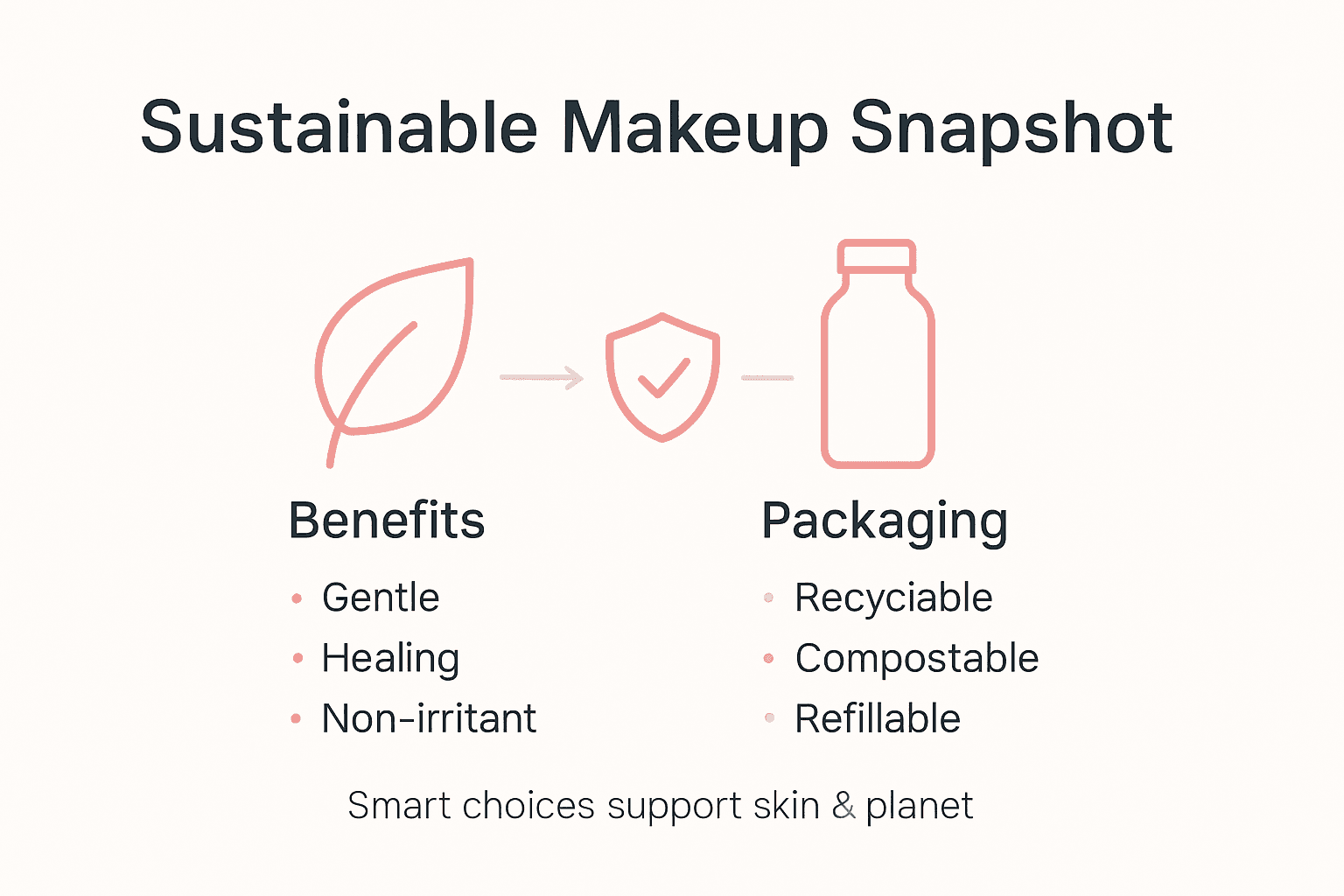
This summary table highlights key differences between eco-friendly packaging strategies:
| Packaging Strategy | Main Benefit | Example Application |
|---|---|---|
| Recycled Materials | Reduces raw resource use | Bottles from recycled PET |
| Biodegradable Packaging | Minimizes landfill waste | Cornstarch-based compacts |
| Refillable Systems | Extends product life | Makeup pots with refills |
| Lightweight Design | Lowers carbon emissions | Thin tubes for lip balms |
| Minimal Packaging | Cuts excess production | No secondary boxing |
Pro tip: Before purchasing makeup, examine the packaging and look for clear recycling symbols, material transparency, and evidence of sustainable design practices.
Common pitfalls and ingredient transparency
Navigating the complex landscape of sustainable makeup requires a critical understanding of potential ingredient transparency challenges. Decoding beauty ingredient lists has become increasingly important as consumers seek genuine, health-conscious products that align with their wellness goals. The clean beauty movement has exposed significant gaps in how cosmetic brands communicate their product compositions, revealing a minefield of marketing tactics and misleading claims.
Common pitfalls in sustainable makeup ingredient transparency include:
- Greenwashing: Using misleading marketing language to appear more sustainable
- Incomplete Ingredient Disclosures: Hiding specific chemical components
- Ambiguous Free-From Claims: Making broad statements without substantive evidence
- Lack of Supply Chain Traceability: Obscuring ingredient sourcing and production methods
- Misleading Natural Product Labels: Using terms like “natural” without clear definitions
Addressing these challenges requires a multifaceted approach that combines consumer education, regulatory oversight, and industry accountability. Emerging ingredient evaluation platforms and rigorous third-party certifications are helping to bridge transparency gaps, empowering consumers to make more informed choices about the products they use. By demanding clear, comprehensive information and supporting brands committed to genuine sustainability, individuals can drive meaningful change in the cosmetic industry.
Pro tip: Always research brands beyond their marketing materials, looking for detailed ingredient lists, third-party certifications, and verifiable sustainability commitments.
Alternatives to conventional makeup choices
The landscape of beauty is rapidly transforming, with biocosmetics emerging as a powerful alternative to conventional makeup products. Natural makeup options are revolutionizing how consumers approach cosmetic selections, offering solutions that prioritize skin health, environmental sustainability, and personal wellness. These alternatives go beyond traditional formulations, presenting innovative approaches that challenge long-standing industry standards.
Key alternatives to conventional makeup include:
- Plant-Based Pigments: Natural colorants extracted from fruits, vegetables, and minerals
- Mineral Makeup: Derived from pure, ground minerals with minimal processing
- Microbial-Derived Ingredients: Sustainable biological compounds produced through advanced biotechnology
- Organic Crop-Based Formulations: Ingredients sourced from certified organic agricultural practices
- Biodegradable Cosmetic Materials: Components that naturally break down without environmental harm
Advanced extraction techniques and biotechnological innovations are driving significant improvements in alternative makeup formulations. Researchers are developing sophisticated methods to create high-performance cosmetic products that eliminate synthetic chemicals, plastic microbeads, and harsh preservatives. These alternatives not only protect sensitive skin but also contribute to a more sustainable beauty ecosystem, challenging the traditional paradigms of cosmetic production and consumption.
Pro tip: Start by gradually replacing one conventional makeup product with a natural alternative, allowing your skin to adjust and helping you discover the most compatible options.
Discover the Healing Power of Sustainable Makeup for Sensitive Skin
The article highlights the challenges faced by those with sensitive skin who seek makeup that is both beautiful and nurturing. Pain points such as ingredient complexity, skin irritation, and lack of ingredient transparency create frustration for many beauty lovers. Pure Light Botanical Beauty understands these struggles and answers the call with clean, plant-based formulations crafted specifically to support skin health while enhancing your natural radiance. Rooted in sustainable makeup principles like clean ingredient sourcing and cruelty-free methods, our products embrace the harmony of beauty and wellness to soothe and restore sensitive skin.
Experience the gentle yet transformative benefits of makeup that acts as a healing ritual. From botanical extracts that calm inflammation to packaging designed with eco-friendly values, Pure Light Botanical Beauty offers you a path to radiant confidence that feels as good as it looks. Explore how our curated selections like Petal Perfect Lip Oil and Botanical Crème Blush incorporate the best of sustainable beauty science and compassionate care to empower your personal expression.
Unlock your skin’s natural glow today by choosing makeup that supports sensitive skin wellness and embraces your whole self.
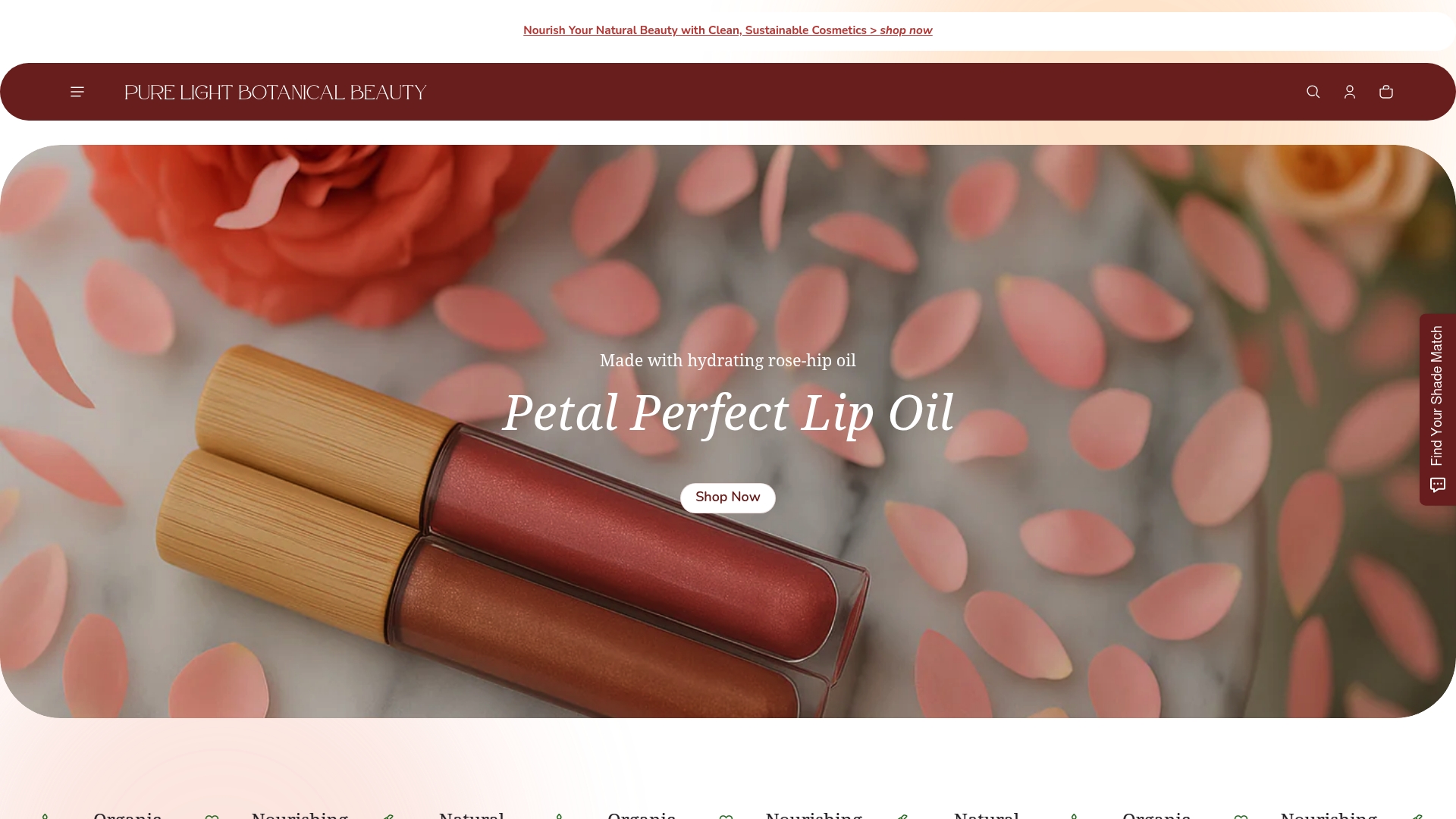
Ready to transform your beauty routine with truly clean, nurturing makeup designed for sensitive skin? Visit Pure Light Botanical Beauty now and start your journey to skin-loving, sustainable glamour. Learn more about how our products integrate wellness and artistry for a radiant you.
Explore our approach to clean ingredient sourcing and discover natural self-care makeup products that truly support your sensitive skin needs.
Frequently Asked Questions
What is sustainable makeup?
Sustainable makeup is a beauty approach that integrates ecological responsibility, human wellness, and ethical production in product development. It focuses on harmonizing personal beauty with environmental health and social welfare.
How can sustainable makeup benefit sensitive skin?
Sustainable makeup formulations often use minimal synthetic chemicals and natural ingredients, which can reduce irritation, support skin barrier function, and provide anti-inflammatory properties beneficial for sensitive skin.
What are the key types of sustainable makeup?
The key types of sustainable makeup include organic makeup, vegan makeup, cruelty-free makeup, biodegradable makeup, and clean beauty products, each with specific criteria regarding ingredient sourcing and production ethics.
How can I identify genuinely sustainable makeup products?
To identify genuinely sustainable products, look for clear, transparent ingredient lists, third-party certifications, and evidence of ethical sourcing and production methods. Avoid brands that engage in greenwashing or provide incomplete ingredient disclosures.
Recommended
- The Essential Guide to the Role of Wellness in Makeup – Pure Light Botanical Beauty
- Complete Guide to Mindful Makeup Application – Pure Light Botanical Beauty
- How to Use Makeup for Empowerment: A Gentle Guide – Pure Light Botanical Beauty
- How to Choose Natural Makeup for Sensitive Skin Relief – Pure Light Botanical Beauty