

Nearly 90 percent of american shoppers now read cosmetic ingredient labels before making a purchase. With growing awareness about personal health and environmental impact, transparency has become a top priority across the beauty industry. Consumers are demanding more from brands than ever before, seeking honest stories about sourcing, manufacturing, and ethics. Understanding what transparency really means in cosmetics can empower people to make thoughtful choices that align with their values and needs.
Table of Contents
- What Transparency Means In Cosmetics
- Types Of Transparency: Ingredients And Sourcing
- Impact On Sensitive And Problem Skin
- Legal Standards And Global Regulations
- Risks, Challenges, And Industry Pitfalls
Key Takeaways
| Point | Details |
|---|---|
| Transparency in cosmetics | Goes beyond ingredient lists, focusing on open communication about formulation, sourcing, and health impacts. |
| Ingredient and sourcing clarity | Brands should provide detailed narratives about ingredient origins, processing methods, and ethical practices. |
| Empowerment for consumers | Comprehensive ingredient disclosure is crucial for individuals with sensitive skin to make informed choices. |
| Regulatory challenges | The cosmetics industry faces risks like ingredient obscurity and greenwashing, necessitating robust consumer protection and education efforts. |
What Transparency Means in Cosmetics
Transparency in cosmetics goes far beyond a simple ingredient list. It represents a comprehensive commitment to open, honest communication about product formulation, sourcing, and potential impacts on personal and environmental health. At its core, transparency means brands are willing to share the complete story behind their products - from raw material origins to manufacturing processes.
In practical terms, cosmetic transparency involves several key dimensions. First, it requires clear and comprehensive ingredient disclosure, listing every component with its scientific name and potential source. This means no hiding behind vague terms like “fragrance” or obscure chemical abbreviations. Brands committed to transparency will explain not just what ingredients are present, but also their purpose, potential effects, and ethical sourcing standards. For consumers navigating increasingly complex beauty landscapes, this level of detail becomes critical, especially for those with specific skin concerns or sensitivities.
Beyond ingredient lists, true transparency encompasses broader ethical considerations. This includes revealing manufacturing practices, environmental impact, cruelty-free certifications, and the social responsibility standards of ingredient suppliers. Consumers today want to understand the full ecosystem behind their beauty products - not just what goes onto their skin, but the larger human and environmental story. Transparent brands recognize this shift, providing detailed narratives that connect consumers with the deeper context of their cosmetic choices.
Ultimately, transparency is about building trust. By demystifying product development and being radically honest about formulations, brands can create meaningful connections with consumers who are increasingly sophisticated and discerning. It transforms cosmetics from mere aesthetic tools to intentional, ethical choices that reflect personal values and commitment to holistic wellness.
Types of Transparency: Ingredients and Sourcing
Transparency in cosmetics is fundamentally about revealing the complete journey of product ingredients, from their initial source to the final formulation. This goes well beyond simply listing components on a label. Ingredient transparency demands a comprehensive narrative that connects consumers with the origin, environmental impact, and ethical considerations behind each component used in beauty products.
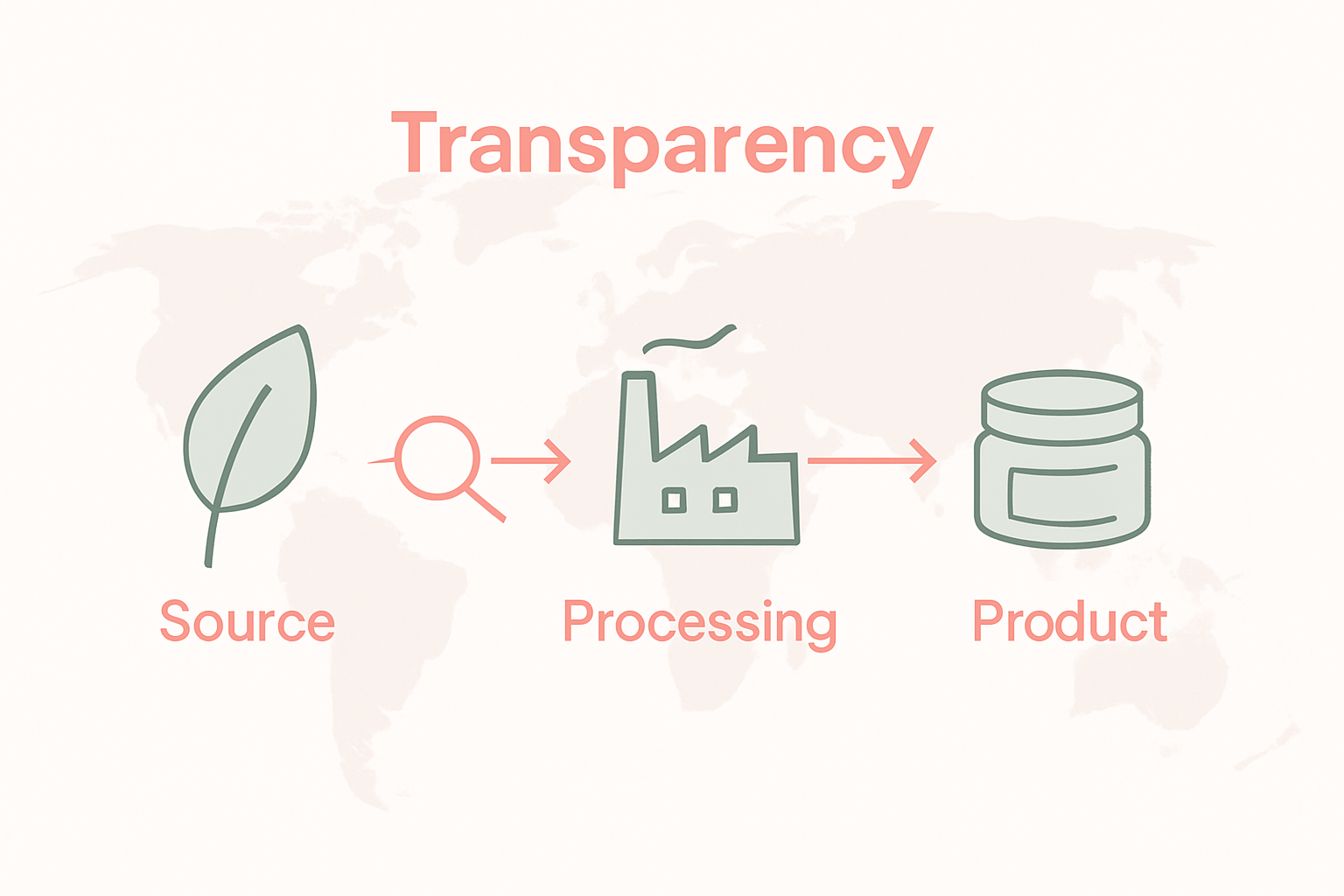
When it comes to ingredient sourcing, truly transparent brands provide detailed insights into their supply chains. This means documenting the precise origins of botanical extracts, explaining cultivation practices, harvesting methods, and the environmental standards of their suppliers. For instance, a brand committed to transparency will clarify whether plant-based ingredients are wildcrafted, organically grown, or sustainably farmed. They will also disclose information about fair trade practices, worker conditions, and the ecological footprint of ingredient procurement.
Beyond origin, ingredient transparency also involves clear communication about processing methods, potential allergens, and the scientific rationale behind each component’s inclusion. Consumers increasingly want to understand not just what is in their products, but why specific ingredients are chosen. This means providing context about an ingredient’s functional purpose, potential skin benefits, and any potential interactions or sensitivities. Transparent brands recognize that knowledge empowers consumers to make informed choices aligned with their personal health and wellness goals.
Ultimately, ingredient and sourcing transparency is about building a trust-based relationship with consumers. By offering a complete, honest narrative about product development, brands demonstrate respect for their customers’ right to know. This approach transforms cosmetic purchasing from a simple transaction into an informed, values-driven decision that considers personal health, environmental sustainability, and ethical production practices.
Impact on Sensitive and Problem Skin
For individuals with sensitive or problem skin, transparency in cosmetic ingredients is not just a preference—it’s a critical health necessity. Skin sensitivity creates a complex landscape where every ingredient can potentially trigger a reaction, making comprehensive ingredient disclosure absolutely essential. People managing conditions like eczema, rosacea, or chronic skin irritation require detailed information to make safe and informed product choices.
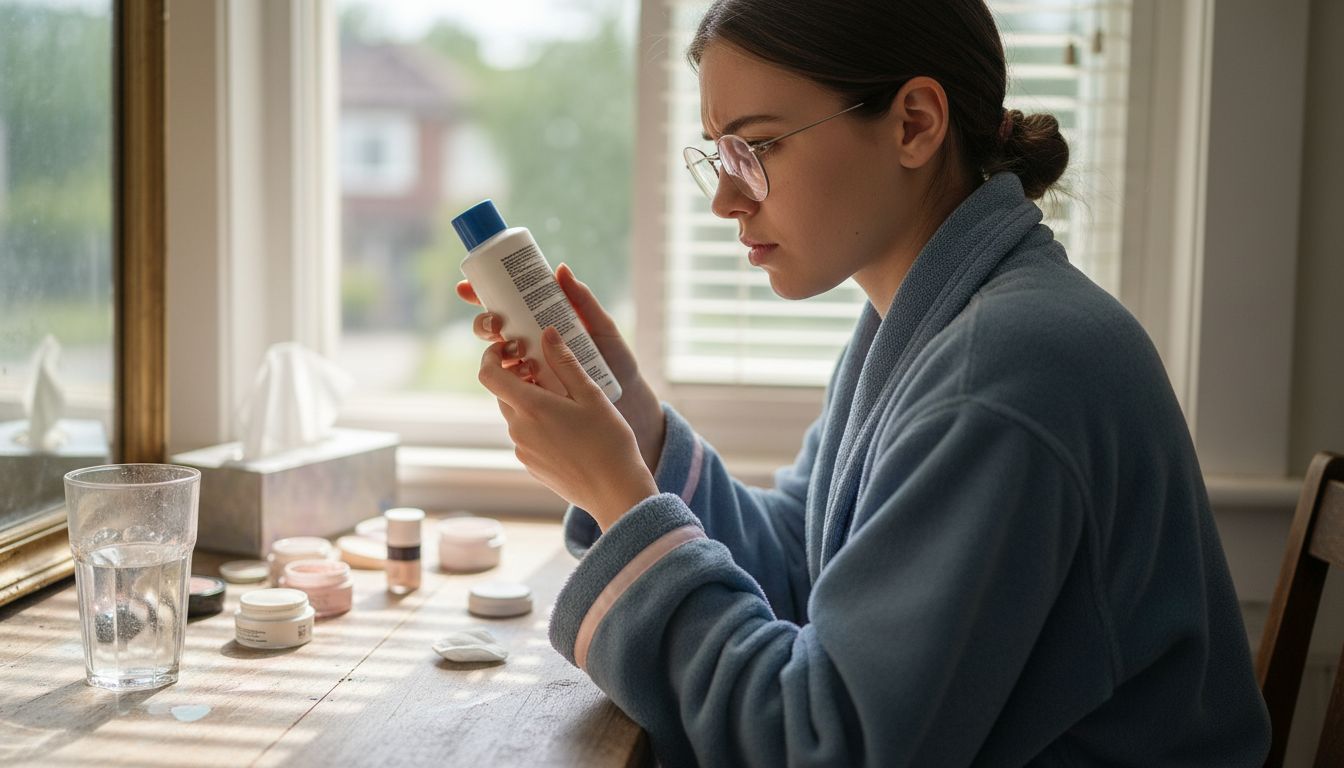
Transparency becomes particularly crucial when addressing potential allergens and irritants. Clean beauty routines designed for sensitive skin provide a roadmap for navigating ingredient safety. Comprehensive disclosure allows individuals to identify specific triggers, understand potential interactions, and make proactive decisions about their skincare. This means going beyond generic labeling to explain the source, processing method, and potential skin impact of each component, especially for botanical and chemical ingredients that might cause unexpected reactions.
The broader implications of cosmetic transparency extend to ongoing safety monitoring, a practice known as cosmetovigilance. This approach involves continuous tracking of product interactions and potential adverse effects, creating a feedback loop that protects consumers with sensitive skin. Transparent brands actively participate in this process by providing clear channels for reporting reactions, maintaining detailed ingredient records, and demonstrating a commitment to consumer safety that goes far beyond standard regulatory requirements.
Ultimately, transparency for those with sensitive skin is about empowerment and trust. By providing complete, honest information about product composition and potential impacts, cosmetic brands acknowledge the unique challenges faced by individuals managing complex skin conditions. This approach transforms skincare from a potential minefield of unknown risks to a carefully navigated journey of personal wellness and confidence.
Legal Standards and Global Regulations
Cosmetic regulations represent a complex global framework designed to protect consumer safety and ensure product integrity across international markets. These legal standards have evolved significantly, moving beyond simple ingredient listing to comprehensive safety assessments and transparency requirements. Different regions have developed unique approaches to regulating cosmetic products, reflecting varying consumer protection priorities and scientific understanding.
In the United States, the Food and Drug Administration (FDA) oversees cosmetic safety, though its regulatory approach is notably less stringent compared to other global standards. European Union regulations, particularly the EC Regulation 1223/2009, provide a more comprehensive model of consumer protection. These regulations mandate rigorous safety assessments that require manufacturers to document ingredient safety, potential interactions, and long-term health implications before products can enter the marketplace.
Independent organizations play a crucial role in supplementing governmental regulations. The Cosmetic Ingredient Review (CIR), for instance, conducts independent scientific evaluations of ingredient safety, publishing comprehensive reports that often inform regulatory decisions. These assessments become particularly important for ingredients with complex molecular structures or potential long-term health implications. Such independent reviews help bridge gaps in regulatory frameworks, providing an additional layer of consumer protection beyond mandatory governmental standards.
Transparency in legal standards is ultimately about creating a robust ecosystem of consumer protection. While regulations vary across different regions, the core principle remains consistent: ensuring that cosmetic products are safe, accurately labeled, and free from harmful substances. As consumer awareness grows and scientific understanding advances, these legal frameworks continue to evolve, reflecting an ongoing commitment to protecting public health and promoting genuine transparency in the beauty industry.
Risks, Challenges, and Industry Pitfalls
The pursuit of transparency in cosmetics is fraught with complex challenges that test the integrity of beauty brands and regulatory systems. Ingredient obscurity remains a significant obstacle, with many companies exploiting legal loopholes to conceal critical product information. Trade secret designations often allow manufacturers to withhold comprehensive details about chemical compositions, creating a significant barrier to genuine consumer understanding and informed decision-making.
Clean beauty standards help consumers navigate these complex challenges, but the industry continues to struggle with greenwashing - a deceptive marketing practice where brands create an illusion of environmental and ethical responsibility without substantive changes. This phenomenon goes beyond mere marketing spin, potentially misleading consumers who are seeking authentic, transparent product experiences. Greenwashing undermines consumer trust and creates a challenging landscape where genuine transparency becomes increasingly difficult to distinguish from strategic marketing language.
The risks extend beyond marketing manipulation. Inconsistent ingredient naming conventions and complex chemical nomenclature create significant barriers to understanding product compositions. Consumers, particularly those with sensitive skin or specific health concerns, face substantial challenges in deciphering whether a product truly meets their safety requirements. Independent scientific reviews and rigorous third-party testing become crucial in bridging these informational gaps, providing an additional layer of verification that goes beyond manufacturer claims.
Ultimately, the most significant challenge lies in transforming transparency from a marketing buzzword into a genuine commitment to consumer health and trust. The cosmetics industry must move beyond minimal compliance with regulations and embrace a holistic approach that prioritizes clear communication, scientific integrity, and genuine concern for consumer well-being. This requires ongoing education, robust regulatory frameworks, and a fundamental shift in how beauty brands conceptualize their relationship with consumers.
Discover True Transparency and Care with Pure Light Botanical Beauty
Navigating the world of cosmetics transparency can be overwhelming, especially if you have sensitive or problem skin. The challenge lies in finding products that reveal every ingredient with honesty and explain their purpose while aligning with your personal health and ethical values. Pure Light Botanical Beauty meets this need with a commitment to radical transparency and clean, plant-based formulations crafted to soothe and support your skin’s unique needs. Experience the difference when every ingredient is chosen not just for beauty but for healing and nourishment.
Explore how Pure Light Botanical Beauty blends the art of clean makeup with the science of skin wellness. Visit Pure Light Botanical Beauty to discover thoughtfully created products that emphasize ingredient clarity, ethical sourcing, and skin-safe formulas. Take control of your beauty ritual today by choosing transparency you can trust and products that celebrate your natural radiance. Start your journey now and transform your skincare experience into one of informed self-care and lasting confidence.
Frequently Asked Questions
What does transparency in cosmetics mean?
Transparency in cosmetics refers to the open and honest communication regarding product formulation, ingredient sourcing, and potential health impacts. It involves clear ingredient disclosure and ethical considerations in manufacturing processes.
Why is ingredient transparency important for sensitive skin?
For individuals with sensitive skin, ingredient transparency is crucial as it allows them to identify allergens and irritants. Detailed ingredient lists help these consumers make informed choices to avoid potential triggers that could worsen their skin conditions.
How do brands demonstrate sourcing transparency?
Brands demonstrate sourcing transparency by providing detailed information about the origins of their ingredients, including cultivation and harvesting methods. They also clarify whether ingredients are sustainably farmed or wildcrafted and disclose fair trade practices.
What are the challenges associated with transparency in the cosmetics industry?
Challenges include ingredient obscurity, greenwashing, and inconsistent ingredient naming conventions. These obstacles can lead to consumer confusion and hinder informed decision-making about product safety and efficacy.
Recommended
- Role of Authenticity in Cosmetics: Complete Guide – Pure Light Botanical Beauty
- Advantages of Clean Cosmetics: Complete Guide – Pure Light Botanical Beauty
- Complete Guide to Non-Toxic Beauty Essentials – Pure Light Botanical Beauty
- Complete Guide to the Advantages of Clean Cosmetics – Pure Light Botanical Beauty
- Complete Guide to Food Labeling Regulations in Canada - Probe IT
- Navigating Regulations in the Perfume Industry