

Over 60 percent of American adults report concerns about finding effective, natural solutions for their skin health. With so much contradictory advice about oils, this subject can leave even the most informed readers confused. Understanding how plant-based oils interact with the skin unlocks smarter, safer choices for anyone seeking radiant skin without synthetic additives. Discover why these potent botanical extracts are changing the face of American skincare routines and what benefits they may offer for a healthier complexion.
Table of Contents
- What Are Oils in Skin Health?
- Types of Oils and Their Unique Benefits
- How Botanical Oils Support Sensitive Skin
- Common Myths About Oils and Breakouts
- Choosing and Using Oils Safely
Key Takeaways
| Point | Details |
|---|---|
| Oils as Nutritional Powerhouses | Plant-based oils provide deep nourishment and protective properties, essential for skin health. |
| Tailored Solutions for Skin Types | Different oils target specific skin concerns, enabling personalized skincare routines. |
| Myth-Busting Oil Usage | Certain oils can balance skin and prevent breakouts, challenging the misconception that all oils worsen acne. |
| Importance of Safe Usage | Patch testing and careful selection of high-quality oils ensure safe integration into skincare regimens. |
What Are Oils in Skin Health?
Oils are concentrated plant-based substances that serve as powerful natural skincare solutions, delivering essential nutrients and protective properties directly to the skin. Unlike water-based products, these botanical extracts penetrate deeply, offering comprehensive nourishment from the molecular level. Understanding the role of natural oils in skincare reveals their remarkable ability to support skin health through multiple mechanisms.
At their core, plant oils function as more than just moisturizing agents. They act as sophisticated molecular guardians, creating protective barriers that seal in hydration while simultaneously delivering potent antioxidants and essential fatty acids. The oleic and linoleic acids found in many botanical oils help strengthen the skin’s natural protective layer, reducing inflammation and preventing moisture loss. This intricate process supports skin resilience, especially for individuals with sensitive or reactive skin types.
The science behind oils is truly fascinating. Each oil contains a unique blend of compounds that interact with skin cells in nuanced ways. Some oils, like olive oil, contain powerful antioxidant properties that combat free radical damage and potentially slow premature aging. Others provide anti-inflammatory benefits, soothing irritated skin and supporting the body’s natural healing processes. By exploring safe plant oils for sensitive skin, individuals can discover targeted solutions that address specific skin concerns without harsh synthetic ingredients.
Understanding oils requires recognizing their multifaceted nature. They are not simply surface-level treatments but complex botanical extracts that communicate with skin at a cellular level. From supporting the skin barrier to delivering concentrated nutrition, these natural elixirs represent a holistic approach to skincare that honors the body’s inherent healing capabilities. The key lies in selecting high-quality, minimally processed oils that retain their original molecular integrity and therapeutic potential.
Types of Oils and Their Unique Benefits
Plant-based oils offer a remarkable spectrum of skincare solutions, each with distinctive molecular properties that target specific skin concerns. Argan oil stands out as a powerhouse, packed with vitamin E and antioxidants that improve skin elasticity and combat free radical damage. Its lightweight composition makes it an exceptional moisturizer for multiple skin types, particularly beneficial for those managing conditions like eczema or rosacea. How to use botanical oils for sensitive skin relief provides deeper insights into incorporating these transformative natural extracts.
Beyond argan oil, other botanical oils bring unique healing properties to skincare routines. Pomegranate oil delivers powerful antioxidant and anti-inflammatory benefits, promoting more even skin tone and texture. Carrot seed oil has remarkable regenerative qualities, helping decrease scarring and potentially reducing the appearance of wrinkles in mature skin. Tangerine oil offers another fascinating option, with its high antioxidant profile supporting smoother, more toned skin appearance.

The versatility of plant oils extends far beyond basic moisturization. Each oil contains a complex array of nutrients that interact with skin cells in nuanced ways. Some oils focus on hydration, while others target specific concerns like inflammation, uneven pigmentation, or signs of aging. Factors like molecular weight, fatty acid composition, and antioxidant concentration determine an oil’s therapeutic potential. This intricate biochemical complexity means that individuals can curate personalized skincare approaches by understanding the unique characteristics of different botanical extracts.
Selecting the right oils requires a thoughtful approach that considers individual skin needs and sensitivities. While some oils work universally, others may be more suited to specific skin types or conditions. Factors like skin sensitivity, existing skin concerns, and personal wellness goals should guide oil selection. The key is to view these botanical extracts not as one-size-fits-all solutions, but as sophisticated, targeted skincare ingredients capable of supporting the skin’s natural healing and regenerative processes.
How Botanical Oils Support Sensitive Skin
Sensitive skin requires a gentle, nuanced approach to healing and protection, and botanical oils emerge as exceptional allies in this delicate balance. Coconut oil stands out as a remarkable solution, offering anti-bacterial, anti-viral, and anti-inflammatory properties that make it perfect for individuals with reactive skin conditions. Its small molecular structure allows for easy absorption, creating a soft, smooth texture while helping retain crucial moisture content. This makes coconut oil particularly beneficial for managing challenging skin conditions like eczema. How to use face oils for sensitive skin naturally provides additional insights into navigating these healing botanical treatments.
Beyond coconut oil, other botanical oils offer targeted support for sensitive skin. Marula oil presents a powerful option, containing 60 percent more antioxidants than most oils, which helps combat aging and sun damage. Its antimicrobial properties make it especially ideal for irritated or acne-prone skin types. These natural oils work differently from synthetic skincare products, providing holistic nourishment that supports the skin’s inherent healing mechanisms rather than merely masking symptoms.
The effectiveness of botanical oils for sensitive skin stems from their complex molecular compositions. Unlike harsh chemical treatments, these natural extracts work in harmony with the skin’s biological processes. They help rebuild the skin’s protective barrier, reduce inflammation, and provide deep hydration without triggering additional sensitivity. Each oil brings a unique profile of fatty acids, vitamins, and antioxidants that can address specific skin concerns while maintaining overall skin health and resilience.
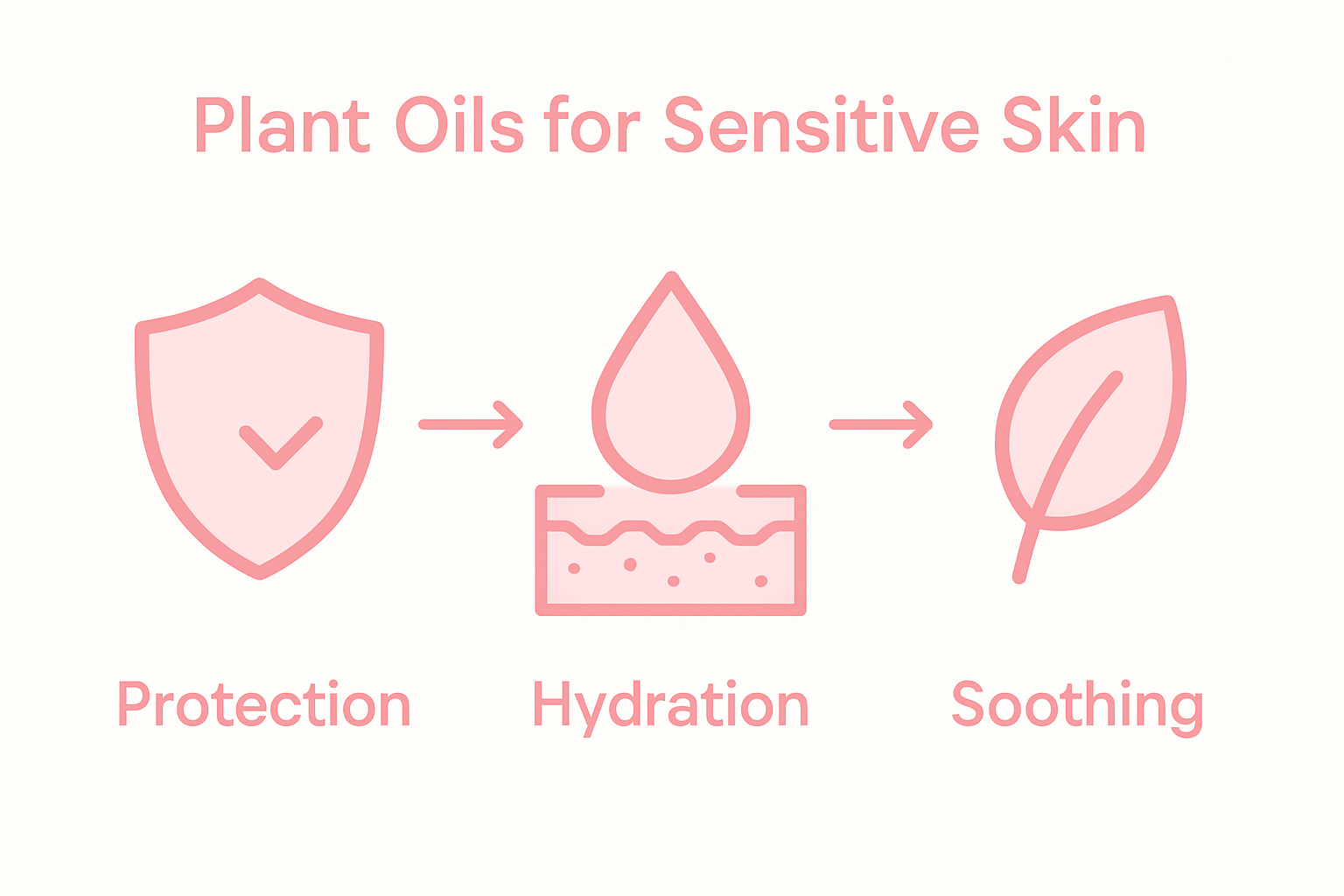
Understanding sensitive skin requires recognizing that healing is not about quick fixes, but consistent, gentle care. Botanical oils offer a holistic approach that goes beyond surface-level treatment, supporting the skin’s natural regenerative processes. By choosing oils that match individual skin needs, individuals with sensitive skin can transform their skincare routine from a source of anxiety to a nurturing, healing experience. The key lies in patience, careful selection, and an appreciation for nature’s sophisticated healing potential.
Common Myths About Oils and Breakouts
For years, individuals with acne-prone or sensitive skin have been warned to avoid oils, perpetuating a widespread misconception that all oils cause breakouts and skin irritation. Jojoba oil challenges this myth entirely, presenting a remarkable example of how certain botanical oils can actually balance skin health. This liquid wax closely resembles the natural oils our skin produces, helping to regulate sebum production and reduce inflammation without clogging pores. Discover the top clean beauty myths sensitive skin seekers should know reveals how misinformation can prevent people from experiencing transformative skincare solutions.
The key to understanding oils lies in recognizing their molecular complexity. Not all oils are created equal, and many botanical extracts can actually help prevent breakouts by supporting the skin’s natural balance. Essential oils, for instance, require careful application and should never be used directly on the skin without proper dilution. Their potent nature means that patch testing and understanding individual skin reactions are crucial steps in safe integration. Contrary to popular belief, certain oils can help control excess oil production, reduce inflammation, and provide antimicrobial benefits that combat acne-causing bacteria.
Many people mistakenly believe that oily skin should be stripped of all oils, but this approach often backfires dramatically. When the skin is overly dried, it compensates by producing even more oil, creating a cycle of increased breakouts and sensitivity. Botanical oils like jojoba work intelligently with the skin’s natural processes, helping to normalize oil production and provide gentle, non-comedogenic hydration. The science behind these oils demonstrates their ability to balance, heal, and protect the skin’s delicate microbiome.
Ultimately, the relationship between oils and skin health is far more nuanced than simple myths suggest. Successful skincare requires a personalized approach that considers individual skin characteristics, oil composition, and proper application techniques. Understanding that not all oils are enemies of clear skin opens up a world of natural, healing possibilities. The key is education, careful selection, and a willingness to challenge long-held misconceptions about botanical skincare solutions.
Choosing and Using Oils Safely
Navigating the world of botanical oils requires a thoughtful and informed approach, especially for those with sensitive skin or specific skincare concerns. Patch testing stands as the fundamental first step in safely introducing any new oil into your skincare routine. This critical process involves applying a small amount of the oil to a discrete area of skin and monitoring for potential allergic reactions or sensitivity. How to use rosehip oil on face naturally provides additional guidance for those seeking personalized application techniques.
When selecting botanical oils, understanding purity and sourcing becomes paramount. Essential oils, while potent and beneficial, require extreme caution and should never be applied directly to the skin without proper dilution. Experts recommend using carrier oils to reduce concentration and minimize potential irritation. Key considerations include examining the oil’s origin, extraction method, and processing techniques. High-quality, cold-pressed, organic oils typically retain more of their natural healing properties and reduce the risk of contamination with synthetic additives.
Application techniques play a crucial role in maximizing the benefits of botanical oils while minimizing potential adverse reactions. Most oils can be used daily, either under makeup or as part of a nighttime skincare routine. However, individual skin responses vary significantly, making a gradual introduction essential. Start with small quantities, applying to clean skin and observing how your skin responds over several days. Pay attention to factors like absorption rate, potential congestion, and any signs of irritation. Some oils work beautifully as spot treatments, while others serve best as full-face moisturizers.
Ultimately, safe oil usage is about listening to your skin and respecting its unique characteristics. No universal approach fits every individual, which means patience and self-observation become your most valuable tools. Consulting with skincare professionals can provide personalized insights, especially for those managing specific skin conditions. The journey of incorporating botanical oils is deeply personal, requiring a balance of scientific understanding, intuitive self-care, and a willingness to experiment thoughtfully.
Unlock the Healing Power of Botanical Oils for Your Sensitive Skin
The article highlights how botanical oils can nourish and protect sensitive skin by strengthening its natural barrier, reducing inflammation, and gently balancing moisture levels. If you struggle with irritation, eczema, or breakouts caused by harsh chemical products you are not alone. These challenges can leave your skin feeling vulnerable and exhausted, longing for clean, soothing solutions that truly support its health on a molecular level.
At Pure Light Botanical Beauty, we recognize the importance of nature’s nourishing oils in transforming your skincare routine into a gentle ritual of self-love and healing. Our thoughtfully crafted products, like the Petal Perfect Lip Oil and Botanical Crème Blush, are made with carefully selected plant-based ingredients designed to nurture sensitive skin without irritation. For a deeper understanding of natural skincare, explore how to use face oils naturally and discover safe plant oils ideal for sensitive skin. Each formula reflects our commitment to marrying botanical science with soothing beauty.

Experience the difference of products that work in harmony with your skin’s unique needs. Visit Pure Light Botanical Beauty now to explore our full collection and begin your journey toward radiant, resilient skin nurtured by nature. Taking the first step today means embracing a skincare routine that heals, protects, and celebrates your natural glow.
Frequently Asked Questions
What are the benefits of using plant-based oils for skin health?
Plant-based oils provide essential nutrients, hydrating properties, and antioxidants that nourish the skin, support its natural barrier, and protect against environmental damage.
How do I select the right oil for my skin type?
Choosing the right oil involves considering your skin’s needs, such as sensitivity, hydration levels, and specific concerns like acne or aging. It’s important to understand the unique properties of each oil and how they interact with your skin.
Can oils help with sensitive skin?
Yes, botanical oils can be beneficial for sensitive skin. Oils like coconut and marula oil have anti-inflammatory and soothing properties, helping to calm irritation and strengthen the skin barrier without causing additional sensitivity.
Do all oils cause breakouts?
Not all oils cause breakouts. Certain oils, like jojoba oil, can actually help regulate oil production and prevent acne by mimicking the skin’s natural sebum, making them suitable for acne-prone skin.
Recommended
- Understanding the Role of Natural Oils in Skincare – Pure Light Botanical Beauty
- Role of Lip Oils: Complete Guide for Healthy Lips – Pure Light Botanical Beauty
- Understanding the Role of Plant Oils in Lips – Pure Light Botanical Beauty
- 7 Types of Plant Oils for Skin: Safe Choices for Sensitive Skin – Pure Light Botanical Beauty