

Most American consumers believe cruelty-free labels guarantee no animal suffering, yet over 80 percent of popular beauty brands lack independent certification. With so many definitions and minimal government oversight, finding genuinely ethical cosmetics can feel confusing. This guide demystifies cruelty-free beauty standards, sorts out certification labels, and explains how American shoppers can make choices that truly reflect their values.
Table of Contents
- Defining Cruelty-Free Beauty Standards
- Types of Cruelty-Free Certification Labels
- Key Differences From Vegan and Clean Beauty
- Navigating Laws and Global Regulations
- How to Identify and Choose Cruelty-Free Products
Key Takeaways
| Point | Details |
|---|---|
| Understanding Cruelty-Free | Cruelty-free beauty products should not involve animal testing, but definitions vary and many claims lack regulation. |
| Certification Importance | Recognized certifications like Leaping Bunny and PETA provide more reliable indicators of genuine cruelty-free practices. |
| Distinction Between Terms | Cruelty-free, vegan, and clean beauty have distinct definitions; understanding these can guide more ethical purchasing decisions. |
| Regulatory Landscape | International differences in animal testing regulations impact cruelty-free commitments, complicating ethical compliance for brands. |
Defining Cruelty-Free Beauty Standards
Understanding cruelty-free beauty requires navigating a complex landscape where definitions vary widely and regulatory oversight remains minimal. At its core, cruelty-free beauty represents a commitment to creating cosmetic products without conducting animal testing at any stage of production. However, the reality proves far more nuanced than this simple definition suggests.
The absence of a universal standard creates significant challenges for conscientious consumers. According to research from leading animal protection organizations, most labels like “cruelty-free” or “not tested on animals” lack government regulation. This means companies can essentially self-define these terms, potentially misleading shoppers about their actual animal welfare practices.
Key complexities in defining cruelty-free standards include:
- Ingredient Testing: Some brands might claim cruelty-free status for their final product while ingredients were previously tested on animals
- Supply Chain Considerations: Whether suppliers and third-party manufacturers also adhere to cruelty-free practices
- Global Manufacturing: Variations in international animal testing regulations
For those seeking authentic cruelty-free beauty products, careful research becomes essential. Certifications from independent organizations like Leaping Bunny or PETA provide more reliable indicators of genuine animal welfare commitments. These groups conduct rigorous audits to verify that no animal testing occurs throughout a product’s entire development process.
Types of Cruelty-Free Certification Labels
Navigating the world of cruelty-free certifications requires understanding the key organizations that set and validate animal welfare standards in the cosmetics industry. These certification labels serve as critical guideposts for consumers seeking ethical beauty products that align with their values of compassionate manufacturing.
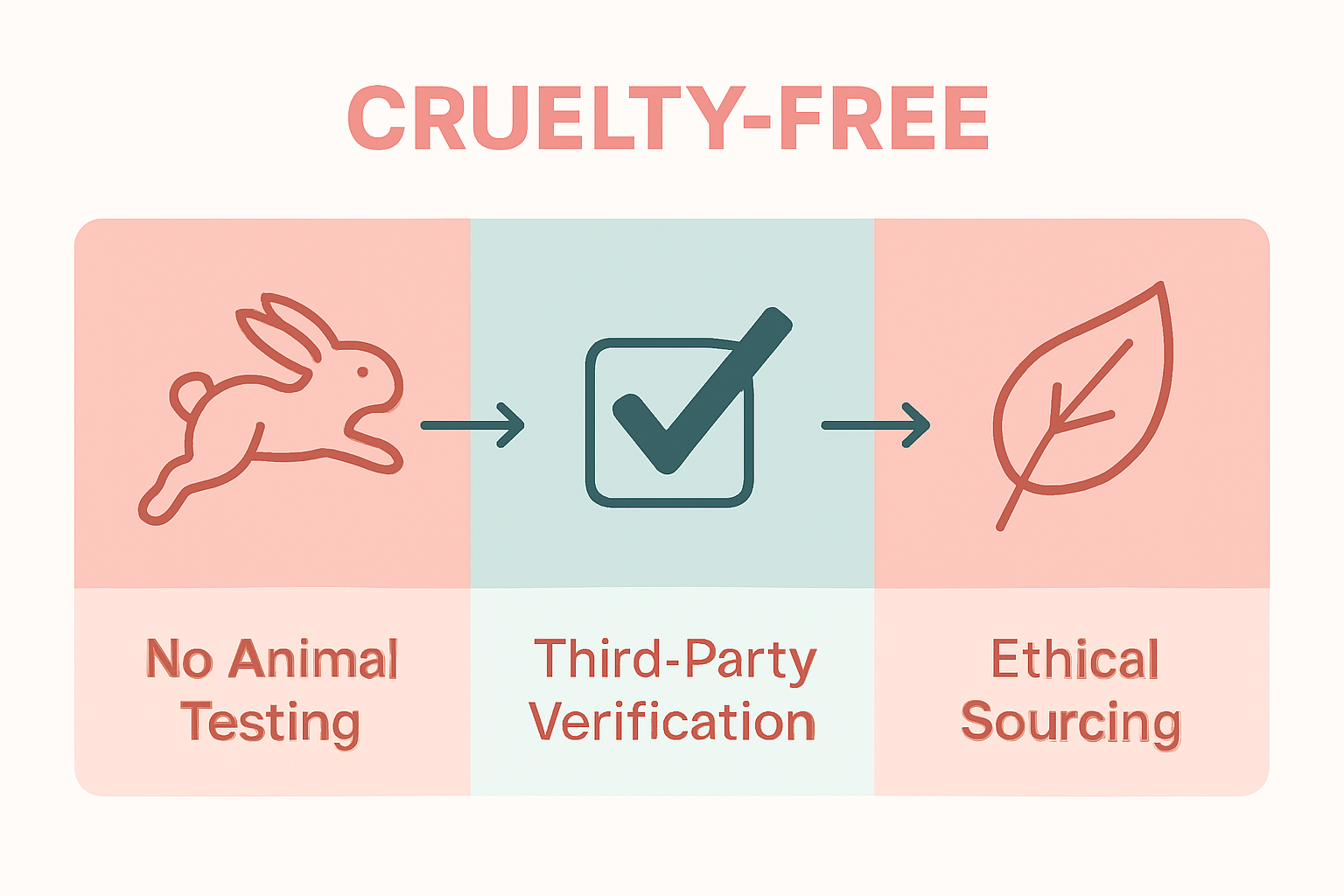
The most prominent certification organizations include Leaping Bunny, PETA, and Cruelty Free International. Cruelty-free certification standards differ in their specific requirements, creating a nuanced landscape for conscious consumers. Leaping Bunny, for instance, represents the gold standard, requiring comprehensive audits that verify no animal testing occurs at any stage of product development - from ingredient sourcing through final manufacturing.
Key cruelty-free certification labels include:
- Leaping Bunny: Most rigorous international standard
- PETA’s Beauty Without Bunnies: Focuses on comprehensive animal testing prohibitions
- Certified Humane: Emphasizes broader animal welfare beyond testing
- Cruelty Free International: Global advocacy and certification program
Consumers should understand that while these labels provide important guidance, they are not uniform across global markets. Some certifications focus exclusively on final product testing, while others examine entire supply chains. Careful research and understanding the specific standards of each certification can help shoppers make truly informed and ethical beauty purchasing decisions.
Key Differences From Vegan and Clean Beauty
Understanding the nuanced distinctions between cruelty-free, vegan, and clean beauty requires careful examination of their unique definitions and ethical standards. While these terms are often used interchangeably, they represent distinctly different approaches to responsible cosmetic production and ingredient selection.
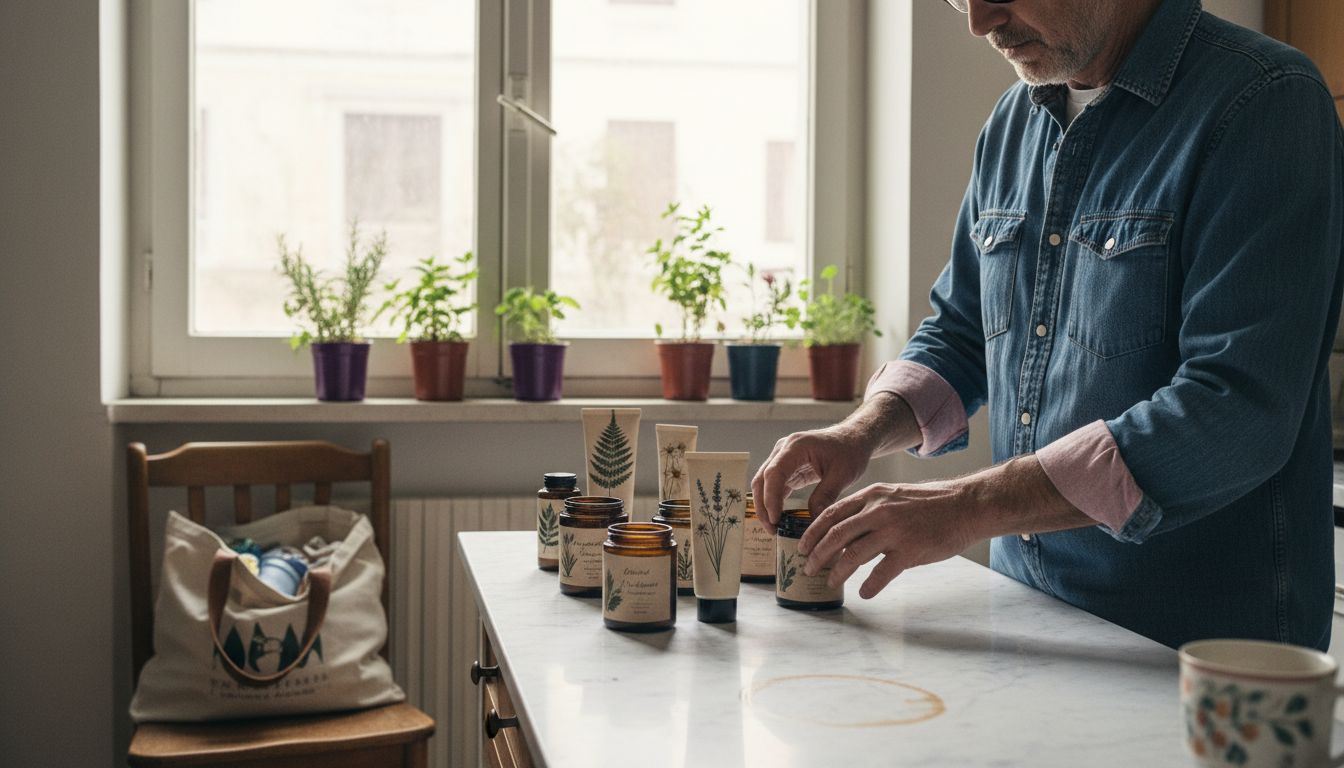
Clean beauty principles focus primarily on product safety and ingredient transparency, emphasizing non-toxic formulations that exclude harmful chemicals. Cruelty-free certification, by contrast, specifically addresses animal testing practices, while vegan beauty concentrates on eliminating all animal-derived ingredients from product formulations.
Key differences include:
-
Cruelty-Free:
- Prohibits animal testing during product development
- May still contain animal-derived ingredients
- Focuses on testing methodology
-
Vegan Beauty:
- Excludes all animal-derived ingredients
- Does not guarantee absence of animal testing
- Prioritizes ingredient origin
-
Clean Beauty:
- Emphasizes non-toxic, safe ingredient selection
- Considers human and environmental health
- Not necessarily tied to animal welfare standards
Consumers seeking comprehensive ethical beauty products must look beyond single certifications. The most conscientious approach involves understanding these distinctions and selecting products that align with individual values of animal welfare, personal health, and environmental sustainability.
Navigating Laws and Global Regulations
The landscape of animal testing regulations presents a complex global patchwork of legal requirements that challenge beauty brands committed to cruelty-free practices. Different countries and regions maintain dramatically varied approaches to cosmetic product testing, creating significant hurdles for manufacturers seeking consistent ethical standards across international markets.
Clean cosmetics regulations reveal substantial international disparities. The European Union, United Kingdom, India, and Norway have implemented comprehensive bans on cosmetic animal testing, establishing progressive legal frameworks that protect animal welfare. In contrast, many other countries still permit or even mandate animal testing as a prerequisite for market entry, forcing companies to make challenging ethical and economic decisions.
Key regulatory variations include:
-
Comprehensive Bans:
- European Union (complete prohibition)
- United Kingdom (strict animal testing restrictions)
- India (national ban on animal testing)
- Norway (proactive animal welfare legislation)
-
Partial Restrictions:
- United States (no federal ban, some state-level restrictions)
- China (historically required animal testing, recent modifications)
- Canada (evolving regulatory landscape)
-
Limited or No Regulations:
- Many developing countries
- Regions with minimal consumer protection standards
- Markets prioritizing product safety over animal welfare
Navigating these complex regulatory environments requires brands to develop sophisticated compliance strategies. Conscientious beauty companies must continuously monitor changing international regulations, adapt their testing protocols, and maintain transparent communication with consumers about their ethical commitments.
How to Identify and Choose Cruelty-Free Products
Spotting authentic cruelty-free products requires more than a casual glance at packaging. Conscientious consumers must develop a strategic approach to deciphering legitimate animal-friendly certifications and understanding the nuanced terminology used in cosmetic labeling.
Natural makeup selection involves careful examination of certification labels and brand transparency. Reliable indicators of cruelty-free status include official logos from recognized organizations like Leaping Bunny, PETA’s Beauty Without Bunnies, and Cruelty Free International, which provide verified assurance of ethical manufacturing practices.
Key strategies for identifying cruelty-free products include:
-
Certification Verification:
- Check for official logos from recognized organizations
- Validate certifications through official databases
- Look for consistent, clear certification marks
-
Brand Research:
- Investigate company animal testing policies
- Review parent company practices
- Examine ingredient sourcing transparency
-
Additional Due Diligence:
- Contact brands directly with specific questions
- Consult independent cruelty-free databases
- Monitor international testing regulations
Even with careful research, consumers must remain vigilant. The absence of a definitive global standard means that claims of ‘cruelty-free’ can be misleading. Comprehensive verification requires a multi-step approach that goes beyond surface-level marketing claims, demanding transparency and genuine commitment to animal welfare from beauty brands.
Embrace Genuine Cruelty-Free Beauty With Pure Light Botanical Beauty
Navigating the world of cruelty-free beauty can feel overwhelming when definitions vary and certifications differ. You want products that truly honor animal welfare without compromising your skin’s health or your values. Pure Light Botanical Beauty offers a transparent and nurturing solution rooted in clean, plant-based ingredients crafted without any animal testing at any stage. Our commitment goes beyond marketing — it is a heartfelt promise to deliver makeup that nourishes your skin while respecting the planet and all living beings.
Discover how our thoughtfully formulated products align with the highest cruelty-free standards discussed in the guide like Leaping Bunny and PETA certifications. Whether you are seeking to understand complex supply chain issues or want to avoid misleading claims, Pure Light Botanical Beauty invites you to experience authentic, healing beauty that shines from within. Start your journey toward conscious, radiant self-care by exploring our collection at Pure Light Botanical Beauty today and see how cruelty-free can also mean skin-loving and soulful.
Frequently Asked Questions
What does cruelty-free mean in the context of beauty products?
Cruelty-free means that cosmetic products are developed without any testing on animals at any stage of their production. However, the lack of universal standards means companies may define this term differently.
How can I identify cruelty-free beauty products?
To identify cruelty-free products, look for official certification logos from recognized organizations like Leaping Bunny, PETA’s Beauty Without Bunnies, or Cruelty Free International. Additionally, research the company’s animal testing policies for more transparency.
What is the difference between cruelty-free and vegan beauty products?
Cruelty-free focuses on the prohibition of animal testing in product development, while vegan beauty excludes all animal-derived ingredients. A product can be cruelty-free but still contain animal-derived ingredients, whereas vegan products do not.
Why is it important to choose cruelty-free beauty products?
Choosing cruelty-free products supports animal welfare by promoting ethical manufacturing practices that do not involve any form of animal testing. It encourages companies to adopt humane practices and prioritize transparency in their production processes.
Recommended
- Top Cruelty-Free Cosmetics – Expert Comparison 2025 – Pure Light Botanical Beauty
- Complete Guide to Non-Toxic Beauty Essentials – Pure Light Botanical Beauty
- What Is Clean Label Beauty? Complete Overview – Pure Light Botanical Beauty
- What Is the Clean Beauty Movement? Complete Guide – Pure Light Botanical Beauty
- The Ethical Edit: 5 Vegan & Cruelty-Free Dupe Brands in the UK