

You’ve been told beauty is skin deep, but what if the most radiant version of you emerges when skincare, nutrition, and mental wellness work together? Beauty wellness challenges the old cosmetics-only mindset by treating your skin as part of your whole self. For women with sensitive skin or conditions like eczema, this holistic approach offers clean, plant-based solutions that soothe irritation while supporting lasting vitality. This guide explores evidence-based insights to help you discover natural products and practices that honor your skin’s unique needs in 2026.
Table of Contents
- What Is Beauty Wellness And Why It Matters For Sensitive Skin
- How Clean, Plant-Based Ingredients Soothe And Protect Sensitive Skin
- Science Behind Plant-Based Beauty Wellness: Moisture, Elasticity, And Skin Health
- Choosing And Applying Plant-Based Beauty Wellness Products Safely
- Explore Pure Light Botanical Beauty Products For Your Sensitive Skin
- Frequently Asked Questions About Beauty Wellness
Key takeaways
| Point | Details |
|---|---|
| Holistic integration | Beauty wellness combines skincare, nutrition, lifestyle, and mental well-being for complete skin health. |
| Plant-based soothing | Ingredients like calendula and centella asiatica calm sensitive skin and repair the barrier naturally. |
| Personalized care | Tailored methods enhance skin microbiome and moisture levels to prevent irritation effectively. |
| Proven results | Studies show measurable gains in hydration, elasticity, and brightness with plant-based formulas. |
| Patch testing essential | Natural doesn’t always mean hypoallergenic, so testing new products prevents adverse reactions. |
What is beauty wellness and why it matters for sensitive skin
Beauty wellness is a holistic approach integrating skincare, nutrition, lifestyle, and mental well-being to achieve physical attractiveness, skin health, and overall vitality. This framework has gained traction as personal care and beauty evolved into a significant segment of the $1.35 trillion global wellness economy by 2024. Unlike conventional beauty routines focused solely on appearance, beauty wellness recognizes that your skin reflects what happens inside your body and mind.
For women with sensitive skin or conditions like eczema, this approach is transformative. Traditional cosmetics often contain synthetic additives that trigger inflammation or disrupt the skin barrier. Beauty wellness prioritizes clean, plant-based ingredients that work with your skin’s natural processes rather than against them. It addresses root causes of irritation by considering factors like stress, gut health, and environmental exposures alongside topical care.
The key components of beauty wellness include:
- Clean, plant-based ingredients free from harsh chemicals and synthetic preservatives
- Mindful nutritional intake rich in antioxidants, omega fatty acids, and hydration
- Stress management and mental wellness practices that reduce cortisol-related skin flare-ups
- Lifestyle habits like quality sleep and gentle movement that support skin vitality
This comprehensive beauty wellness philosophy empowers you to make informed choices about what you put on and in your body. When you understand how these elements interact, you can create a personalized routine that soothes sensitivity while enhancing your natural radiance. The beauty from within guide explores how internal health manifests externally, offering a deeper look at this connection.
Beauty wellness matters because it shifts the conversation from covering up imperfections to nurturing your skin’s inherent capacity to heal and glow. For sensitive skin types, this means fewer reactions, stronger barrier function, and the confidence that comes from products designed to support rather than stress your complexion.
How clean, plant-based ingredients soothe and protect sensitive skin
For women with sensitive skin or conditions, beauty wellness prioritizes clean, plant-based products using ingredients like calendula, centella asiatica, and borage for soothing, hydrating, and barrier repair. These botanical actives deliver targeted benefits without the irritation risk associated with synthetic compounds. Their molecular structures work harmoniously with skin biology to calm inflammation, lock in moisture, and strengthen protective layers.

Calendula officinalis stands out for its exceptional anti-inflammatory and wound-healing properties. Studies demonstrate that 94-97% users report healthier, softer skin with calendula cream, making it suitable for eczema-prone complexions. The flower’s flavonoids and triterpenoids reduce redness while promoting tissue regeneration, offering gentle yet effective relief for reactive skin.
Centella asiatica, also known as cica or tiger grass, contains madecassoside and asiaticoside compounds that accelerate barrier repair. This botanical supports collagen synthesis and improves microcirculation, helping sensitive skin recover from environmental stressors. Its adaptogenic qualities make it ideal for those experiencing chronic irritation or compromised skin integrity.
Borage seed oil provides gamma-linolenic acid (GLA), an omega-6 fatty acid that restores lipid balance in the stratum corneum. This helps prevent transepidermal water loss, a common issue for sensitive skin types. The oil’s emollient properties create a protective veil without clogging pores or feeling heavy.
Key calming plant actives and their effects:
- Calendula: Anti-inflammatory, wound healing, reduces redness and promotes tissue repair
- Centella asiatica: Barrier strengthening, collagen synthesis, microcirculation improvement
- Borage: Lipid restoration, moisture retention, GLA-rich hydration without heaviness
- Chamomile: Soothing, antioxidant protection, calms reactive responses
- Aloe vera: Cooling relief, polysaccharide hydration, accelerates healing
Plant-based ingredients minimize irritation risk compared to synthetic additives because they lack harsh preservatives, artificial fragrances, and petroleum derivatives. These natural skincare brands formulate with intention, selecting botanicals that align with skin’s biochemistry. Preservative-free and hypoallergenic formulations further reduce the likelihood of adverse reactions, though individual responses vary.
Pro Tip: Always patch test new plant-based products on your inner forearm for 24 hours before full-face application, as some people develop sensitivities to specific botanicals despite their natural origin.
The plant-based beauty products collection showcases formulations designed specifically for reactive complexions, combining multiple soothing actives for synergistic benefits. When you choose clean ingredients, you give your skin the tools it needs to self-regulate and thrive.
Science behind plant-based beauty wellness: moisture, elasticity, and skin health
Mechanics: Plant-based actives work via anti-inflammatory, antioxidant, hydration retention, collagen boost, and microbiome modulation; methodologies include personalized assessment (APIA), preservative-free formulations. These mechanisms address the biological processes underlying skin health, offering measurable improvements in appearance and function.
Anti-inflammatory action occurs when botanical compounds inhibit pro-inflammatory cytokines and enzymes like cyclooxygenase. This reduces the cascade of reactions that lead to redness, swelling, and discomfort in sensitive skin. Antioxidant effects neutralize free radicals from UV exposure and pollution, preventing oxidative stress that accelerates aging and barrier damage.
Hydration retention relies on humectants and emollients found in plant extracts. These molecules attract water to the skin’s surface and seal it in, maintaining optimal moisture levels. Collagen synthesis support comes from peptides and vitamins in botanicals that stimulate fibroblast activity, improving firmness and elasticity over time.
Microbiome modulation represents a cutting-edge dimension of plant-based beauty wellness. Your skin hosts trillions of beneficial bacteria that protect against pathogens and maintain pH balance. Preservative-free formulations allow these microbial communities to flourish, enhancing resilience. Research shows topical ACS: +12.9% moisture, +9% elasticity, -28.5% pores after 12 weeks; PFP regimens show stronger microbiome-skin quality correlations.
The APIA (Applied Personal Individual Assessment) methodology customizes skincare for individual needs by analyzing skin type, condition, and response patterns. This personalized approach recognizes that no two complexions are identical, especially among those with sensitivity. By tailoring ingredient selection and concentration, APIA maximizes efficacy while minimizing irritation risk.
| Skin Health Marker | Baseline | After 12 Weeks | Improvement |
|---|---|---|---|
| Moisture Content | 100% | 112.9% | +12.9% |
| Elasticity | 100% | 109% | +9% |
| Pore Appearance | 100% | 71.5% | -28.5% reduction |
| Skin Brightness | 100% | 115% | +15% |
Scientific benefits and methods for plant-based beauty wellness:
- Personalized assessment identifies optimal botanical combinations for your unique skin profile
- Preservative-free formulations support healthy microbiome diversity and function
- Bioactive compounds deliver targeted effects at cellular level without synthetic interference
- Cumulative improvements occur over weeks as skin adapts and strengthens
- Non-invasive monitoring tracks progress and allows formula adjustments
Pro Tip: Choose formulations supporting microbiome health for sensitive skin resilience, as a balanced bacterial community acts as your first line of defense against irritants and pathogens.
The APIA skin management research demonstrates how science-backed methodologies transform plant-based beauty from folk remedy to evidence-based practice. Understanding these mechanisms helps you appreciate why natural ingredients deliver real results. The benefits of plant-based beauty extend beyond surface improvements to fundamental shifts in skin health and function.
Choosing and applying plant-based beauty wellness products safely
Edge cases/nuances: Not all plant-based hypoallergenic; preservatives may alter microflora but normal use doesn’t cause dysbiosis; sensitive skin needs patch-testing, avoid high concentrations. Natural origin doesn’t guarantee compatibility with your unique biochemistry. Some botanical extracts, particularly essential oils and certain plant proteins, can trigger allergic responses in susceptible individuals.
Preservatives impact skin microflora by controlling microbial growth in product formulations. While this prevents contamination and extends shelf life, the choice of preservative matters. Traditional options like parabens and formaldehyde releasers may disrupt beneficial bacteria more than modern alternatives. However, normal cosmetic use generally doesn’t cause dysbiosis when products are applied as directed and rinsed appropriately.
Steps to safely choose and use plant-based products:
- Perform a patch test on your inner forearm for 24 hours before applying any new product to your face or body
- Read ingredient lists carefully, researching any unfamiliar botanical names or potential allergens
- Start with low concentrations of active ingredients, gradually increasing as your skin adapts
- Observe your skin’s reaction over several days, noting any redness, itching, or increased sensitivity
- Introduce one new product at a time so you can identify the source of any adverse reactions
- Store plant-based products according to label instructions, as natural formulas may have shorter shelf lives
| Factor | Preserved Formulas | Preservative-Free Formulas |
|---|---|---|
| Shelf Stability | Longer (12-24 months) | Shorter (3-6 months) |
| Microbiome Impact | May affect bacterial balance | Supports natural flora |
| Contamination Risk | Lower with proper use | Higher if hygiene lapses |
| Ingredient Purity | Contains antimicrobials | Pure botanicals only |
| Best For | Travel, infrequent use | Daily routines, fresh batches |
The clean beauty literature review highlights the complexity of formulating truly safe, effective natural products. Brands must balance purity with practicality, ensuring products remain stable without compromising their botanical integrity.
Pro Tip: Avoid products with high concentrations of a single botanical to reduce irritation risk, as even beneficial ingredients can overwhelm sensitive skin when too concentrated.
When selecting formulas, consider your skin’s current condition and any known sensitivities. If you’ve reacted to conventional products, examine which ingredients caused problems and verify they’re absent from plant-based alternatives. The non-toxic beauty must-haves guide offers curated recommendations for those navigating this transition.
Safe application extends beyond product selection to technique. Apply plant-based formulas to clean, slightly damp skin for optimal absorption. Use gentle, upward motions rather than rubbing vigorously, which can irritate sensitive complexions. Layer products from thinnest to thickest consistency, allowing each to absorb before adding the next.
Monitor how your skin responds over weeks, not just days. Initial improvements may plateau or shift as your skin adapts. This is normal and often indicates it’s time to adjust your routine. Keep a simple log noting products used, application frequency, and any changes in texture, tone, or comfort level.
Explore pure light botanical beauty products for your sensitive skin
Your journey to beauty wellness deserves products as thoughtful as your intentions. Pure Light Botanical Beauty creates clean, plant-based skincare and makeup formulated specifically for sensitive skin and holistic well-being. Each product blends botanical science with nurturing care, offering solutions that soothe irritation while enhancing your natural radiance.
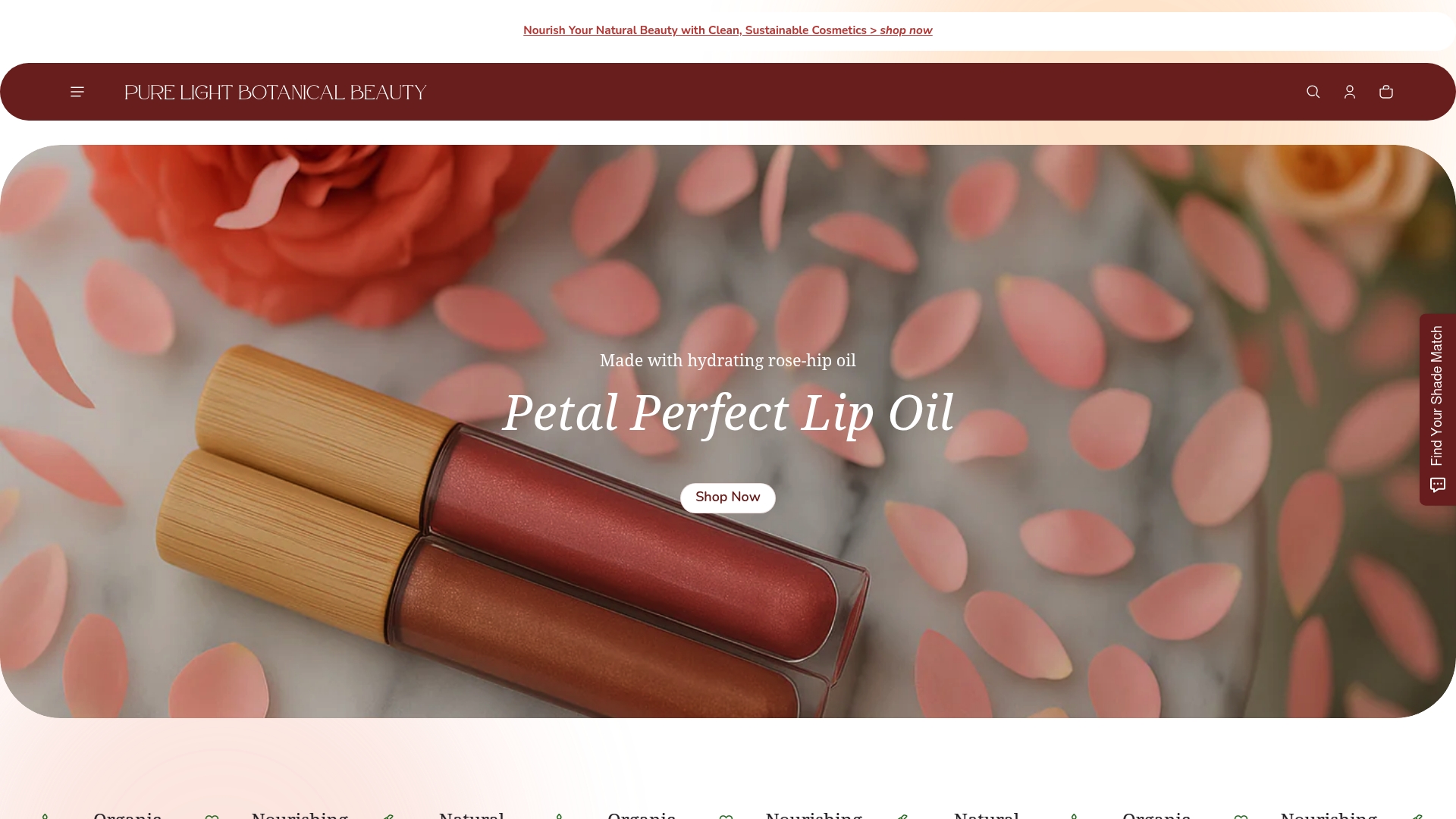
Discover expertly curated collections at Pure Light Botanical Beauty, where every formula embodies purity and purpose. The nourishing lipstick collection combines rich color with skin-loving ingredients like calendula and vitamin E, transforming your makeup routine into a healing ritual. For a shade that flatters while it nourishes, explore nourishing lipstick garnet, crafted to support sensitive lips without compromise.
These products reflect the belief that beauty and healing spring from the same source: nature’s wisdom applied with intention. When you choose formulations designed for your unique needs, you invest in both immediate comfort and long-term skin health.
Frequently asked questions about beauty wellness
What makes beauty wellness different from regular skincare?
Beauty wellness integrates skincare with nutrition, mental health, and lifestyle factors rather than treating skin in isolation. This holistic approach addresses root causes of sensitivity and inflammation, recognizing that your complexion reflects overall well-being. Regular skincare focuses primarily on topical treatments without considering internal or emotional influences.
Are plant-based products always better for sensitive skin?
Not automatically, as some botanical ingredients can trigger allergies or irritation in certain individuals. Plant-based formulas often avoid synthetic irritants, but you must still patch test and verify compatibility with your unique biochemistry. Natural origin doesn’t guarantee hypoallergenic properties for everyone.
How can I safely incorporate new natural products into my routine?
Introduce one product at a time, performing a 24-hour patch test on your inner forearm first. Start with low concentrations and observe your skin’s response over several days before adding another item. This methodical approach helps you identify any problematic ingredients quickly.
Is preservative-free always preferable for sensitive skin?
Preservative-free formulas support skin microbiome health and avoid potential irritants, but they require careful storage and faster use. If you maintain good hygiene and can use products within their shorter shelf life, they often benefit sensitive complexions. Choose based on your lifestyle and usage patterns.
Can focusing on beauty wellness improve mental well-being as well?
Absolutely, as the connection between skin health and emotional state flows both directions. When you practice self-care through nurturing beauty rituals, you reduce stress and boost confidence, which in turn benefits your complexion. The self-love and holistic healing philosophy explores this profound mind-skin relationship in depth.
Recommended
- Natural skincare routine for sensitive skin in 2026 – Pure Light Botanical Beauty
- Top Ways to Enhance Natural Beauty Naturally: Step-by-Step Guide – Pure Light Botanical Beauty
- Benefits of Mindful Beauty: Complete Guide for 2025 – Pure Light Botanical Beauty
- Understanding Best Practices for Natural Beauty Care – Pure Light Botanical Beauty