

Finding beauty products that nurture sensitive skin can feel risky when even ‘natural’ options lead to redness or irritation. For women seeking genuine healing and self-care, plant-based beauty goes beyond hype by harnessing medicinal and aromatic plants with proven skin-soothing, antioxidant, and anti-inflammatory benefits, according to recent research. This introduction clarifies what defines true plant-based formulations, cuts through common myths, and guides you in choosing effective, holistic solutions to enhance your natural beauty without hidden irritants.
Table of Contents
- Defining Plant-Based Beauty and Common Myths
- Key Plant Ingredients for Skin Wellness
- Healing Sensitive Skin and Eczema Naturally
- Holistic Rituals: Nurturing Body and Mind
- Comparing Plant-Based vs. Synthetic Products
- Environmental and Ethical Impact of Clean Beauty
Key Takeaways
| Point | Details |
|---|---|
| Plant-Based Beauty Is Not Always Hypoallergenic | Some botanical ingredients can cause allergic reactions, so it’s essential to patch test products before use. |
| True Plant-Based Products Require Meaningful Concentrations | Quality products should list active plant ingredients among the top five components for effective results. |
| Mindful Rituals Improve Skincare Outcomes | Integrating intentional practices like facial massage and breathwork can enhance the benefits of plant-based products. |
| Transparency Is Key in Ingredient Selection | Always read ingredient lists in detail to understand what you’re applying to your skin, rather than relying on marketing claims. |
Defining Plant-Based Beauty and Common Myths
Plant-based beauty refers to skincare and cosmetic products derived primarily from botanical sources—plants chosen for their medicinal, aromatic, and therapeutic properties. These formulations focus on soothing, toning, moisturizing, and protecting your skin naturally. The category represents a meaningful shift away from synthetic additives that can trigger hypersensitivity reactions in sensitive skin types.
What makes plant-based beauty different is its foundation in nature’s complexity. Unlike conventional cosmetics that rely heavily on chemical synthesis, plant-based products harness compounds that plants have developed over millennia. Your skin responds to these botanicals in ways that synthetic alternatives often cannot replicate, especially when you’re dealing with reactivity or conditions like eczema.
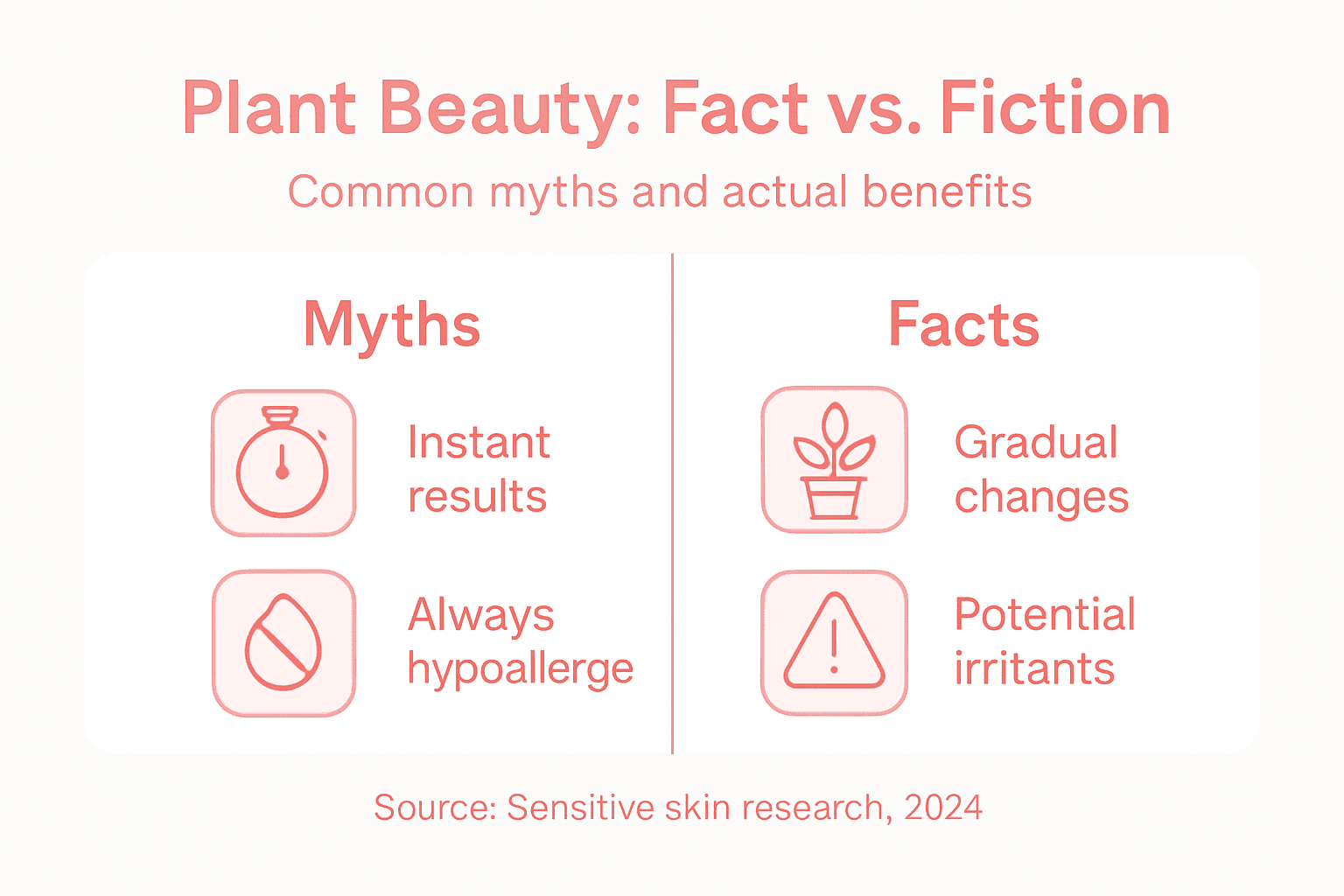
Now for the myths. The most common one? That all plant-based products are automatically safe and free from allergens. This oversimplification misses a crucial truth: plants are chemically diverse. Some botanical ingredients can trigger allergic reactions, cause irritation, or interact with sensitive skin in unpredictable ways. A plant-derived ingredient isn’t inherently gentler simply because it comes from nature.
Another persistent myth claims that plant-based beauty is purely aesthetic, offering no real therapeutic benefit. Research shows this isn’t accurate. Medicinal plants have documented skin-soothing and healing properties, but the science requires careful formulation and proper concentrations to deliver results. Quality matters enormously here.
Many people also believe that plant-based products work overnight or produce dramatic transformations. Realistic expectations matter. True botanical beauty operates as a gentle ritual, working with your skin’s natural processes over weeks and months. Consistency matters far more than intensity when nurturing sensitive skin.
There’s also confusion about what “plant-based” actually means. Some products use a single plant extract alongside predominantly synthetic ingredients and still market themselves as plant-based. True ingredient transparency reveals the actual composition and sourcing of what you’re applying to your skin.
Pro tip: Read ingredient lists from back to front, focusing on what appears in higher concentrations rather than checking only the first few ingredients. This simple practice reveals whether a product truly prioritizes botanical sources or uses them as minor additives.
Here is a comparison of common plant-based skincare myths versus facts to help clarify misconceptions:
| Myth | The Reality | Why It Matters |
|---|---|---|
| All plant-based is hypoallergenic | Some botanicals can cause allergies | Avoid surprise reactions by patch testing |
| Natural equals safer | Natural substances may irritate sensitive skin | Ingredient research is essential |
| Plant-based is only for beauty | Many plants offer documented therapeutic effects | Evidence-based choices improve results |
| Overnight skin transformation | Botanical benefits develop gradually | Consistency ensures lasting improvements |
| Any plant extract means plant-based | True plant-based products use meaningful concentrations | Concentration impacts effectiveness |
Key Plant Ingredients for Skin Wellness
Certain botanical ingredients have proven track records for transforming sensitive skin. These aren’t random picks from nature—they’re plants specifically studied for their ability to calm, heal, and protect. Understanding which ones work and why helps you make informed choices about what touches your face.
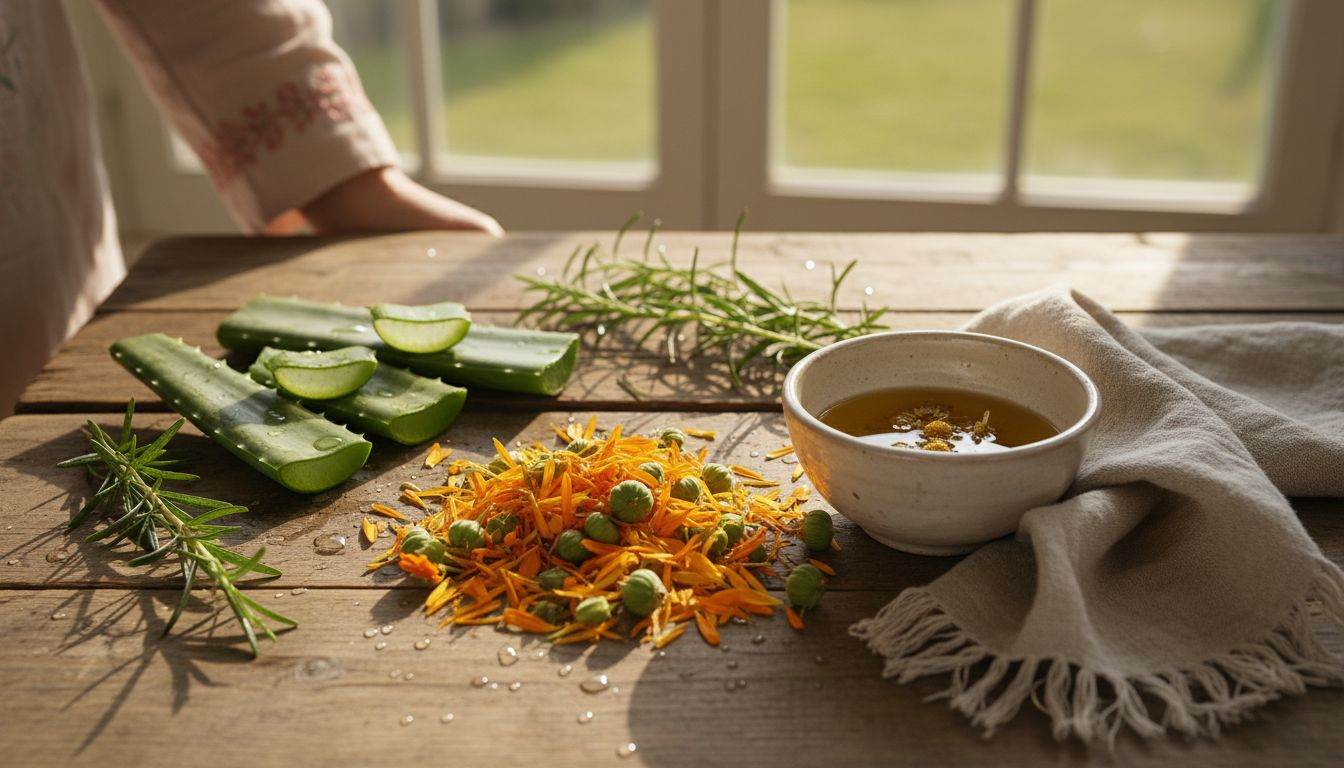
Aloe vera stands out for its regenerative properties. This succulent delivers deep hydration while simultaneously soothing inflamed skin. If you struggle with redness, irritation, or compromised barriers, aloe works by supporting your skin’s natural healing processes rather than masking symptoms.
Rosmarinus officinalis (rosemary) packs powerful antioxidants that combat oxidative stress—the invisible damage that accelerates aging. For sensitive skin, this means protection against environmental aggressors without triggering reactions. Cannabis sativa offers similar antioxidant benefits alongside exceptional hydration, making it ideal when your skin needs both nourishment and calm.
Aromatic plants deserve special attention. Calendula officinalis (calendula) and Matricaria chamomilla (chamomile) contain natural compounds that reduce inflammation and support tissue regeneration. Both plants have been used for centuries in traditional beauty rituals, and modern research confirms their effectiveness. These ingredients excel at soothing reactive skin while promoting healing.
Schisandra chinensis addresses pigmentation concerns gently, without the harshness of synthetic alternatives. Foeniculum vulgare (fennel) brings antioxidant and anti-inflammatory benefits that work synergistically with other botanicals. When combined thoughtfully, botanical ingredients create multifaceted benefits that address multiple skin concerns simultaneously.
The key difference between effective plant-based products and mediocre ones lies in concentration and formulation. A tiny trace of these ingredients won’t deliver meaningful results. Quality products use sufficient concentrations to provide real skin benefits—moisturizing, anti-inflammatory, regenerative, and protective action working together.
Pro tip: Look for products listing these plant extracts in the first five ingredients, which indicates meaningful concentration levels rather than tokenistic amounts.
Below is a summary of top plant ingredients and their unique actions for sensitive skin:
| Ingredient | Primary Benefit | How It Helps Sensitive Skin |
|---|---|---|
| Aloe vera | Deep hydration, regeneration | Calms redness and repairs barrier |
| Rosemary | Antioxidant, anti-aging | Shields from environmental stress |
| Calendula | Anti-inflammatory, healing | Eases irritation and promotes repair |
| Chamomile | Reduces inflammation | Soothes reactivity and supports healing |
| Schisandra | Balances pigmentation | Gently addresses discoloration |
| Fennel | Antioxidant, anti-inflammatory | Enhances protection and synergy |
Healing Sensitive Skin and Eczema Naturally
If you have eczema or chronically sensitive skin, you know how frustrating conventional treatments can be. Prescription creams often come with side effects, and many over-the-counter products make things worse. Plant-based healing offers a different path—one grounded in nature’s own anti-inflammatory arsenal.
Natural plant extracts work differently than synthetic medications. They don’t just suppress symptoms; they address the underlying inflammation driving your skin’s distress. Research shows that bio-fermented plant extracts like Aframomum angustifolium and Chrysanthemi indicii flower extracts possess calming, anti-inflammatory, and antioxidant properties that inhibit the inflammatory cytokines responsible for eczema flares.
Geranium essential oil stands out for its ability to soothe reactive skin while fighting the bacteria that can complicate eczema. Ficus carica (fig) extracts deliver antioxidant and antibacterial benefits that support skin barrier healing. Bee venom, though surprising to many, offers potent anti-inflammatory effects without the harsh side effects of topical steroids.
What makes plant-based approaches safer is their multi-faceted action. Rather than targeting one pathway, botanical ingredients work synergistically. They calm inflammation, neutralize free radicals, reduce bacterial overgrowth, and support your skin’s natural healing processes simultaneously. This complex interaction is why sensitive skin responds so well to thoughtfully formulated plant-based products.
The timeframe matters too. Unlike prescription treatments that work fast but fade quickly, plant-based healing builds gradually. Your skin barrier strengthens over weeks as these ingredients accumulate their protective effects. This means fewer flares, less reactivity, and genuine long-term improvement rather than temporary relief.
Establishing a consistent clean beauty routine with the right plant-based ingredients transforms how your eczema-prone skin behaves. Consistency compounds the benefits—your barrier gets stronger, inflammation decreases, and you finally experience the calm skin you’ve been seeking.
Pro tip: Introduce new plant-based products one at a time, spacing them 5-7 days apart, so you can identify which botanical ingredients your skin loves and which ones to avoid.
Holistic Rituals: Nurturing Body and Mind
Beauty is not something you apply to your skin. Beauty emerges from how you treat yourself, what you consume, and the mental space you inhabit. Plant-based beauty transcends products—it becomes a ritual that heals your entire being.
When you slow down for your skincare routine, you shift your nervous system. That five-minute pause while applying a botanical face oil or a nourishing blush isn’t wasted time. It’s stress reduction happening in real time. Elevated cortisol levels trigger skin inflammation and eczema flares, so this mental calm directly supports your skin’s healing.
Facial massage amplifies botanical absorption while improving circulation. Gentle upward strokes move lymphatic fluid, reduce puffiness, and help your skin drink in plant extracts more effectively. Paired with aromatherapy, these techniques create a sensory experience that calms your mind while your skin barrier strengthens.
Holistic skincare means looking beyond the bottle. Your skin reflects what happens internally. A nutrient-rich diet supporting collagen production, consistent hydration, quality sleep, and stress management techniques like meditation and yoga work synergistically with clean beauty products. You cannot out-product a life of poor sleep and chronic stress.
Mindful beauty practices transform skincare from a chore into self-nurture. When you approach your routine intentionally, you honor your skin’s needs rather than rushing through steps. This presence matters. Your hands moving across your face with care, the scent of natural botanicals, the texture of a plant-based oil—these sensory elements activate your parasympathetic nervous system, the part responsible for healing.
Breathwork during your routine amplifies benefits further. Three deep breaths while applying nourishing products centers your attention and signals your body that you’re safe. This physiological shift reduces stress hormones that damage your skin barrier.
Pro tip: Designate a specific time for your beauty ritual when you can be fully present—no phone, no rushing—and watch how your skin responds to this intentional care alongside the botanical ingredients themselves.
Comparing Plant-Based vs. Synthetic Products
The choice between plant-based and synthetic beauty products isn’t as simple as natural equals better. Both categories offer real benefits, and understanding their differences helps you make decisions aligned with your skin’s actual needs.
Plant-based ingredients deliver anti-inflammatory, antioxidant, and antimicrobial benefits. Botanicals enhance your skin barrier function and reduce sensitivity naturally. They work gently because they contain multiple compounds working together—nature’s own synergistic formula. Your sensitive skin often responds better to this complexity because botanical ingredients have evolved alongside human skin for thousands of years.
Synthetic ingredients bring precision and stability. Laboratory-formulated peptides and bioactives target specific concerns like collagen synthesis and skin regeneration with predictable results. They don’t degrade quickly, they’re consistent batch to batch, and they deliver measurable improvements. For someone with eczema seeking reliable barrier repair, a synthetic ceramide formulation offers guaranteed efficacy.
The honest truth: the best skincare often combines both. Plant extracts provide soothing, healing benefits while synthetic compounds deliver targeted performance. This synergistic approach offers tailored solutions that address multiple skin concerns simultaneously. A botanical blush infused with stabilizing synthetic compounds actually outperforms either category alone.
What matters most is your specific situation. If your sensitive skin reacts to fragrance and preservatives, plant-based products with minimal synthetic additives make sense. If you need potent anti-aging results or barrier repair, a formulation combining plant oils with peptides works better. One isn’t universally superior—they’re different tools for different jobs.
The botanical ingredients chosen in quality plant-based formulations are selected precisely because they deliver measurable skin benefits. This reflects modern skincare reality: the division between natural and synthetic is blurring. The real question isn’t which category to choose, but which ingredients address your specific skin concerns most effectively.
Transparency matters more than the label. Whether a product is plant-based or synthetic, you deserve to know exactly what’s in it, why it’s there, and how it benefits your skin.
Pro tip: Read the ingredient list, not the marketing claims—whether you’re choosing plant-based or synthetic, the actual ingredients determine results, not the product’s categorical label.
Environmental and Ethical Impact of Clean Beauty
Your skincare choices ripple far beyond your complexion. Every product you purchase signals what you value—and what you’re willing to tolerate in the world. Clean beauty represents a conscious shift toward products that heal both skin and planet.
Conventional synthetic cosmetics carry hidden environmental costs. Chemical ingredients bioaccumulate in aquatic ecosystems, harming marine life and contaminating water supplies. Microplastics from some formulations persist in oceans indefinitely. Deforestation driven by ingredient sourcing destroys habitats. Plastic packaging adds to global waste streams. These aren’t minor concerns—they’re systemic harm embedded in conventional beauty routines.
Clean beauty prioritizes sustainability, safety, and ethicality. This means sourcing natural, organic, vegan ingredients while minimizing environmental footprint. It means transparent supply chains where you know where ingredients come from and whether workers were treated fairly. For women ages 25-45, this alignment between values and purchases matters deeply. You’re not just buying makeup; you’re voting with your wallet.
Packaging deserves attention too. Plant-based beauty brands increasingly use recyclable, compostable, or minimal packaging. Some shift from plastic to glass or aluminum. Others eliminate unnecessary packaging altogether. These choices compound across millions of purchases.
Ethical sourcing addresses animal welfare directly. Cruelty-free formulations mean no animal testing and no animal-derived ingredients. Vegan options eliminate harm to bees, insects, and livestock. For sensitive skin, these formulations often prove gentler because plants provide complete skincare solutions without animal byproducts that can trigger reactions.
Eco-conscious beauty practices align personal wellness with planetary health, creating products that feel good because they do good. When you choose clean beauty, you support companies investing in greener formulations and sustainable manufacturing. You reduce your contribution to chemical pollution and microplastic accumulation. Your skin heals while ecosystems heal alongside it.
Millennials and Gen Z are already driving this shift. Their purchasing behaviors reflect demand for corporate responsibility. This pressure accelerates industry-wide change toward safer, more sustainable practices.
Pro tip: Check for third-party certifications like B-Corp or sustainable sourcing labels rather than relying on marketing claims alone—these verify actual environmental and ethical practices, not just intentions.
Embrace Sensitive Skin Care with Pure Light Botanical Beauty
Sensitive skin and conditions like eczema need more than just surface solutions. The article highlights how plant-based ingredients offer gentle, sustained healing by reducing inflammation, strengthening the skin barrier, and nurturing skin health over time. You deserve products that honor your skin’s unique needs with meaningful concentrations of botanicals like aloe vera, chamomile, and calendula—all carefully blended to soothe, protect, and transform.
At Pure Light Botanical Beauty, we invite you to experience makeup as a ritual of nourishment and healing. Our clean, plant-based formulas go beyond beauty to support your skin’s natural wellness and empower confidence without compromise. Discover how our thoughtfully crafted products can become your daily act of self-care and skin restoration.
Imagine a beauty routine that calms your skin and mind simultaneously. Start your transformative journey today by exploring our collection designed specifically for sensitive skin. Visit Pure Light Botanical Beauty to embrace products where nature’s healing meets radiant expression.
Nurture your skin with ingredients that work gently yet effectively. Find your perfect botanical solution now at Pure Light Botanical Beauty and learn more about how to establish a consistent clean beauty routine that supports long-term skin health. Step into a world where beauty heals from the inside out.
Frequently Asked Questions
What is plant-based beauty?
Plant-based beauty refers to skincare and cosmetic products primarily derived from botanical sources, focusing on soothing, toning, and protecting the skin with natural ingredients.
Are all plant-based products hypoallergenic?
No, not all plant-based products are hypoallergenic. Some botanical ingredients can trigger allergic reactions or irritate sensitive skin, so it’s essential to patch test before full application.
How do plant-based ingredients benefit sensitive skin?
Plant-based ingredients often deliver anti-inflammatory, antioxidant, and antimicrobial benefits. They support skin barrier function and help reduce sensitivity naturally over time.
How long does it take to see results from plant-based skincare?
Results from plant-based skincare typically develop gradually over weeks or months, as these ingredients nourish and strengthen the skin barrier, leading to lasting improvements rather than quick fixes.
Recommended
- Natural Beauty Transformation: Healing Through Botanicals – Pure Light Botanical Beauty
- 6 Types of Plant-Based Cosmetics You Need to Know – Pure Light Botanical Beauty
- Benefits of Botanical Ingredients for Sensitive Skin – Pure Light Botanical Beauty
- 7 Eco-Friendly Beauty Swaps for Sensitive Skin Relief – Pure Light Botanical Beauty
- Healthy Natural Hair Products: Better Growth and Safety | MyHair