

Finding gentle ways to bring out your natural glow can feel challenging when sensitive skin or eczema complicate every option. Misunderstandings about what a “natural blush” really means leave many women wondering how to work with what nature provides. By exploring the science behind your own persistent flush and discovering plant-based pigments that support skin health, you can select beauty solutions that nurture, protect, and reveal your true radiance with every self-care ritual.
Table of Contents
- Defining Natural Blush And Common Misconceptions
- Types Of Natural Blush: Creams, Powders, Tints
- Key Ingredients And Their Skin Benefits
- Choosing Natural Blush For Sensitive Skin
- Natural Vs. Conventional Blush: Safety And Efficacy
Key Takeaways
| Point | Details |
|---|---|
| Understanding Natural Blush | Natural blush is a physiological characteristic influenced by blood flow, not just emotional triggers or makeup. It varies significantly among individuals based on skin thickness and vascular response. |
| Selecting the Right Formula | Choose natural blush formulations based on your skin type—creams for dry skin, powders for combination, and tints for sensitive skin. Always prioritize products with soothing and nourishing ingredients. |
| Natural vs. Conventional Products | Natural blushes use plant-based pigments and minimal synthetic additives, offering better skin compatibility and long-term health benefits compared to conventional formulations. |
| Patch Test Before Use | Always patch test new blush products, especially for sensitive skin, to avoid adverse reactions and ensure compatibility with your unique skin type. |
Defining Natural Blush and Common Misconceptions
When we talk about natural blush, we’re referring to something distinctly different from the rosy glow you apply with a brush. Natural blush is the persistent, soft flush that appears on your face as a result of how your body regulates blood flow to the skin. This happens through your sympathetic nervous system, which controls the dilation and constriction of tiny blood vessels called capillaries in your face. The color you see is simply blood flowing closer to the surface of your skin, creating that warm, healthy-looking tone. For those with sensitive skin or eczema, understanding this distinction matters because it helps you work with your skin’s natural tendencies rather than against them, layering products thoughtfully on top of what’s already happening beneath the surface.
One major misconception is that everyone has the same amount of natural blush, or that it’s always visible and vibrant. The truth is far more nuanced. Your natural blush depends on several factors: how thin your facial skin is, your capillary density, and how your individual vascular system responds to temperature, emotion, and circulation. Some people have a naturally rosy complexion that shows throughout the day without any effort. Others have barely noticeable blush, particularly if they have deeper skin tones or conditions like eczema that affect skin texture and color distribution. Another common myth is that blushing only happens when you’re embarrassed, but research shows that natural blush exists independently of emotional triggers. You can have a flushed face without feeling any particular emotion, and conversely, you might feel deeply embarrassed without any visible reddening. Understanding that natural blush is simply a physiological characteristic, not something you can fully control through emotion or willpower, takes the pressure off and helps you appreciate it as part of your unique complexion.
Another misconception centers on the idea that natural blush should always be enhanced or corrected. If you’re someone with sensitive skin or eczema, the pressure to cover, intensify, or adjust your natural flush can actually work against your skin’s healing. When your skin is already dealing with inflammation or irritation, forcing extra color on top can feel uncomfortable and look unnatural. The most beautiful approach is often to honor what your skin naturally offers and use clean, natural makeup products for sensitive skin that enhance rather than mask. This means working with your skin’s own coloring instead of against it, which is both more comfortable and more genuinely beautiful in the long run.
Pro tip: Observe your own natural blush by noting when your face looks most flushed throughout the day—after movement, in warm rooms, or during conversations—then choose blush products that complement rather than duplicate that shade, allowing your skin to breathe while still enjoying a polished look.
Types of Natural Blush: Creams, Powders, Tints
Natural blush comes in three main formulations, each with its own personality and performance style. Cream blushes are rich, emollient formulas that blend seamlessly into the skin, creating a dewy, skin-like flush that looks like it’s coming from within. They work beautifully for those with sensitive skin or eczema because they require minimal friction during application and won’t emphasize dry patches or texture. Cream formulas typically contain nourishing botanical oils and butters that actually care for your skin while you wear them, making the application process feel like a gentle massage rather than a makeup step. The downside is they can shift throughout the day if you have oily areas, and they require a light hand since a little goes a long way.
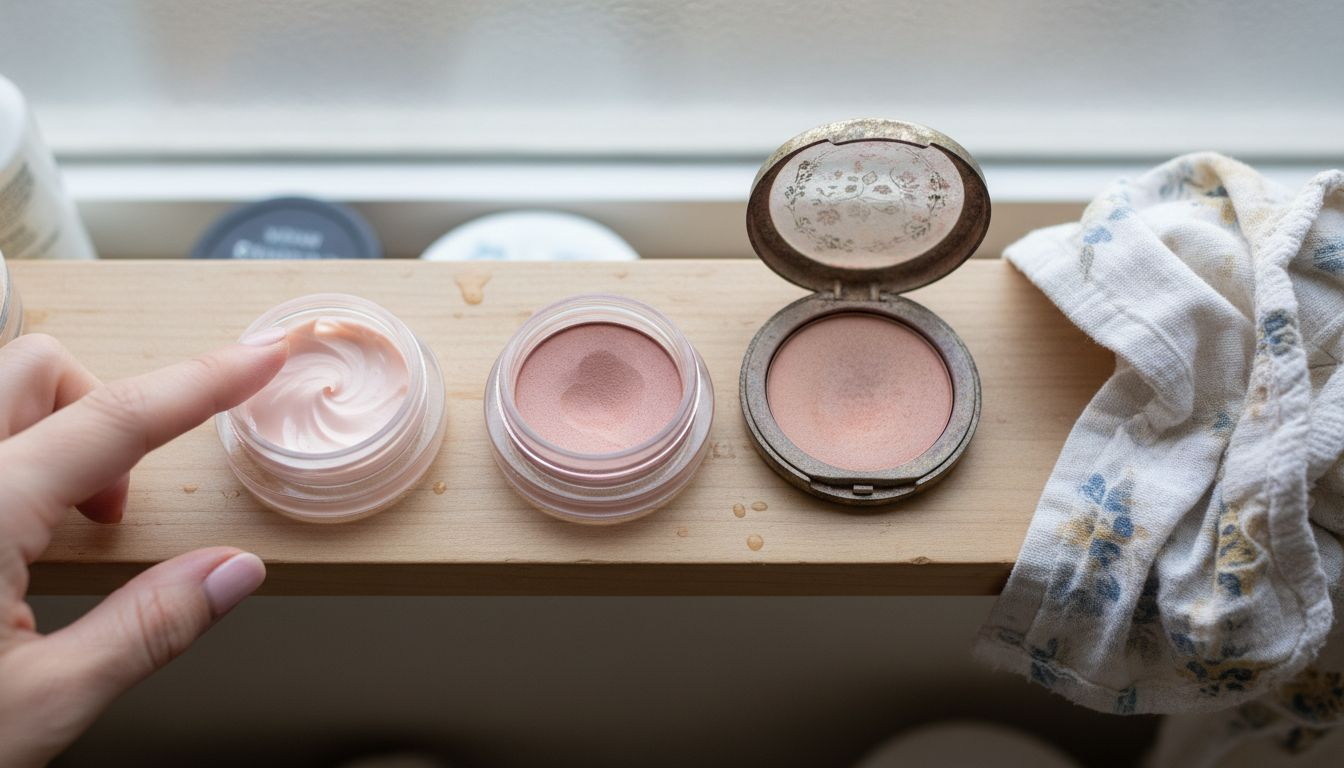
Powder blushes offer precision and buildable color in a finely-milled formula that sits smoothly on the skin. They last longer throughout the day and give you more control over intensity, allowing you to apply as much or as little as you need. For people with sensitive skin, powder blushes can work well if they’re formulated without talc or heavy fillers that might irritate or dry out your complexion. The texture feels lighter on the skin compared to creams, and they won’t feel as heavy during warm weather or humid days. The trade-off is that powders can sometimes appear more noticeable on compromised skin, and they may require a softer brush technique to avoid looking patchy.
Tints are liquid or gel-based blushes that blur the line between skincare and color. These lightweight formulas absorb quickly and create a natural, barely-there flush that feels almost like a second skin. Tints are exceptional for sensitive skin because they typically contain fewer ingredients, minimal texture, and often include soothing botanicals that calm while they color. You apply them directly to the skin before powder products, allowing them to meld with your natural complexion. The beauty of tints is their versatility and how naturally they sit on the face, though they may require more frequent touch-ups if you have very oily skin. When exploring your options, understanding the different types of natural makeup available can help you determine which formula aligns with your skin’s unique needs and your daily routine.
Pro tip: Start by testing one formula type that matches your skin’s current state (cream for dry, tint for sensitive, powder for combination), then gradually explore the others once you understand how your skin responds, building a collection that works with your skin’s seasons and moods.
Here’s a summary comparison of the three main types of natural blush to help you choose the best option for your skin:
| Blush Type | Best For | Key Benefit | Potential Drawback |
|---|---|---|---|
| Cream | Dry, sensitive skin | Dewy, seamless finish | Can move if skin is oily |
| Powder | Combination, oily skin | Buildable color, lasting power | May accentuate dry patches |
| Tint | Sensitive, reactive skin | Lightweight, natural look | Requires more touch-ups |
Key Ingredients and Their Skin Benefits
The magic of natural blush lies not just in the color it provides, but in what goes into creating that color. Modern natural blush formulations rely on plant-based pigments like red sandalwood and beetroot extracts that deliver rich, dimensional color while simultaneously nourishing your skin. These pigment sources aren’t chosen randomly—they’re selected because they contain natural bioactive compounds with genuine antioxidant properties. Unlike synthetic dyes that simply sit on your skin, these botanical colorants work with your complexion, offering real benefits beyond aesthetics. For someone with sensitive skin or eczema, this distinction matters enormously because you’re not just applying color; you’re applying care. The antioxidants in these plant extracts help protect your skin barrier from environmental stressors while the pigments create that coveted flush.
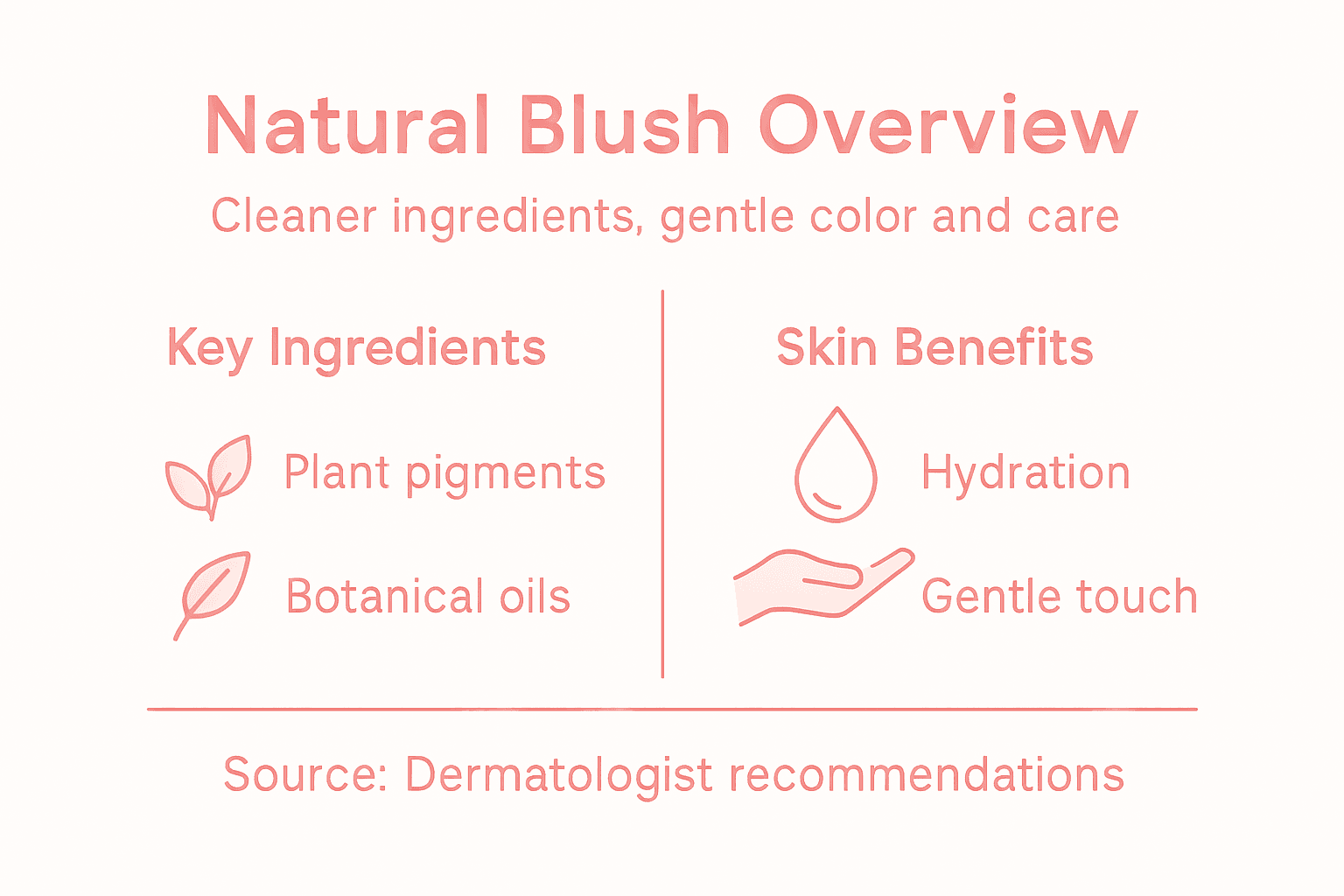
Beyond pigments, natural blush formulas incorporate nourishing oils and emollients that make the product feel luxurious and skin-supporting. Jojoba oil mimics your skin’s natural sebum, making it exceptionally compatible with even the most reactive complexions. Squalane, derived from plants, provides deep hydration without the heaviness that can aggravate inflamed skin. Mica, a natural mineral, creates a silky texture and subtle luminosity that looks ethereal on the skin. These ingredients work synergistically to ensure that when you apply blush, you’re creating a smooth, hydrated canvas rather than emphasizing dry patches or irritation. Understanding how botanical ingredients support sensitive skin helps you make informed choices about which products will truly work for your unique complexion.
The foundation of quality natural blush also depends on natural binders and fillers that keep all these beneficial ingredients stable and wearable throughout your day. These components determine how the blush applies, how long it lasts, and whether it feels comfortable on compromised skin. Clean formulations avoid talc and synthetic fillers that can irritate or dry out sensitive areas, instead using mineral-derived components that are gentle and skin-safe. When all these elements come together—the pigments, the oils, the minerals, and the binders—you get a product that performs beautifully while respecting your skin’s healing process. The result is a blush that enhances without overwhelming, nourishes while it colors, and feels like an act of self-care rather than a cosmetic step.
Pro tip: When shopping for natural blush, flip the bottle and read the ingredient list from back to front, starting with the smallest components, because that’s where you’ll spot any potential irritants or synthetic additives hiding near the end.
Choosing Natural Blush for Sensitive Skin
Selecting the right natural blush when you have sensitive skin or eczema requires a thoughtful, ingredient-focused approach rather than chasing trends or formulas designed for resilient skin types. Start by avoiding common irritants that trigger reactions in reactive complexions. Fragrances, whether synthetic or natural, can be surprisingly inflammatory for sensitive skin. Parabens and harsh chemical preservatives have no place in your routine either. Instead, look for blushes formulated with soothing botanical components like aloe vera and chamomile, which calm inflammation while you wear them. These ingredients don’t just sit passively on your skin; they actively support your barrier function while delivering color. Hypoallergenic formulations specifically designed to minimize allergic reactions and non-comedogenic formulas that won’t clog your pores are non-negotiable criteria when selecting products for sensitive skin.
When it comes to texture and formula type, cream and gel blushes often perform better for sensitive complexions than their powder counterparts. Creams blend seamlessly without requiring friction, reducing irritation during application. They hydrate as they color, which is crucial if your skin barrier is compromised by eczema or sensitivity. Gel formulas offer similar benefits with a lighter feel that many people with reactive skin prefer. If you’re drawn to powder blush, choose only finely-milled versions free from talc and irritating fillers, then apply with an exceptionally soft brush using a gentle stippling motion rather than swirling. The formula matters less than ensuring every ingredient has been vetted for your specific sensitivities. When learning how to choose natural makeup for sensitive skin relief, you’ll discover that the process of selection is as important as the product itself.
Patch testing is non-negotiable for sensitive skin, even if a product promises gentleness. Apply a small amount to a discrete area like your jawline or inner arm and wait 24 hours before using it on your face. This single step can prevent hours of redness, itching, or inflammation from a product that seemed perfect on paper. Keep a simple note of which products pass your test and which ones don’t, building a personal database of what your unique skin tolerates. Remember that just because a blush is labeled natural doesn’t automatically mean it’s safe for your skin. Natural ingredients can still trigger reactions, so your personal testing matters infinitely more than marketing language.
Pro tip: Request sample sizes or purchase from retailers with generous return policies so you can test new blushes without financial risk, giving your sensitive skin time to reveal its honest reaction before committing to a full-size product.
Natural vs. Conventional Blush: Safety and Efficacy
The difference between natural and conventional blush goes far deeper than marketing language. Conventional blush typically contains synthetic preservatives, artificial dyes, and chemicals like parabens and phthalates that keep products shelf-stable but can trigger sensitivities, especially in people with eczema or reactive skin. These synthetic additives were developed primarily for performance and cost efficiency, not for skin health. Your face becomes the testing ground for whether your skin tolerates these compounds. Natural blush, by contrast, relies on plant-derived ingredients with minimal synthetic additives, botanical extracts, organic oils, and mineral pigments that work with your skin barrier rather than against it. The regulatory framework in many countries, including European standards, now emphasizes safety evaluation that includes screening for microbial contamination and potential allergens, giving natural products a rigorous safety profile consumers can trust. When you choose natural blush, you’re choosing ingredients that were developed to nourish while they color.
One misconception is that natural blush sacrifices performance for safety. The reality contradicts this entirely. Studies comparing efficacy show that natural blushes deliver color payoff and longevity comparable to conventional formulas, meaning you don’t have to choose between what works and what’s safe. The botanical pigments in natural blush create genuine color that lasts throughout your day. Natural oils provide better blending and a more skin-like finish than many conventional formulas. The bioactive compounds in plant extracts offer additional benefits like antioxidant protection that conventional synthetic dyes simply cannot provide. When learning about the transition to natural makeup, you’ll discover that this shift isn’t about sacrifice but about alignment with what your skin actually needs.
For people with sensitive skin or eczema, the safety advantage of natural blush becomes profound. Conventional blushes may contain irritants that damage your skin barrier further, prolonging inflammation and discomfort. Natural formulations minimize this risk by eliminating harsh chemicals and focusing on soothing, nourishing ingredients. You won’t experience the stinging sensation many people describe when applying conventional blush to reactive skin. Your skin won’t be fighting the product while trying to heal. Over time, choosing natural blush becomes an investment in your skin’s long-term health, not just its immediate appearance. The compounds in natural blush support your complexion even as you wear it, which is the opposite of conventional products that simply sit on top.
Pro tip: When switching from conventional to natural blush, give your skin two to three weeks to adjust, as your complexion may initially look more flushed without the heavy pigmentation you’re accustomed to, but this appearance will normalize as your skin barrier strengthens.
This chart outlines critical differences between natural and conventional blush at a glance:
| Attribute | Natural Blush | Conventional Blush |
|---|---|---|
| Main Ingredients | Plant-based, mineral oils | Synthetic dyes, parabens |
| Effect on Skin | Soothes, nourishes | May irritate or dry |
| Allergen Risk | Lower if carefully chosen | Higher due to chemicals |
| Environmental Impact | More eco-friendly | Often less sustainable |
Embrace Your Natural Glow with Care and Confidence
Understanding your unique natural blush is the first step toward honoring your skin’s true essence—especially when dealing with sensitive skin or eczema. The article reveals how crucial it is to choose blushes that work with your skin’s natural vascular rhythms rather than masking or irritating them. Key challenges like redness, sensitivity, and the temptation to overcorrect can feel overwhelming but are entirely manageable with the right approach. Pure Light Botanical Beauty offers thoughtfully crafted, plant-based solutions that nourish your skin while enhancing your natural flush with ingredients designed to soothe and protect.
Discover the gentle power of our Botanical Crème Blush and other clean makeup essentials created for sensitive skin. Our products combine nourishing oils, antioxidant-rich pigments, and skin-loving botanicals to provide a seamless, radiant finish that supports your skin barrier rather than compromises it. Take the next step toward a beauty ritual that is an act of self-care and healing. Visit Pure Light Botanical Beauty now and find your perfect match to enhance your natural blush gracefully and confidently.
Frequently Asked Questions
What is natural blush and how does it differ from conventional blush?
Natural blush is a makeup product that uses plant-based pigments and nourishing ingredients to provide color while caring for the skin. Unlike conventional blush, which often contains synthetic dyes and harsh chemicals, natural blush is formulated to enhance your complexion without irritating sensitive skin.
How can I determine my natural blush shade?
You can observe your natural blush by noting when your face appears most flushed throughout the day, such as after exercise or in warm environments. Choose blush products that complement that natural hue for a more harmonious look.
What are the different types of natural blush available?
Natural blush comes in three main formulations: cream, powder, and tint. Cream blushes provide a dewy finish, powder blushes offer buildable color and longevity, while tints create a lightweight, natural appearance that absorbs quickly into the skin.
Why is it important to choose natural blush for sensitive skin?
Choosing natural blush for sensitive skin is crucial because natural formulations typically avoid irritants found in conventional products, like synthetic preservatives and fragrances. They often include soothing and nourishing ingredients that help support the skin barrier, reducing the risk of irritation and inflammation.
Recommended
- Ruby Botanical Créme Blush – Pure Light Botanical Beauty
- 7 Types of Natural Makeup for Sensitive, Radiant Skin – Pure Light Botanical Beauty
- Understanding Best Practices for Natural Beauty Care – Pure Light Botanical Beauty
- What to Use to Make Your Skin Glow Naturally Every Day – Pure Light Botanical Beauty
- Understanding Natural Hair Care for Black Hair | MyHair