

TL;DR:
- Calming skincare uses gentle, scientifically backed ingredients like Centella asiatica, ceramides, and oat to soothe sensitive, irritated skin. Dermatologists recommend fragrance-free, hypoallergenic products to reduce reactions and build a resilient skin barrier. Consistently layering these products in a simple routine helps improve skin health over time.
Calming skincare is defined as products formulated specifically to soothe irritated, sensitive skin using gentle, scientifically backed ingredients that reduce redness and protect the skin barrier. For people with reactive or eczema-prone skin, choosing the right examples of calming skincare is not a cosmetic preference. It is a daily health decision. Dermatologists consistently recommend fragrance-free, hypoallergenic formulas as the gold standard for sensitive skin, pointing to ingredients like Centella asiatica, guaiazulene, prebiotic oat, and calendula as the most effective soothing agents. This guide breaks down exactly what to look for, what works, and how to build a routine that keeps your skin calm every day.
What are the best examples of calming skincare ingredients?
The most effective calming skincare products share a core set of ingredients that dermatologists and eczema specialists consistently endorse. Knowing these ingredients by name gives you real power when reading a product label.
- Centella asiatica (Cica): This plant extract accelerates barrier recovery and visibly reduces redness. Cica and ceramides cushion and reinforce the skin for better recovery, making them a top choice for reactive skin types.
- Guaiazulene: Derived from chamomile oil, guaiazulene delivers anti-inflammatory effects that calm active flare-ups. It gives some calming creams their characteristic blue tint.
- Prebiotic oat: Colloidal oatmeal soothes dryness and strengthens skin resilience. Products approved by the National Eczema Association use oat as a primary active because of its rigorous safety profile.
- Calendula: This botanical relieves tightness and discomfort, particularly after exposure to wind or cold. It pairs well with ceramides in both moisturizers and serums.
- Ceramides and squalane: These lipid-based ingredients restore the moisture barrier at a structural level. They work by filling gaps between skin cells, reducing water loss and sensitivity.
Fragrance-free, hypoallergenic, and non-comedogenic formulas are the non-negotiable baseline. Any calming product that contains synthetic fragrance or alcohol risks triggering the very reaction you are trying to prevent.
Pro Tip: When scanning ingredient lists, look for Centella asiatica or “Cica” within the first five ingredients. The higher it appears, the more concentrated the soothing effect.
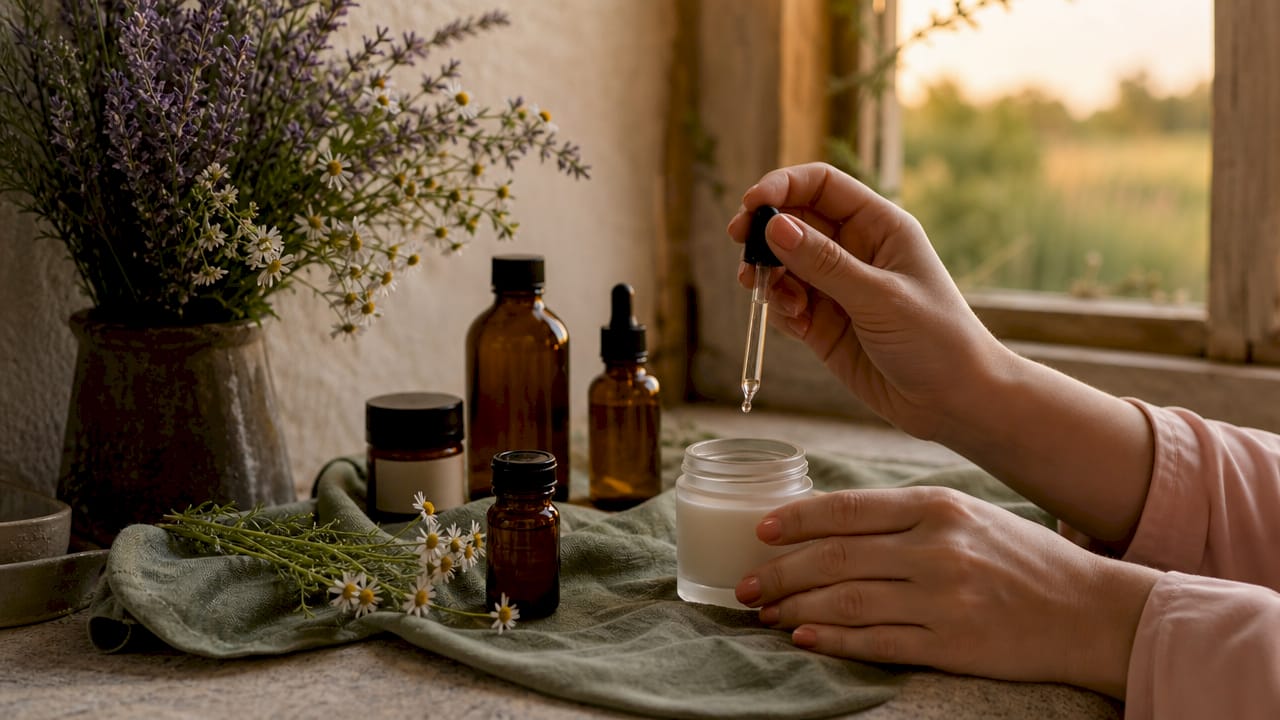
Calming moisturizers and serums for sensitive skin
Calming moisturizers fall into two main categories: gel-type and balm-type. Each serves a different skin need, and understanding the difference helps you choose the right one for your skin on any given day.
Gel-type moisturizers absorb quickly and work well for oily or combination sensitive skin. They deliver hydration without heaviness and are less likely to cause congestion. Visible calmness can appear in as little as 1 week with consistent use of specialized calming moisturizers, with some products showing reduced redness within 8 hours of first application. That speed matters when your skin is actively flaring.
Balm-type moisturizers create a protective seal over the skin. They are better suited for dry, tight, or wind-damaged skin. They lock in serums applied underneath and provide a physical buffer against environmental triggers.
Calming serums deserve their own step in your routine. Look for formulas that combine Centella asiatica with ceramides and squalane. These ingredients work together: Cica reduces surface inflammation while ceramides rebuild the barrier from within. Squalane adds a lightweight layer of moisture that does not feel greasy.
- Choose a gel moisturizer for daytime use under makeup or sunscreen.
- Choose a balm moisturizer for nighttime recovery when your skin needs deeper repair.
- Layer a Cica serum underneath your moisturizer for added barrier support.
- Look for products with soothing ingredients like panthenol and glycerin alongside Cica for maximum hydration.
Pro Tip: Apply calming products in thin layers and allow 30–60 seconds between each layer. Thin layers absorb fully and prevent pilling when you apply makeup on top.
Calming makeup options for redness-prone skin
Calming makeup is not a cover-up. The best calming skincare makeup acts as a secondary protective layer that soothes while it covers. This distinction matters because reactive skin needs support, not just concealment.
Corrective makeup uses targeted placement of green pigments to neutralize red zones. Green sits opposite red on the color wheel, so a thin layer of green-tinted corrector applied only to red areas cancels the color before you apply foundation. This technique reduces the amount of product you need overall, which means less potential for irritation.
Makeup balms with calming botanical blends go further. They contain hyaluronic acid, colloidal oatmeal, and non-irritating botanical extracts that actively support the skin barrier while you wear them. 100% of sensitive skin testers confirmed safety using specialized corrective formulas with calming components. That result reflects what dermatologists already know: the right formula does not compromise reactive skin.
- Choose makeup labeled fragrance-free and non-comedogenic as a baseline requirement.
- Apply corrective green-tinted products only to active red zones, not all over the face.
- Look for makeup balms that list hyaluronic acid or colloidal oatmeal in the formula.
- Makeup for sensitive skin should strengthen the moisture barrier rather than just mask redness.
- Purelightbotanicalbeauty’s Botanical Crème Blush and Nourishing Lipstick are formulated with plant-based ingredients that nourish the skin while delivering color.
Dermatologists advise people with rosacea to treat makeup as part of their skincare routine, not separate from it. A product that irritates your skin is not worth wearing, regardless of how well it covers.
How to build a soothing skincare routine
A soothing skincare routine works through sequence and consistency. The order you apply products determines how well each one absorbs and how effectively they work together.
- Gentle cleanser: Start with a fragrance-free, sulfate-free cleanser that does not strip the skin. Harsh cleansers disrupt the pH balance and leave skin more reactive before you have even started your routine.
- Calming serum: Apply a Cica or ceramide serum to damp skin. Damp skin absorbs active ingredients more efficiently than dry skin.
- Moisturizer: Follow with your gel or balm moisturizer. Press it gently into the skin rather than rubbing, which reduces friction and irritation.
- Mineral sunscreen: Finish your morning routine with a mineral sunscreen containing niacinamide, glycerin, panthenol, and calming botanicals like Cica or aloe. Mineral formulas using nano zinc oxide provide broad-spectrum protection without a white cast and are approved by the National Eczema Association.
- Calming makeup (optional): Apply makeup balm or corrective products after sunscreen has fully absorbed. This keeps your barrier intact and your coverage even.
Avoiding known irritants is as important as choosing the right products. Synthetic fragrance, alcohol, and harsh exfoliants like glycolic acid at high concentrations all compromise the skin barrier. Swap physical scrubs for gentle enzyme exfoliants used no more than once a week.
Experts recommend avoiding triggers like excessive sun, wind, alcohol, and spicy foods alongside a consistent protective routine. External triggers and internal triggers work together to worsen reactive skin. Managing both gives your routine the best chance of working.
Pro Tip: Build your clean beauty routine around three to four products maximum at first. Adding too many new products at once makes it impossible to identify what is helping and what is causing a reaction.
Key Takeaways
Calming skincare works best when fragrance-free, barrier-supportive ingredients like Centella asiatica, ceramides, and prebiotic oat are applied consistently in a simple, layered routine.
| Point | Details |
|---|---|
| Core ingredients matter most | Centella asiatica, ceramides, prebiotic oat, and calendula are the most validated soothing agents for sensitive skin. |
| Thin layers absorb better | Apply products in thin layers and wait 30–60 seconds between steps to prevent pilling and improve absorption. |
| Makeup can soothe too | Calming makeup balms with hyaluronic acid and colloidal oatmeal protect the barrier while providing coverage. |
| Routine sequence is critical | Cleanser, serum, moisturizer, and mineral sunscreen applied in order maximizes the benefit of each product. |
| Avoid triggers alongside products | Managing sun, wind, and dietary triggers supports your routine and reduces overall skin reactivity. |
What I have learned from years of watching sensitive skin transform
I have spent a long time paying attention to what actually works for reactive skin, and the most consistent lesson is this: people with sensitive skin tend to over-complicate their routines when their skin is flaring. They add products, switch formulas, and layer more. That instinct almost always makes things worse.
The skin barrier is not a wall you build overnight. It is more like a fabric you weave slowly, thread by thread, with every consistent application of the right ingredients. Ceramides and Cica do not produce dramatic overnight results. They produce quiet, cumulative ones. The person who uses the same gentle serum and fragrance-free moisturizer for 90 days will see more improvement than the person who cycles through five different products in the same period.
What I find most underappreciated is the role of makeup in this process. Most people with rosacea or eczema-prone skin treat makeup as the enemy. The right formula is the opposite. A makeup balm with colloidal oatmeal and hyaluronic acid worn daily is adding a protective layer to your skin, not stripping it. Purelightbotanicalbeauty builds this philosophy directly into products like the Botanical Crème Blush, where the color and the care are the same thing.
The other shift worth making is moving away from the idea of a “cure” for sensitive skin. Dermatologists are clear on this: the goal is a protective routine over a cure. Sensitive skin managed well looks and feels radiant. That is not a compromise. That is the actual goal.
— Kaitlyn
Gentle, plant-based calming skincare from Purelightbotanicalbeauty
Purelightbotanicalbeauty was built for skin that needs more than a trend. Every formula in the line starts with clean, plant-based ingredients chosen for their ability to soothe, protect, and nourish reactive skin.
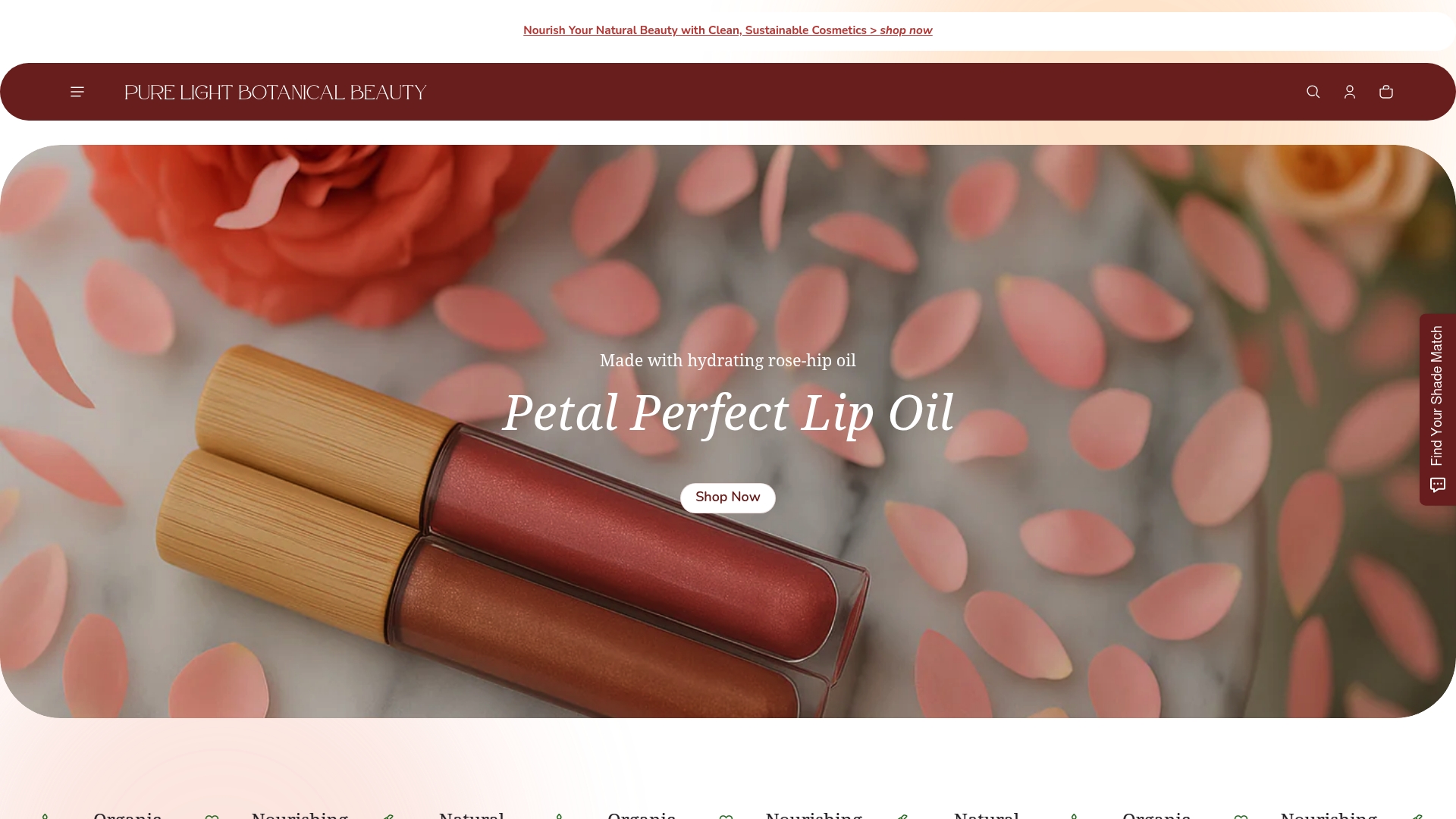
Products like the Botanical Crème Blush and Nourishing Lipstick deliver real color with real care, using botanicals that support your skin barrier rather than compromise it. The full line is designed for people who want their beauty routine to feel like a ritual of healing, not a risk. Visit Purelightbotanicalbeauty to find gentle, effective options suited to sensitive and eczema-prone skin. You can also read more about choosing calming cosmetics to find the right fit for your skin’s specific needs.
FAQ
What are examples of calming skincare ingredients?
The most effective calming skincare ingredients include Centella asiatica (Cica), guaiazulene from chamomile oil, prebiotic oat, ceramides, and calendula. Dermatologists recommend these in fragrance-free, hypoallergenic formulas as the gold standard for sensitive skin.
How quickly does calming skincare show results?
Calming moisturizers can show visible results in as little as 1 week with consistent use, and some products reduce redness within 8 hours of first application. Barrier-rebuilding ingredients like ceramides produce cumulative results over several weeks.
Can people with sensitive skin wear makeup daily?
Yes. Makeup formulated with colloidal oatmeal, hyaluronic acid, and calming botanicals acts as a protective layer rather than an irritant. Choosing fragrance-free makeup labeled non-comedogenic and hypoallergenic makes daily wear safe even on reactive skin days.
What is the correct order for a soothing skincare routine?
Apply a gentle cleanser first, followed by a calming serum, then a moisturizer, and finish with a mineral sunscreen in the morning. This sequence ensures each product absorbs fully and the barrier stays protected throughout the day.
How do I choose calming skincare products for rosacea?
Prioritize products with ceramides, niacinamide, and Cica, and avoid anything containing synthetic fragrance, alcohol, or high-concentration acids. Dermatologists advise focusing on strengthening the moisture barrier rather than masking redness as the most effective long-term approach.
Recommended
- Best Calming Skincare Ingredients for Sensitive Skin – Pure Light Botanical Beauty
- How to choose calming cosmetics for sensitive skin – Pure Light Botanical Beauty
- 7 Clean Beauty Routine Ideas for Sensitive Skin Relief – Pure Light Botanical Beauty
- 7 Best Beauty Products Naturally for Sensitive Skin Relief – Pure Light Botanical Beauty