

TL;DR:
- Holistic skin care treats the skin as part of the whole body and internal health influences skin conditions. A simple 3-5 step routine protects the skin barrier, emphasizing gentle cleansing, hydrating toners, serums, moisturizers, and sun protection. Internal factors like nutrition and stress significantly impact skin health, making lifestyle habits essential for lasting results.
Holistic skin care is defined as a full-body approach to skin health that treats your skin as an organ connected to everything happening inside you. This means your diet, stress levels, sleep quality, and product choices all shape your complexion just as much as your morning cleanser does. A guide to holistic skin care covers more than topical routines. It addresses the internal root causes of conditions like acne, eczema, and chronic sensitivity. Purelightbotanicalbeauty was built on exactly this belief: that beauty and healing come from the same source, and that your skin reflects your whole self.
What are the essential steps in a holistic skin care routine?
A foundational skin care routine needs only 3–5 steps to protect your skin barrier without overwhelming it. More steps do not mean better results. They often mean more chances for irritation, especially if your skin is sensitive or reactive.
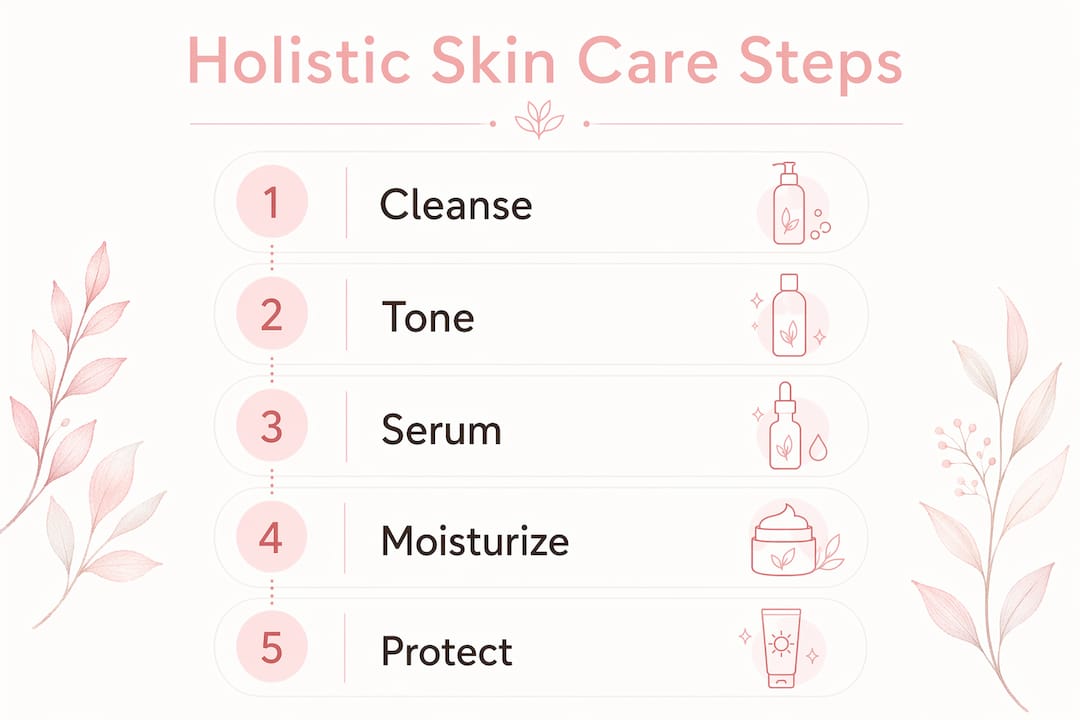
The five core steps are:
- Gentle cleansing (30–60 seconds): Use a mild, sulfate-free cleanser that removes dirt without stripping your skin’s natural oils. Harsh foaming cleansers disrupt the acid mantle, which is your skin’s first line of defense.
- Hydrating toner: Apply an alcohol-free toner or hydrosol to restore moisture balance after cleansing. Rose water and chamomile hydrosols work well for sensitive skin types.
- Serum application: Target specific concerns with a lightweight serum. Vitamin C supports brightness, while niacinamide calms redness and strengthens the barrier.
- Moisturizer: Lock in hydration with a lipid-rich formula. Ingredients like ceramides, shea butter, and squalane reinforce the skin barrier directly.
- Broad-spectrum sun protection: Apply SPF every morning, rain or shine. UV exposure is the single biggest driver of visible aging and sensitivity.
A minimal routine like this reduces barrier disruption and gives your skin room to regulate itself. Exfoliation fits into this routine 1–3 times per week, not daily. Daily exfoliation strips the barrier faster than it can rebuild.
Pro Tip: Introduce one new product at a time and wait at least one week before adding another. This makes it easy to identify what your skin loves and what it does not.
How do internal factors like nutrition and gut health impact your skin?
Your skin condition is a direct reflection of your internal health. Skin conditions like acne and eczema often trace back to gut dysbiosis, hormonal imbalance, and nutrient deficiencies rather than surface-level issues alone. Treating only the outside while ignoring the inside produces temporary results at best.

The gut-skin axis is the communication pathway between your digestive system and your skin. When gut bacteria are out of balance, inflammation rises throughout the body. That inflammation shows up on your skin as breakouts, redness, or flares of eczema.
Three nutrients matter most for skin vitality:
- Zinc: Regulates oil production and supports wound healing. Low zinc levels are directly linked to acne severity.
- Vitamin A: Drives cell turnover and keeps the skin barrier intact. Deficiency leads to rough, dry, and dull skin.
- Omega-3 fatty acids: Reduce systemic inflammation and reinforce the lipid layer of the skin barrier. Found in fatty fish, flaxseed, and walnuts.
“Skin health is an inside job. Addressing gut health, hormonal balance, and nutrient status creates the internal environment where clear, resilient skin can thrive.”
Hydration is equally non-negotiable. Drinking 8–10 glasses of water daily supports skin hydration and helps your body flush inflammatory waste products. That number is not arbitrary. Dehydration visibly reduces skin plumpness and slows cellular repair.
Hormonal fluctuations, particularly around the menstrual cycle or during periods of chronic stress, deplete key nutrients and trigger inflammatory skin responses. A diet rich in leafy greens, colorful vegetables, and quality proteins gives your body the raw materials to keep hormones balanced and skin calm.
What should you know about selecting natural and clean products?
The word “natural” on a product label is not a regulated safety claim. Natural labeling is unregulated and does not guarantee that a formula is safe, effective, or suitable for sensitive skin. A poorly formulated natural product can cause just as much irritation as a harsh synthetic one.
What actually matters is formula quality and biocompatibility. A pH-balanced synthetic ingredient can be gentler and more stable than a botanical extract that has not been properly preserved or tested. The goal is not to avoid all synthetic ingredients. The goal is to choose formulas that work with your skin’s biology rather than against it.
When transitioning to a cleaner beauty routine, follow these principles:
- Swap one product at a time: Start with your cleanser, since it rinses off quickly and carries the lowest reaction risk. Wait a week before changing your next product.
- Prioritize barrier repair first: Before adding targeted botanicals or active ingredients, stabilize your skin with simple, lipid-rich formulas. A compromised barrier makes even gentle botanicals sting.
- Read ingredient lists, not marketing claims: Look for recognized skin-compatible ingredients like ceramides, oat extract, calendula, and bisabolol. Avoid formulas with high concentrations of essential oils if your skin is reactive.
- Avoid harsh actives during transition: Retinoids, strong AHAs, and physical scrubs all stress the barrier. Introduce them only after your skin is stable and calm.
Pro Tip: If a new natural product causes stinging, redness, or breakouts within the first week, remove it immediately. Your skin’s reaction is data, not failure. Barrier stabilization always comes before complexity.
Purelightbotanicalbeauty builds every formula around this principle. Products like the Botanical Crème Blush and Nourishing Lipstick use plant-based ingredients chosen for both performance and skin compatibility, making them a natural fit for anyone building a sensitive skin routine.
How do lifestyle habits affect your skin’s long-term health?
Lifestyle is not a soft add-on to a skin care routine. It is the foundation that determines whether your topical products can do their job at all. Stress hormones like cortisol directly impair skin barrier function and drive inflammation. Chronic stress does not just make you feel worn down. It shows up on your face as dullness, breakouts, and accelerated aging.
Sleep is the most underrated skin treatment available. During deep sleep, your body produces growth hormone, repairs damaged cells, and restores the skin barrier. No serum replicates what seven to nine hours of quality sleep does for your complexion. Prioritizing sleep is one of the most effective natural skin care choices you can make.
Sun protection belongs in every skin care routine, regardless of skin tone or season. Broad-spectrum mineral sunscreens are the best choice for sensitive skin because zinc oxide and titanium dioxide sit on top of the skin rather than absorbing into it. Tinted mineral formulas solve the white cast problem while adding a layer of color that evens your complexion. For a deeper look at how to integrate sun protection into your makeup routine, Purelightbotanicalbeauty’s sun protection guide covers this in practical detail.
Additional lifestyle factors that shape skin health include:
- Smoking: Constricts blood vessels in the skin, reducing oxygen delivery and accelerating collagen breakdown.
- Alcohol: Dehydrates the skin and depletes zinc and B vitamins, both critical for barrier repair.
- Environmental toxins: Pollution particles trigger oxidative stress in the skin. Cleansing thoroughly at night removes these before they cause damage.
- Mindful movement: Regular exercise increases circulation, which delivers nutrients to skin cells and supports lymphatic drainage.
The evidence is clear. Skin health is a full-body practice that responds to how you live, not just what you apply.
Key Takeaways
A whole-body approach to skin care, combining a minimal topical routine, targeted nutrition, and consistent lifestyle habits, produces more lasting results than any single product alone.
| Point | Details |
|---|---|
| Keep your routine minimal | A 3–5 step routine protects the skin barrier better than a complex, multi-product regimen. |
| Address internal root causes | Gut health, zinc, Vitamin A, and Omega-3s directly shape skin conditions like acne and eczema. |
| “Natural” does not mean safe | Prioritize formula biocompatibility over label claims when choosing clean products. |
| Stabilize before you treat | Repair the skin barrier with lipid-rich formulas before introducing active botanicals. |
| Lifestyle drives results | Sleep, stress management, and daily sun protection are non-negotiable pillars of skin health. |
Why I think most people approach natural skin care backwards
Most people start their natural skin care shift by hunting for the most potent botanical serum they can find. I understand the appeal. The idea that a plant-derived active will fix everything overnight is genuinely exciting. But I have seen this approach backfire more times than I can count.
The skin barrier has to come first. When it is compromised, even the gentlest botanical ingredients cause stinging, redness, or unexpected breakouts. That reaction gets blamed on the product being “too natural” or “not working,” when the real issue is that the skin was not ready.
The emotional side of this matters too. A slow, intentional routine feels less impressive than a 10-step regimen. But that simplicity is where the real healing happens. When you stop overwhelming your skin and start listening to it, the changes are quieter and far more lasting. Mindful skin care is not about doing more. It is about doing the right things consistently.
My honest advice: spend the first month of any natural skin care shift doing almost nothing. Cleanse gently, moisturize with something lipid-rich, and wear SPF. Let your barrier rebuild. Then, and only then, start adding botanicals one at a time. The patience feels frustrating at first. The results make it worth it.
— Kaitlyn
Purelightbotanicalbeauty: where botanical beauty meets skin wellness
Purelightbotanicalbeauty was created for people who want their makeup to do more than cover. Every formula in the line, from the Petal Perfect Lip Oil to the Botanical Crème Blush, is built around clean, plant-based ingredients that support skin health while delivering real color payoff.
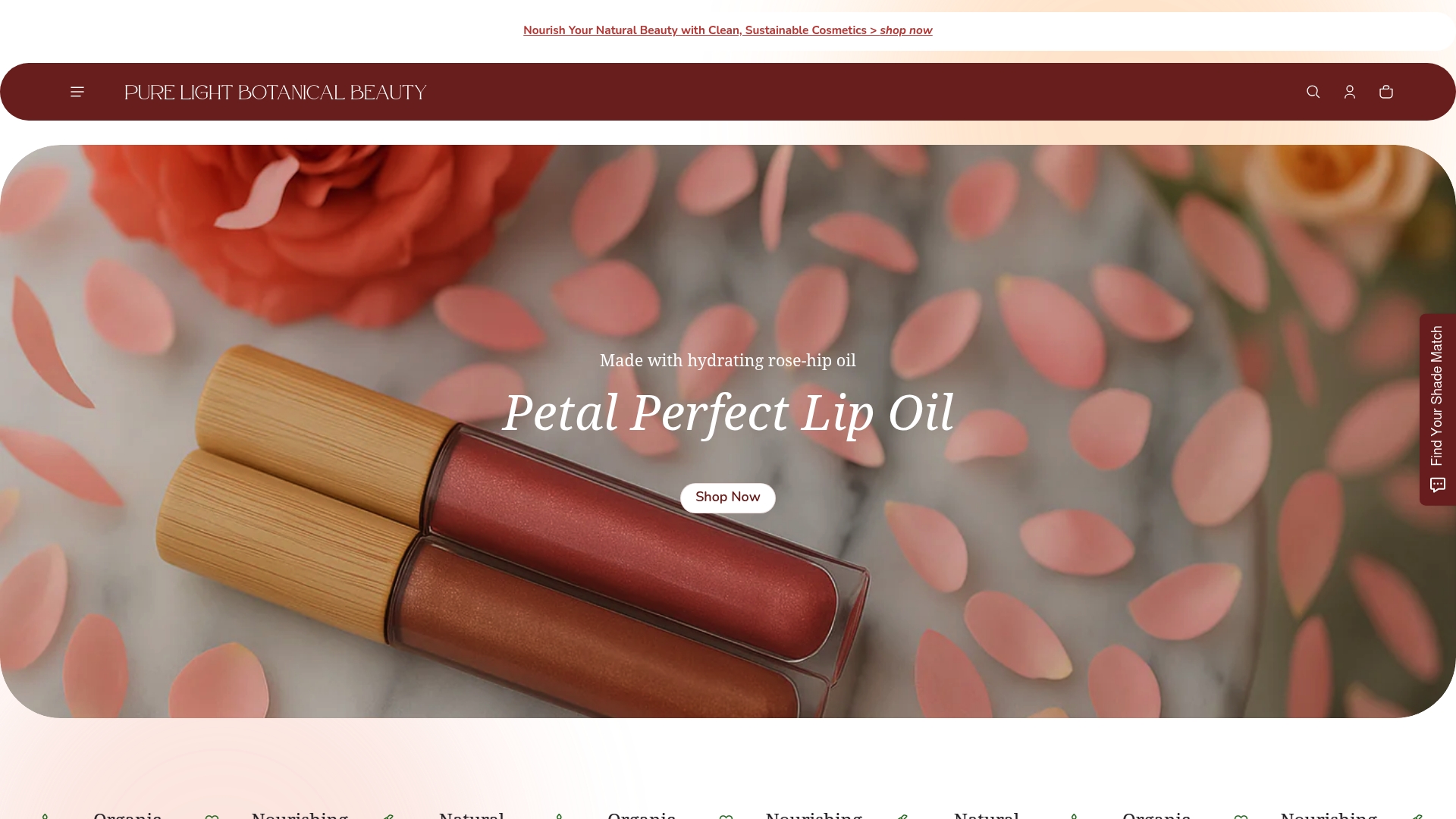
The brand’s approach aligns directly with the principles in this article: barrier-supportive formulas, non-irritating botanicals, and products designed specifically for sensitive skin. If you have been looking for makeup that fits naturally into a wellness-focused routine, Purelightbotanicalbeauty offers a line worth exploring. Visit Purelightbotanicalbeauty to see the full collection and find products that nourish your skin while letting your natural light come through.
FAQ
What is holistic skin care?
Holistic skin care is an evidence-based approach that treats skin as an organ influenced by internal factors like gut health, hormones, nutrition, and stress, not just topical products. It addresses root causes alongside surface-level care.
How many steps should a natural skin care routine have?
A natural skin care routine needs only 3–5 steps: gentle cleansing, toning, serum, moisturizer, and SPF. Fewer steps reduce the risk of barrier disruption and irritation, especially for sensitive skin.
Can diet really improve your skin?
Yes. Nutrients like zinc, Vitamin A, and Omega-3 fatty acids directly regulate oil production, cell turnover, and inflammation. Drinking 8–10 glasses of water daily also supports visible skin hydration and repair.
Is “natural” skin care safer than conventional products?
Not automatically. Natural labeling is unregulated, so formula quality and biocompatibility matter more than the label. Some pH-balanced synthetic ingredients are gentler and more stable than poorly formulated natural alternatives.
How do you transition to a natural skin care routine safely?
Switch products one at a time, starting with your cleanser. Wait at least one week between each new addition. Stabilize your skin barrier first with simple, lipid-rich formulas before introducing active botanicals or targeted treatments.
Recommended
- What Is Holistic Beauty? Your Complete Wellness Guide – Pure Light Botanical Beauty
- How to create holistic beauty rituals for sensitive skin – Pure Light Botanical Beauty
- What is holistic makeup? A guide for sensitive skin – Pure Light Botanical Beauty
- Step-by-step holistic beauty guide for sensitive skin – Pure Light Botanical Beauty