

Many believe all natural makeup is created equal, but that couldn’t be further from the truth. Holistic makeup integrates clean, natural, plant-based ingredients with mindful techniques to enhance beauty while actively supporting skin health. Unlike conventional cosmetics that simply cover imperfections, holistic makeup nourishes your skin from within using botanical extracts and mineral pigments. For women with sensitive skin, this approach offers a gentle yet powerful solution that transforms makeup from a potential irritant into a healing ritual. This guide explores what sets holistic makeup apart, its remarkable benefits for reactive skin, and practical steps to begin your journey toward beauty that truly cares for you.
Table of Contents
- Key takeaways
- Understanding the holistic makeup philosophy
- Benefits of holistic makeup for sensitive skin
- Navigating labels: clean, natural, and holistic makeup explained
- How to start using holistic makeup: practical tips for sensitive skin
- Discover holistic makeup with Pure Light Botanical Beauty
- Frequently asked questions
Key Takeaways
| Point | Details |
|---|---|
| What holistic makeup is | Holistic makeup combines clean plant based ingredients with mindful techniques to support skin health rather than simply covering imperfections. |
| Three guiding pillars | It rests on three guiding pillars ingredient purity mindful application and a wellness oriented lifestyle that distinguish it from conventional cosmetics and other clean brands. |
| Sensitive skin benefits | For sensitive skin the formulations show barrier gains including a 77 percent rise in filaggrin 157 percent more hyaluronic acid and 30 percent more essential lipids. |
| Practical transition tips | To begin your journey you can gradually replace conventional products and adopt gentle massage techniques when applying makeup. |
Understanding the holistic makeup philosophy
Holistic makeup represents a fundamental shift in how we approach beauty products. Rather than viewing makeup as a temporary cosmetic layer, holistic makeup integrates clean, natural, plant-based ingredients with mindful techniques that honor both your skin and your overall wellness. This philosophy rests on three essential pillars that set it apart from conventional cosmetics.
First, ingredient purity forms the foundation. Holistic formulas feature organic plant oils like jojoba and rosehip, mineral pigments derived from earth clays, and therapeutic botanical extracts such as calendula and green tea. These components don’t just add color; they actively nourish your skin with vitamins, antioxidants, and essential fatty acids. You won’t find synthetic fragrances, parabens, or hormone disruptors that trigger inflammation in sensitive complexions.
Second, application becomes a wellness ritual. Holistic makeup encourages mindful makeup application through gentle facial massage techniques that boost circulation and lymphatic drainage. When you warm cream blush between your fingers before applying it in upward strokes, you’re not just adding color. You’re stimulating blood flow, reducing puffiness, and creating a moment of self-care that benefits your emotional well-being.
Third, this approach recognizes the interconnection between skin health, emotional balance, and environmental consciousness. Holistic emphasizes plant-based ingredients and wellness rituals, differing from clean and conventional makeup by viewing beauty as part of a larger lifestyle commitment. When you choose holistic products, you’re supporting sustainable sourcing, reducing chemical exposure, and treating your skin as the living organ it is rather than a canvas to be painted over.
“Beauty and healing come from the same source: nature. When we align our cosmetics with botanical wisdom, we transform makeup from a mask into medicine.”
The holistic philosophy asks you to consider what your makeup does for your skin during the hours you wear it. Does it suffocate pores or allow them to breathe? Does it strip natural oils or replenish them? These questions guide every formulation decision, ensuring that enhancing your appearance never comes at the cost of your skin’s long-term health.
Benefits of holistic makeup for sensitive skin
Sensitive skin responds dramatically to holistic makeup formulations, with clinical research revealing remarkable improvements in skin barrier function. Plant-based formulations increase skin barrier components substantially with no irritation, showing a 77% increase in filaggrin production, 157% boost in hyaluronic acid synthesis, and 30% rise in essential lipids after consistent use. These aren’t superficial cosmetic changes; they represent genuine healing at the cellular level.
| Skin Barrier Component | Improvement with Plant-Based Makeup | Clinical Significance |
|---|---|---|
| Filaggrin | +77% | Strengthens protective barrier, reduces water loss |
| Hyaluronic Acid | +157% | Enhances hydration retention, plumps skin |
| Natural Lipids | +30% | Repairs barrier integrity, prevents irritant penetration |
| Inflammation Markers | Significantly reduced | Calms reactive responses, minimizes redness |
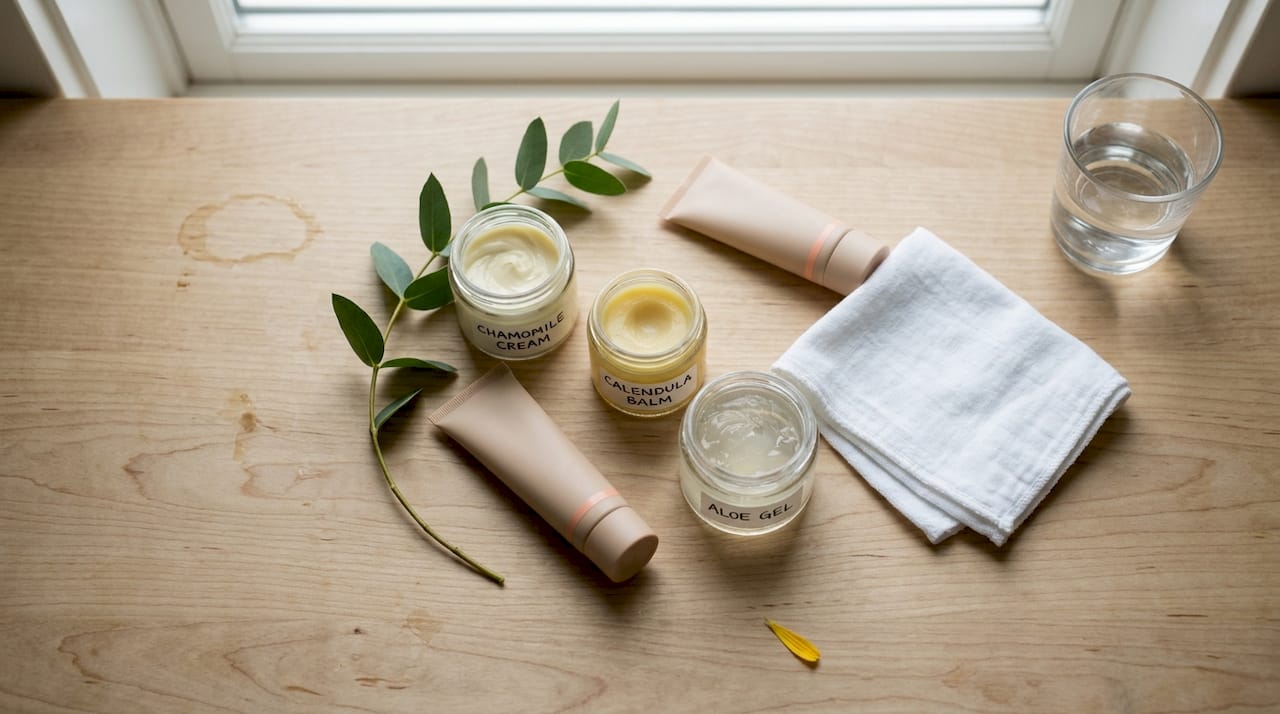
Beyond barrier enhancement, botanical ingredients such as chamomile, calendula, aloe, jojoba soothe and heal sensitive skin through multiple therapeutic mechanisms. Chamomile contains apigenin, a flavonoid that inhibits inflammatory pathways without the side effects of synthetic anti-inflammatories. Calendula accelerates wound healing and reduces eczema flares through its triterpenoid compounds. Aloe provides polysaccharides that create a protective film while delivering vitamins C and E directly to stressed skin cells.
The hypoallergenic nature of properly formulated holistic makeup addresses a critical concern for reactive complexions. Conventional cosmetics often contain preservatives, synthetic dyes, and fragrances that account for the majority of contact allergies. Studies show these allergens cause sensitivity reactions in 53% of women with melasma and related conditions. By eliminating these triggers, holistic formulas allow your skin to focus on healing rather than defending against chemical assault.
Additional benefits extend beyond irritation prevention:
- Anti-aging protection from plant antioxidants that neutralize free radicals before they damage collagen
- Natural sun protection through mineral zinc oxide and titanium dioxide that physically block UV rays
- Improved skin texture as botanical oils regulate sebum production and refine pores
- Enhanced emotional well-being from knowing your beauty routine supports rather than sabotages your skin health
Pro Tip: Apply holistic makeup to slightly damp skin after your serum. The moisture helps plant-based formulas glide smoothly and enhances absorption of beneficial botanicals into your skin barrier.
The cumulative effect of switching to holistic makeup often surprises women with sensitive skin. Within weeks, many notice reduced redness, fewer breakouts, and a natural radiance that doesn’t require heavy coverage. Your skin begins to thrive rather than merely survive your beauty routine, transforming makeup application from a necessary evil into a genuine act of self-care. For more guidance on selecting formulas suited to reactive skin, explore types of clean makeup for sensitive skin to understand how different approaches address specific concerns.
Navigating labels: clean, natural, and holistic makeup explained
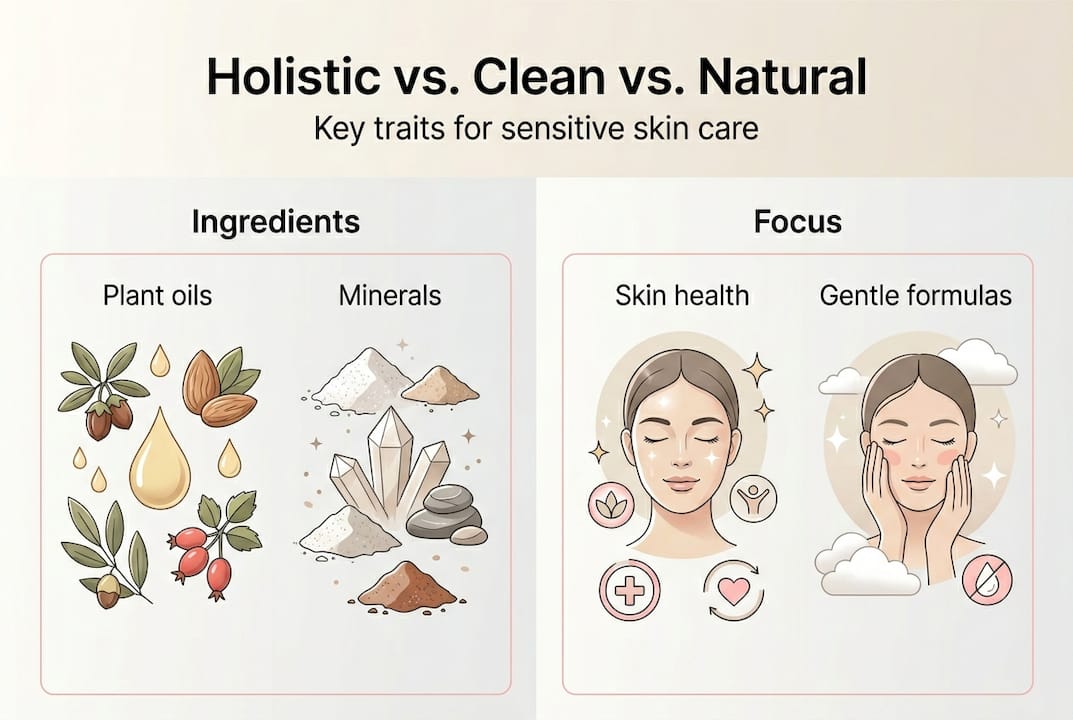
The beauty industry’s terminology can feel like a maze of buzzwords, each promising purity but often meaning different things. Understanding these distinctions helps you make informed choices that truly serve your sensitive skin. Labels like clean and natural lack regulation causing confusion; holistic emphasizes plant-based and wellness rituals while other terms focus primarily on ingredient exclusion lists.
Clean makeup typically refers to products free from ingredients linked to health concerns, but it doesn’t necessarily mean natural or plant-based. A clean foundation might contain lab-created silicones and synthetic polymers that meet safety standards yet offer no therapeutic benefit to your skin. Clean brands focus on what they remove rather than what healing properties they add.
Natural makeup contains ingredients derived from nature, but processing methods vary widely. A product labeled natural might include plant extracts preserved with synthetic chemicals or mineral pigments treated with coating agents. The natural designation tells you about ingredient origin but says nothing about formulation philosophy or skin benefits.
Holistic makeup goes further by integrating skin wellness into every aspect of the product. It combines plant-based ingredients with mindful application practices and a philosophy that views beauty as inseparable from health. When you choose botanical ingredients sensitive skin makeup, you’re selecting formulas designed to heal while they enhance.
| Makeup Type | Ingredient Focus | Philosophy | Best For |
|---|---|---|---|
| Conventional | Performance, longevity | Coverage and color payoff | Non-reactive skin prioritizing wear time |
| Clean | Safety, toxin-free | Avoiding harmful chemicals | Health-conscious consumers |
| Natural | Plant-derived | Ingredient origin | Those preferring nature-based products |
| Holistic | Therapeutic botanicals | Skin health and wellness | Sensitive skin needing healing support |
The absence of official regulations creates space for misleading marketing. A brand might prominently display “natural” on packaging while the formula contains only 10% plant ingredients. Greenwashing tactics include vague claims like “inspired by nature” or “botanical infused” that sound impressive but lack substance.
Protect yourself by looking beyond front-label claims:
- Verify third-party certifications such as EWG Verified, USDA Organic, or Leaping Bunny
- Read ingredient lists completely; beneficial botanicals should appear in the first five ingredients
- Research brand transparency about sourcing, processing methods, and testing practices
- Question products with long shelf lives, as truly natural formulas typically last 6 to 12 months
- Check for specific botanical names rather than generic terms like “plant extracts”
Pro Tip: Start your transition with one product category at a time. Replace your foundation first, give your skin three weeks to adjust, then move to blush or lipstick. This gradual approach helps you identify which formulas work best for your unique skin chemistry.
Understanding these distinctions empowers you to see through marketing hype and select products that genuinely align with holistic principles. The goal isn’t perfection but progress toward a beauty routine that nourishes rather than compromises your skin’s natural defenses.
How to start using holistic makeup: practical tips for sensitive skin
Transitioning to holistic makeup requires a thoughtful approach, especially when your skin reacts easily to new products. Start basics like tinted moisturizers with aloe and jojoba; massage application boosts circulation; check certifications to ensure you’re getting authentic formulas that deliver on their promises.
Begin with the simplest products that touch the largest surface area of your face. A tinted moisturizer or BB cream formulated with soothing botanicals like aloe vera, jojoba oil, and chamomile provides light coverage while treating your skin. These multitasking products reduce the number of layers you apply, minimizing potential irritation while you assess how your skin responds to plant-based formulas.
Follow these steps for a safe, effective transition:
- Conduct patch tests on your inner forearm for 24 to 48 hours before applying any new product to your face
- Replace one conventional product at a time, starting with base makeup, then moving to color cosmetics
- Keep a skin journal noting any changes in texture, redness, or comfort level during the first month
- Learn how to switch to natural makeup naturally through gradual substitution rather than overnight overhaul
- Master mindful application techniques by following a step by step mindful makeup naturally guide that teaches circulation-boosting methods
- Store products properly in cool, dark places and note expiration dates, as natural preservatives have shorter effectiveness windows
Mindful application transforms your makeup routine from a rushed morning task into a therapeutic ritual. Warm cream products between your fingers before application to enhance spreadability and activate botanical oils. Use gentle upward strokes that follow your facial contours, incorporating light massage to stimulate lymphatic drainage. Spend an extra 30 seconds on each product, breathing deeply and setting positive intentions for your day.
Verification strategies protect you from greenwashing:
- Look for EWG Verified marks indicating products meet strict health standards
- Seek USDA Organic certification for truly organic botanical ingredients
- Check for Leaping Bunny or PETA certification if cruelty-free practices matter to you
- Research brand transparency through their website’s ingredient sourcing information
- Read reviews from others with sensitive skin to learn about real-world experiences
Pro Tip: Natural makeup typically has a shorter shelf life due to the absence of synthetic preservatives. Mark opening dates on products and replace cream formulas after six months, powder products after 12 months, to ensure botanical ingredients remain effective and safe.
Expect an adjustment period as your skin recalibrates. Some women experience minor purging during the first two weeks as pores release buildup from conventional products. Others notice immediate improvement in comfort and radiance. Trust the process and give each new product at least three weeks before deciding if it works for your unique skin chemistry.
The investment in holistic makeup pays dividends beyond appearance. You’re choosing products that actively improve your skin barrier, reduce inflammation, and support long-term health. Each application becomes an opportunity to nourish yourself, creating a beauty routine that feels as good as it looks.
Discover holistic makeup with Pure Light Botanical Beauty
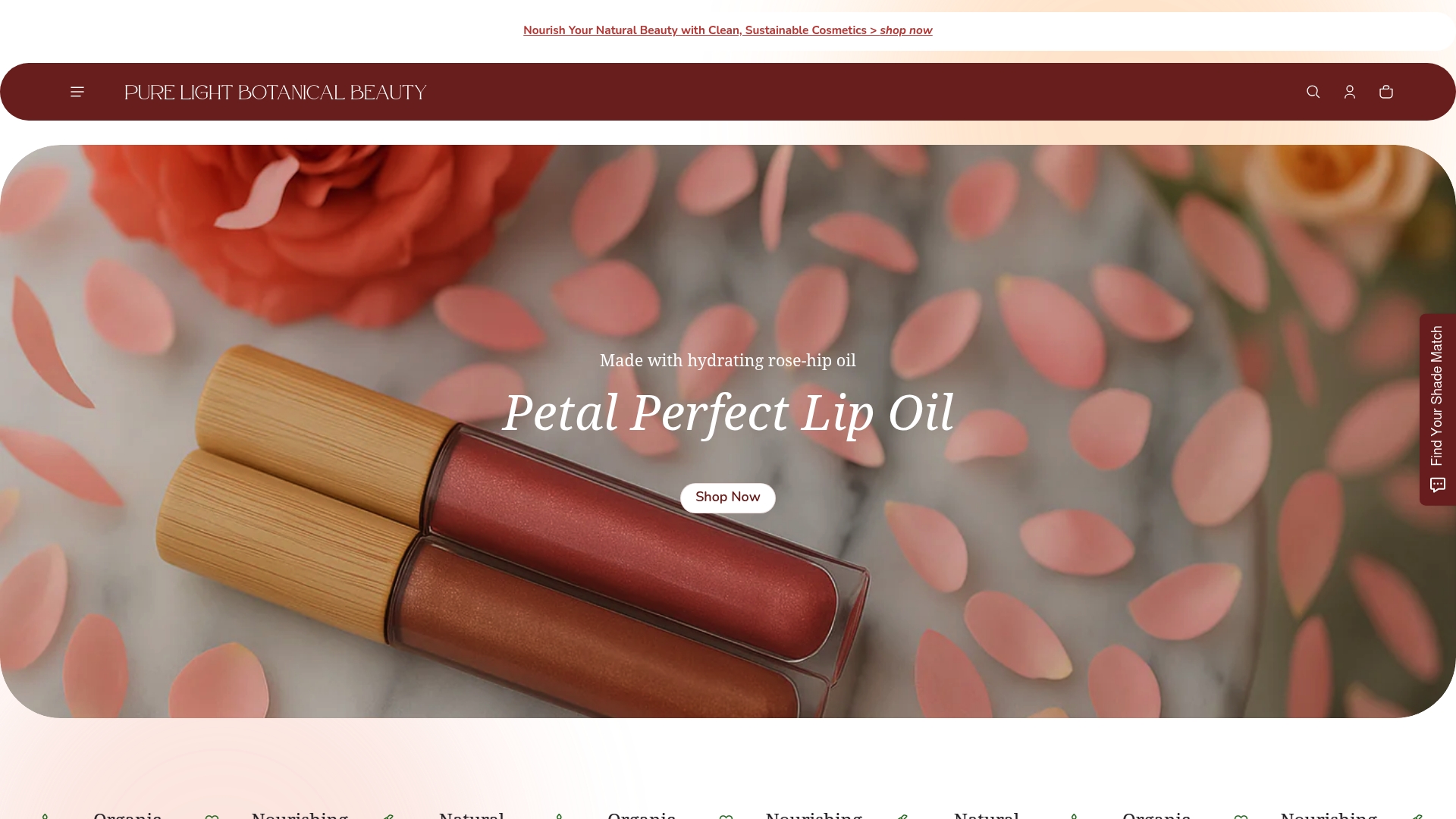
Your journey toward skin-first beauty finds its perfect partner in Pure Light Botanical Beauty, where every product embodies the holistic philosophy you’ve just learned about. Each formula blends therapeutic botanicals with mineral pigments to create makeup that enhances your natural radiance while actively healing sensitive skin. From the Petal Perfect Lip Oil enriched with rosehip and vitamin E to the Botanical Crème Blush featuring calendula and jojoba, you’ll find products designed for women who refuse to choose between beauty and wellness.
Explore comprehensive guides on mindful makeup application that teach you circulation-boosting techniques, or dive deeper into types of clean makeup for sensitive skin to understand which formulas best address your specific concerns. Your skin deserves makeup that nurtures it, and your beauty routine deserves to become a ritual of self-love.
Frequently asked questions
What is holistic makeup?
Holistic makeup combines plant-based ingredients with mindful application techniques to enhance beauty while supporting skin health. Unlike conventional cosmetics that simply provide color coverage, holistic formulas contain therapeutic botanicals like calendula, chamomile, and jojoba that actively nourish and heal your skin during wear. The approach views makeup as part of your overall wellness routine rather than a separate cosmetic concern.
What ingredients typically characterize holistic makeup?
Holistic makeup features organic plant oils such as jojoba, rosehip, and argan that provide essential fatty acids and vitamins. You’ll find mineral pigments derived from earth clays and botanical extracts like calendula, chamomile, aloe vera, and green tea that offer anti-inflammatory and antioxidant benefits. These formulas exclude synthetic fragrances, parabens, phthalates, and other common irritants that trigger sensitivity reactions.
Is holistic makeup safe for allergic or highly sensitive skin?
Holistic makeup is generally safer for sensitive skin because it eliminates the synthetic preservatives, fragrances, and dyes that cause most cosmetic allergies. However, natural ingredients can still trigger reactions in some individuals, so always patch test new products on your inner forearm for 24 to 48 hours before facial application. Choose products with shorter ingredient lists and avoid known personal allergens, even if they’re plant-based.
How long does holistic makeup last compared to conventional products?
Holistic makeup typically has a shorter shelf life of 6 to 12 months due to natural preservatives that are gentler but less powerful than synthetic alternatives. Cream and liquid formulas expire faster than powder products, so mark opening dates and store items in cool, dark places away from humidity. While the shelf life is shorter, you’re avoiding the synthetic preservatives linked to hormone disruption and skin irritation.
Can holistic makeup provide coverage comparable to traditional makeup?
Modern holistic makeup offers impressive coverage through concentrated mineral pigments and plant-based binding agents that adhere well to skin. While extremely heavy, full-coverage formulas are less common in holistic lines, you can achieve medium to buildable coverage that looks natural and allows your skin to breathe. Many women find they need less coverage once holistic makeup improves their underlying skin health through consistent botanical nourishment.
How do I verify if a product is genuinely holistic makeup?
Look for third-party certifications like EWG Verified, USDA Organic, or similar standards that require ingredient transparency and testing. Read the complete ingredient list to ensure therapeutic botanicals appear in the first five ingredients rather than at the end as token additions. Research the brand’s philosophy and sourcing practices through their website, and seek reviews from others with sensitive skin who can speak to real-world performance and gentleness.
Recommended
- What is mindful makeup: a natural guide for sensitive skin – Pure Light Botanical Beauty
- What are Holistic Cosmetics? Understanding Natural Beauty – Pure Light Botanical Beauty
- Complete Guide to Mindful Makeup Application – Pure Light Botanical Beauty
- Natural Makeup: Healing Sensitive Skin Through Beauty – Pure Light Botanical Beauty