

TL;DR:
- Holistic beauty treats skin as a reflection of internal health by emphasizing lifestyle, stress management, and natural products. It focuses on prevention and long-term wellness rather than quick fixes with synthetic actives. Consistent practice over 8 to 12 weeks promotes lasting skin health and radiance from within.
Holistic beauty is defined as an integrated approach to looking and feeling your best by caring for your mind, body, and spirit together, not just your skin’s surface. Unlike conventional skincare, which targets visible symptoms, this philosophy treats your skin as a reflection of your internal health. Stress, sleep, nutrition, and emotional wellbeing all shape how your skin looks and feels. Practices like mindfulness-based routines, plant-based formulas, and intentional self-care rituals are all part of this approach. The result is not just clearer skin. It is a deeper, more sustainable sense of radiance that comes from within.
What is holistic beauty, and how is it defined?
Holistic beauty, also called integrative beauty, is the practice of nurturing your entire self to support skin health and overall wellness. The word “integrative” is the industry-standard term used by estheticians and wellness professionals. It signals that beauty is not a separate category from health. It is part of the same conversation.
The holistic beauty definition centers on one core idea: your skin is a mirror. Hormonal shifts, digestive imbalances, chronic stress, and poor sleep all show up on your face before they show up anywhere else. Addressing only the surface without looking inward produces temporary results at best.
This approach draws from principles of integrative healing, Ayurveda, Traditional Chinese Medicine, and modern dermatology. It does not reject science. It expands it. Purelightbotanicalbeauty was built on exactly this belief: that beauty and healing can come from the same source.
How does holistic beauty differ from conventional skincare?
Conventional skincare focuses on masking symptoms rather than treating the underlying systemic imbalances that cause skin issues. A breakout gets spot-treated. Redness gets concealed. Dryness gets a moisturizer. The cycle repeats because the root cause is never addressed.
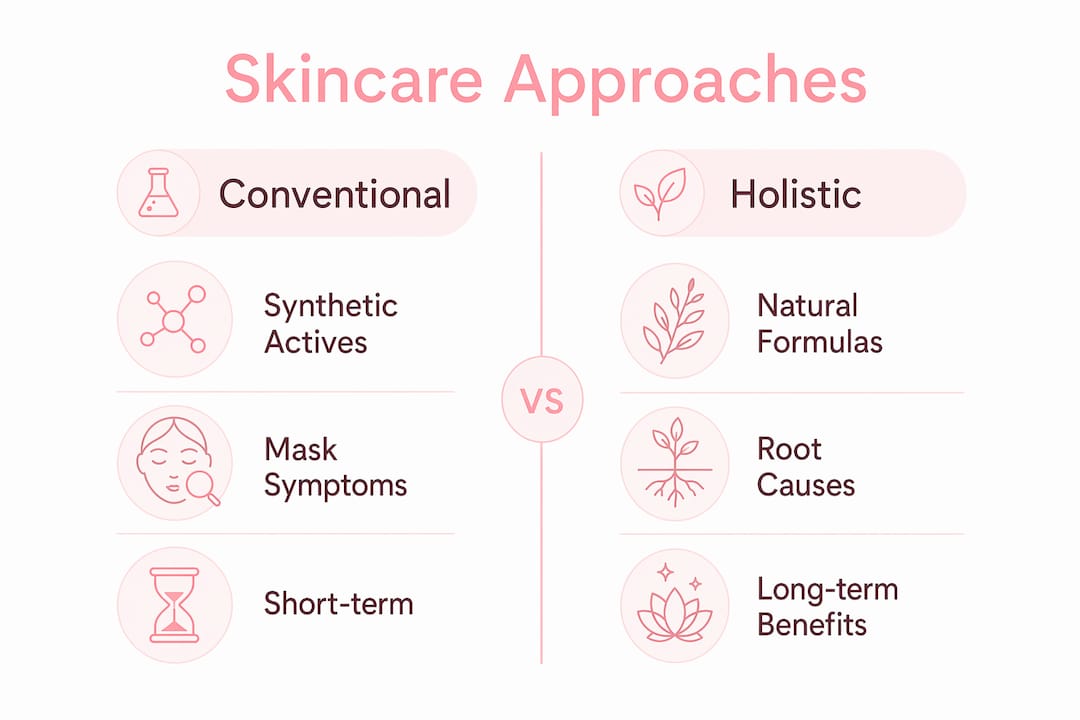
Integrative beauty flips that model entirely. The skin acts as a diagnostic tool, reflecting internal health factors like stress, hormonal balance, and digestion. An esthetician working from this framework asks different questions: How is your sleep? What does your diet look like? Are you under chronic stress?
Here is where the two approaches diverge most clearly:
- Conventional beauty: Targets visible symptoms with corrective products. Prioritizes quick results. Rarely addresses lifestyle factors.
- Integrative beauty: Treats skin as a systemic health indicator. Combines topical care with sleep, nutrition, and stress management. Focuses on prevention over correction.
- Conventional beauty: Uses synthetic actives and preservatives for shelf stability and fast results.
- Integrative beauty: Favors plant-based, clean formulas designed to support the skin’s natural barrier over time.
- Conventional beauty: Measures success by immediate appearance changes.
- Integrative beauty: Measures success by long-term skin health, resilience, and overall wellness.
Holistic esthetic services integrate wellness aspects to build deeper client relationships and long-term benefits beyond appearance alone. That shift from corrective to preventive is the defining difference.
Pro Tip: If your skincare routine is not producing lasting results, look at your lifestyle before adding more products. Sleep deprivation and chronic stress are two of the most common hidden causes of persistent skin issues.
What are the core practices and products used in integrative beauty?
The core of an integrative beauty practice combines what you put on your skin with how you live. Neither works as well without the other.
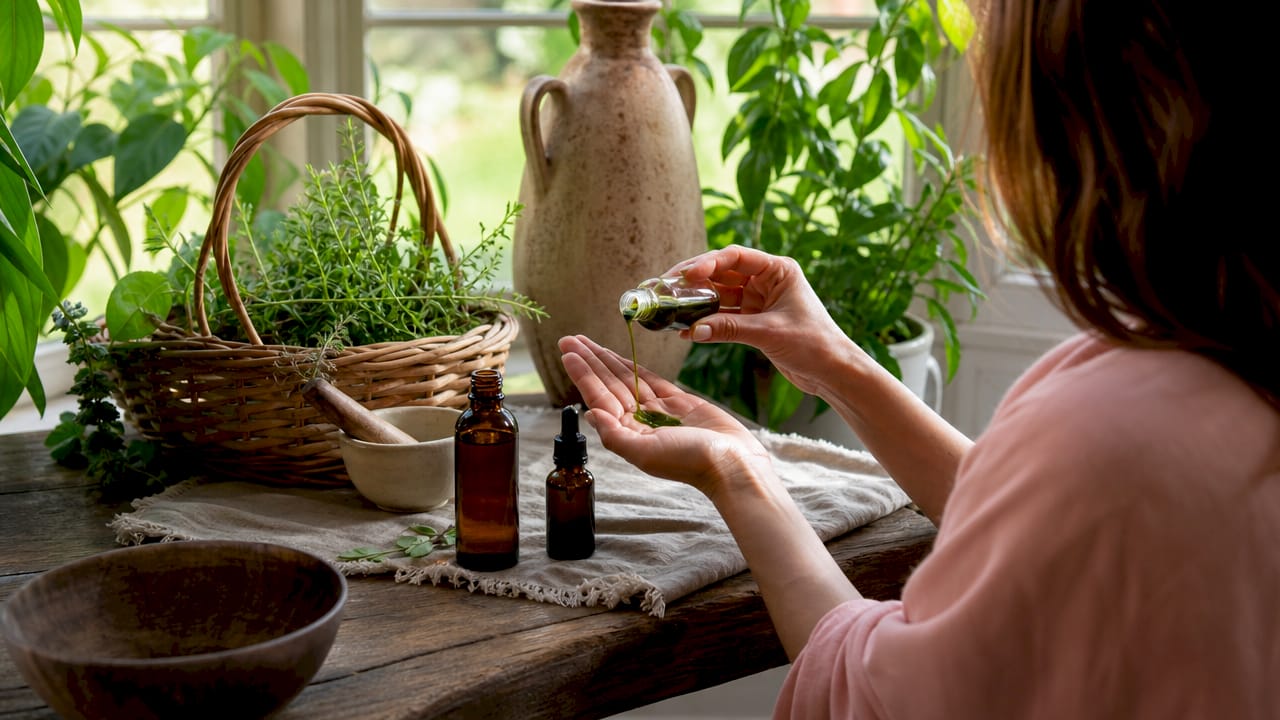
Plant-based skincare and clean formulas
Integrative skincare products rely on natural, plant-derived ingredients like rosehip oil, calendula, chamomile, and green tea extract. These botanicals carry antioxidants, anti-inflammatory compounds, and skin-barrier-supporting fatty acids. Consumers now seek products made with ingredient transparency and certifications like USDA Organic or EWG Verified. That demand reflects a broader shift toward informed, intentional purchasing.
What is holistic makeup within this context? It is makeup formulated with the same clean, plant-based standards as skincare. Products like Purelightbotanicalbeauty’s Petal Perfect Lip Oil, Botanical Crème Blush, and Nourishing Lipstick are designed to enhance your appearance while actively nourishing your skin. Makeup becomes a ritual of care, not just color.
Lifestyle practices that support skin health
The following daily habits are core to any integrative beauty routine:
- Sleep: Skin repairs itself during deep sleep. Consistently getting 7–9 hours reduces cortisol and supports collagen production.
- Stress management: Mindfulness meditation and stress reduction lower skin inflammation markers like transepidermal water loss and redness.
- Nutrition: Antioxidant-rich foods, omega-3 fatty acids, and adequate hydration directly support skin clarity and elasticity.
- Mindful rituals: Beauty routines now serve as daily wellness rituals that support mental and nervous system health, not just aesthetics.
| Category | Conventional beauty | Integrative beauty |
|---|---|---|
| Product focus | Synthetic actives, fast results | Plant-based, long-term nourishment |
| Skin philosophy | Symptom correction | Root-cause prevention |
| Lifestyle integration | Minimal | Central to the approach |
| Success timeline | Days to weeks | 8–12 weeks of consistent practice |
| Certifications sought | None required | USDA Organic, EWG Verified |
Pro Tip: Natural does not automatically mean safe for every skin type. Before adding a new botanical product to your routine, always patch test on your inner arm for 24–48 hours. Potent essential oils and plant extracts can cause sensitization, especially on sensitive or eczema-prone skin.
What scientific evidence supports the benefits of integrative beauty?
The science behind integrative beauty is grounded in the brain-skin connection, specifically the HPA axis. The HPA axis connects the brain and skin through stress hormones like cortisol. When cortisol rises, it triggers inflammation throughout the body, including the skin. That is why a stressful week often shows up as a breakout or flare-up. Managing stress is not a wellness luxury. It is a direct skin intervention.
Research supports the integrative model with measurable outcomes. An integrated skincare approach combining topical products with sleep, nutrition, and stress management improves clear-skin results by 55%–68% and boosts adherence from 45% to 72%. That 27-percentage-point jump in adherence matters because consistency is what produces lasting skin change.
Key findings from estheticians and researchers working in this space:
- Skin clarity improves most significantly when lifestyle changes accompany topical care, not replace it.
- Long-term success with integrative skincare typically requires 8–12 weeks of consistent practice before measurable improvements appear.
- Holistic esthetic consultations require longer sessions because they address hormones, sleep, and nutrition alongside topical recommendations.
- Natural plant-derived ingredients can cause sensitization despite their botanical origin, making ingredient literacy non-negotiable.
“Abandoning the corrective mindset and reading skin as a systemic health indicator transforms client outcomes.” — Bykina Esthetics
The mental health and skin connection is especially relevant for people managing eczema, rosacea, or chronic sensitivity. These conditions respond strongly to stress reduction and nervous system support, not just topical treatment.
How can you start a beauty routine that works from the inside out?
Building an integrative beauty routine does not require overhauling your life overnight. Gradual, consistent changes produce the deepest results. Here is a practical framework to get started:
- Audit your current routine. List every product you use and check ingredients against resources like the EWG Skin Deep database. Remove anything with synthetic fragrance, parabens, or harsh sulfates.
- Prioritize sleep first. Before adding a single new product, commit to 7–9 hours of sleep consistently. Sleep is the most underrated skin treatment available.
- Add one stress management practice. Meditation, breathwork, gentle yoga, or even a 10-minute walk outdoors all lower cortisol. Pick one and practice it daily.
- Shift your nutrition gradually. Add one antioxidant-rich food per day: blueberries, leafy greens, walnuts, or salmon. These support skin from within without requiring a complete diet overhaul.
- Choose clean, plant-based products. Look for USDA Organic or EWG Verified certifications. Start with a simple three-step routine: cleanser, moisturizer, and SPF. Add targeted treatments only after your baseline is stable.
- Create a mindful ritual. Apply your products slowly and intentionally. This is not just about absorption. It is about signaling to your nervous system that this is a moment of care. That signal matters for both your skin and your mental health.
- Track your skin’s responses. Keep a simple journal noting sleep quality, stress levels, diet, and skin condition. Patterns will emerge within a few weeks.
Set realistic expectations. Visible skin improvements from an integrative approach typically appear after 8–12 weeks of consistent practice. That timeline is not a flaw. It reflects genuine, lasting change rather than surface-level suppression.
Pro Tip: If you have sensitive skin, eczema, or a chronic skin condition, consider booking a consultation with a certified holistic esthetician. They can assess your skin, lifestyle, and health history together and build a personalized plan that goes far beyond a standard facial.
For a deeper look at building your practice, the holistic beauty guide for sensitive skin from Purelightbotanicalbeauty walks through each step in detail.
Key takeaways
Integrative beauty produces lasting results because it treats skin as a reflection of overall health, not an isolated surface to be corrected.
| Point | Details |
|---|---|
| Skin reflects internal health | Stress, sleep, and nutrition shape your skin as much as any topical product. |
| Lifestyle is the foundation | Consistent sleep, stress management, and clean nutrition drive the deepest skin changes. |
| Results take time | Expect 8–12 weeks of consistent practice before measurable improvements appear. |
| Clean products matter | Look for USDA Organic or EWG Verified certifications when choosing plant-based formulas. |
| Patch test always | Even natural botanicals can cause sensitization, especially on sensitive or eczema-prone skin. |
Why I believe integrative beauty is the only model worth following
I have watched people spend years cycling through corrective products without ever addressing what was driving their skin issues in the first place. Chronic stress, disrupted sleep, and inflammatory diets were doing more damage than any topical product could undo. The moment they shifted their focus inward, their skin changed in ways that no serum had managed.
What strikes me most is how quickly people dismiss the lifestyle side of skin health. They will spend $80 on a vitamin C serum but resist going to bed an hour earlier. The serum helps. The sleep transforms. That gap in priorities is where most conventional beauty routines fail.
The integrative model asks more of you. It requires patience, self-awareness, and a willingness to see your skin as connected to everything else in your life. That is not a burden. It is actually freeing. When you stop chasing quick fixes and start listening to what your body is telling you, beauty becomes something you build rather than something you buy.
Purelightbotanicalbeauty’s approach resonates with me because it treats makeup and skincare as the same conversation. A product that nourishes while it enhances is not a compromise. It is the standard every beauty brand should be held to.
— Kaitlyn
Purelightbotanicalbeauty: where botanical science meets real skin care
Purelightbotanicalbeauty was built on the belief that beauty and healing come from the same source: nature. Every formula in the line, from the Petal Perfect Lip Oil to the Botanical Crème Blush and Nourishing Lipstick, is crafted with clean, plant-based ingredients designed to support skin health while enhancing your natural appearance.
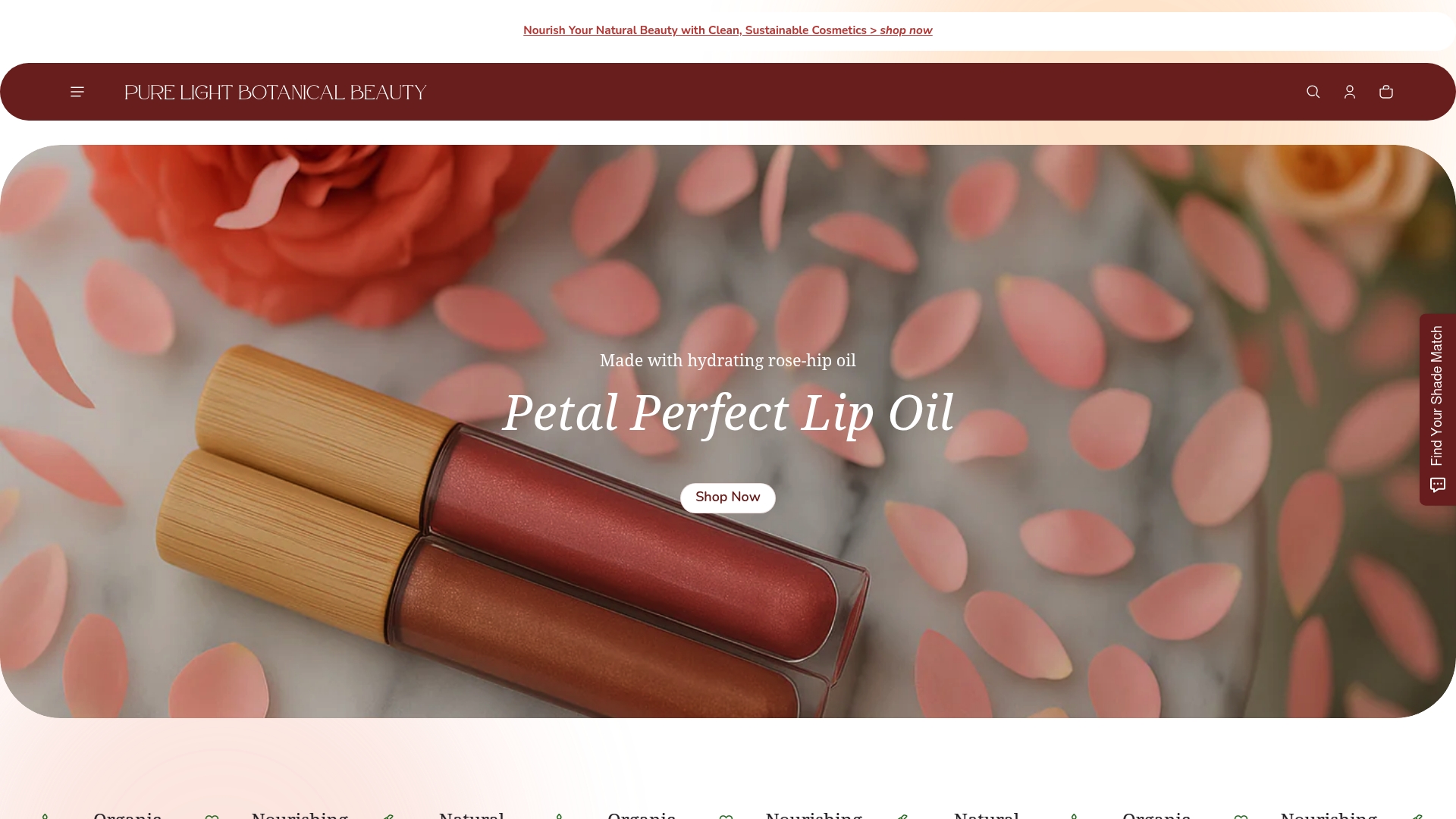
The brand is especially well-suited for people with sensitive skin or eczema who need products that perform without compromising their skin barrier. If you are ready to make your beauty routine a genuine act of self-care, explore the full collection at Purelightbotanicalbeauty. Every product is a small ritual worth keeping.
FAQ
What is holistic beauty in simple terms?
Holistic beauty is the practice of caring for your mind, body, and spirit together to support skin health and overall wellness. It goes beyond topical products to include sleep, nutrition, stress management, and intentional self-care rituals.
What is holistic makeup?
Holistic makeup is cosmetics formulated with clean, plant-based ingredients that enhance your appearance while actively nourishing your skin. Products like Purelightbotanicalbeauty’s Botanical Crème Blush and Nourishing Lipstick are designed to meet this standard.
How long does it take to see results from an integrative beauty routine?
Visible skin improvements from a consistent integrative approach typically appear after 8–12 weeks. Results come from combining topical care with lifestyle changes like improved sleep, stress reduction, and better nutrition.
Are natural beauty products safe for sensitive skin?
Natural plant-derived ingredients can cause sensitization despite their botanical origin. Always patch test new products for 24–48 hours and look for formulas certified by USDA Organic or EWG Verified for added safety assurance.
What is the connection between mental health and skin health?
The HPA axis links stress hormones like cortisol directly to skin inflammation, which means chronic stress actively worsens conditions like acne, eczema, and rosacea. Managing mental health is a direct and measurable skin intervention.
Recommended
- The Role of Holistic Health in Beauty: What Works – Pure Light Botanical Beauty
- What are Holistic Cosmetics? Understanding Natural Beauty – Pure Light Botanical Beauty
- Why Beauty Inside Out: Complete Guide to Holistic Glow – Pure Light Botanical Beauty
- The Essential Guide to the Role of Wellness in Makeup – Pure Light Botanical Beauty