

TL;DR:
- Beauty archetypes are rooted in Jungian psychology and help align personal style with inner energy. They guide authentic self-expression by reflecting emotional patterns through visual choices. Most people embody two or three archetypes, which can be identified through quick self-assessment tools or honest reflection.
A beauty archetype is defined as a symbolic, recurring psychological pattern rooted in Carl Jung’s 12 core personality frameworks, applied to personal style so your outer presentation aligns with your inner energy. Think of it as the invisible thread connecting why you reach for a bold red lip on some days and a bare, dewy look on others. Understanding your beauty archetype turns those instinctive choices into a conscious, consistent identity. Tools like The Beauté Study quiz and Amy Wall’s Beauty Energy Archetypes™ have made this framework accessible to anyone ready to move beyond trend-chasing and into authentic self-expression.
What is a beauty archetype, and where did it come from?
Beauty archetypes trace directly back to Carl Jung, the Swiss psychiatrist who identified 12 universal personality patterns shared across cultures and time. Jung believed these patterns live in the collective unconscious, shaping how people think, feel, and present themselves without realizing it. Beauty professionals and style experts later adapted this framework to explain why certain aesthetics feel deeply right for some people and completely wrong for others.
The 12 Jungian archetypes are organized around four core human drives:
- Stability: The Caregiver, The Ruler, The Creator
- Mastery: The Hero, The Sage, The Magician
- Independence: The Outlaw, The Explorer, The Jester
- Belonging: The Innocent, The Lover, The Everyman
Each drive shapes a distinct emotional energy, and that energy shows up in color choices, texture preferences, and the overall mood of a person’s look. Mythic and cultural archetypes, from the Greek goddess Aphrodite to the cinematic femme fatale, continue to influence contemporary aesthetic ideals. Brands also use Jungian archetypes as a universal language to create emotional resonance, which is why certain beauty brands feel like they were made specifically for you. The evolution from broad personality archetypes to beauty-specific applications is what makes this framework so practical for personal style work today.
Common types of beauty archetypes and what they look like
Popular beauty archetypes include The Bombshell, The Muse, The Rebel, and The Siren, each reflecting a distinct emotional energy and aesthetic signature. Most people shift between two or three archetypes depending on mood or life season, which means your archetype is not a cage. It is a starting point.
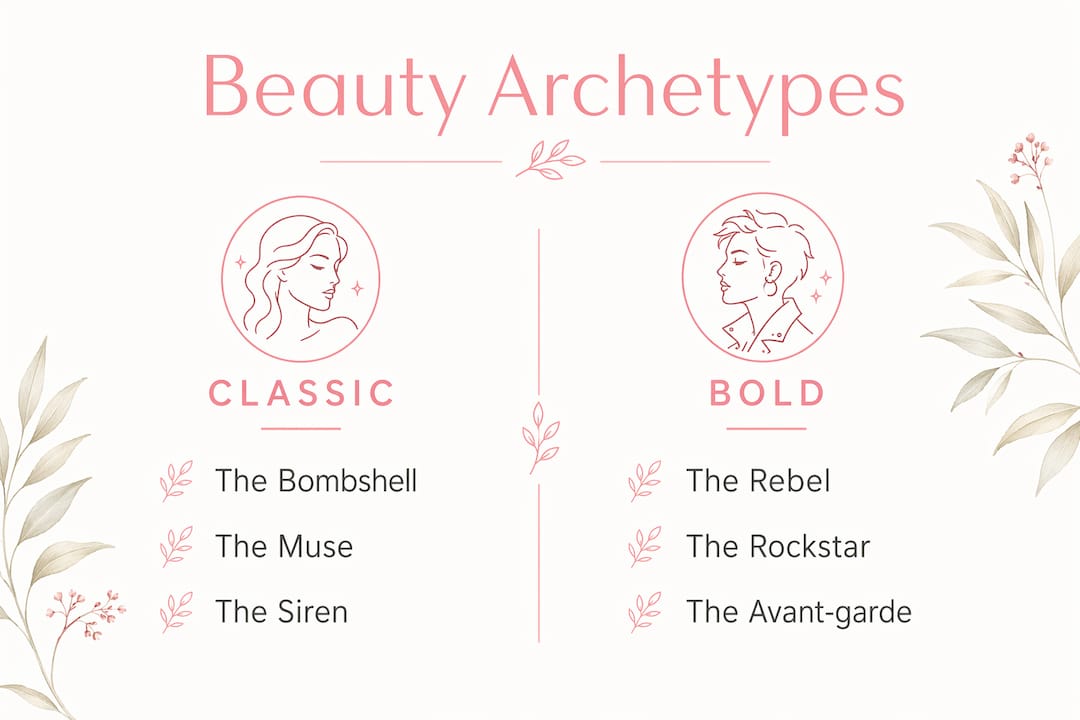
| Archetype | Core energy | Aesthetic signature |
|---|---|---|
| The Bombshell | Confidence, magnetism | Bold lips, sculpted contour, glamorous volume |
| The Muse | Effortless cool, creativity | Soft textures, artistic details, understated color |
| The Rebel | Daring authenticity | Graphic liner, unconventional color, edge |
| The Siren | Mystery, allure | Smoky eyes, deep tones, sensual silhouettes |
| The Caregiver | Warmth, nurturing | Soft blush, natural skin, gentle glow |
| The Ruler | Authority, polish | Structured looks, neutral palettes, precision |
| The Innocent | Purity, optimism | Soft pinks, luminous skin, minimal makeup |
The Bombshell channels the energy of classic Hollywood, think Marilyn Monroe’s signature red lip and luminous skin. The Rebel draws from icons like Patti Smith, favoring raw authenticity over perfection. The Siren leans into mystery, often choosing deep jewel tones and smoky definition. The Caregiver gravitates toward warmth and softness, preferring looks that feel approachable and gentle.
Here is what makes this framework genuinely useful: archetypes are not about copying a celebrity. They are about recognizing which emotional energy resonates with you and then expressing it through your own features and preferences.
- The Muse often blends artistic and effortless elements, pairing a barely-there base with one unexpected detail.
- The Ruler favors clean lines and structured palettes that communicate quiet authority.
- The Innocent reaches for luminous, fresh-faced looks that feel light and optimistic.
Pro Tip: If you feel pulled toward two archetypes, you are not confused. You are layered. Anchor in one primary archetype for your everyday look and let the secondary one show up for special occasions or mood shifts.
How to find your beauty archetype and start using it
The most direct path to finding your archetype is a brief self-assessment quiz, like the one offered by The Beauté Study, which takes about three minutes and delivers personalized color palettes, skincare guidance, and style direction. These tools are designed to shift you from reactive beauty habits, buying whatever is trending, to conscious choices that actually feel like you.
Beyond quizzes, self-discovery works through honest reflection. Ask yourself which looks make you feel most alive, not most liked. Notice which aesthetics you return to even when trends push you elsewhere.
- Audit your instincts. Pull together images you have saved, outfits you love, and makeup looks you keep recreating. Patterns will emerge without much effort.
- Identify your emotional pull. Do you feel most yourself in bold, dramatic looks or soft, natural ones? The feeling matters more than the specific product.
- Match colors to your archetype. Clients disconnected from their archetype often struggle with makeup choices. Matching color palettes to your archetype creates a signature look that aligns with your temperament and reduces the frustration of constant trial and error.
- Apply it to your skincare ritual. A Caregiver archetype might gravitate toward nourishing, plant-based formulas. A Rebel might prefer minimal, no-fuss skincare that lets skin breathe naturally.
- Blend intentionally. Anchoring in a primary archetype and selectively integrating secondary elements creates a unique style identity. Forcing a single archetype that does not feel right will undermine your confidence rather than build it.
The goal is not a perfect fit. The goal is a starting point that makes getting dressed and doing your makeup feel less like a guessing game and more like a genuine act of self-expression. Purelightbotanicalbeauty’s guide on makeup for empowerment offers practical techniques that pair beautifully with this kind of archetype-aligned approach.
Pro Tip: Avoid forcing an archetype because it looks good on someone you admire. If the energy does not resonate when you wear it, it is not your archetype. Authentic expression always feels like relief, not effort.
What do beauty archetypes mean beyond the surface?
Beauty archetypes function as an energetic compass, guiding individuals toward authentic beauty that connects to deep ancestral and mythic symbolism rather than surface-level trends. Amy Wall, creator of Beauty Energy Archetypes™, describes this framework as a soul-led, frequency-based lens that replaces traditional skin typing with something far more personal and dynamic.
“True transformation arises when beauty is used as an embodiment practice rather than correction.” — Amy Wall, The Skintessa
This shift matters because most conventional beauty advice starts from a place of fixing. Archetypes start from a place of recognizing. When you see your skin and your aesthetic choices as dynamic expressions growing with awareness, the entire relationship with beauty changes. You stop chasing the right product and start building the right ritual.
Moving from what Amy Wall calls “unconscious beauty,” which reacts to perceived flaws, to intentional, archetype-aligned practice enhances both radiance and confidence. The concept of energetic beauty explores exactly this shift, treating beauty as a frequency you inhabit rather than a standard you meet. Archetypes give that frequency a name, a color palette, and a ritual to anchor it in daily life.
Key Takeaways
Beauty archetypes are the most direct tool for aligning your outer presentation with your inner psychological and emotional identity, replacing guesswork with genuine self-knowledge.
| Point | Details |
|---|---|
| Jungian foundation | Beauty archetypes originate from Carl Jung’s 12 personality frameworks, organized around stability, mastery, independence, and belonging. |
| Fluidity is the rule | Most people embody two or three archetypes by mood or life season, so rigid labels limit rather than guide. |
| Discovery starts with a quiz | A three-minute self-assessment like The Beauté Study quiz shifts beauty choices from reactive to intentional. |
| Color and style alignment | Matching your palette and makeup style to your archetype creates a consistent signature look that reduces frustration. |
| Archetypes go deeper than aesthetics | Amy Wall’s Beauty Energy Archetypes™ frame beauty as an energetic practice, not a correction of flaws. |
Why I think archetypes changed how I see beauty entirely
The first time I encountered beauty archetypes, I expected a personality quiz with a cute label at the end. What I got was something that actually explained years of conflicting style choices. I had always loved soft, botanical textures and warm blush tones but kept buying bold products because they looked striking on others. The archetype framework made it clear: I was a Caregiver blending with a Muse, and the bold looks I kept buying belonged to a Bombshell or Ruler energy I simply do not carry.
The most common challenge I see is people forcing an archetype because it looks aspirational rather than authentic. A Rebel aesthetic is genuinely cool, but if your natural energy is soft and nurturing, wearing it feels like a costume. The relief comes when you stop performing someone else’s archetype and start embracing authentic beauty as your own.
What I find most powerful about this framework is that it gives permission to be fluid. You do not have to be The Innocent forever. You can wear Siren energy on a Friday night and return to Caregiver softness on Sunday morning. Archetypes are a wardrobe of identities, not a uniform. The goal is always the same: to feel like yourself, only more so.
— Kaitlyn
Natural beauty products that support your archetype
Knowing your archetype is only half the work. The products you choose to express it matter just as much.
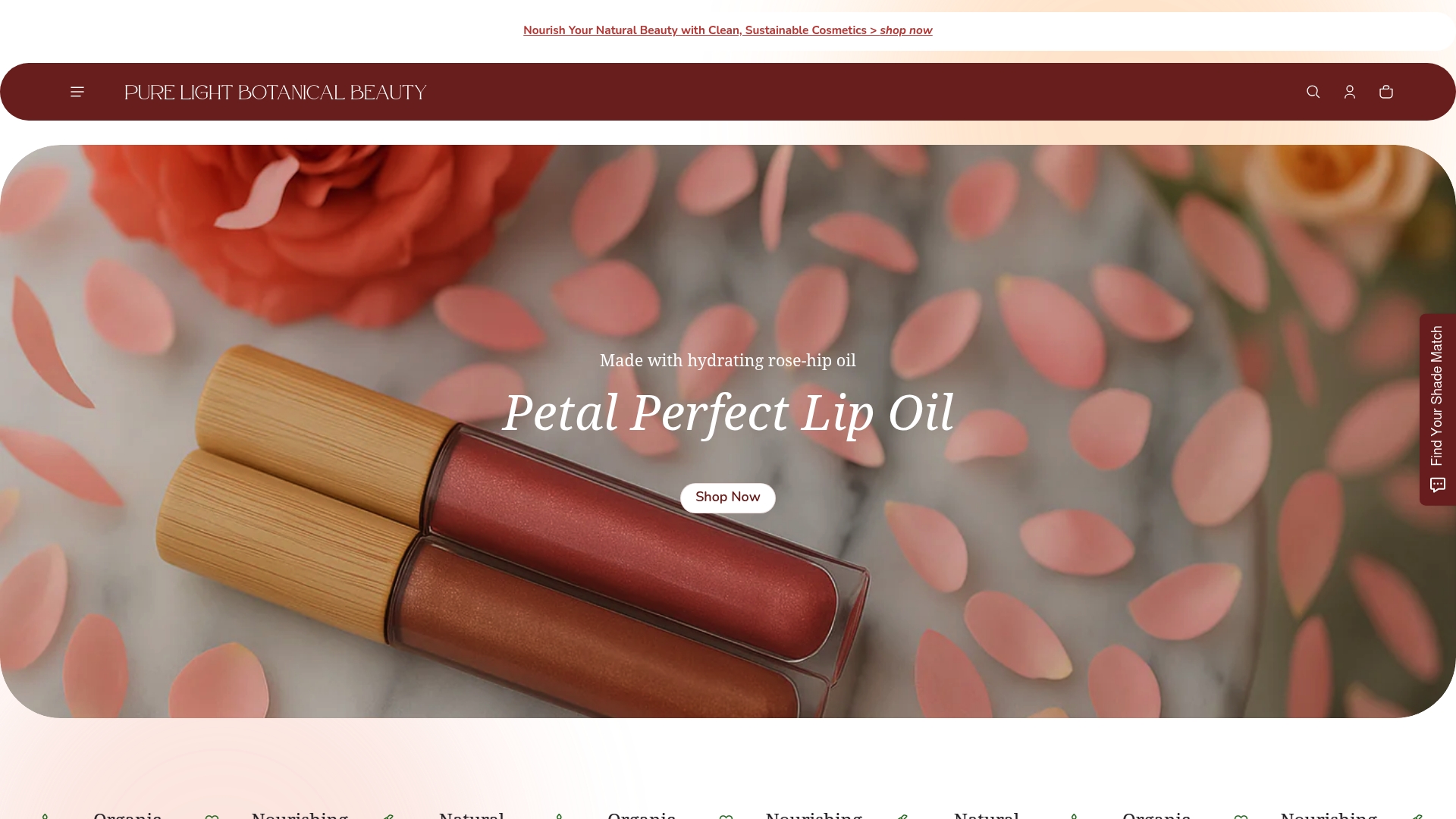
Purelightbotanicalbeauty creates clean, plant-based formulas designed to support authentic, archetype-aligned beauty rituals. The Botanical Crème Blush suits Caregiver and Innocent archetypes beautifully, delivering a soft, natural flush that feels like skin. The Petal Perfect Lip Oil brings Muse and Siren energy to life with a luminous, nourishing finish. Every formula is crafted to nurture skin from within, making them especially suited for sensitive skin. Explore the full collection at Purelightbotanicalbeauty and find the products that feel most like you.
FAQ
What is a beauty archetype in simple terms?
A beauty archetype is a symbolic pattern rooted in Jungian psychology that describes how your inner emotional energy shows up in your personal style, makeup, and aesthetic choices.
How many beauty archetypes are there?
The framework typically draws from Carl Jung’s 12 core personality archetypes, though beauty-specific applications often focus on a curated set of seven to twelve types, including The Bombshell, The Rebel, The Caregiver, and The Siren.
Can I have more than one beauty archetype?
Most people shift between two or three archetypes depending on mood or life season. The recommended approach is to anchor in one primary archetype and blend secondary elements for depth and authenticity.
How do I find my beauty archetype?
The fastest method is a brief self-assessment quiz, such as the one offered by The Beauté Study, which delivers personalized color palettes and style guidance in about three minutes.
Why do beauty archetypes matter for self-expression?
Archetypes shift beauty from a reactive habit, buying whatever is trending, to an intentional practice aligned with your psychological and emotional identity, which builds consistent confidence and a recognizable personal style.
Recommended
- Self-Expression in Beauty: Pathway to Healing and Confidence – Pure Light Botanical Beauty
- The Role of Self-Awareness in Beauty and Confidence – Pure Light Botanical Beauty
- Self-Development in Beauty: Build Your Best Self – Pure Light Botanical Beauty
- What Is Confidence in Beauty? Complete Guide – Pure Light Botanical Beauty