

TL;DR:
- Self-development in beauty involves intentionally aligning beauty routines with personal growth and holistic wellbeing. It emphasizes forming lasting habits rooted in identity, supporting confidence beyond superficial results. Incorporating small, consistent actions within a framework of self-awareness leads to sustainable transformation over time.
Self-development in beauty is the intentional practice of aligning your beauty rituals with personal growth, identity, and holistic wellbeing. It goes well beyond picking the right moisturizer or learning a new makeup technique. This approach, sometimes called beauty personal growth in wellness circles, draws on behavioral science, habit formation, and self-discovery in aesthetics to create lasting transformation. Frameworks like James Clear’s identity-based habits, Dr. Wendy Wood’s habit research, and 90-day habit formation timelines all confirm the same truth: when beauty rituals reflect who you are becoming, they stick. The result is not just better skin or a more polished look. It is a more confident, grounded version of you.
What is self-development in beauty, really?
Self-development in beauty is defined as the process of using intentional beauty rituals to support identity growth, psychological wellbeing, and sustainable self-care practices. The key word is intentional. Most people approach beauty reactively, reaching for a product when something feels wrong. Beauty self-development flips that pattern. You build routines that reflect your values and the person you want to become.
This differs from basic self-improvement in beauty, which typically focuses on fixing a specific concern, clearing acne, reducing dark circles, or improving skin texture. Self-development is broader. It asks: Who am I when I take care of myself this way? That question changes everything about how you show up for your routine.
The importance of beauty development becomes clear when you consider the research. Lasting beauty transformations occur when habits align with an individual’s evolving identity rather than simply trying to meet external goals. That shift from “I want better skin” to “I am someone who honors my skin’s health” is not just motivational language. It is a proven psychological mechanism that reduces self-criticism and increases consistent behavior.
Holistic wellness is the third pillar. Beauty self-development integrates mental, social, and lifestyle dimensions beyond just physical appearance. Sleep, hydration, stress management, and emotional check-ins all feed into how your skin looks and how you feel in it.
How does identity-based habit formation shape beauty routines?
Identity-based behavior modification is the psychological foundation of sustainable beauty self-development. Dr. Wendy Wood’s research on habit formation shows that roughly 43% of daily behaviors are habitual, meaning they run on autopilot. The goal is to get your beauty rituals into that automatic zone, and identity is the fastest route there.
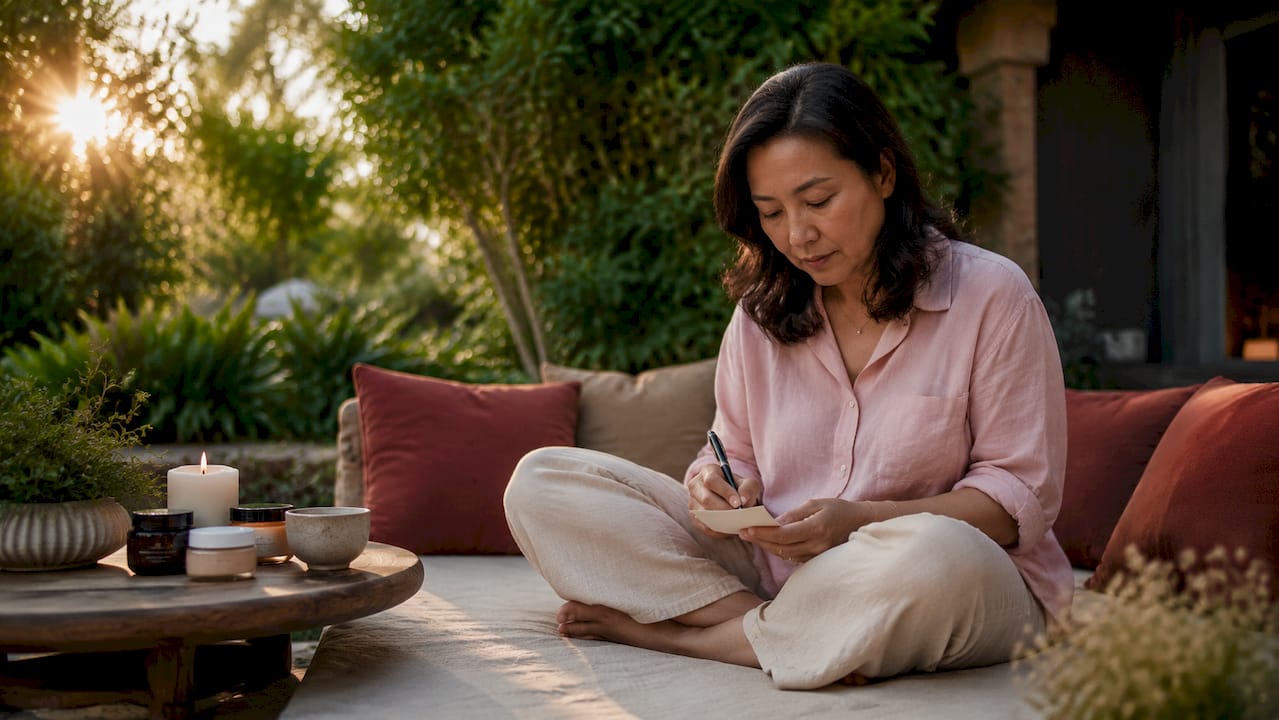
The shift works like this. Outcome-based thinking says, “I want clearer skin.” Identity-based thinking says, “I am someone who treats her skin with care.” Identity congruence reduces self-criticism and increases consistent behavior because you are no longer chasing a result. You are expressing who you already are.
Two practical tools make this work in real life:
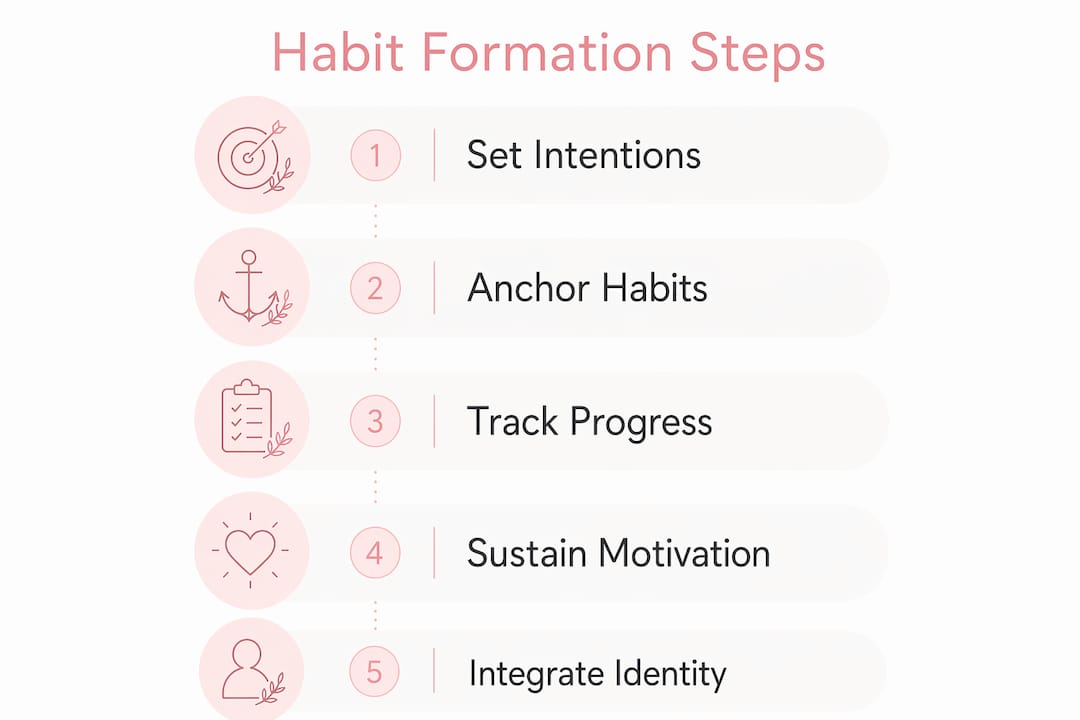
- Habit stacking: Attach a new beauty step to an existing behavior. Apply your Purelightbotanicalbeauty Botanical Crème Blush right after brushing your teeth in the morning. The existing cue triggers the new behavior automatically.
- Habit anchoring: Link your ritual to a specific time, place, or emotional state. “After my morning coffee, I do my full skincare routine” is far more durable than “I’ll do it when I have time.”
- Minimum viable routines: On low-energy days, a two-step routine still counts. Showing up in any form reinforces the identity, not just the outcome.
- Tracking: A simple habit tracker, whether in a journal or an app like Streaks, makes progress visible and keeps motivation alive past the first two weeks.
Motivation spikes typically fade after initial weeks, making structured habit anchoring and tracking essential for persistent progress. This is why so many people start a new skincare routine in January and abandon it by February. The excitement fades, but the identity anchor holds.
Pro Tip: Write one sentence about who you are becoming through your beauty routine and post it where you get ready. “I am someone who nourishes her skin every morning” is more powerful than any product promise.
What role do holistic self-care practices play in beauty growth?
Holistic self-care, as defined by Harvard Health, is the practice of actively protecting your physical, mental, and emotional wellbeing through consistent daily actions. It is not a luxury. Six out of ten adults live with at least one chronic condition, making integration of beauty rituals with broader health habits a practical necessity, not an indulgence. When your body is under chronic stress, your skin reflects it. Inflammation, dullness, and sensitivity all worsen without foundational wellness habits in place.
Beauty self-development works best when it sits inside a larger self-care framework. Here is how to build that structure:
- Prioritize sleep. Skin repairs itself during deep sleep. Seven to nine hours is not a beauty tip. It is the baseline for any beauty transformation to take hold.
- Hydrate consistently. Drinking enough water supports skin elasticity and reduces the appearance of fine lines. No topical product compensates for chronic dehydration.
- Manage stress actively. Cortisol breaks down collagen and triggers breakouts. Practices like breathwork, journaling, or even a five-minute mindful application of your skincare routine lower cortisol measurably.
- Add brief emotional check-ins. Noticing how you feel before your beauty routine connects the physical ritual to your emotional state, deepening the self-discovery in aesthetics that makes the practice meaningful.
“Self-care routines that include brief mindfulness, hydration, sleep, and emotional check-ins are most sustainable and impactful. Small, repeatable daily actions that protect physical and mental wellbeing become automatic in 6–8 weeks.”
Purelightbotanicalbeauty’s approach reflects this philosophy directly. Products like the Petal Perfect Lip Oil and Nourishing Lipstick are formulated with plant-based ingredients that support skin health from the outside in, making the act of applying them a genuine wellness ritual rather than a cosmetic step. You can read more about how holistic health meets beauty in practice.
How do small daily improvements compound into beauty transformation?
The marginal gains principle is one of the most underused ideas in beauty self-development. Improving by just 1% per day in areas like skincare and wellness compounds to a 37x improvement over a year. That number sounds abstract until you map it to a real timeline.
Here is what the research shows about how beauty transformation actually unfolds:
| Stage | Timeline | What Changes |
|---|---|---|
| Early adaptation | Weeks 1–2 | Skin adjusts to new products; routine feels effortful |
| Visible improvement | Weeks 2–4 | Texture, hydration, and tone begin to shift |
| Habit solidification | Weeks 6–8 | Routine starts to feel automatic |
| Identity integration | Months 3–6 | Self-concept shifts; beauty care feels like self-expression |
| Compounded transformation | Month 6 onward | Confidence, consistency, and skin health reinforce each other |
Visible physical changes in beauty routines typically appear in 2–4 weeks, while full identity-level habit integration requires 90–180 days of consistent practice. This timeline matters because most people quit before they reach the visible change window. They expect transformation in days and abandon the routine in week three.
The fix is to build systems, not sprints. A sustainable system means your routine works on your best day and your worst day. It scales up when you have time and scales down when you do not. That adaptability is what separates a beauty transformation that lasts from one that fades with the next life disruption.
What challenges come up in beauty self-development?
The most common reason beauty self-development fails is not lack of motivation. It is overload. Attempting multiple changes simultaneously overwhelms your cognitive bandwidth and collapses the entire effort. Research confirms that success requires tiered routines and habit anchoring to existing cues, not willpower alone.
Here are the specific pitfalls to watch for:
- The overhaul trap: Replacing your entire routine overnight feels exciting but rarely sticks. Add one new step at a time and let it solidify before adding another.
- External validation dependency: Chasing compliments or social media feedback as your primary motivation creates a fragile system. Excessive focus on external beauty ideals can lead to self-rejection rather than positive self-esteem. The goal is to feel good in your skin, not to perform beauty for others.
- All-or-nothing thinking: Missing one day does not break a habit. Skipping your routine twice in a row is where habits erode. One miss is human. Two misses is a pattern to interrupt.
- Ignoring the minimum: A tiered routine, full, medium, and minimum, keeps you in the game on hard days. Your minimum might be cleansing and applying one nourishing product. That still counts.
Pro Tip: Build a “minimum viable routine” of just two steps that you can complete in under two minutes. On your hardest days, that routine is your anchor. It keeps the identity intact even when life gets loud.
Mindset is the final piece. Shifting from “I need to fix myself” to “I am choosing to honor myself” changes the emotional tone of every beauty ritual. That shift, from self-criticism to identity affirmation, is where beauty personal growth becomes genuinely transformative. Explore how beauty habits support mental health for a deeper look at this connection.
Key takeaways
Self-development in beauty works because it anchors beauty rituals to identity, not outcomes, creating habits that compound into lasting transformation over 90–180 days.
| Point | Details |
|---|---|
| Identity over outcomes | Reframe beauty care as self-expression, not self-correction, to build lasting habits. |
| Holistic integration | Sleep, hydration, and stress management amplify every beauty ritual you practice. |
| Compounding timelines | Visible changes arrive in 2–4 weeks; identity-level transformation takes 90–180 days. |
| Tiered routines | A full, medium, and minimum routine keeps you consistent through any life disruption. |
| Avoid overload | Add one new beauty habit at a time and anchor it to an existing daily cue. |
Beauty rituals are not vanity. they are practice.
I used to think that spending time on a skincare routine was self-indulgent. That belief kept me inconsistent for years. I would commit for two weeks, see some improvement, then let the routine dissolve the moment life got busy. What changed for me was not finding a better product. It was changing the question I asked myself each morning.
The old question was, “Does my skin look better?” The new question is, “Am I someone who shows up for herself?” That reframe sounds small. The effect is not small at all.
What I have noticed, both personally and in conversations with women who take their self-care practices seriously, is that the outer transformation follows the inner one. When you stop treating your beauty routine as a problem-solving exercise and start treating it as a daily act of self-respect, the consistency comes naturally. You do not have to force it.
The hardest part is giving yourself permission to take it seriously without tying the value to results. Some mornings your skin will look exactly the same as yesterday. The ritual still mattered. You still showed up. That is the practice. And over months, the compounding effect of that practice becomes undeniable, in your skin, your confidence, and the quiet way you carry yourself.
Define your own version of your best self in beauty. Not the version from a magazine or a filter. Yours. Then build rituals that honor her every single day.
— Kaitlyn
Start your beauty self-development journey with Purelightbotanicalbeauty
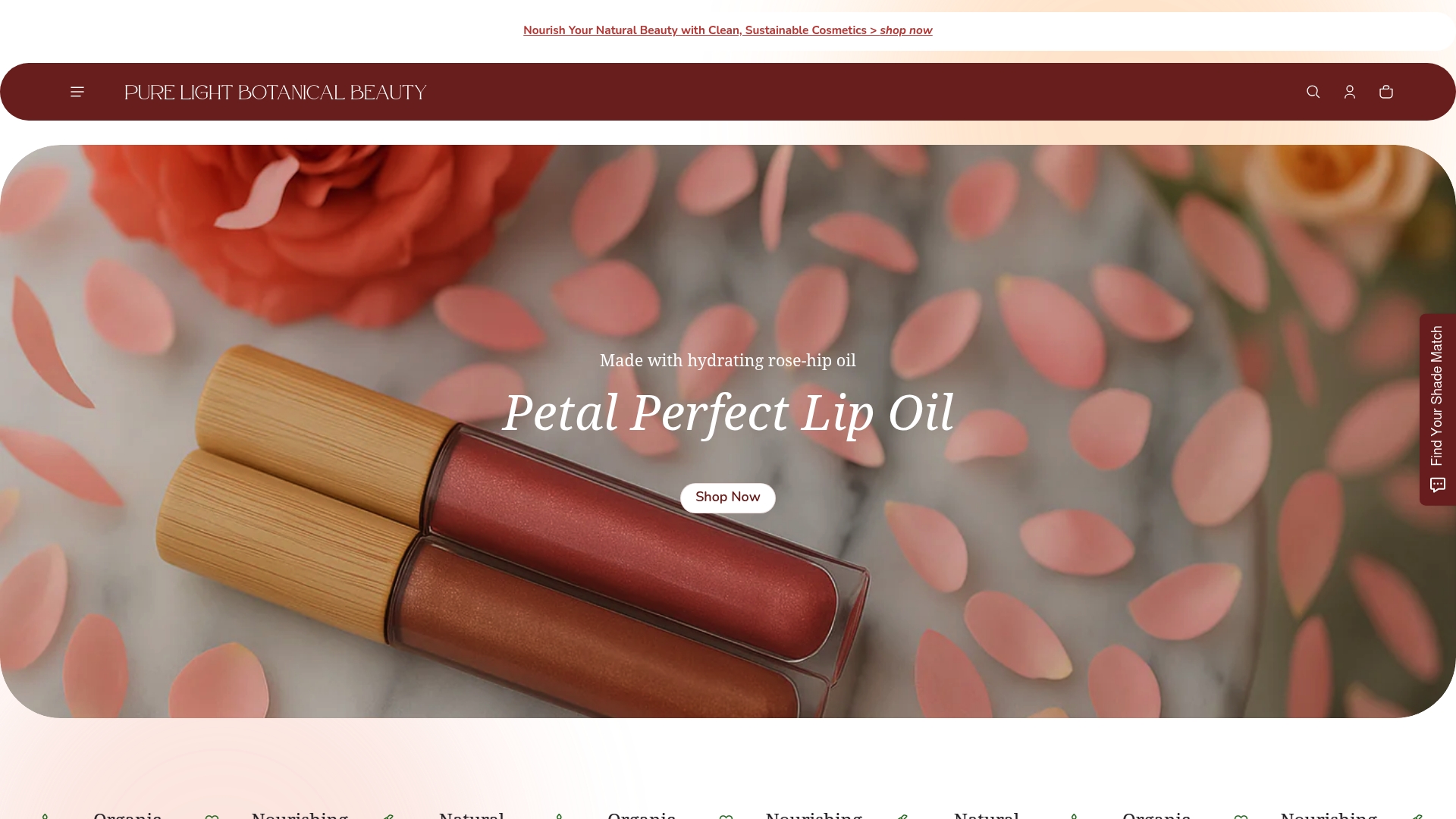
Purelightbotanicalbeauty was built on the belief that beauty and healing come from the same place: nature. Every product in the line, from the Petal Perfect Lip Oil to the Botanical Crème Blush and Nourishing Lipstick, is formulated with clean, plant-based ingredients that support skin health while you wear them. These are not products you apply and forget. They are rituals you return to, anchors in a self-development practice that honors your skin and your sense of self. If you are ready to build beauty habits that feel as good as they look, explore the full collection and find the rituals that belong in your routine.
FAQ
What is self-development in beauty?
Self-development in beauty is the intentional practice of aligning beauty rituals with personal identity, habit formation, and holistic wellbeing. It goes beyond appearance to support psychological growth and self-esteem.
How long does it take to see results from beauty self-development?
Visible physical changes typically appear in 2–4 weeks, while full identity-level habit integration requires 90–180 days of consistent practice.
Why do beauty routines fail to stick?
Most beauty routines fail because people attempt too many changes at once without anchoring new habits to existing cues. A tiered routine and identity-based motivation significantly improve consistency.
How does self-care connect to beauty transformation?
Holistic self-care practices like sleep, hydration, and stress management directly affect skin health and amplify the results of any beauty routine. They are not separate from beauty development. They are the foundation of it.
Is focusing on beauty self-development psychologically healthy?
Yes, when the focus is on identity affirmation rather than external validation. Excessive focus on external beauty ideals can lead to self-rejection, so grounding your practice in self-respect rather than comparison protects your wellbeing.
Recommended
- Self-love in beauty: Build confidence with natural rituals – Pure Light Botanical Beauty
- The Role of Self-Awareness in Beauty and Confidence – Pure Light Botanical Beauty
- What Is Self-Worth in Beauty and Why It Matters – Pure Light Botanical Beauty
- Self-Expression in Beauty: Pathway to Healing and Confidence – Pure Light Botanical Beauty