

TL;DR:
- Holistic health influences skin quality by supporting internal systems such as gut health, hormones, and sleep. Addressing these systemic factors can lead to visible skin improvements within 2 to 4 weeks, emphasizing slow, consistent practices. Effective beauty practices combine internal wellness strategies with microbiome-supportive skincare for lasting results.
Your skin is not just a surface. It is a visible report card of everything happening inside your body. The role of holistic health in beauty goes far beyond swapping harsh cleansers for gentle ones. It touches your gut microbiome, your stress hormones, your sleep cycles, and even how often you feel genuine joy. Research increasingly confirms that beauty reflects internal health, meaning chronic stress, gut dysfunction, and silent inflammation are just as responsible for dull skin and premature aging as any product you put on your face. This article unpacks the science, the practical strategies, and the mindset shifts that turn beauty into a whole-body practice.
Table of Contents
- Key takeaways
- The role of holistic health in beauty
- The gut-skin axis: where beauty begins
- Hormones, aging, and systemic skin health
- Practical holistic practices for natural beauty
- My honest take on holistic beauty
- How Purelightbotanicalbeauty supports your holistic approach
- FAQ
Key takeaways
| Point | Details |
|---|---|
| Internal health drives skin quality | Your gut, hormones, and stress levels shape your skin more than most topical products can fix. |
| Gut-skin axis is real science | Gut microbiome imbalances directly trigger acne, inflammation, and accelerated skin aging. |
| Hormones accelerate visible aging | Estrogen decline during menopause can cut skin collagen by up to 30% in just five years. |
| Holistic routines require patience | Systemic skin improvements take 2 to 4 weeks to appear, not overnight. |
| Clean products complete the picture | Microbiome-supportive, plant-based products reinforce internal wellness work at the skin surface. |
The role of holistic health in beauty
Most people think about beauty in layers. You apply a product, you see a result, or you don’t. But that model misses the bigger picture entirely. The role of holistic health in beauty is rooted in a simple truth: your skin is a living organ, and like every other organ, it responds to how well your whole body is functioning.
Holistic health integrates physical, mental, emotional, and social well-being rather than treating symptoms in isolation. When you apply this framework to beauty, you stop asking “which serum will fix my skin?” and start asking “what is my skin trying to tell me about my body?” That shift in perspective changes everything.
The core pillars of holistic health that directly shape your appearance include:
- Nutrition: What you eat feeds your skin cells from the inside. Deficiencies in zinc, omega-3 fatty acids, and antioxidants show up as dullness, inflammation, and slow healing.
- Stress management: Elevated cortisol breaks down collagen, triggers excess oil production, and impairs skin barrier function.
- Sleep quality: Skin repairs itself primarily during deep sleep. Poor sleep visibly accelerates aging and increases inflammation markers.
- Gut health: The microbial community in your digestive tract regulates immune responses that directly affect your skin.
- Mental and emotional wellness: Holistic care builds emotional resilience, and emotional resilience reduces the chronic stress that ages skin prematurely.
- Social connection: Loneliness and isolation elevate cortisol and inflammatory markers, both of which compromise skin health over time.
Conventional skincare targets the outer layer. The importance of holistic wellness lies in addressing the systems beneath it, the ones that determine whether any topical product can actually work.
The gut-skin axis: where beauty begins
This is where the science gets genuinely fascinating. Your gut does not just process food. The gut microbiome regulates immune responses, hormone metabolism, nutrient absorption, and skin barrier integrity, all at once, all the time. When that system falls out of balance, the consequences show up on your face.

Gut dysbiosis, an imbalance of beneficial versus harmful gut bacteria, triggers low-grade inflammation throughout the body. That inflammation is one of the primary drivers of acne, rosacea, eczema, and accelerated skin aging. The gut-skin axis is not a wellness trend. It is a biological feedback loop, and understanding it changes how you approach skin health entirely.
The consumer world is catching up. 64% of Gen Z consumers now recognize the link between skin and internal health, actively favoring microbiome-focused protocols over luxury serums. That preference is not just preference. It reflects a growing awareness that surface-level interventions have limits.
Metabolic beauty, the practice of optimizing internal metabolic health to improve skin from within, is one of the fastest-growing areas in integrative beauty and wellness. It includes strategies like supporting NAD+ pathways, balancing blood sugar, and prioritizing fermented foods. NAD+ precursor supplementation with compounds like NMN and NR supports cellular energy and DNA repair in both gut and skin cells, reducing visible signs of aging at a cellular level.
Pro Tip: Start with one dietary swap before adding supplements. Replace one processed snack daily with a fermented food like plain kefir, kimchi, or miso. Clinical research shows that fermented foods reduce skin inflammation and improve hydration, often with changes noticeable within three to four weeks.
Hormones, aging, and systemic skin health
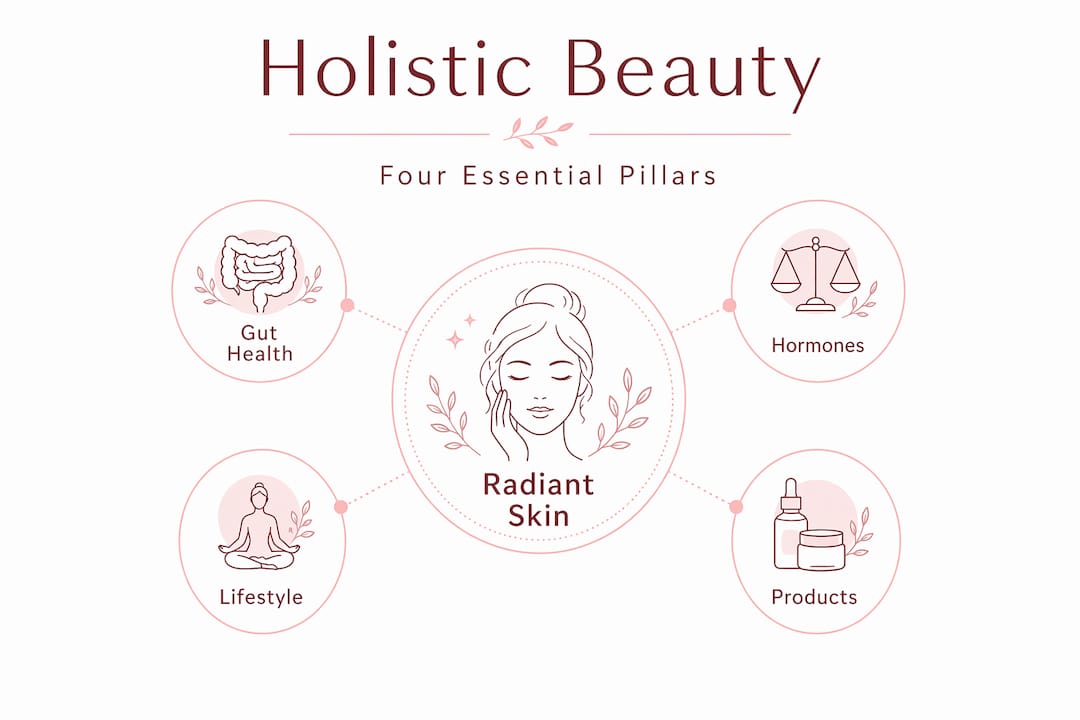
Hormones are arguably the most underappreciated factor in the conversation about natural beauty and health. They regulate collagen production, skin thickness, sebum levels, wound healing, and hydration. When they shift, your skin shifts with them, sometimes dramatically.
The most documented example is menopause. Declining estrogen reduces skin collagen by up to 30% in the first five years. That is not a slow, gradual change. It is a structural shift that affects firmness, texture, and moisture retention simultaneously. No topical cream fully compensates for that level of systemic change. Holistic approaches that support hormonal balance through nutrition, stress reduction, and sleep become genuinely therapeutic at this stage of life.
Systemic inflammation compounds the problem. When the body is in a state of chronic low-grade inflammation, collagen breaks down faster, wound healing slows, and the skin barrier weakens. This is why the benefits of holistic practices like anti-inflammatory nutrition and mindfulness go far beyond vague wellness claims. They directly protect the skin’s structural integrity.
Here is a direct comparison of conventional versus holistic approaches to aging skin:
| Factor | Conventional approach | Holistic approach |
|---|---|---|
| Collagen decline | Topical retinoids, fillers | Nutrition, hormone support, sleep optimization |
| Inflammation | Corticosteroid creams | Anti-inflammatory diet, stress reduction |
| Barrier function | Moisturizers, occlusives | Microbiome-supportive products, prebiotic foods |
| Oxidative stress | Antioxidant serums | Whole-food antioxidants, reduced sugar intake |
| Long-term skin aging | Periodic aesthetic treatments | Consistent systemic lifestyle practices |
The holistic column is not a rejection of conventional tools. It is the foundation that makes those tools more effective. When you address the systemic drivers of skin aging, every product you apply works better because the terrain beneath it is healthier.
Practical holistic practices for natural beauty
Knowing the science is useful. Applying it daily is where real transformation happens. The good news is that holistic approaches to skincare do not require a complete lifestyle overhaul. Small, consistent changes compound into visible results. Here is what actually works.
Daily habits that build radiant skin from within
- Eat fermented foods daily. Yogurt, kefir, kimchi, and sauerkraut directly feed beneficial gut bacteria. Even one serving per day supports the gut-skin axis meaningfully.
- Prioritize 7 to 9 hours of sleep. Skin regenerates during sleep. Cutting rest consistently accelerates visible aging faster than almost any other single factor.
- Practice one daily stress-release ritual. Whether it is 10 minutes of breathwork, a short walk, or a guided meditation, cortisol management directly protects your skin from inflammation-driven breakdown.
- Hydrate with intention. Proper hydration supports skin barrier function and nutrient delivery to skin cells. Add electrolytes if you exercise regularly.
- Choose microbiome-supportive skincare. Products with postbiotic ingredients, gentle cleansers that preserve the skin’s natural pH, and fragrance-free formulas keep the surface microbiome intact.
- Reduce refined sugar intake. Sugar triggers glycation, a process that damages collagen and elastin fibers directly. Reducing it is one of the most effective anti-aging choices you can make.
- Connect social wellness to your routine. Beauty habits strengthen mental health when they become rituals of care rather than chores. Tend to your skin slowly, with presence, and that practice itself reduces stress.
Patience is not optional here. Holistic skin improvements take 2 to 4 weeks to become visible because you are working with biological systems that operate on their own schedule. This is where most people quit too soon. The mind-body connection in beauty is real, and so is the timeline.
For sensitive skin specifically, a holistic beauty ritual that combines microbiome-friendly products with internal wellness practices is the most effective path forward. It addresses both the surface and the source simultaneously.
My honest take on holistic beauty
I have watched people invest hundreds of dollars in serums that do nothing because the foundation was never there. In my experience, the biggest mistake people make in holistic beauty is treating it like a product category rather than a practice. They swap their moisturizer for a “clean” one, feel good about it, and wonder why nothing changes. Real holistic work is less visible than that.
What I have found actually works is getting specific about root causes before stacking new habits. If your skin is persistently inflamed, the answer might be stress, it might be gut dysbiosis, it might be a hormonal shift. Personalized diagnostics identifying root causes are what separate effective protocols from expensive guessing. Generic protocols produce generic results.
I also think we underestimate the emotional side of beauty work. How you feel about yourself changes your biology. Chronic self-criticism raises cortisol. Practices that build genuine self-regard, whether that is therapy, journaling, or simply treating your skincare routine as a moment of care rather than correction, have real physiological effects. The mind-body connection in beauty is not metaphor. It is mechanism.
The other thing I push back on is the idea that holistic beauty is slow because it is weak. It is slow because it works at the source. A topical fix papers over the problem. Addressing your gut health, your sleep, your stress response, that work compounds. Give it six to eight weeks before you judge it. What you will see is not just better skin. It is a more settled, resilient version of yourself.
— Kaitlyn
How Purelightbotanicalbeauty supports your holistic approach
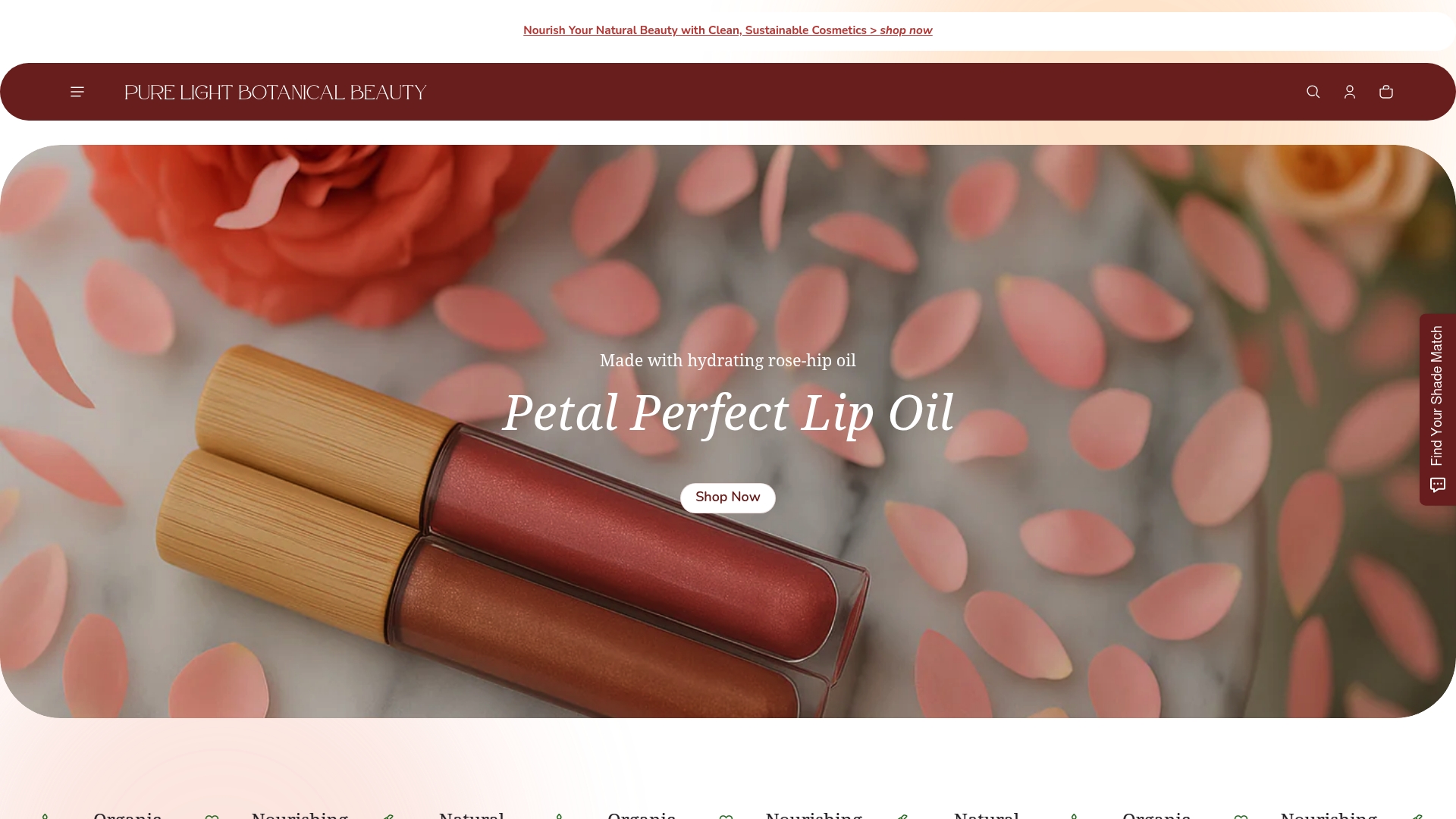
When you are doing the internal work, what you put on your skin matters just as much. Purelightbotanicalbeauty was built on the belief that your products should work with your skin’s biology, not against it. Every formula is crafted from clean, plant-based ingredients designed to support skin barrier health, reduce irritation, and complement the internal wellness practices you are already building. Whether you are managing eczema, rebuilding a depleted microbiome, or simply choosing beauty products that feel like nourishment rather than noise, their botanical line offers a natural skincare solution rooted in the same science this article covers. Explore the collection and find where nature-powered beauty meets your wellness practice.
FAQ
What is the role of holistic health in beauty?
The role of holistic health in beauty is to address the internal systems, including gut health, hormones, sleep, and stress, that determine skin quality at a biological level, rather than relying on topical products alone.
How does the gut affect skin appearance?
The gut microbiome regulates immune responses and hormone metabolism that directly influence skin inflammation, barrier function, and hydration, meaning gut imbalance frequently appears as acne, redness, or accelerated aging.
How long does holistic beauty take to show results?
Systemic skin improvements from holistic practices typically become visible within 2 to 4 weeks, requiring consistency across nutrition, sleep, and stress management.
Can holistic health help with eczema?
Yes. Addressing gut dysbiosis, reducing dietary triggers, and using microbiome-supportive, fragrance-free products can significantly reduce eczema flares by targeting the inflammation at its source rather than suppressing symptoms alone.
What is the mind-body connection in beauty?
The mind-body connection in beauty refers to how psychological states like chronic stress or emotional wellbeing directly alter hormone levels and immune function, producing visible skin changes including inflammation, dullness, and premature aging.
Recommended
- Why Beauty Is Self-Love: Holistic Healing for Sensitive Skin – Pure Light Botanical Beauty
- Why Beauty Matters for Inner Growth and Healing – Pure Light Botanical Beauty
- How to create a holistic beauty ritual for sensitive skin – Pure Light Botanical Beauty
- Intentional beauty: A wellness approach to glowing skin – Pure Light Botanical Beauty