

TL;DR:
- Self-acceptance in beauty involves embracing your authentic self without external validation. It enhances mental health by reducing negative self-talk and improves physical appearance through better posture and skin health. This active practice fosters confidence and resists societal standards driven by consumerism.
Self-acceptance in beauty is the recognition and embrace of your authentic self, including your natural features, perceived flaws, and inner identity, without requiring external validation to feel worthy. This goes far beyond positive affirmations or trendy “body positivity” posts. Psychological research from Psychology Today links high self-acceptance to boosted self-esteem and emotional control, making it a measurable factor in mental health. Beauty Fyra defines it as an active choice to acknowledge your strengths and weaknesses without shame. Understanding self-acceptance in beauty means understanding that confidence is not a product you buy. It is a practice you build.
What is self-acceptance in beauty and why does it matter?
Self-acceptance in beauty is the decision to see yourself clearly and treat what you see with respect. It is not the same as loving every inch of yourself every single day. It means you stop making your worth conditional on how closely you match a standard someone else created.
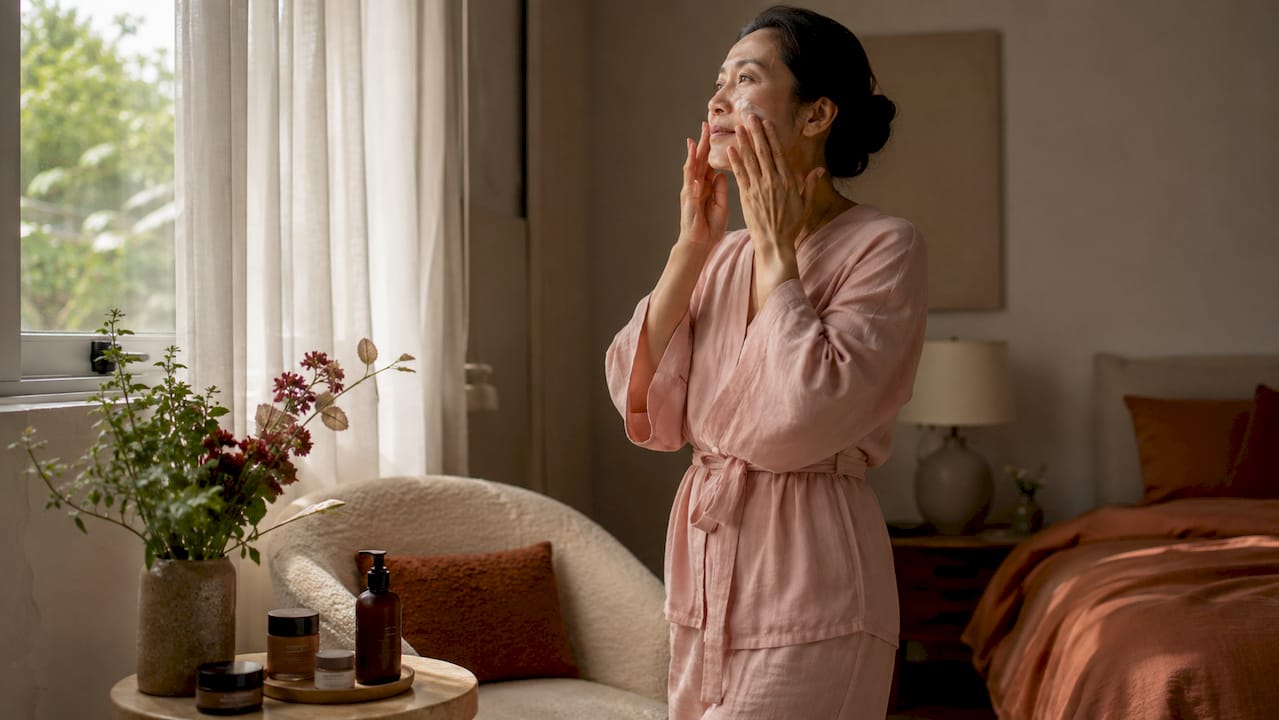
The importance of self-acceptance shows up in real, measurable ways. Low self-acceptance drives repetitive negative self-talk that produces feelings of hopelessness, worthlessness, and anxiety. That internal loop affects how you carry yourself, how you speak, and how you show up in every room you walk into.
Beauty and self-love are not separate conversations. They are the same conversation. When you stop fighting your reflection, you free up enormous mental energy that was previously spent on criticism. That shift is where genuine confidence begins.
How does self-acceptance improve mental health and emotional well-being?
The psychological case for self-acceptance is strong. Higher self-acceptance correlates with reduced anxiety and depression symptoms through better emotional regulation and less negative self-talk. This means accepting yourself is not just a feel-good idea. It is a clinically relevant behavior with measurable outcomes.
Emotional regulation is the ability to manage your reactions without being overwhelmed by them. When self-acceptance is low, minor criticism about your appearance can spiral into hours of rumination. When self-acceptance is high, the same comment lands and passes. You process it and move on.
“Accepting all parts of oneself increases control over emotions and mental health.” — Psychology Today
Self-acceptance also builds resilience. People who accept themselves are less rattled by comparison, less dependent on compliments, and more capable of setting boundaries with media and relationships that undermine their sense of worth. That resilience shows up in their skin, their posture, and their presence.
Pro Tip: If negative self-talk about your appearance spikes after scrolling social media, treat that as data. It tells you where your self-acceptance practice needs the most attention, not where your face needs the most work.
Learning to recognize those patterns is the first step. Purelightbotanicalbeauty’s guide on self-awareness and confidence explores exactly how that internal shift translates into how you experience beauty day to day.
What are the visible effects of self-acceptance on external beauty?
Self-acceptance changes how you look to other people. This is not metaphor. It is physiology and body language working together. Self-acceptance is an active choice that enhances external beauty through improved posture, facial expression, and vitality. A person who has stopped fighting themselves stands differently, breathes differently, and makes eye contact differently.
The physiological effects are real too. Chronic self-criticism activates stress responses in the body. Sustained stress raises cortisol, which contributes to inflammation, breakouts, and dull skin. When internal conflict decreases, skin health and natural glow improve as a direct result.
Embracing natural beauty also produces practical wins. Embracing natural hair texture, for example, saves individuals approximately 30 minutes daily and improves hair health by reducing breakage. That time and health benefit is a direct consequence of accepting what grows from your head rather than fighting it.
Here is what the visible shift actually looks like in practice:
- Posture opens up. Shoulders drop, the chest lifts, and eye contact becomes natural rather than guarded.
- Expressions soften. The micro-tension around the jaw and forehead that comes from chronic self-criticism visibly relaxes.
- Skin responds. Reduced stress means reduced cortisol, which means less inflammation and a clearer complexion over time.
- Energy shifts. People describe feeling lighter, more present, and more magnetic after committing to self-acceptance.
Pro Tip: Watch for performative naturalness. Going makeup-free or wearing your natural hair to prove a point is not self-acceptance. It is just a different kind of performance. Replacing societal validation with performative naturalness creates new stress rather than releasing old stress. Do what feels genuinely right for you, not what signals the right message to others.
How does self-acceptance compare to societal beauty standards?
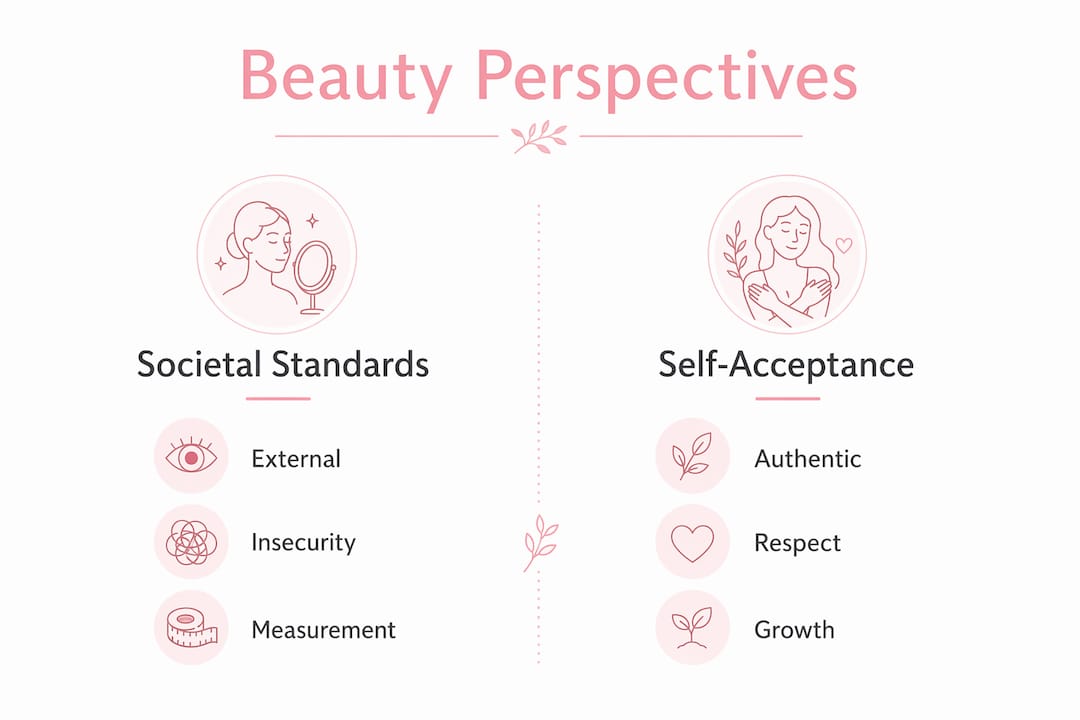
The beauty industry is built on a specific mechanism: create insecurity, then sell the solution. Self-acceptance challenges that mechanism by resisting the insecurities designed to drive consumerism. Understanding self-worth in beauty means recognizing that the standard was never neutral. It was designed to keep you spending.
Beauty is an energy and presence driven by kindness and respect for oneself, projecting power more than makeup or external appearance ever could. That is a fundamentally different definition than what most advertising offers. It shifts beauty from something you achieve to something you embody.
| Societal beauty standard | Self-acceptance in beauty |
|---|---|
| Beauty is external and measurable | Beauty is an internal energy and presence |
| Flaws require correction | Flaws are part of a whole self, not problems to fix |
| Validation comes from others | Confidence comes from within |
| Aging and change are threats | Change is natural and accepted |
| Products solve inadequacy | Products are tools for expression, not correction |
Self-acceptance is also not complacency. It does not mean ignoring areas for growth. It means approaching growth from a place of respect rather than self-punishment. You can want to improve your skin health, your fitness, or your style while fully accepting who you are right now. Those two things are not in conflict. Purelightbotanicalbeauty’s article on self-worth in beauty unpacks this distinction with clarity.
What practical steps can you take to cultivate self-acceptance?
Self-acceptance is a practice, not a destination. It requires consistent, intentional effort, especially when external pressures are loud. These steps are grounded in both psychological research and real beauty routines.
-
Start with self-reflection, not self-criticism. Spend five minutes each morning noticing what you appreciate about your face and body without judgment. This is not about forced positivity. It is about building a more balanced internal narrative.
-
Practice self-compassion when you slip. You will have days when the mirror feels like an enemy. On those days, speak to yourself the way you would speak to a close friend. Personal growth is amplified through self-acceptance by recognizing weaknesses alongside strengths, not by pretending weaknesses do not exist.
-
Embrace your natural features with intention. If you have curly hair, learn what it actually needs rather than what straightening products tell you it needs. Natural hair routines require an initial adjustment period of several months, but the long-term health and time savings are significant.
-
Reduce harmful comparisons actively. Audit your social media feeds. Unfollow accounts that consistently make you feel worse about your appearance. Replace them with accounts that show diverse, real beauty. This is not avoidance. It is a deliberate choice about what you allow to shape your self-image.
-
Build beauty rituals that nourish rather than correct. Choose products and routines that feel caring rather than corrective. Purelightbotanicalbeauty’s guide on natural beauty rituals offers a practical framework for building a routine that supports self-love rather than self-criticism.
Pro Tip: Be patient during transition phases. Whether you are learning to love your natural texture, adjusting to a skin-first routine, or simply trying to think more kindly about yourself, change takes time. Expecting instant results from self-acceptance is the same trap as expecting instant results from a new serum.
The mental health dimension of this practice is real. Purelightbotanicalbeauty’s resource on calm skin and mind connects the dots between emotional well-being and physical skin health in a way that makes the practice feel concrete rather than abstract.
Key takeaways
Self-acceptance in beauty is an active, ongoing practice of recognizing your whole self with respect, and it produces measurable improvements in mental health, physical appearance, and genuine confidence.
| Point | Details |
|---|---|
| Self-acceptance is active, not passive | It requires daily choices to acknowledge your whole self without shame or criticism. |
| Mental health benefits are measurable | Higher self-acceptance reduces anxiety, depression symptoms, and negative self-talk cycles. |
| External beauty responds to internal peace | Improved posture, relaxed expressions, and better skin follow reduced internal conflict. |
| It resists industry-driven insecurity | Self-acceptance redefines beauty as an internal energy, not a standard to purchase toward. |
| Growth and acceptance coexist | You can pursue improvement while fully accepting who you are right now. |
What I have learned about self-acceptance and beauty
The most surprising thing I have observed is how much energy self-rejection actually costs. People assume that being hard on themselves keeps them motivated. In practice, it keeps them exhausted. The women I have seen make the most meaningful changes in how they feel about their appearance are not the ones who pushed hardest against themselves. They are the ones who got quieter about it.
Societal pressure does not disappear when you decide to accept yourself. It gets louder for a while, actually. Every ad, every filtered image, every offhand comment from someone who has not done this work will test your commitment. What changes is your relationship to that noise. It stops feeling like truth and starts feeling like what it is: someone else’s agenda.
The part that most articles skip is the grief. Letting go of the version of yourself you thought you were supposed to become is a real loss. You may have spent years working toward a face or a body that was never yours to have. Accepting your actual self means releasing that goal. That takes time, and it deserves acknowledgment.
True beauty confidence emerges from welcoming the real self, including flaws, rather than pursuing idealized perfection. I believe that. And I believe the most radical thing you can do in a culture that profits from your insecurity is to decide you are already enough.
— Kaitlyn
How Purelightbotanicalbeauty supports your self-acceptance practice
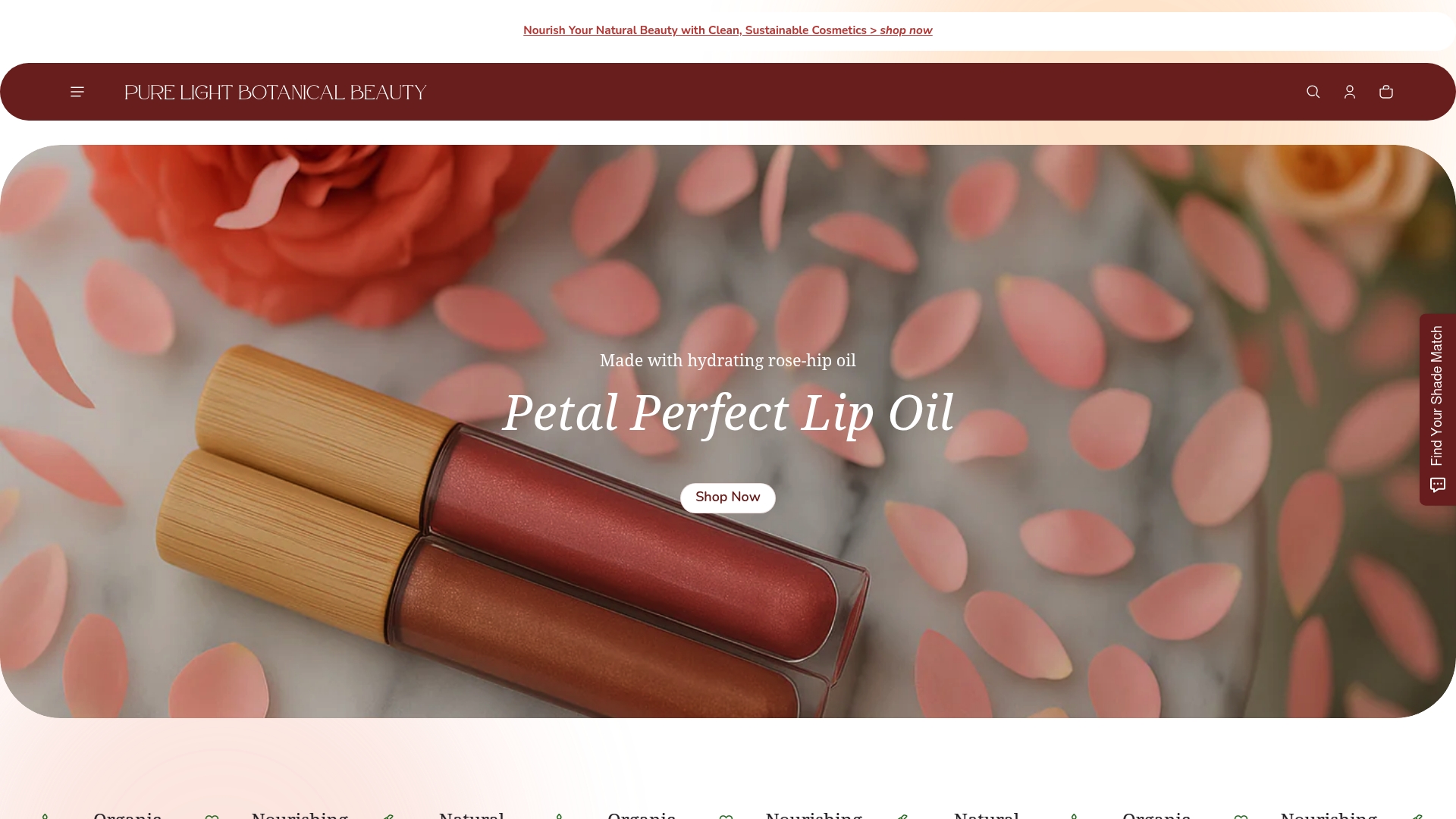
Purelightbotanicalbeauty was built on the belief that beauty products should feel like care, not correction. Every formula in the line, from the Petal Perfect Lip Oil to the Botanical Crème Blush and Nourishing Lipstick, is crafted with clean, plant-based ingredients that nourish skin from within. These are not products designed to cover up who you are. They are tools for expressing who you already are. For anyone navigating sensitive skin or eczema, the botanical formulas offer real skin support alongside genuine color. Explore the full collection and find products that align with your natural beauty journey at Purelightbotanicalbeauty.
FAQ
What is the self-acceptance definition in a beauty context?
Self-acceptance in beauty means recognizing and embracing your authentic appearance and identity without requiring external validation. It is an active practice of acknowledging your whole self, strengths and weaknesses, with respect rather than criticism.
Does self-acceptance mean you stop caring about your appearance?
No. Self-acceptance does not mean complacency. It means pursuing growth and self-care from a place of respect rather than self-punishment. You can invest in your skin, style, and health while fully accepting who you are right now.
How does embracing natural beauty affect skin health?
Reduced internal conflict lowers chronic stress and cortisol levels, which directly improves skin clarity and vitality. Accepting natural features also leads to gentler, more nourishing routines that support long-term skin health rather than working against it.
How long does it take to build genuine self-acceptance?
Self-acceptance is an ongoing practice with no fixed endpoint. Natural hair routines, for example, require an initial adjustment period of several months before stability sets in. The same patience applies to the internal work of accepting your appearance.
Can self-acceptance coexist with wearing makeup?
Absolutely. Makeup used as a tool for expression rather than correction is fully consistent with self-acceptance. The distinction lies in motivation: wearing makeup because it brings you joy is different from wearing it because you believe your face is inadequate without it.
Recommended
- How to Embrace Authentic Beauty and Love Yourself – Pure Light Botanical Beauty
- The Role of Self-Awareness in Beauty and Confidence – Pure Light Botanical Beauty
- Self-Love Beauty Affirmations for Real Confidence – Pure Light Botanical Beauty
- Self-Expression in Beauty: Pathway to Healing and Confidence – Pure Light Botanical Beauty