

TL;DR:
- Caring for sensitive skin involves mindfulness, calming rituals, and products that support both skin and mental health.
- The skin-brain axis highlights how stress influences skin reactions, making soothing routines and neurocosmetics effective.
- Simple, enjoyable routines with intentional touch and minimal products promote consistent healing and emotional well-being.
Caring for sensitive skin is rarely just a skincare problem. For many women, it sits at the intersection of physical discomfort and emotional exhaustion, making every product choice feel high-stakes and every flare-up feel like a personal setback. The good news is that modern research confirms what many of us have felt intuitively: beauty rituals and mental health are far more connected than conventional beauty advice lets on. In this article, we walk you through the science, the practical tips, and the product knowledge you need to build a beauty routine that truly heals from the outside in and the inside out.
Table of Contents
- How the skin-brain connection influences beauty rituals
- Top 7 science-backed beauty tips for skin and soul
- Sensitive skin: choosing products for beauty and well-being
- Comparing natural vs. neurocosmetic options: What works best?
- Why the best beauty ritual is one you truly enjoy
- Nurture your skin and spirit with holistic beauty
- Frequently asked questions
Key Takeaways
| Point | Details |
|---|---|
| Science backs skin-mind rituals | Your skincare routine can lower stress and boost your mood through the skin-brain axis. |
| Gentle ingredients matter | Choose fragrance-free, hypoallergenic, and neurocosmetic products for both sensitive skin and emotional balance. |
| Natural botanicals calm both | Lemon balm, magnolia bark, and L-theanine relieve anxiety and support radiant skin. |
| Routine should suit you | The most effective beauty routine is one that brings you comfort, joy, and consistency. |
How the skin-brain connection influences beauty rituals
Your skin and your brain are in constant conversation. This relationship, called the skin-brain axis, describes the two-way communication network between your nervous system and your skin. It means that stress does not just live in your head. It shows up as redness, breakouts, inflammation, and heightened sensitivity on your skin. For women with eczema or reactive skin, this connection is especially hard to ignore.
Understanding this link changes how we think about beauty routines entirely. A routine built around calming touch, gentle botanicals, and intentional sensory experience does more than protect the skin barrier. It sends signals through the nervous system that reduce cortisol (the body’s primary stress hormone) and encourage the release of serotonin and oxytocin, both of which promote feelings of calm and well-being.
This emerging field is called neurocosmetics, which refers to skincare and beauty products specifically formulated to influence the skin-brain axis. Neurocosmetics target the skin-brain axis via ingredients like neuropeptides, niacinamide, and botanicals to reduce stress responses and improve mood while soothing sensitive skin. This is not just marketing language. It reflects real, measurable physiological effects that have been studied in clinical settings.
“Your beauty ritual can be a form of therapy. The act of applying a nourishing product with slow, intentional hands activates your parasympathetic nervous system, signaling safety and calm to both skin and mind.”
For women with sensitive skin, this science is deeply practical. Here is why it matters:
- Emotional stress triggers inflammatory pathways that worsen eczema, rosacea, and reactive skin conditions
- Mindful application of botanical products activates touch receptors that communicate calm signals to the brain
- Sensory rituals, like fragrant-free textured balms or cooling gels, engage the nervous system positively without irritating skin
- Consistent routines train the brain to associate specific sensory cues with relaxation, making each application more effective over time
Understanding the skin-brain connection is not just a wellness trend. It is a practical foundation for choosing products and building routines that work on multiple levels at once.
Top 7 science-backed beauty tips for skin and soul
With the science foundation set, it is time to get hands-on with tips you can try today. These are not abstract ideas. Each one connects to real research and can be woven into your existing routine with minimal effort.
-
Practice slow, intentional application. Taking even 60 seconds to massage a serum or moisturizer into your skin activates oxytocin release. This simple shift turns a functional step into a grounding ritual that soothes both your nervous system and your skin’s surface reactivity.
-
Use botanicals with dual skin-mood benefits. Ingredients like lemon balm, magnolia bark, and L-theanine do not just calm skin. A clinical study on lemon balm found that a supplement combining lemon balm, magnolia bark, and L-theanine improved anxiety, depression, sleep quality, and measurable skin attributes in stressed adults. When these ingredients appear in your topical products, you gain both skin barrier support and a nervous system benefit.
-
Incorporate aromatherapy where safe. For sensitive skin, this does not mean heavy synthetic fragrances. It means using fragrance-free products with naturally calming scents derived from chamomile or lavender hydrosols (water-based botanical infusions), which are far less likely to trigger irritation than essential oil concentrates.
-
Follow holistic beauty routines that anchor your morning and evening. Routines work because predictability calms the nervous system. Completing the same gentle steps morning and night creates a neurological cue for your body to shift into a calmer state, which directly reduces skin inflammation over time.
-
Choose neuropeptide-enriched formulas. Neuropeptides are short chains of amino acids that interact with nerve receptors in the skin. Products containing peptides like Palmitoyl Tripeptide-1 help strengthen the skin barrier while sending signals that reduce inflammatory response, making them ideal for eczema-prone and reactive skin.
-
Practice the 4-7-8 breathing technique during your skincare routine. Inhale for 4 counts, hold for 7, exhale for 8. Do this while your mask or treatment sits on your skin. This simple breathing pattern activates the parasympathetic nervous system within minutes and magnifies the calming effect of whatever you are applying.
-
Follow skin-soothing beauty steps that prioritize barrier repair. Ceramides, oat extract, and niacinamide are barrier-restoring stars. Niacinamide in particular has been shown to reduce redness and skin sensitivity while also improving the skin’s response to environmental stressors, giving you both visible and emotional relief.
Pro Tip: The biggest overlooked beauty benefit is touch itself. The gentle pressure and warmth of your own hands on your face communicates care to your nervous system. Using your fingertips instead of tools for sensitive skin application is not just gentler on the skin barrier. It is actively therapeutic.
Sensitive skin: choosing products for beauty and well-being
Having covered actionable ritual ideas, let us focus on how to identify the best products for skin health and peace of mind. Label literacy is genuinely powerful here. Knowing what terms actually mean helps you filter out products that promise calm but deliver irritation.
Key label terms to understand:
- Fragrance-free means no added fragrance compounds, including masking fragrances. This is different from “unscented,” which can still contain fragrance designed to neutralize other odors.
- Hypoallergenic means formulated to minimize allergic reactions, but this term is not regulated, so it should be combined with other checks.
- Non-comedogenic means it is designed not to clog pores, which is important for acne-prone sensitive skin.
- Dermatologist-tested signals the product has been reviewed by a skin professional, but testing protocols vary widely.
For truly sensitive skin, prioritize fragrance-free, hypoallergenic products and always patch test new items. Apply them using mineral sunscreens and gentle techniques like fingers over brushes to avoid mechanical irritation.
You can also explore clean beauty routine ideas that walk you through simple, non-overwhelming steps for building a sensitive-skin-safe regimen. If you are new to clean beauty, learning how to choose clean beauty naturally is a great place to start.
For those who also want guidance on makeup specifically, calm, clean makeup steps designed for sensitive skin show you how to achieve a radiant look without compromising skin health.
Ingredients that help vs. harm sensitive skin and mood:
| Ingredient | Effect on skin | Effect on mood | Recommended? |
|---|---|---|---|
| Niacinamide | Reduces redness, strengthens barrier | Lowers skin-related stress | Yes |
| Oat extract | Soothes inflammation, repairs barrier | Promotes comfort through calm skin | Yes |
| Lemon balm extract | Anti-inflammatory, calming | Reduces anxiety, supports sleep | Yes |
| Synthetic fragrance | Common irritant, triggers reactions | Can increase sensory overload | No |
| Alcohol (denatured) | Dries and disrupts skin barrier | Can worsen skin-related anxiety | Avoid |
| Chamomile extract | Calms redness, supports healing | Gentle aromatherapeutic benefit | Yes |
Pro Tip: When in doubt between two products, choose the one with fewer ingredients. Shorter formulations reduce the chances of a reaction and make it easier to identify what your skin responds to best.
Comparing natural vs. neurocosmetic options: What works best?
With your product selection framework in mind, let us compare two trending categories for mind and skin harmony. Both have genuine value, but understanding their differences helps you choose what your skin actually needs.
Natural beauty products are formulated primarily or exclusively with plant-derived, minimally processed ingredients. They prioritize botanical actives and avoid synthetic compounds. Their strength lies in gentle, whole-ingredient nourishment and lower risk of chemical sensitization.
Neurocosmetic products are designed with the skin-brain axis specifically in mind. They may be natural, synthetic, or a blend, but their defining feature is the inclusion of ingredients that interact with the nervous system. Neurocosmetics harness botanicals and neuropeptides to reduce both skin sensitivity and psychological stress, representing one of the most exciting intersections of modern dermatology and wellness science.
Natural beauty: pros and cons
- Pros: Minimal processing, lower chemical load, wide botanical diversity, often safe for eczema
- Cons: Efficacy can vary batch to batch, some natural ingredients (like essential oils) can still irritate sensitive skin, may not specifically target the skin-brain axis
Neurocosmetic beauty: pros and cons
- Pros: Targets root causes of stress-related skin conditions, backed by clinical data, increasingly available in clean formulations
- Cons: Less consumer familiarity, some formulas include synthetics, higher price point in premium lines
Here is how they compare side by side:
| Feature | Natural beauty | Neurocosmetics |
|---|---|---|
| Primary focus | Skin nourishment | Skin-brain axis support |
| Key ingredients | Botanical oils, plant extracts | Neuropeptides, niacinamide, adaptogens |
| Sensitive skin safety | Generally high | High when botanically formulated |
| Mental health benefit | Indirect (via ritual, scent, comfort) | Direct (neurochemical modulation) |
| Evidence base | Traditional + emerging | Growing clinical research |
| Best for | Everyday nourishment | Stress-driven skin conditions |
Exploring non-toxic beauty must-haves for sensitive skin and browsing plant-based beauty examples that offer real skin relief can help you start narrowing down which category fits your needs. Many women find the most powerful approach is one that blends both, choosing natural formulas that also include research-backed neurocosmetic actives.
Why the best beauty ritual is one you truly enjoy
Here is something mainstream beauty advice rarely tells you: the most effective routine is not the most sophisticated one. It is the one you actually look forward to.
We have spent years absorbing the message that more products, more steps, and more precision equal better results. The beauty industry profits from complexity. But the science of habit formation and psychodermatology (the study of how psychological states affect skin conditions) tells a different story entirely. Consistency is the single biggest predictor of improved skin health over time, and consistency only happens when something feels good to do.
Think about it this way. A 12-step routine filled with premium actives that you skip three nights a week delivers less benefit than a three-step routine you genuinely love and do every single night. The ritual does not have to be elaborate to be transformative. It has to be yours.
There is also a sensory dimension worth considering. When your routine feels pleasurable, your body genuinely responds differently. Touch, texture, and temperature all stimulate the vagus nerve, which plays a central role in calming the nervous system. A silky botanical oil applied slowly engages more nervous system benefit than the same oil rushed on in 10 seconds. The experience IS part of the medicine.
We also want to gently push back on the idea that the “right” routine exists somewhere outside of you, waiting to be discovered. You are not behind. You do not need to overhaul everything. You need to find the minimal routine benefits that come from choosing three to five genuinely nourishing steps and showing up for them with intention. That consistency, that care you give yourself daily, is the real healer.
Joy in your ritual is not a luxury. For sensitive skin especially, it is a biological necessity.

Nurture your skin and spirit with holistic beauty
You deserve a beauty routine that works as hard for your well-being as it does for your complexion. Pure Light Botanical Beauty was built around exactly this belief: that nourishing your skin with clean, plant-powered ingredients should also feel like an act of deep self-care.
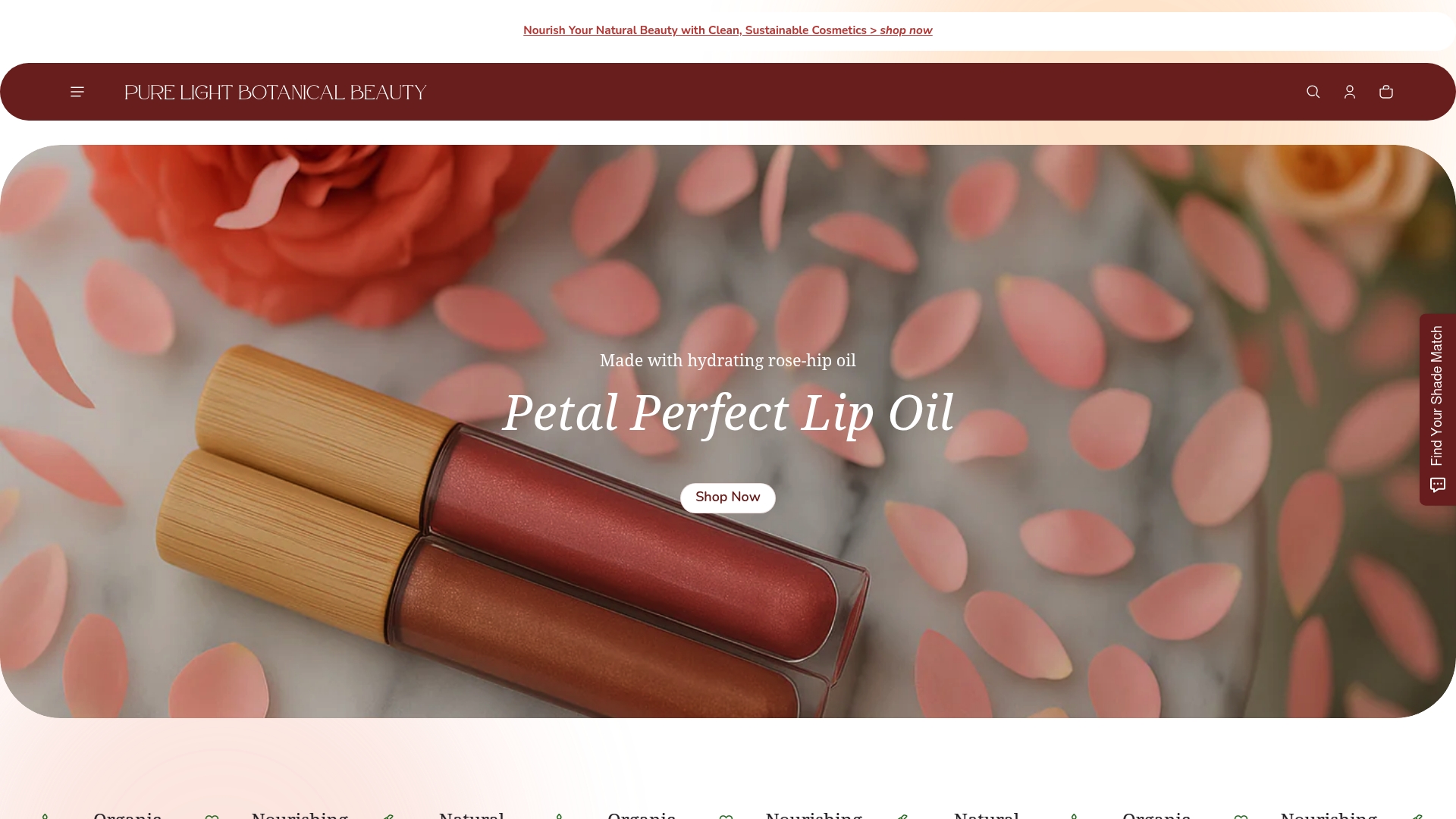
Every product in the line, from the Petal Perfect Lip Oil to the Botanical Crème Blush and the Nourishing Lipstick, is formulated with sensitive skin and emotional well-being in mind. No harsh synthetics, no hidden irritants. Just thoughtfully chosen botanicals that support your skin barrier while making you feel genuinely radiant. If you are ready to put today’s tips into practice, the glowing skin routine guide for sensitive skin is a wonderful next step, designed to help you build a ritual that is both effective and deeply enjoyable.
Frequently asked questions
What are neurocosmetics and how do they help mental health?
Neurocosmetics are beauty products formulated to target the skin-brain axis, using ingredients like neuropeptides, niacinamide, and botanicals that reduce stress responses and improve mood while simultaneously soothing sensitive skin. They offer both visible skin benefits and measurable psychological ones.
Which natural ingredients support both skin and mental well-being?
Botanicals like lemon balm, magnolia bark, and L-theanine have clinical backing, with research showing a supplement combining these three improved anxiety, depression, sleep quality, and measurable skin attributes in stressed adults.
How can I patch test new beauty products for sensitive skin?
Apply a small amount of product to your inner arm and wait 24 hours before using it on your face. This simple step, recommended as part of a gentle sensitive skin protocol, can prevent significant reactions and save you from unnecessary flare-ups.
Is it better to use fewer products in my beauty routine?
Yes. Minimalist routines reduce ingredient overload, protect the skin barrier, and create the kind of focused, mindful self-care practice that genuinely benefits sensitive skin both physically and emotionally. Fewer products also make it easier to identify what is helping and what is not.
Recommended
- How beauty habits transform skin and mental health – Pure Light Botanical Beauty
- Benefits of Mindful Beauty: Complete Guide for 2025 – Pure Light Botanical Beauty
- Step by Step Mindful Makeup for Sensitive Skin Glow – Pure Light Botanical Beauty
- Why beauty is self-care for sensitive skin naturally – Pure Light Botanical Beauty