

You’ve probably heard that beauty is only skin deep, but what if your skincare routine could actually reshape your emotional landscape? For women with sensitive skin, the connection between beauty rituals and mental wellness runs deeper than most realize. Research shows that neurocosmetics modulate neurotransmitters and sensory inputs to reduce stress hormones and improve mood. This guide explores how beauty products impact mental health, which ingredients support both skin comfort and emotional wellbeing, and practical steps to create rituals that honor your sensitive skin while nurturing your mind.
Table of Contents
- Key takeaways
- Understanding how beauty impacts mental health
- Choosing beauty products for sensitive skin and mental wellness
- Balancing benefits and risks: mental health and skin sensitivity nuances
- Practical tips to integrate beauty for mental health in sensitive skin care
- Explore Pure Light Botanical Beauty for sensitive skin wellness
- Frequently asked questions
Key Takeaways
| Point | Details |
|---|---|
| Neurocosmetics mood impact | Neurocosmetics use ingredients that modulate neurotransmitters and sensory signals to lower cortisol and lift mood. |
| Barrier support ingredients | Niacinamide and peptides help calm the skin and reduce inflammation while supporting moisture and resilience. |
| Mood boosting rituals | Texture, scent, and touch during routine activate mood pathways and trigger serotonin and dopamine release. |
| Self esteem boost | Dedicating time to self care signals self worth and supports emotional wellbeing beyond appearance. |
| Cosmetic hypersensitivity risks | Some users may experience irritation or heightened stress if products contain harsh ingredients or mismatched routines. |
Understanding how beauty impacts mental health
The relationship between beauty products and mental wellness operates through multiple pathways. Neurocosmetics contain ingredients that modulate neurotransmitters, sensory inputs, and skin barrier function to reduce cortisol and improve emotional states. These specialized formulas work on both physiological and psychological levels.
Your skin communicates directly with your brain through the skin-brain axis. When you apply products with calming botanicals or mood-enhancing peptides, these ingredients don’t just sit on the surface. They interact with nerve endings and influence chemical messengers that regulate stress responses. A strengthened skin barrier reduces inflammation, which in turn lowers cortisol production and creates a calmer internal environment.

Sensory experiences during beauty rituals activate mood-enhancing pathways in your brain. The texture of a creamy blush, the scent of rose oil, the gentle touch of application all engage multiple senses simultaneously. This multisensory stimulation triggers the release of feel-good neurotransmitters like serotonin and dopamine. Your brain associates these pleasant sensations with self-care, creating positive emotional feedback loops.
The psychological dimension matters just as much as the biochemical one. Why beauty rituals matter extends beyond surface benefits to include enhanced self-esteem and body image. When you dedicate time to caring for yourself, you signal to your mind that you’re worthy of attention and nurturing. This simple act of prioritization can shift your entire emotional landscape.
“Beauty routines create a bridge between physiological skin health and psychological wellbeing, offering a tangible way to practice self-compassion while supporting skin integrity.”
For sensitive skin, this connection becomes even more significant. When your skin feels comfortable and calm, your mental state often mirrors that tranquility. Conversely, skin irritation and inflammation can trigger stress responses that compound emotional difficulties. Choosing products that respect your skin’s needs while delivering mental health benefits creates a foundation for holistic wellness.
Key mechanisms include:
- Neuropeptides that calm skin nerves and reduce stress signals to the brain
- Botanical extracts that strengthen barrier function and lower inflammation
- Sensory inputs that activate reward centers and mood regulation pathways
- Ritual consistency that builds psychological safety and self-worth
Choosing beauty products for sensitive skin and mental wellness
Selecting the right ingredients makes all the difference when you’re balancing skin sensitivity with mental health support. Niacinamide and peptides soothe sensitive skin while modulating stress responses, making them ideal for dual-purpose formulas. These ingredients strengthen your skin’s protective barrier, reducing reactivity and creating the calm foundation your mind needs.
Barrier-strengthening ingredients should anchor your routine. Niacinamide reduces inflammation and improves moisture retention without irritation. Probiotics and prebiotics support your skin’s microbiome, which plays a surprising role in both skin health and emotional regulation. Ceramides and fatty acids repair compromised barriers, preventing the stress cascade that occurs when your skin feels raw or reactive.
Neuropeptides represent the frontier of neurocosmetics for sensitive skin. Ingredients like skinasensyl specifically target nerve endings in skin to reduce sensitivity while signaling calm to your brain. These molecules work at the intersection of dermatology and neuroscience, offering benefits that conventional beauty products can’t match. They’re particularly valuable if you experience both physical sensitivity and emotional stress.
Essential oils require careful consideration. While clean makeup and self-care for sensitive skin can include aromatherapy benefits, concentration matters enormously. Lavender and chamomile oils reduce inflammation and anxiety at low doses, but high concentrations trigger reactions in sensitive individuals. Always choose products with essential oils diluted to safe levels, typically under 1% for facial applications.
Avoid these common irritants:
- Synthetic fragrances that mask ingredients and trigger allergic responses
- Harsh preservatives like parabens and formaldehyde-releasers
- Alcohol-based formulas that strip your barrier and increase sensitivity
- Known allergens specific to your skin’s history
Pro Tip: Test new products on your inner forearm for 48 hours before facial application. This simple step prevents full-face reactions and helps you identify sensitivities before they impact your mental state.
Prioritize transparency in ingredient lists. Brands that clearly communicate what’s in their formulas and why demonstrate respect for your need to make informed choices. Self-care in beauty means knowing exactly what you’re putting on your skin and how it serves your wellbeing. Look for products that combine skin-soothing botanicals with mood-supporting ingredients, creating formulas that address your whole experience.
The best products for sensitive skin and mental wellness balance multiple factors. They calm physical sensitivity, support barrier integrity, deliver sensory pleasure, and contain ingredients that positively influence your emotional state. This combination transforms beauty from a surface concern into a genuine wellness practice.
Balancing benefits and risks: mental health and skin sensitivity nuances
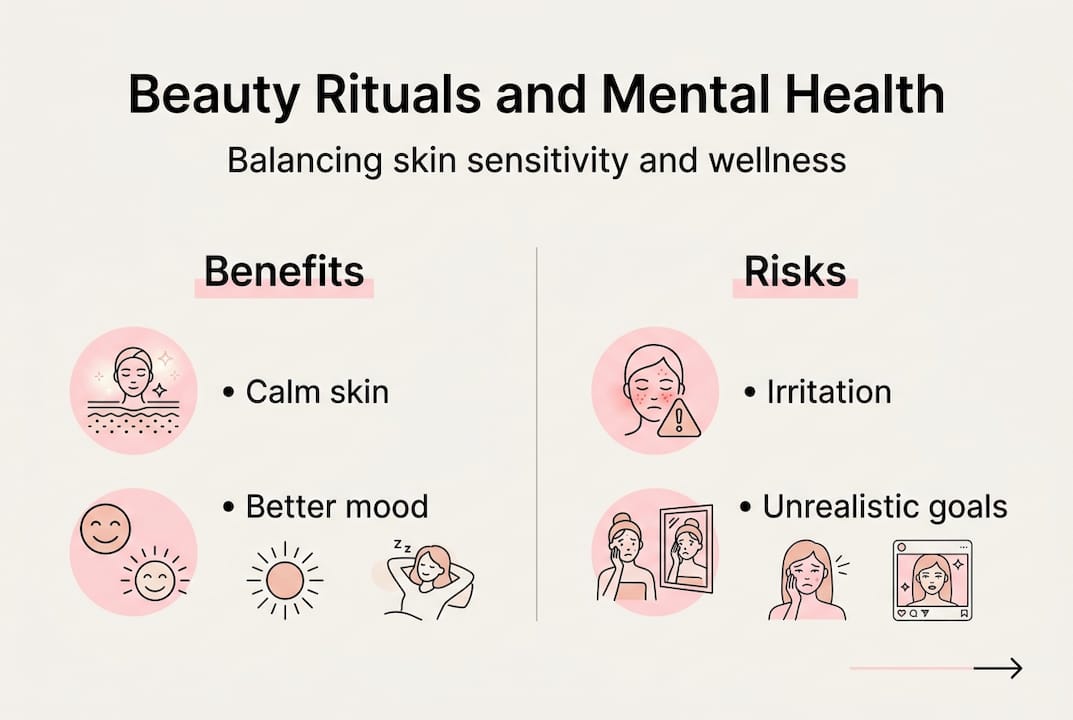
While neurocosmetics offer exciting possibilities, understanding limitations protects both your skin and emotional wellbeing. Research on neurocosmetics remains early-stage with few long-term randomized trials, and risks include body dysmorphic disorder and cosmetic hypersensitivity. Approaching beauty rituals with awareness of these realities helps you make choices that truly serve you.
The evidence base for neurocosmetics continues to develop. Most studies focus on short-term outcomes with small sample sizes. We don’t yet have comprehensive data on how these products perform over years of use or across diverse populations. This doesn’t mean they’re ineffective, but it does mean you should maintain realistic expectations and stay alert to how your skin and mood actually respond.
Psychological vulnerabilities deserve attention before diving into beauty-focused mental health strategies. Research indicates a 20% risk of body dysmorphic disorder following cosmetic procedures, and beauty routines can sometimes reinforce appearance-based self-worth rather than intrinsic value. If you struggle with body image issues or tie your self-esteem heavily to appearance, consider working with a mental health professional alongside your beauty routine.
Sensitive skin introduces additional complexity through the microbiome-stress-allergy axis. Your skin’s bacterial community influences both physical sensitivity and stress responses. When this ecosystem becomes disrupted, you may experience heightened reactivity to products you previously tolerated. Stress itself can trigger this disruption, creating a cycle where emotional distress worsens skin sensitivity, which then increases stress.
Risk factors to monitor:
- History of contact dermatitis or allergic reactions to cosmetics
- Existing anxiety, depression, or body image concerns
- Tendency to seek external validation through appearance
- Disrupted skin barrier from over-exfoliation or harsh products
- High stress levels that compromise skin’s protective functions
Pro Tip: Keep a simple journal tracking both skin reactions and mood changes when you introduce new products. This creates objective data to guide your choices rather than relying on subjective impressions that may be influenced by marketing or expectations.
| Benefit | Risk | Mitigation strategy |
|---|---|---|
| Reduced anxiety through calming ingredients | Allergic reactions in sensitive skin | Patch test all products; choose hypoallergenic formulas |
| Enhanced self-esteem via ritual | Over-identification with appearance | Balance beauty care with non-appearance-based self-worth practices |
| Lower cortisol from barrier support | Cosmetic hypersensitivity from microbiome disruption | Support skin microbiome with prebiotics; manage stress holistically |
| Mood improvement through sensory pleasure | Body dysmorphic disorder reinforcement | Screen for psychological vulnerabilities; seek professional support if needed |
Ethical considerations also emerge around beauty and mental health. Some research suggests that emphasizing beauty as a path to wellness may inadvertently reinforce materialistic values or moral judgments about appearance. Self-love in beauty and natural rituals should enhance your inherent worth, not create it. Your value exists independent of how your skin looks or which products you use.
The goal is integration, not dependence. Beauty rituals work best as one component of a broader mental health strategy that includes stress management, social connection, physical activity, and professional support when needed. They’re a tool, not a cure, and recognizing this distinction keeps your relationship with beauty products healthy and balanced.
Practical tips to integrate beauty for mental health in sensitive skin care
Creating effective beauty rituals for mental wellness requires intentional design that respects your sensitive skin. Self-care rituals enhance mood and self-esteem through grooming and skin-brain pathways, making consistency and mindfulness essential elements. These steps help you build routines that genuinely support both dimensions of wellbeing.
Establish a gentle, multisensory ritual:
- Choose a consistent time and quiet space where you won’t be interrupted
- Begin with clean hands and a moment of intentional breathing to signal transition
- Apply products slowly, focusing on the sensations of texture, temperature, and scent
- Use gentle, upward motions that feel nurturing rather than rushed or mechanical
- End with a moment of gratitude or positive affirmation about caring for yourself
The environment matters as much as the products. Soft lighting, calming music, and a comfortable temperature all contribute to the mental health benefits of your ritual. Your brain associates these contextual cues with relaxation, making the routine more effective over time. Even five minutes of this focused attention can shift your nervous system from stress to calm.
Product selection should prioritize barrier support and neurocosmetic benefits. Look for formulas containing niacinamide, peptides, and gentle botanicals that serve both your skin and emotional state. Benefits of mindful beauty multiply when products align with your values and needs. Avoid anything that causes even mild irritation, as physical discomfort undermines mental health gains.
Practice psychological self-awareness throughout your routine. Notice what thoughts arise as you care for your skin. Are you being kind to yourself or critical? Do you feel present or distracted? This metacognitive attention helps you use beauty rituals as a form of meditation rather than another task to complete. When negative thoughts surface, acknowledge them without judgment and return focus to the sensory experience.
Incorporate stress management techniques:
- Practice deep breathing while products absorb into your skin
- Use progressive muscle relaxation, tensing and releasing facial muscles gently
- Visualize the ingredients nourishing both your skin and your emotional state
- Set an intention for how you want to feel after completing your ritual
Pro Tip: Establish consistent timing for your beauty ritual, ideally at the same time each day. This regularity trains your nervous system to anticipate and prepare for relaxation, maximizing the mental health benefits while giving your skin predictable, gentle care.
Monitor both skin and mood responses over several weeks. Your skin may need time to adjust to new products, and mental health benefits often build gradually rather than appearing immediately. Step by step mindful makeup naturally provides additional guidance for extending mindfulness throughout your beauty routine. Keep notes about what works and what doesn’t, adjusting your approach based on real results rather than expectations.
Balance beauty rituals with other wellness practices. Exercise, adequate sleep, nutritious food, and meaningful relationships all contribute to mental health in ways that complement but can’t be replaced by skincare. View your beauty routine as one thread in a larger tapestry of self-care, each element supporting the others to create comprehensive wellbeing.
Explore Pure Light Botanical Beauty for sensitive skin wellness
If you’re ready to experience beauty products designed specifically for sensitive skin and mental wellness, Pure Light Botanical Beauty offers formulas that honor both needs. Each product combines gentle, barrier-supportive botanicals with sensory experiences that nurture your emotional state. You’ll find options free from harsh chemicals and common irritants, crafted to feel as good as they look.
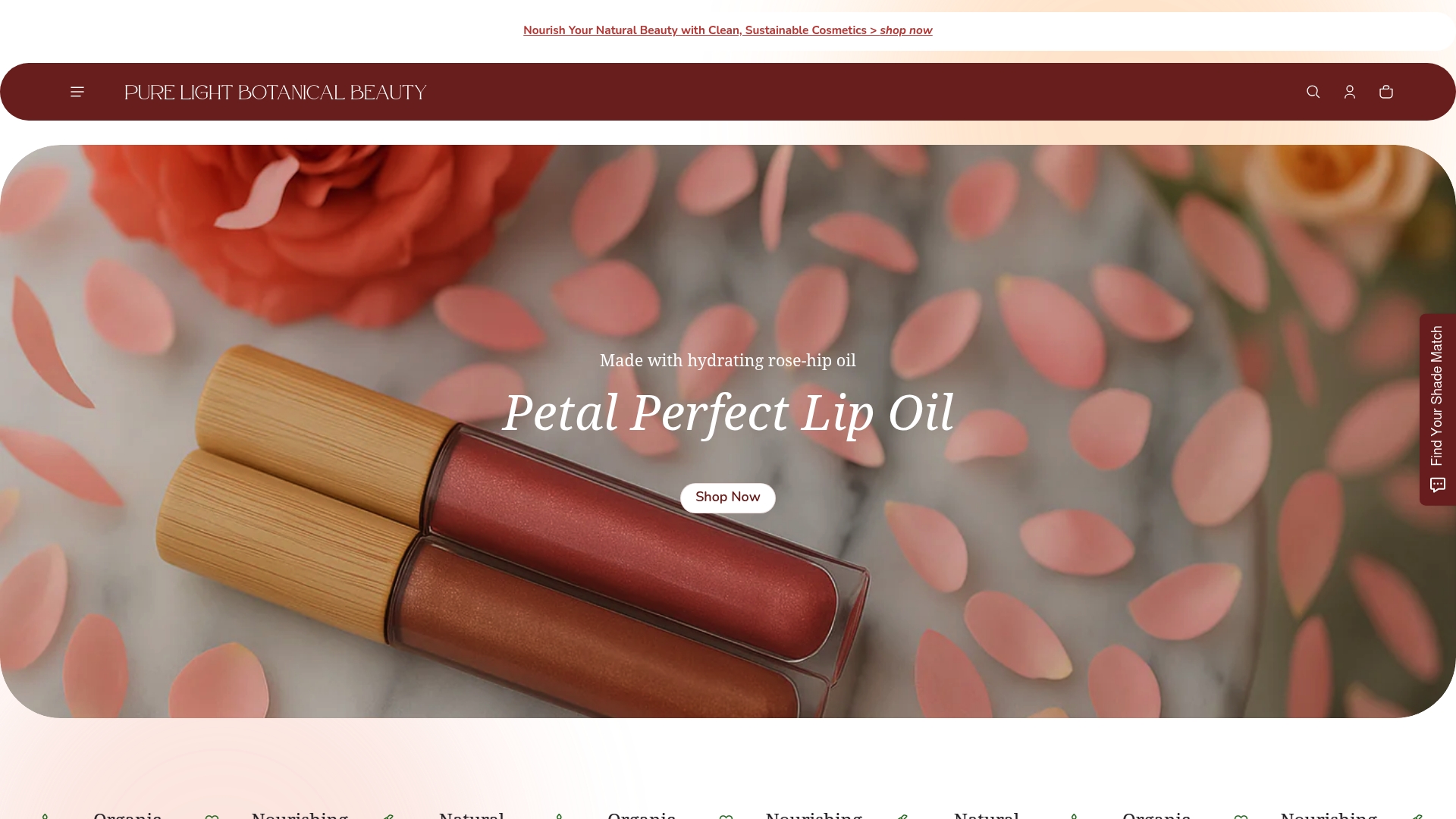
The Petal Perfect Lip Oil in rose quartz delivers hydration and a subtle tint while surrounding you with calming rose essence. For cheeks, the Botanical Crème Blush collection provides buildable color in textures that melt into skin without irritation. Every formula reflects the belief that beauty and healing come from the same source, supporting your journey toward radiant skin and inner calm.
Frequently asked questions
What is neurocosmetics and how do they affect mental health?
Neurocosmetics contain ingredients that modulate neurotransmitters and the skin-brain axis to reduce stress and improve mood. They combine sensory inputs like scent and texture with biochemical effects from peptides and botanicals. Gentle formulas suit sensitive skin by soothing inflammation and strengthening the barrier while delivering emotional benefits.
Can beauty rituals really reduce anxiety for people with sensitive skin?
Yes, when designed thoughtfully. The combination of barrier-supportive ingredients, calming sensory experiences, and consistent self-care practices activates multiple pathways that lower cortisol and enhance mood. However, benefits build gradually and work best as part of a comprehensive mental health approach.
Which ingredients should I look for in products that support both sensitive skin and mental wellness?
Prioritize niacinamide for barrier repair and inflammation reduction, neuropeptides like skinasensyl for nerve calming, and gentle botanicals such as chamomile or oat extract. Probiotics support your skin microbiome, which influences both physical sensitivity and stress responses. Always choose fragrance-free or naturally scented options at safe concentrations.
Are there risks to using beauty products for mental health support?
Yes, including cosmetic hypersensitivity reactions in sensitive skin and potential reinforcement of appearance-based self-worth. Research on neurocosmetics remains early-stage with limited long-term data. Screen for psychological vulnerabilities like body dysmorphic disorder and maintain realistic expectations about what beauty products can and cannot address.
How long does it take to notice mental health benefits from beauty rituals?
Most people notice immediate relaxation from the sensory and mindfulness aspects of rituals. Deeper mental health benefits from neurocosmetic ingredients typically emerge over 4-8 weeks of consistent use. Skin barrier improvements that reduce stress responses may take 6-12 weeks, as your skin’s natural renewal cycle completes.
Recommended
- Why beauty is self-care for sensitive skin naturally – Pure Light Botanical Beauty
- Why Beauty Matters for Inner Growth and Healing – Pure Light Botanical Beauty
- Transformational Beauty Habits for Sensitive Skin – Pure Light Botanical Beauty
- Mindful Beauty Practices for Sensitive Skin Health – Pure Light Botanical Beauty