

Many women believe clean beauty and eco-luxe beauty are interchangeable terms, but they represent distinct approaches to skincare. While clean beauty focuses on avoiding certain ingredients, eco-luxe beauty goes further by prioritizing sustainability, ethical sourcing, and healing botanicals specifically designed for sensitive skin. For women seeking gentle, plant-based products that honor both skin health and environmental responsibility, understanding this difference transforms how you approach your beauty ritual. This guide clarifies what eco-luxe beauty truly means and why it matters for your sensitive skin journey.
Table of Contents
- Key takeaways
- Understanding eco-luxe beauty: definition and key elements
- How eco-luxe beauty supports women with sensitive skin
- Eco-luxe vs. clean beauty: understanding the differences and pitfalls
- Incorporating eco-luxe beauty into your holistic self-care ritual
- Explore Pure Light Botanical Beauty for sensitive skin
- FAQ
Key Takeaways
| Point | Details |
|---|---|
| Sustainability focus | Eco luxe beauty combines indulgence with responsibility through sustainable practices, ethical sourcing, and plant based ingredients. |
| Calming botanicals | Formulations prioritize soothing botanicals like chamomile calendula and lavender to support sensitive skin and barrier repair. |
| Certifications matter | Third party seals such as ECOCERT and Leaping Bunny verify claims and reduce the risk of greenwashing. |
| Responsible packaging | Packaging employs refillable containers recyclable glass and aluminum, and outer packaging made from plant fibers. |
Understanding eco-luxe beauty: definition and key elements
Eco-luxe beauty represents a marriage between indulgence and responsibility. Unlike conventional luxury products that prioritize aesthetics alone, eco-luxe formulations honor your skin and the planet simultaneously. This approach includes small-batch production and natural ingredients alongside cruelty-free practices and carbon-neutral operations.
The foundation rests on plant-based ingredients sourced with intention. Baobab oil delivers moisture without clogging pores. Bio-retinol offers anti-aging benefits without irritation. Chamomile soothes redness while supporting barrier repair. These botanicals work synergistically to heal rather than simply cover imperfections.
Small-batch production distinguishes eco-luxe from mass-market alternatives. Producing limited quantities ensures ingredient potency while reducing waste. Fresh formulations maintain active botanical compounds that degrade in large-scale manufacturing. This method also allows brands to respond quickly to ingredient availability, choosing seasonal botanicals at peak effectiveness.
Authentic eco-luxe brands earn third-party certifications that validate their claims. ECOCERT verifies organic content and sustainable practices. Leaping Bunny confirms cruelty-free production. These stamps provide assurance in an industry plagued by vague marketing language.
Packaging reflects environmental values through thoughtful design:
- Refillable containers that reduce single-use waste
- Recyclable glass and aluminum materials
- Biodegradable outer packaging made from plant fibers
- Minimal design that eliminates unnecessary components
Pro Tip: Check product websites for detailed sourcing information. Genuine eco-luxe brands share supplier relationships and ingredient origins transparently.
| Element | Standard beauty | Eco-luxe beauty |
|---|---|---|
| Production scale | Mass manufactured | Small-batch artisan |
| Ingredient sourcing | Cost-driven | Ethically verified |
| Testing practices | May include animal testing | Cruelty-free certified |
| Packaging | Single-use plastic | Refillable and recyclable |
| Carbon footprint | Rarely addressed | Actively minimized |
The true measure of eco-luxe beauty lies not in marketing claims but in verifiable practices. When brands invest in certifications, transparent sourcing, and sustainable packaging, they demonstrate commitment beyond profit. This integrity creates products that nourish your skin while respecting the earth that provides healing ingredients.
How eco-luxe beauty supports women with sensitive skin
Sensitive skin demands gentleness that conventional beauty products rarely provide. Eco-luxe formulations center botanical ingredients specifically chosen for their anti-inflammatory and healing properties. These plant compounds work with your skin’s natural processes rather than forcing artificial changes.
Chamomile contains bisabolol, a compound that calms inflammation at the cellular level. Calendula accelerates wound healing through triterpenoid esters. Lavender provides antimicrobial protection while soothing irritated tissue. Together, these botanicals create an environment where sensitive skin can repair itself naturally.
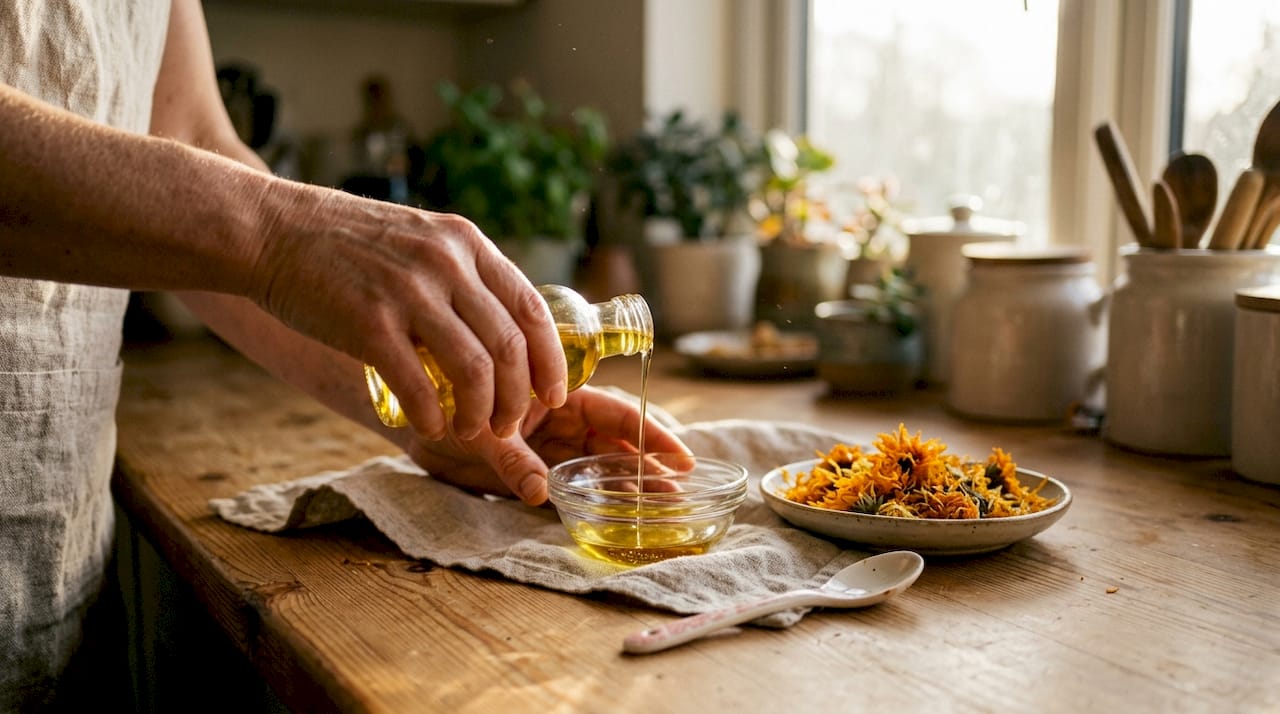
The science supports botanical healing. Research shows plant-based formulations reduce eczema flare-ups by 40% when used consistently. Skin barrier function improves by 25% within four to eight weeks. These improvements occur because botanicals provide nutrients that synthetic ingredients cannot replicate.
Hypoallergenic formulations minimize reaction risks by excluding common irritants. Eco-luxe products avoid synthetic fragrances, harsh preservatives, and petroleum derivatives. Instead, they rely on gentle plant extracts and naturally occurring preservatives like rosemary extract. This careful selection protects reactive skin from unnecessary triggers.
Key botanicals for sensitive skin healing:
- Chamomile for reducing redness and inflammation
- Calendula for accelerating barrier repair
- Oat extract for soothing itching and irritation
- Rose water for hydration without heaviness
- Green tea for antioxidant protection
Beyond physical benefits, eco-luxe beauty rituals support emotional wellness. Applying products mindfully transforms skincare into meditation. The act of nurturing your skin becomes self-care that acknowledges your worth. This holistic approach recognizes that true beauty radiates from inner peace as much as outer glow.
Patience proves essential when transitioning to botanical skincare. Your skin needs time to adjust and heal. Initial improvements appear within two weeks, but significant barrier repair requires consistent use over several months. Trust the process as your skin learns to function optimally without synthetic support.
Pro Tip: Keep a skin journal tracking flare-ups, product usage, and environmental factors. Patterns emerge that help you identify which botanical ingredients work best for your unique skin needs.
Eco-luxe vs. clean beauty: understanding the differences and pitfalls
The beauty industry uses terms like clean, green, and eco-luxe interchangeably, creating confusion for conscious consumers. Understanding these distinctions empowers you to choose products that truly align with your values and skin needs.
Clean beauty focuses on avoiding toxins like parabens, sulfates, and phthalates. However, clean remains an unregulated term without standardized definitions. Brands self-determine what qualifies as clean, leading to inconsistent product quality. A clean label guarantees nothing about sustainability or ethical practices.
Eco-luxe beauty encompasses clean principles while adding rigorous environmental and ethical standards. These products must demonstrate sustainable sourcing, minimal environmental impact, and third-party verification. The distinction matters because your purchase supports either superficial marketing or genuine systemic change.
| Aspect | Clean beauty | Eco-luxe beauty |
|---|---|---|
| Ingredient safety | Avoids certain toxins | Avoids toxins plus emphasizes healing botanicals |
| Regulation | Self-determined | Third-party certified |
| Sustainability | Not required | Core requirement |
| Ethical sourcing | Optional | Mandatory |
| Packaging | Varies widely | Refillable and minimal |
| Animal testing | Sometimes avoided | Always cruelty-free |
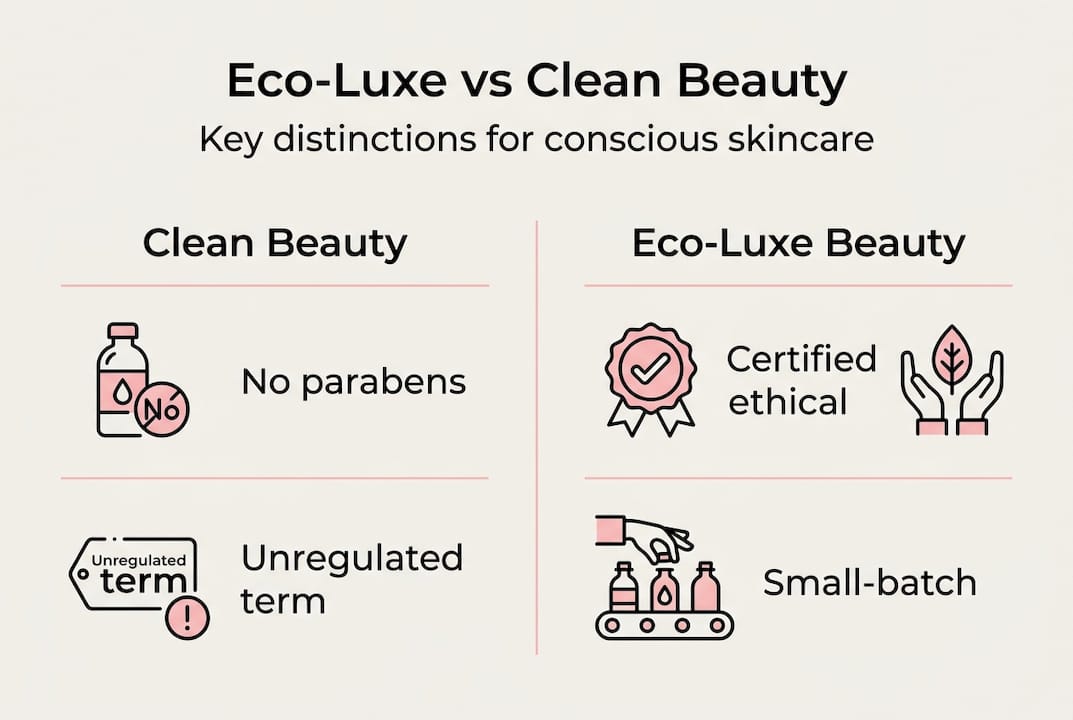
Greenwashing presents a serious concern in the natural beauty space. Brands exploit consumer desire for sustainable products through misleading marketing without certifications. Vague terms like natural, pure, and botanical mean nothing without verification. Always demand proof through recognized certifications.
Red flags that signal greenwashing:
- Green packaging without substance to back claims
- Vague language like eco-friendly without specifics
- No third-party certifications displayed
- Ingredient lists dominated by synthetics despite natural marketing
- Lack of transparency about sourcing and production
Authentic eco-luxe brands welcome scrutiny. They publish detailed ingredient sourcing information, maintain certification documentation, and explain their environmental initiatives clearly. This transparency builds trust and demonstrates genuine commitment to values beyond profit.
For women with sensitive skin, these distinctions carry practical implications. Clean products may still contain irritating natural ingredients like essential oils or plant allergens. Eco-luxe formulations typically undergo more rigorous testing and quality control, resulting in gentler products. The investment in certifications and sustainable practices often correlates with higher product quality.
Choosing non-toxic beauty products requires looking beyond marketing to examine actual practices. Certifications provide the most reliable verification, but you can also research brand ownership, read detailed ingredient analyses, and connect with communities of conscious consumers who share experiences.
Incorporating eco-luxe beauty into your holistic self-care ritual
Transitioning to eco-luxe beauty works best when approached as a gradual lifestyle shift rather than an overnight overhaul. Your sensitive skin benefits from consistency and patience as you introduce healing botanicals into your daily routine.
Start with a simplified three-step approach:
- Cleanse gently with plant-based oils that dissolve impurities without stripping natural moisture
- Apply a botanical serum containing probiotics and niacinamide to support barrier repair
- Seal in hydration with a minimalist moisturizer featuring healing ingredients like calendula
Patch testing protects your reactive skin from potential irritation. Even natural ingredients can trigger reactions in sensitive individuals. Apply new products to your inner forearm for 48 hours before using on your face. This simple precaution prevents widespread flare-ups.
Minimalism serves both your skin and environmental goals. Complex routines with multiple products increase irritation risk while generating more waste. Focus on multitasking formulations that deliver several benefits in one application. A botanical face oil can cleanse, moisturize, and heal simultaneously.
Blending science-backed actives with botanicals creates synergistic effects. Niacinamide reduces inflammation while plant ceramides strengthen barriers. Probiotics balance microbiome health as chamomile soothes redness. This combination approach harnesses both traditional botanical wisdom and modern dermatological research.
Pro Tip: Store botanical products in cool, dark places to preserve active compounds. Natural formulations lack synthetic stabilizers, making proper storage essential for maintaining potency.
Mindful application transforms routine into ritual. Rather than rushing through skincare, dedicate five minutes to conscious presence. Notice how products feel on your skin. Breathe deeply as you massage in serums. This intentionality amplifies both physical and emotional benefits.
Seasonal adjustments honor your skin’s changing needs. Winter demands richer botanical oils as indoor heating depletes moisture. Summer calls for lighter formulations that won’t clog pores in humidity. Learning to use botanical oils according to seasonal needs optimizes results.
Building an eco-luxe routine also means examining consumption patterns. Purchase products in appropriate sizes to minimize waste from expired formulations. Choose brands offering refill programs that reduce packaging. Support companies investing in sustainable practices even when it costs more.
Your journey toward glowing with botanicals naturally unfolds gradually. Celebrate small improvements rather than expecting instant transformation. Reduced redness after two weeks matters. Fewer flare-ups after a month deserves recognition. These incremental changes compound into significant long-term skin health.
Explore Pure Light Botanical Beauty for sensitive skin
If you’re ready to experience eco-luxe beauty formulated specifically for sensitive skin, Pure Light Botanical Beauty offers products that embody every principle discussed in this guide. Each formula blends healing botanicals with sustainable practices, creating makeup that nurtures as it enhances.
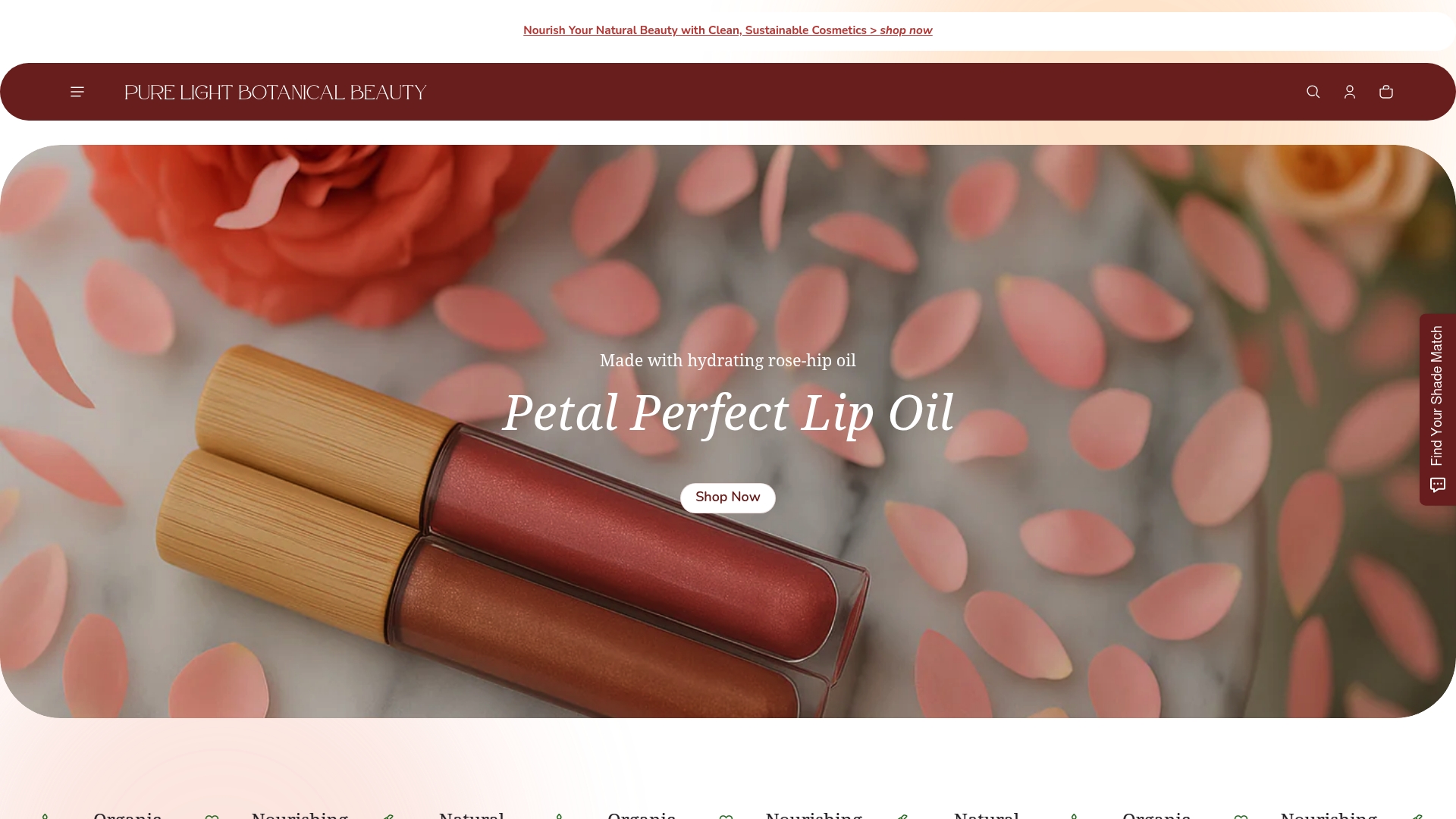
The brand’s commitment extends beyond product formulations to encompass transparent sourcing, ethical production, and measurable environmental responsibility. Their impact initiatives demonstrate how beauty brands can operate as forces for positive change. When you choose Pure Light Botanical Beauty, you invest in products that honor both your skin’s healing journey and the planet’s wellbeing.
FAQ
What ingredients are best for sensitive skin in eco-luxe beauty?
Chamomile, calendula, and oat extract provide gentle anti-inflammatory benefits perfect for reactive skin. Probiotics support microbiome balance while niacinamide strengthens barriers without irritation. Look for hypoallergenic formulations that exclude synthetic fragrances and harsh preservatives, relying instead on naturally derived ingredients that soothe rather than aggravate.
How can I verify if a product is truly eco-luxe?
Check for third-party certifications like ECOCERT for organic verification and Leaping Bunny for cruelty-free confirmation. Examine whether brands provide detailed sourcing information and transparent ingredient lists. Genuine eco-luxe products feature small-batch production, refillable packaging, and clear documentation of sustainability practices rather than vague marketing claims.
Is eco-luxe beauty suitable for all skin types?
Eco-luxe formulations work especially well for sensitive, dry, and reactive skin types that benefit from gentle botanical ingredients. However, individual responses vary since natural ingredients can still trigger allergies in some people. Always perform patch tests before full application, and remember that oily or acne-prone skin may require different botanical blends than dry sensitive skin.
What are the environmental benefits of choosing eco-luxe beauty?
Small-batch production minimizes waste while refillable packaging dramatically reduces single-use plastic consumption. Ethical ingredient sourcing protects biodiversity by supporting sustainable farming practices that avoid harmful pesticides. Carbon-neutral shipping and recyclable materials further reduce environmental footprint, making each purchase an investment in planetary health alongside personal beauty.
Recommended
- Eco-Conscious Beauty: Nurturing Skin and Planet – Pure Light Botanical Beauty
- Plant-Powered Beauty Benefits: Healing From Nature – Pure Light Botanical Beauty
- Plant-Based Beauty: Transformative Benefits for Sensitive Skin – Pure Light Botanical Beauty
- Beauty as Healing: Transforming Skin and Soul – Pure Light Botanical Beauty