

Finding gentle and effective self-care can feel overwhelming when you have sensitive skin, especially if conditions like eczema leave you searching for comfort and healing. Beauty rituals today go beyond surface treatments, weaving together intentional skincare and emotional well-being for a more holistic experience. Discover how self-awareness and intentional practices can transform your daily beauty routine into a soothing ritual that nurtures both mind and body, using natural ingredients trusted across Korean, Japanese, and Indian traditions.
Table of Contents
- Defining Self-Care In Modern Beauty
- Types Of Beauty Self-Care Rituals
- Holistic Benefits For Skin And Mind
- Botanical Ingredients For Sensitive Skin
- Risks And Common Misconceptions In Beauty Self-Care
Key Takeaways
| Point | Details |
|---|---|
| Holistic Approach to Beauty | Modern beauty self-care integrates physical and emotional wellness, emphasizing the connection between external appearances and internal health. |
| Intentional Beauty Rituals | Personalized rituals should prioritize mindfulness, transforming daily routines into moments of self-care and reflection. |
| Botanical Ingredients for Healing | Utilizing botanical ingredients supports sensitive skin through natural healing properties, enhancing both skin health and emotional well-being. |
| Understanding Misconceptions | Be aware of common beauty self-care myths that can undermine genuine wellness, promoting a more informed and compassionate approach. |
Defining Self-Care in Modern Beauty
Self-care in beauty has transformed from a superficial practice to a profound journey of holistic wellness, transcending traditional cosmetic routines. Modern beauty is no longer just about external appearance, but represents a deliberate practice of nurturing both physical and emotional well-being.
At its core, contemporary self-care integrates multiple dimensions of personal health, recognizing that true beauty emerges from intentional, mindful practices. Identity in beauty involves understanding that our skincare and beauty rituals are deeply connected to our emotional landscape.
Key aspects of modern beauty self-care include:
- Prioritizing mental and emotional wellness alongside physical appearance
- Selecting products that support skin health and personal healing
- Creating intentional beauty rituals that promote inner calm
- Understanding the connection between external care and internal balance
Research highlights that self-care is fundamentally about self-awareness and intentional practices. It’s a proactive approach that empowers individuals to take control of their physical and emotional health through mindful beauty routines.
Self-care represents the ability to consciously care for oneself through awareness, self-control, and self-reliance to achieve optimal well-being.
Pro tip: Create a daily beauty ritual that feels like a nurturing meditation, transforming routine into a moment of personal connection and healing.
Types of Beauty Self-Care Rituals
Beauty self-care rituals represent a profound spectrum of practices that extend far beyond traditional skincare routines, encompassing holistic approaches to personal wellness and emotional healing. These rituals are deeply personal, culturally influenced practices that integrate physical care with mental and spiritual nourishment.
Understanding natural beauty rituals reveals the intricate connections between external care and internal balance. Modern beauty self-care can be categorized into several transformative approaches:
-
Mindful Skincare Practices
- Slow, intentional cleansing techniques
- Meditation-inspired application methods
- Rhythmic massage and facial movements
-
Emotional Healing Rituals
- Aromatherapy-based beauty treatments
- Stress-reduction through beauty routines
- Visualization and positive affirmation techniques
-
Cultural and Holistic Approaches
- Traditional herbal treatments
- Ayurvedic and Eastern wellness practices
- Seasonal skin and body care adaptations
Global beauty traditions demonstrate that self-care rituals are not merely cosmetic interventions, but comprehensive wellness experiences that nurture the body, mind, and spirit. From Korean multi-step skincare to Japanese bath rituals, these practices reflect deep cultural wisdom about holistic personal care.
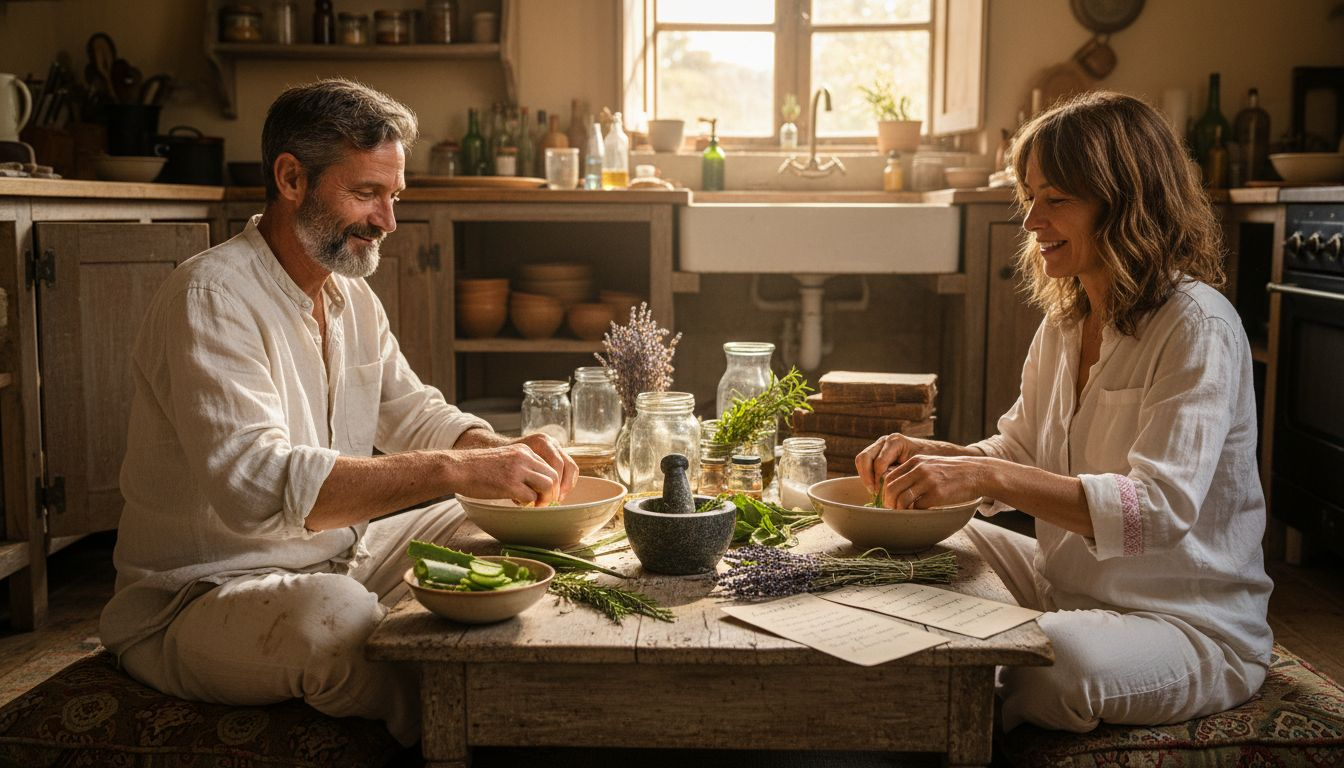
Here’s a comparison of global beauty rituals and their impact on holistic wellness:
| Country/Culture | Typical Beauty Ritual | Holistic Benefit | Unique Aspect |
|---|---|---|---|
| Korea | Multi-step skincare regimen | Balances hydration and clarity | Emphasizes gentle layering |
| Japan | Hot bath (onsen) ceremonies | Promotes relaxation and healing | Connects physical care to mindfulness |
| India | Ayurvedic oil massage | Restores energy and skin glow | Aligns ritual to body constitution |
| Scandinavia | Sauna followed by cold plunge | Boosts circulation and stress relief | Cycle of heat and cold |
Self-care beauty rituals represent a sacred dialogue between an individual and their own well-being, transcending surface-level aesthetics.
Pro tip: Design a personalized beauty ritual that feels like a gentle, loving conversation with yourself, incorporating mindful moments of connection and intentional care.
Holistic Benefits for Skin and Mind
Holistic beauty transcends traditional skincare, recognizing the profound interconnection between mental well-being and physical appearance. What is mindful beauty reveals a transformative approach that views skin health as a reflection of our internal emotional landscape.
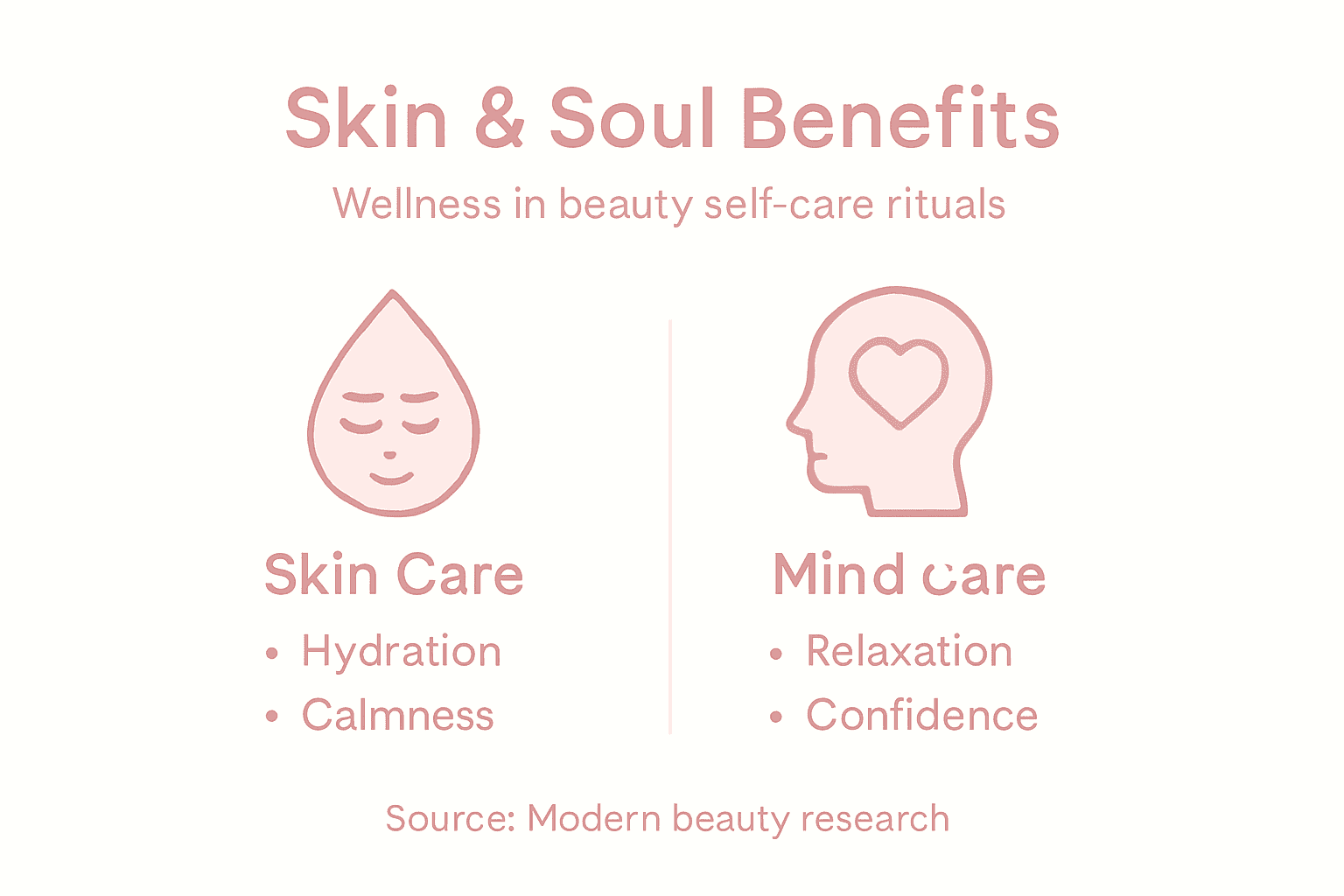
The emerging field of psychodermatology demonstrates how emotional states directly impact skin conditions, highlighting the intricate mind-body connection. This scientific understanding emphasizes that true skin healing involves addressing both external symptoms and internal emotional triggers:
-
Emotional Stress Indicators
- Increased inflammation
- Accelerated aging
- Compromised skin barrier function
-
Mental Well-being Benefits
- Reduced cortisol levels
- Enhanced self-perception
- Improved stress resilience
-
Holistic Healing Mechanisms
- Mindfulness practices
- Emotional regulation techniques
- Integrative wellness approaches
Modern research confirms that skin is not just an external organ, but a dynamic communication system reflecting our internal health. Stress, anxiety, and emotional imbalances can manifest as skin sensitivity, breakouts, and accelerated aging, underscoring the importance of a comprehensive wellness approach.
Skin is a mirror of our internal landscape, revealing the delicate balance between emotional well-being and physical health.
Pro tip: Create a daily mindfulness practice that includes both emotional reflection and gentle skincare, treating your routine as a holistic healing ritual.
Botanical Ingredients for Sensitive Skin
Navigating the world of skincare for sensitive skin requires a nuanced understanding of botanical ingredients that offer gentle, healing properties. Why botanical ingredients matter reveals the transformative potential of plant-based solutions designed to soothe and protect delicate skin conditions.
The power of botanical ingredients lies in their complex molecular structures that provide multi-dimensional healing. Unlike synthetic alternatives, these natural compounds work harmoniously with the skin’s innate repair mechanisms, addressing inflammation, sensitivity, and barrier dysfunction through targeted botanical actions:
-
Anti-Inflammatory Botanicals
- Chamomile extract
- Calendula
- Aloe vera
-
Skin Barrier Strengthening Ingredients
- Green tea extract
- Centella asiatica
- Licorice root
-
Hydration and Soothing Compounds
- Jojoba oil
- Rose hip seed oil
- Squalane from plant sources
Modern scientific research confirms that botanical ingredients are not merely aesthetic additions but sophisticated healing agents. Their complex phytochemical profiles provide targeted support for sensitive skin, reducing inflammation, supporting cellular regeneration, and protecting against environmental stressors.
Botanical ingredients represent nature’s most advanced skincare technology, offering healing that goes beyond surface-level treatment.
Pro tip: Introduce botanical ingredients gradually into your skincare routine, patch testing each new ingredient to understand how your unique skin responds to natural healing compounds.
Risks and Common Misconceptions in Beauty Self-Care
Beauty self-care is often misunderstood as a superficial practice, when in reality it represents a profound approach to holistic wellness. Clean beauty myths for sensitive skin seekers reveal the complex landscape of misconceptions that can potentially harm rather than heal.
Several critical misconceptions distort the true essence of beauty self-care, creating potentially dangerous narratives about personal wellness. These misunderstandings can lead individuals away from genuine healing and toward harmful practices:
-
Toxic Marketing Myths
- Equating expensive products with effectiveness
- Believing all natural ingredients are automatically safe
- Assuming more complex routines yield better results
-
Psychological Misconceptions
- Viewing self-care as selfish or indulgent
- Treating beauty rituals as superficial activities
- Disconnecting emotional well-being from physical care
-
Health and Safety Risks
- Ignoring individual skin sensitivities
- Overlooking potential ingredient interactions
- Failing to understand personal skin microbiome
Modern research emphasizes that authentic self-care transcends cosmetic appearances, focusing instead on comprehensive personal wellness. The risks of misunderstanding self-care extend beyond surface-level concerns, potentially impacting mental health, emotional resilience, and overall physiological balance.
Here is a summary of common misconceptions versus the reality of beauty self-care:
| Misconception | Reality | Consequence if Ignored |
|---|---|---|
| Expensive products always work best | Effectiveness depends on ingredients and skin | Wasted money, potential irritation |
| Natural means always safe | Some botanicals may trigger allergies | Increased sensitivity or reactions |
| Self-care is selfish or superficial | Self-care is essential for overall well-being | Neglect of mental and physical health |
True self-care is not about perfection, but about intentional, compassionate personal nurturing.
Pro tip: Develop a critical, personalized approach to beauty self-care by researching ingredients, understanding your unique skin needs, and prioritizing holistic wellness over trendy marketing narratives.
Embrace True Self-Care with Pure Light Botanical Beauty
The article reveals how modern self-care in beauty goes beyond surface-level routines to nurture both skin and soul. If you struggle with sensitive skin or conditions like eczema, or seek mindful beauty rituals that reflect holistic wellness, you understand the challenge of finding products that heal and comfort without compromise. Pure Light Botanical Beauty offers carefully crafted botanical formulas designed to support sensitive skin, strengthen your skin barrier, and honor your emotional well-being through every application.
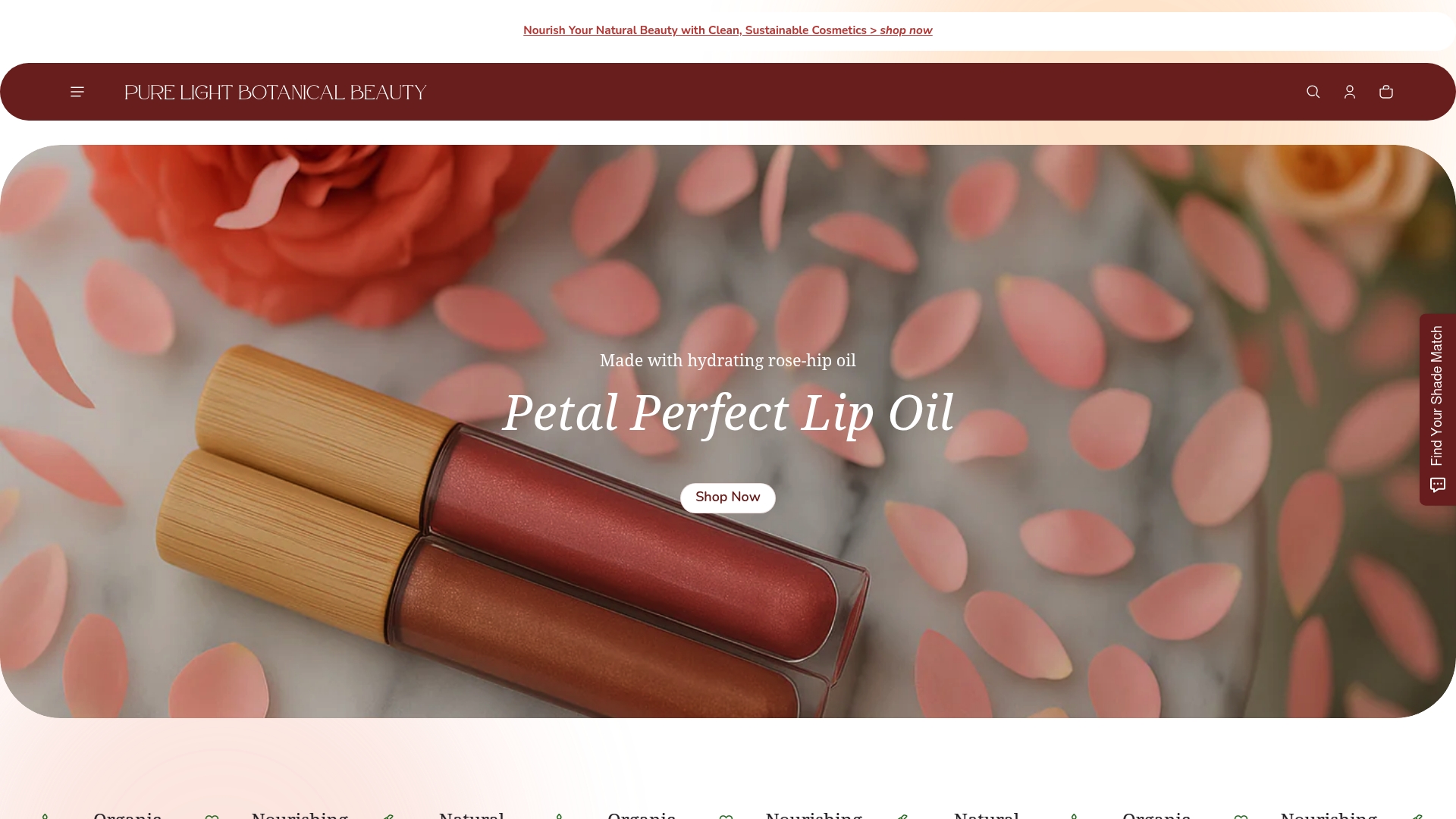
Discover the power of clean, plant-based ingredients in products like Petal Perfect Lip Oil and Botanical Crème Blush. These offerings bring together the artistry of makeup with healing botanicals to create a ritual of nourishment and confidence. Start transforming your beauty routine into a soulful practice today at Pure Light Botanical Beauty. Learn more about how botanical ingredients soothe sensitive skin and embrace beauty as an act of self-love and healing.
Frequently Asked Questions
What is self-care in beauty?
Self-care in beauty refers to the holistic practice of nurturing both your physical appearance and emotional well-being through intentional and mindful beauty rituals.
How can I incorporate mindfulness into my skincare routine?
Incorporate mindfulness by slowing down your skincare process, focusing on each step, and treating it as a meditative experience. Use techniques like rhythmic massage and positive affirmations during application.
What are the benefits of using botanical ingredients in skincare?
Botanical ingredients offer healing properties such as anti-inflammation, hydration, and skin barrier strengthening. They work harmoniously with the skin’s natural repair processes to soothe and protect sensitive skin.
How can I create a personalized beauty ritual?
Design your beauty ritual by integrating techniques that promote mental and emotional wellness, such as slow application, aromatherapy, and integrating cultural practices that resonate with you.
Recommended
- Identity in Beauty: Embracing Authentic Self-Care – Pure Light Botanical Beauty
- What Is Beauty From Within? Complete Guide – Pure Light Botanical Beauty
- Why Beauty Inside Out: Complete Guide to Holistic Glow – Pure Light Botanical Beauty
- Natural Beauty Routine Steps for Radiant, Healed Skin – Pure Light Botanical Beauty
- My Haircare Routine 2025: Simple Yet Effective Steps | MyHair