

Finding beauty rituals that truly honor sensitive skin can feel overwhelming when every product promises miracles but delivers irritation instead. For women who want their self-care to celebrate both wellness and individuality, understanding the connection between beauty and identity opens new doors. This article shines a light on the profound link between holistic practices, authentic self-expression, and gentle, botanical solutions so you can nurture your unique beauty with confidence.
Table of Contents
- Defining Identity In Beauty And Wellness
- Types Of Beauty Identity: Self, Culture, And Ritual
- Holistic Beauty: Integrating Mind, Body, And Skin
- Botanical Ingredients For Healing Sensitive Skin
- Empowerment Through Authentic Beauty Rituals
Key Takeaways
| Point | Details |
|---|---|
| Identity Shapes Beauty | Beauty is a personal journey influenced by cultural backgrounds and individual wellness approaches, highlighting the connection between self-expression and identity. |
| Holistic Approach is Essential | True beauty incorporates mental, physical, and emotional wellness, emphasizing the need for a balanced approach to beauty practices. |
| Rituals Empower Self-Expression | Authentic beauty rituals act as powerful means for individuals to challenge societal standards and celebrate their unique identities. |
| Botanical Care for Sensitive Skin | Plant-based ingredients offer gentle healing solutions for sensitive skin, focusing on holistic care that respects natural balance. |
Defining Identity in Beauty and Wellness
Beauty and wellness represent deeply personal journeys that extend far beyond surface-level aesthetics. Identity in beauty is a complex, dynamic process where individuals construct meaningful narratives about themselves through physical and emotional self-expression. Recent psychological research reveals that beauty perceptions are intimately linked with personal values, cultural backgrounds, and individual wellness approaches.
The intersection of beauty and identity involves understanding how external appearance connects with internal experiences. The role of wellness in makeup demonstrates that beauty practices are not merely cosmetic but profound acts of self-definition. Research indicates that beauty rituals serve as powerful mechanisms for individuals to communicate their sense of self, cultural heritage, and personal empowerment.
Understanding identity in beauty requires recognizing its multidimensional nature. Cultural backgrounds, generational perspectives, and personal experiences shape how individuals perceive and engage with beauty practices. Some view beauty as a form of artistic self-expression, while others see it as a pathway to holistic wellness and emotional healing. These diverse perspectives highlight beauty’s role as a deeply personal and transformative experience that goes beyond traditional aesthetic standards.
Pro tip: Create a personal beauty ritual that reflects your authentic self, focusing on practices that make you feel genuinely empowered and connected to your inner identity.
Types of Beauty Identity: Self, Culture, and Ritual
Beauty identity emerges through three profound interconnected dimensions: personal self, cultural context, and ritualistic expression. Each dimension represents a unique lens through which individuals construct and communicate their authentic beauty narrative. Personal self represents the internal perception and emotional landscape, while cultural context provides the broader framework of societal expectations and heritage influences.
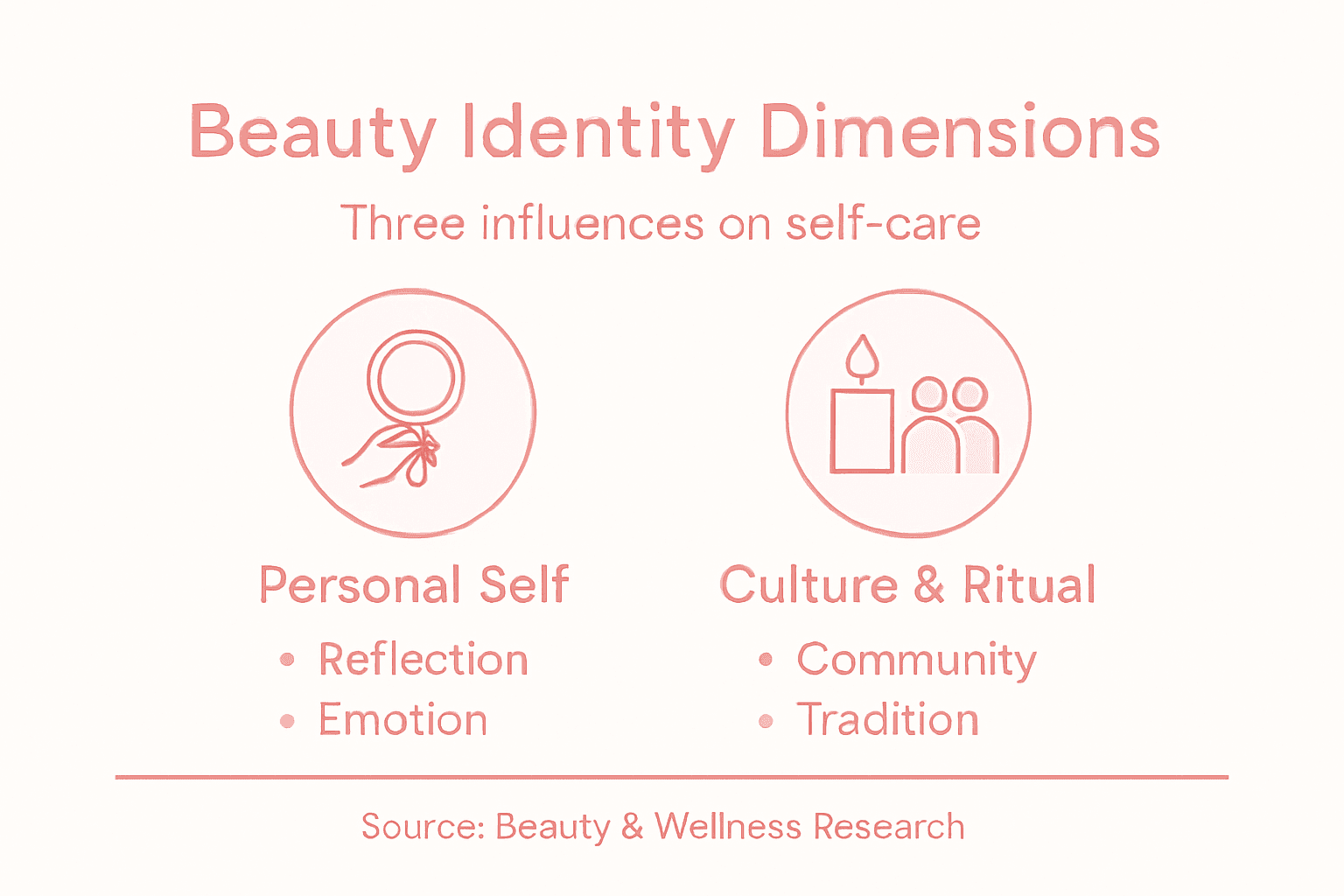
The personal self dimension of beauty identity is deeply introspective, involving how individuals perceive their unique attributes and inherent worth. Understanding natural beauty rituals reveals that personal beauty practices are not simply cosmetic choices but intentional acts of self-affirmation. Research demonstrates that individuals develop beauty identities as complex emotional responses to their lived experiences, personal values, and internal sense of dignity.
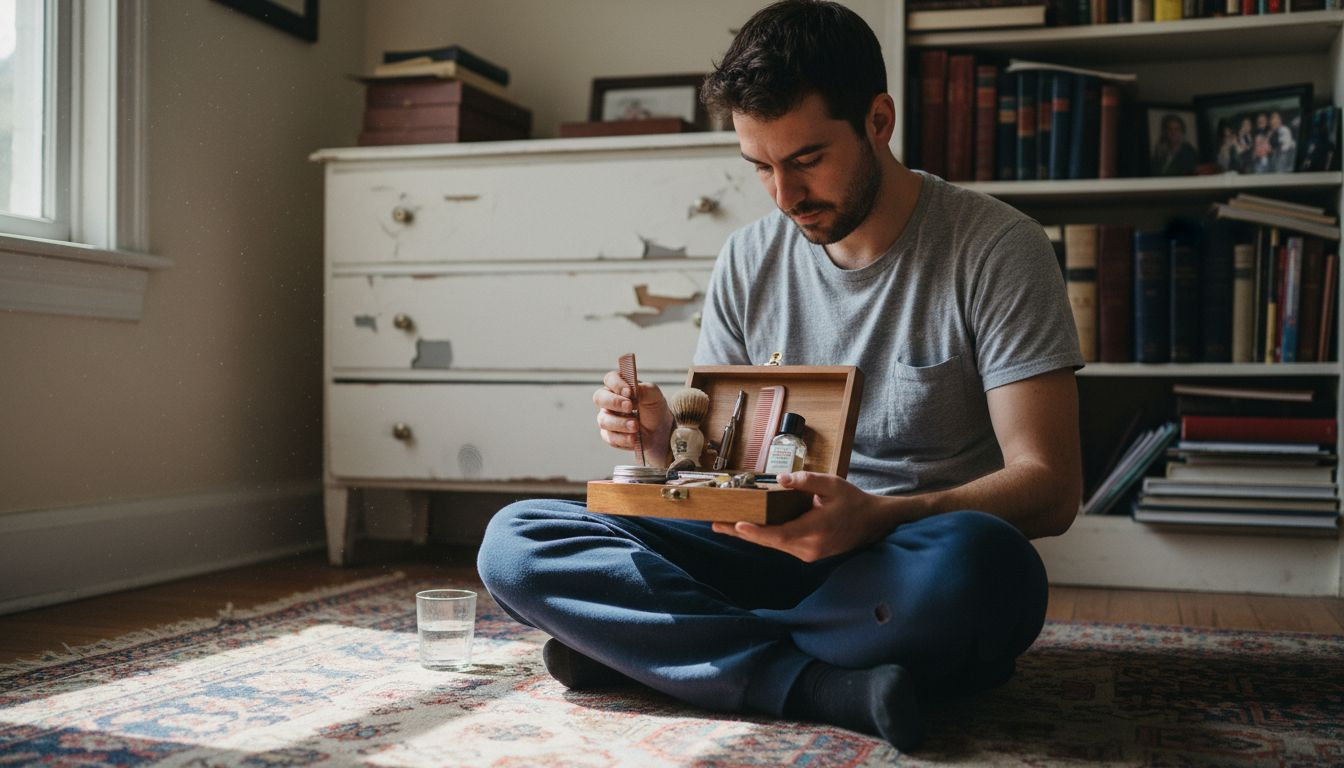
Cultural and ritualistic dimensions of beauty identity represent powerful mechanisms of collective and individual expression. Historical and anthropological studies highlight how beauty rituals transcend mere aesthetic practices, functioning as profound communication systems that encode cultural memories, resistance narratives, and community belonging. From traditional Indigenous makeup techniques to contemporary natural hair movements, beauty rituals serve as dynamic platforms for expressing racial, ethnic, and personal identities.
Pro tip: Explore your personal beauty identity by documenting your current beauty practices, reflecting on their emotional significance and cultural roots.
Here is a summary of the three core dimensions of beauty identity:
| Dimension | Focus Area | Primary Influence |
|---|---|---|
| Personal Self | Internal perception | Emotions and self-worth |
| Cultural Context | Societal and heritage | Traditions and upbringing |
| Ritual Expression | Beauty practices | Daily habits and meaning |
Holistic Beauty: Integrating Mind, Body, and Skin
Holistic beauty represents a transformative approach that transcends traditional cosmetic practices, viewing beauty as an interconnected experience of mental, physical, and emotional wellness. This comprehensive perspective recognizes that true radiance emerges from nurturing the entire self, not just external appearance. Why beauty inside out matters illuminates how internal well-being directly influences our external manifestation of beauty.
The mind-body-skin connection forms the core of holistic beauty philosophy. Psychological states profoundly impact skin health, with stress, emotional experiences, and mental well-being directly influencing physiological responses. Research demonstrates that chronic stress can trigger inflammatory skin conditions, accelerate aging, and disrupt natural healing processes. Conversely, positive mental states can enhance skin resilience, promote cellular regeneration, and support overall dermatological health.
Integrating holistic practices requires a multidimensional approach that balances nutrition, mental health, skincare, and emotional wellness. This means recognizing beauty as a dynamic interplay between internal nutrients, mental clarity, emotional balance, and targeted skincare interventions. Modern wellness trends increasingly emphasize personalized, sustainable beauty solutions that address individual needs while promoting comprehensive health and authentic self-expression.
Pro tip: Create a daily wellness ritual that synchronizes mental relaxation, nutritious intake, and mindful skincare to cultivate holistic beauty from the inside out.
Botanical Ingredients for Healing Sensitive Skin
Sensitive skin demands a nuanced approach to healing, where botanical ingredients emerge as powerful allies in restoring skin balance and resilience. The intricate world of plant-based remedies offers sophisticated solutions that go beyond traditional skincare, addressing the underlying causes of skin sensitivity through gentle, targeted interventions. 7 Botanical Ingredients List for Sensitive Skin Relief reveals the transformative potential of nature-derived compounds in supporting skin health.
Scientific research demonstrates that botanical ingredients possess remarkable healing properties specifically tailored to sensitive skin conditions. These plant-based extracts contain complex molecular structures with anti-inflammatory, antioxidant, and regenerative capabilities that work harmoniously with the skin’s natural healing mechanisms. Compounds like chamomile, calendula, and aloe vera have been clinically shown to reduce inflammation, calm irritation, and support the skin’s protective barrier function without introducing harsh synthetic chemicals.
Understanding the unique characteristics of botanical ingredients requires recognizing their holistic approach to skin wellness. Unlike synthetic treatments that often mask symptoms, botanical extracts address skin sensitivity at its root, promoting cellular regeneration, reducing oxidative stress, and supporting the skin’s intrinsic ability to heal and protect itself. This approach acknowledges that sensitive skin is not a weakness but a complex system requiring gentle, intelligent care that respects the skin’s natural intelligence and balance.
The table below contrasts botanical and synthetic approaches to sensitive skin care:
| Approach | Key Benefit | Potential Drawback |
|---|---|---|
| Botanical | Supports gentle healing | Results may take longer |
| Synthetic | Immediate symptom relief | May irritate sensitive skin |
Pro tip: Introduce botanical ingredients gradually into your skincare routine, observing how your skin responds and allowing time for natural healing and adaptation.
Empowerment Through Authentic Beauty Rituals
Authentic beauty rituals transcend mere cosmetic practices, emerging as powerful acts of personal agency and self-expression. These intentional moments of self-care represent profound opportunities for individuals to reclaim their narrative, challenging restrictive societal beauty standards and celebrating individual identity. Role of Authenticity in Cosmetics illuminates how personal beauty practices can become transformative experiences of empowerment and self-definition.
Research demonstrates that beauty rituals function as dynamic platforms for asserting personal autonomy. When approached as creative self-expression rather than conformative practices, these rituals become mechanisms for building confidence and challenging external expectations. The process involves consciously selecting beauty practices that resonate with individual values, cultural heritage, and personal aesthetic, thereby transforming makeup and skincare from external performance to internal affirmation.
Authentic beauty rituals require deep personal reflection and intentionality. They demand moving beyond prescribed beauty ideals and creating personalized practices that genuinely reflect individual identity. This approach recognizes beauty as a multifaceted experience encompassing emotional well-being, cultural expression, and personal storytelling. By treating beauty rituals as acts of self-love and personal sovereignty, individuals can develop more meaningful, empowering relationships with their appearance and sense of self.
Pro tip: Create a beauty ritual that honors your unique identity by selecting products and techniques that genuinely make you feel confident and authentic.
Embrace Your Authentic Beauty Identity with Pure Light Botanical Beauty
The journey to embracing your authentic self through beauty begins with rituals that nourish both skin and spirit. This article highlights the importance of connecting personal identity with beauty practices and how sensitive skin deserves gentle, healing care crafted from nature. If you seek products that align with your values while supporting sensitive skin and wellness, Pure Light Botanical Beauty offers thoughtful solutions designed to nurture your unique beauty story. Our clean, plant-based formulas celebrate holistic health and empower you to create moments of self-love and confidence every day.
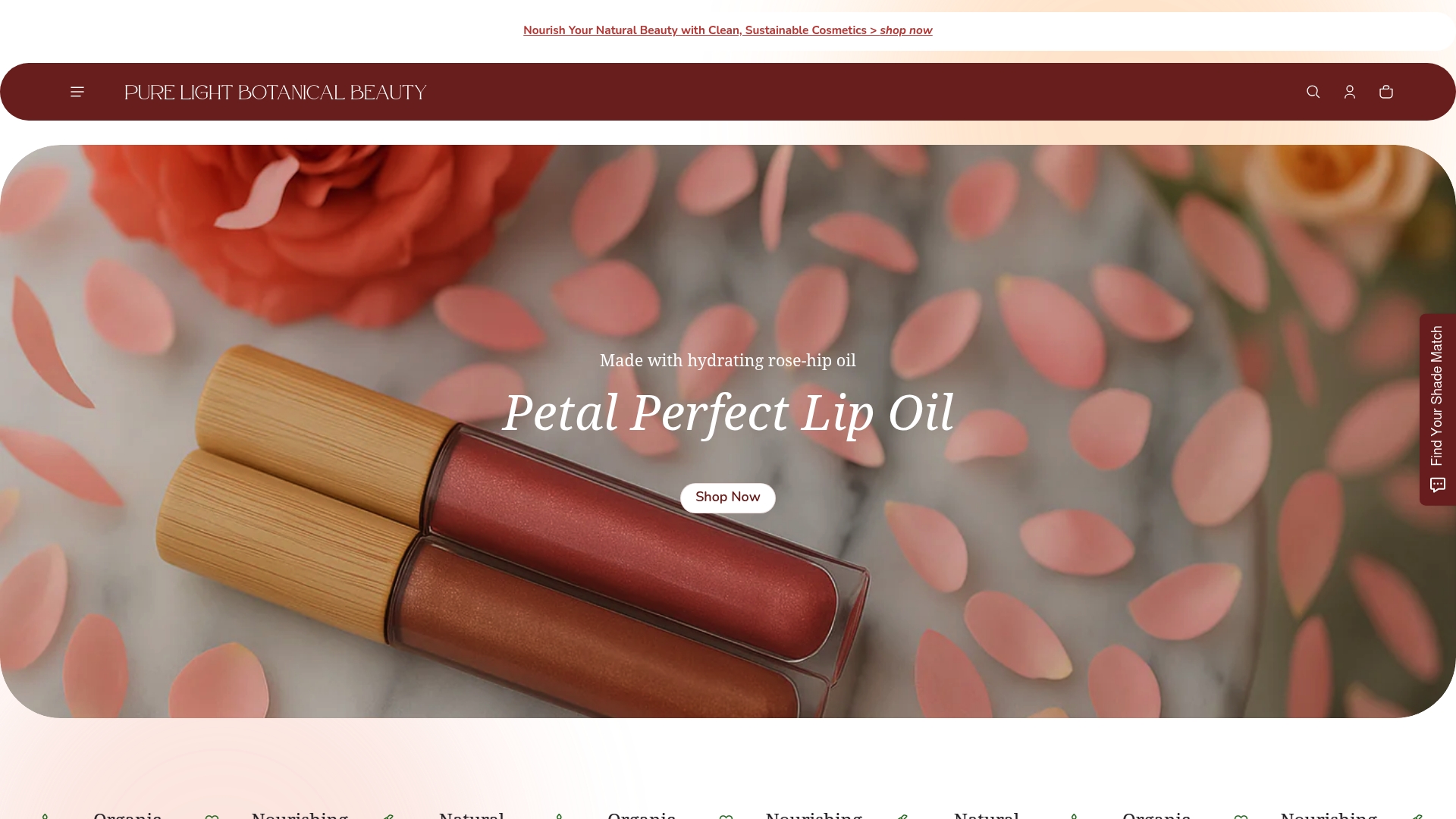
Discover how you can transform your beauty rituals into empowering acts of self-care by exploring the Pure Light Botanical Beauty collection. Each product is crafted with botanical ingredients that respect your skin’s natural balance and honor your personal identity. Start your journey today and let your natural light shine through with every application.
Frequently Asked Questions
What is beauty identity?
Beauty identity is the way individuals perceive and express their unique beauty, shaped by personal experiences, cultural backgrounds, and emotional responses.
How can I create an authentic beauty ritual?
To create an authentic beauty ritual, choose practices that resonate with your values and make you feel empowered, focusing on what reflects your true self.
Why are botanical ingredients important for sensitive skin?
Botanical ingredients are important for sensitive skin because they offer gentle, healing properties that help restore balance and resilience without harsh chemicals.
How does holistic beauty differ from traditional beauty practices?
Holistic beauty focuses on the interconnectedness of mental, physical, and emotional wellness, viewing beauty as a comprehensive experience rather than just external appearance.
Recommended
- What Is Confidence in Beauty? Complete Guide – Pure Light Botanical Beauty
- Why Beauty Inside Out: Complete Guide to Holistic Glow – Pure Light Botanical Beauty
- What Is Beauty From Within? Complete Guide – Pure Light Botanical Beauty
- Benefits of Mindful Beauty: Complete Guide for 2025 – Pure Light Botanical Beauty
- My Haircare Routine 2025: Simple Yet Effective Steps | MyHair