

TL;DR:
- Calming cosmetics reduce inflammation and support the skin barrier, using ingredients like niacinamide and ceramides.
- Identifying individual triggers and reading labels carefully helps select truly soothing products for sensitive skin.
- Building a gentle, intentional routine and monitoring skin response fosters sustainable skin health.
You reach for your favorite blush, smooth it on, and within minutes your cheeks are burning. Sound familiar? For women with sensitive skin, the daily beauty routine can feel like walking through a minefield. You want to look radiant and feel confident, but so many products leave you red, itchy, or inflamed. The good news is that calming cosmetics actually exist, and choosing them doesn’t have to be guesswork. This guide walks you through the science, the label-reading skills, and the daily rituals that make beauty feel like healing rather than a risk.
Table of Contents
- Understanding calm: What makes cosmetics soothing for sensitive skin?
- Step 1: Identify your triggers and set your calming goals
- Step 2: Decode labels and ingredient lists for safe choices
- Step 3: Build a holistic calming beauty ritual
- How to test and refine your calming cosmetics routine
- Our perspective: Why true calm combines science, self-awareness, and ritual
- Discover calming, clean beauty for your sensitive skin
- Frequently asked questions
Key Takeaways
| Point | Details |
|---|---|
| Look for calming actives | Niacinamide, ceramides, and mineral sunscreen are ideal ingredients for soothing and protecting sensitive skin. |
| Prioritize evidence-backed picks | HRIPT scores and clinical studies can help you find non-irritating, truly calming cosmetics. |
| Personalize your routine | Identify individual triggers and build a beauty ritual that enhances comfort and confidence. |
| Master ingredient label reading | Learning to decode cosmetic labels helps you avoid common irritants and marketing hype. |
Understanding calm: What makes cosmetics soothing for sensitive skin?
The word “calming” gets used a lot in beauty marketing, but what does it actually mean for your skin? In the context of cosmetics, a calming product is one that reduces inflammation, supports your skin’s natural barrier, and avoids ingredients that trigger immune or allergic responses. It’s not just about what a product leaves out. It’s equally about what it puts in.
Sensitive skin tends to have a compromised barrier, meaning moisture escapes more easily and irritants get in more readily. This is why the right ingredients aren’t a luxury. They’re a necessity. A few standout ingredients have strong research behind them:
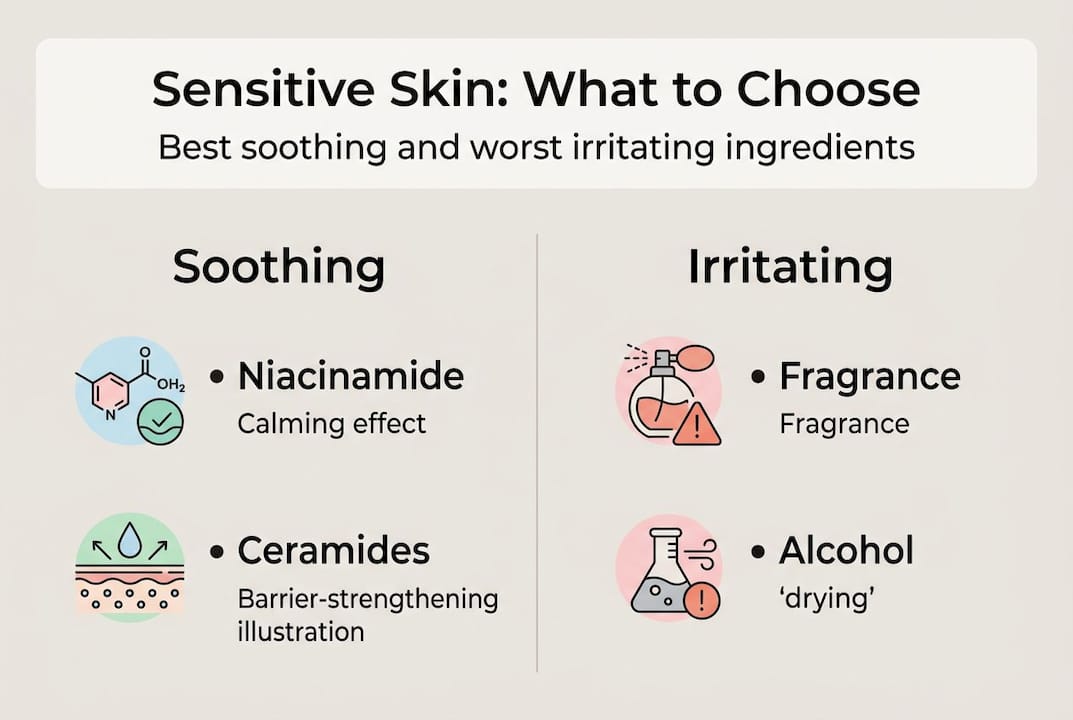
- Niacinamide: Reduces redness, minimizes pores, and strengthens the skin barrier
- Ceramides: Lipid molecules that restore and maintain the skin’s protective layer
- Zinc oxide: A mineral UV filter that sits on top of skin rather than absorbing into it, making it far gentler than chemical sunscreens
- Aloe vera and oat extract: Plant-based soothers with anti-inflammatory properties
- Hyaluronic acid: Draws moisture into skin without clogging pores
On the flip side, certain ingredients are notorious for causing reactions in sensitive skin. Synthetic fragrances top the list, followed by harsh preservatives like formaldehyde-releasing agents, denatured alcohol, and artificial dyes. These are common in conventional cosmetics and often hidden under vague label terms.
“Fragrance is the number one cause of allergic contact dermatitis from cosmetics. If you have sensitive skin, fragrance-free is non-negotiable.”
A Delphi study on calm ingredients confirms that dermatologists recommend niacinamide for redness and mineral sunscreens for sensitive skin protection. That kind of expert consensus matters when you’re sorting through hundreds of products.
Here’s a quick comparison of soothing versus irritating ingredient categories:
| Soothing ingredients | Irritating ingredients |
|---|---|
| Niacinamide | Synthetic fragrance |
| Ceramides | Denatured alcohol |
| Zinc oxide | Parabens |
| Oat extract | Artificial dyes |
| Hyaluronic acid | Phthalates |
If you’re just starting your journey into gentler beauty, choosing clean beauty is a great place to begin building your knowledge base.
Step 1: Identify your triggers and set your calming goals
Knowing which ingredients are generally soothing is helpful, but sensitive skin is personal. What inflames your skin may be completely fine for someone else. That’s why identifying your specific triggers is the first real step toward relief.
Common culprits include synthetic fragrance, denatured alcohol, certain preservatives, and even some natural essential oils. But triggers can also be environmental, like cold weather or hard water, which interact with your cosmetics to worsen reactions. Start by thinking back to the last time your skin reacted. What product were you using? Was it a new formula or an old one with a reformulation?
Signs that a product is irritating your skin include:
- Redness or flushing within minutes of application
- Stinging, burning, or tingling that doesn’t fade
- Dryness or tightness after use
- Breakouts concentrated where you applied the product
- Itching or hives in more severe cases
Once you recognize your triggers, you can set clearer goals. Maybe you want to cover redness without adding more. Maybe you need a formula that hydrates while it colors. Or perhaps your priority is protecting your skin barrier while still wearing a little makeup. These goals shape every product choice you make.
Patch testing is your best friend here. Before applying anything new to your face, dab a small amount on your inner wrist or behind your ear. Wait 24 to 48 hours. HRIPT studies (Human Repeat Insult Patch Tests) show that products with low irritation scores are significantly safer for repeated use on sensitive skin. Look for this kind of clinical testing on product pages.

Pro Tip: Keep a simple skin diary. Note the products you use each day and any reactions you notice. Patterns will emerge faster than you expect, and you’ll have real data to guide your choices.
For a curated starting point, explore non-toxic beauty must-haves and best beauty products specifically formulated for reactive skin types.
Step 2: Decode labels and ingredient lists for safe choices
Reading a cosmetic label can feel like decoding a foreign language. But once you know what to look for, it becomes second nature. And it’s one of the most powerful skills you can develop for protecting your skin.
Start with these trustworthy label signals:
- Fragrance-free: Means no added fragrance compounds, not just unscented
- Mineral-based: Indicates physical UV filters or pigments, generally gentler
- Hypoallergenic: Suggests reduced allergen risk, though not regulated, so pair it with ingredient scrutiny
- Dermatologist tested: Means a dermatologist reviewed the formula, though testing rigor varies
- Non-comedogenic: Won’t clog pores, important for acne-prone sensitive skin
Now look at the actual ingredient list. Ingredients are listed from highest to lowest concentration. If niacinamide or ceramides appear in the first five ingredients, that’s a meaningful amount. If they’re near the bottom, they’re mostly decorative.
Pro Tip: Download a free ingredient-checker app like INCI Decoder or CosDNA. You can scan or paste ingredient lists and instantly flag potential irritants.
A NBC study on product irritation rates tested over 100 products and confirmed that ceramides and niacinamide deliver real results without triggering reactions in sensitive skin.
Here’s a table to help you separate misleading claims from trustworthy ones:
| Misleading claim | What it actually means | Trustworthy alternative |
|---|---|---|
| “Natural” | No legal definition | Full ingredient transparency |
| “Unscented” | May contain masking fragrance | “Fragrance-free” |
| “Gentle” | Marketing term only | HRIPT tested, low irritation score |
| “Hypoallergenic” | Not regulated | Clinically tested, allergen-free list |
For deeper guidance on reading labels confidently, check out our guide on choosing natural makeup and explore clean beauty routine ideas that take the guesswork out of product selection.
Step 3: Build a holistic calming beauty ritual
Knowing your ingredients is only half the picture. How you apply your products, in what order, and with what intention matters just as much. A calming beauty ritual isn’t just a skincare routine. It’s a daily act of self-care that supports your skin and your nervous system at the same time.
Here’s a gentle, effective order of application for sensitive skin:
- Gentle cleanser: Remove impurities without stripping natural oils
- Hydrating serum: Lock in moisture and deliver active ingredients like niacinamide
- Calming moisturizer: Reinforce the skin barrier with ceramides and soothing botanicals
- Mineral SPF: Protect with zinc oxide or titanium dioxide, never skip this step
- Soothing mineral makeup: Tinted moisturizers, mineral blush, or a light coverage foundation
Layering in this order allows each product to do its job without interference. Applying makeup directly over bare skin, without that protective moisture layer, can actually worsen sensitivity over time.
Multitasking products are a gift for sensitive skin. A tinted SPF with ceramides can enhance beauty and soothe at the same time, cutting down the number of products your skin has to process. Fewer products mean fewer potential triggers.
Pro Tip: Apply products with your fingertips using soft, upward strokes rather than rubbing or pulling. This reduces mechanical irritation and feels genuinely luxurious.
For a step-by-step approach, our guide on mindful makeup for sensitive skin walks you through each stage with care. You can also explore holistic beauty routines that integrate wellness practices alongside your product choices.
How to test and refine your calming cosmetics routine
Building a calming routine is a process, not a one-time event. Your skin changes with seasons, hormones, stress, and age. What works beautifully in summer may need adjusting in winter. Ongoing observation is what separates a routine that truly serves you from one that just sounds good on paper.
Here’s how to track your progress effectively:
- Patch test every new product on your inner wrist for 24 to 48 hours before full use
- Introduce one new product at a time, waiting at least a week before adding another
- Photograph your skin weekly in the same lighting to track visible changes
- Note texture, redness levels, and comfort in a simple journal entry each morning
- Rate your skin’s reaction on a scale of 1 to 5 after each new product introduction
When it comes to clinical benchmarks, products with HRIPT scores under 2 are considered low-irritation and appropriate for repeated use on sensitive skin. This is a meaningful standard to look for when researching new purchases.
Signs your routine is working include reduced redness, less tightness after cleansing, fewer breakouts, and an overall sense of comfort throughout the day. Signs you need to adjust include persistent stinging, new breakouts, or increased dryness.
Pro Tip: If your skin reacts to a product you’ve used before without issue, check whether the formula was recently updated. Brands quietly reformulate products, and a new ingredient can be the hidden culprit.
Know when to seek professional help. If irritation is persistent, widespread, or accompanied by swelling, a dermatologist can help identify contact allergens through patch testing. Explore our makeup for sensitive skin comparison and types of mindful makeup to find formulas worth testing.
Our perspective: Why true calm combines science, self-awareness, and ritual
The beauty industry loves a hero ingredient. Niacinamide had its moment. Ceramides are having theirs. And while these ingredients genuinely work, we’ve seen too many women chase single-ingredient solutions without seeing lasting results. Real calm doesn’t come from one product or one compound.
It comes from the combination of informed choices, honest observation, and consistent ritual. Science tells you which ingredients support your barrier. Self-awareness tells you which ones your particular skin accepts. And ritual, the act of showing up for yourself daily with intention, is what makes it sustainable.
We also believe that the beauty industry underestimates how much stress affects skin sensitivity. Cortisol disrupts the skin barrier just as surely as a harsh preservative does. A calming beauty ritual that slows you down, even by five minutes, is doing more than you might realize.
Stay curious about clean beauty trends but don’t let trends replace your own experience. Your skin’s daily feedback is the most reliable data you have.
Discover calming, clean beauty for your sensitive skin
You now have the tools to choose, apply, and refine a beauty routine that truly honors your sensitive skin. The next step is finding products that match your values and your skin’s needs without compromise.
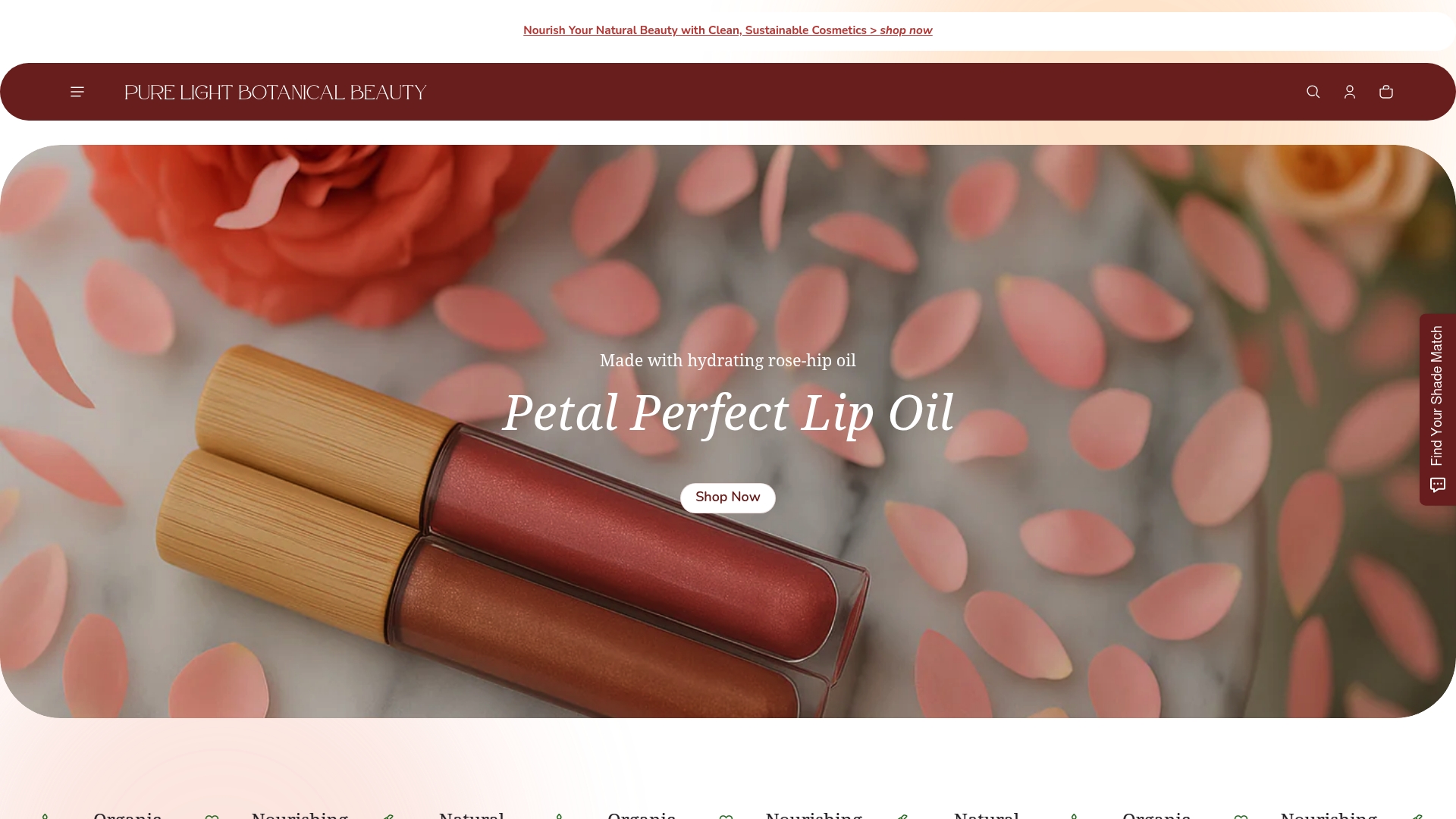
At Pure Light Botanical Beauty, every formula is built around clean, plant-based ingredients that soothe as they beautify. From the Petal Perfect Lip Oil to the Botanical Crème Blush, each product is crafted with the kind of care your skin deserves. No harsh chemicals, no hidden fragrances, no guesswork. Just gentle, effective beauty that feels like a ritual and works like a treatment. Explore the collection and let your skin lead the way.
Frequently asked questions
What ingredients should I absolutely avoid in calming cosmetics?
Avoid fragrances, denatured alcohol, parabens, and phthalates, all of which commonly trigger irritation in sensitive skin. A Delphi study confirms that synthetic fragrances and harsh preservatives are leading causes of cosmetic-related skin reactions.
How can I confirm if a cosmetic is truly calming before buying?
Check for clinical test results like HRIPT scores under 2, look for evidence-based ingredients like niacinamide and ceramides, and patch test if possible. These steps together give you a much clearer picture than marketing claims alone.
Is mineral makeup better for calming and enhancing sensitive skin?
Yes, multitasking mineral makeups with soothing ingredients like ceramides can enhance beauty and calm sensitive skin simultaneously. Mineral pigments and filters sit on top of skin rather than penetrating it, which significantly reduces irritation risk.
How long should I test a new product before using it on my whole face?
Test new cosmetics on a small area for at least 3 days; if there’s no reaction, gradually introduce it to your full routine over the following week.
Can calming cosmetics be effective for skin with both sensitivity and acne?
Yes, many soothing ingredients like niacinamide for redness can help reduce both inflammation and acne breakouts while actively supporting skin barrier health.
Recommended
- Step by Step Mindful Makeup for Sensitive Skin Glow – Pure Light Botanical Beauty
- How to choose botanical ingredients for sensitive skin makeup – Pure Light Botanical Beauty
- How to Choose Clean Beauty for Sensitive Skin Relief – Pure Light Botanical Beauty
- How to Choose Natural Makeup for Sensitive Skin Relief – Pure Light Botanical Beauty