

Finding a lip balm that truly heals sensitive or eczema-prone lips without causing irritation feels nearly impossible. Many products labeled natural still hide synthetic fragrances, parabens, and dyes that trigger flare-ups. This guide teaches you how to evaluate plant-based lip balms using dermatologist-backed criteria, introduces clinically proven healing ingredients like ceramides and calendula, and compares top brands so you can confidently choose a balm that nourishes your lips safely and effectively.
Table of Contents
- Selection Criteria For Natural Lip Balms
- Top Natural Ingredients For Sensitive And Eczema-Prone Lips
- Comparison Of Top Natural Lip Balm Brands
- Expert Recommendations And Dermatologist Insights
- User Experience And Consumer Feedback
- Price And Accessibility Comparison
- Sustainability And Packaging Considerations
- Situational Recommendations: Best Lip Balm Choices For Specific Needs
- Discover Pure Light Botanical Beauty Lip Balms
- Frequently Asked Questions
Key takeaways
| Point | Details |
|---|---|
| Avoid common irritants | Exclude fragrances, parabens, and synthetic dyes to reduce irritation risk by up to 45%. |
| Choose healing botanicals | Seek balms with shea butter, ceramides, and calendula for proven barrier repair and anti-inflammatory benefits. |
| Compare brands carefully | Evaluate ingredient purity, organic certifications, and clinical efficacy data before purchasing. |
| Follow expert guidance | Dermatologists recommend fragrance-free, botanical-rich formulations for eczema-prone lips. |
| Match balm to your needs | Select products based on lip condition severity, time of use, budget, and environmental values. |
Selection criteria for natural lip balms
Choosing a safe, effective lip balm for sensitive or eczema-prone skin requires evaluating ingredients, certifications, and clinical data carefully. Not all products marketed as natural deliver genuine healing without irritation.
Start by eliminating the most common culprits. Lip balms free of fragrance, parabens, and synthetic dyes have a 45% lower incidence of irritation in sensitive skin compared to formulations containing these additives. Fragrances, even natural essential oils, can trigger allergic reactions and worsen eczema.
Next, verify the presence of plant-based healing ingredients. Look for shea butter, ceramides, calendula, and allantoin, which offer emollient, anti-inflammatory, and barrier repair properties. These botanicals address the root causes of lip dryness and eczema rather than simply coating the surface.
Certifications matter. Organic, cruelty-free, and clean beauty certifications ensure ingredient transparency and safety. Products with third-party validation reduce the risk of hidden irritants or misleading natural claims.
Prioritize balms backed by clinical data. Studies showing measurable improvements in moisture retention, inflammation reduction, or barrier function give you confidence in efficacy. Check for allergen warnings and patch test new products if you have a history of reactions.
Finally, consider sustainability. Biodegradable packaging and ethical sourcing align with wellness values and reduce environmental harm. When comparing options, remember that choosing a best tinted lip balm for sensitive skin requires balancing color benefits with the same rigorous safety standards.
Key criteria to evaluate:
- Fragrance-free formulation to prevent allergic reactions
- Plant-based emollients like shea butter and coconut oil
- Clinical proof of moisturizing and anti-inflammatory benefits
- Certified organic or clean beauty credentials
- Transparent allergen labeling and sustainable packaging
Top natural ingredients for sensitive and eczema-prone lips
Understanding which plant-based ingredients truly heal sensitive lips helps you separate marketing hype from scientifically validated solutions. Certain botanicals consistently outperform synthetic alternatives in clinical settings.
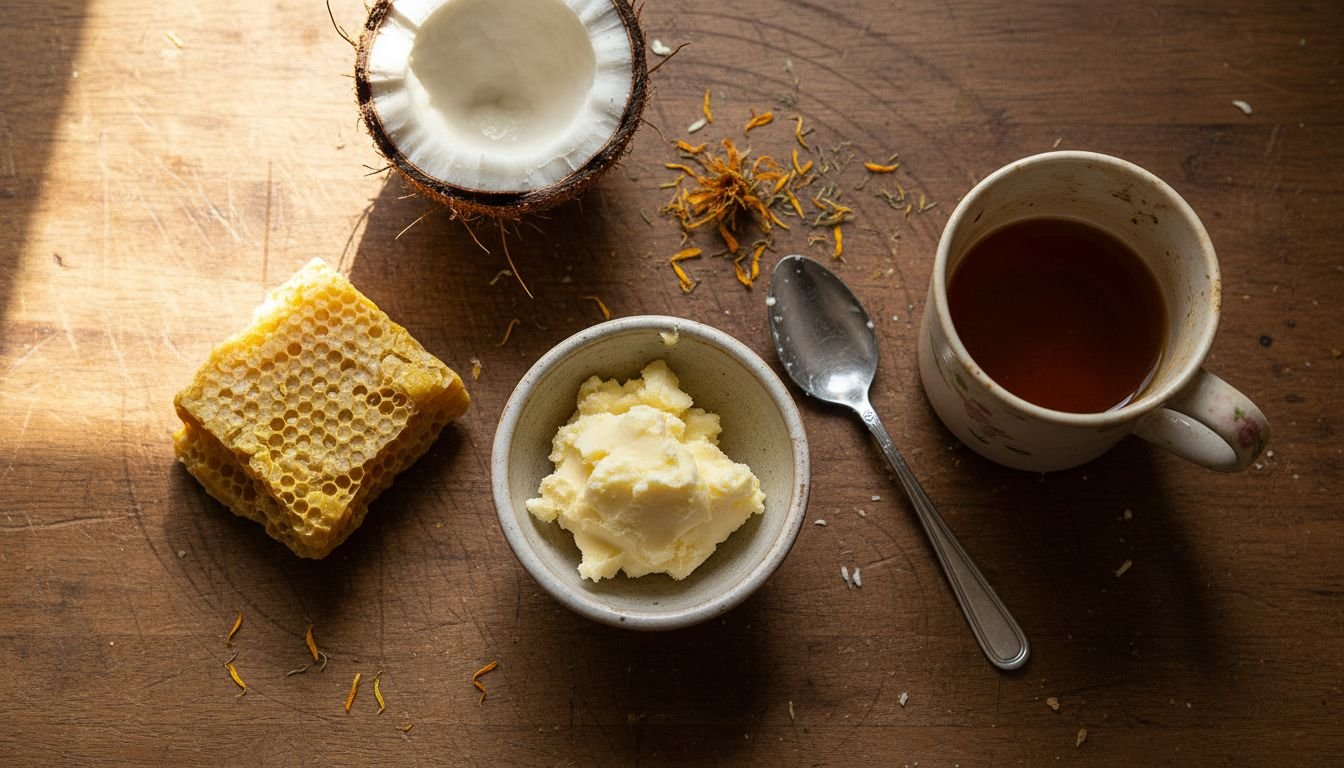
Beeswax, shea butter, and coconut oil are top plant-based ingredients with emollient and anti-inflammatory properties ideal for healing sensitive lips including eczema. Shea butter contains natural fatty acids and vitamins that soothe irritation and lock in moisture. Coconut oil offers antimicrobial benefits that protect compromised skin barriers.
Ceramides stand out as barrier repair champions. Ceramides in lip balm formulations enhance barrier repair, significantly reducing dryness and irritation in eczema patients after 4 weeks of regular use. These lipids restore the skin’s natural protective layer, preventing moisture loss and environmental damage.
Calendula extract accelerates healing remarkably. Natural lip balms using organic calendula extract demonstrate faster healing of chapped lips with eczema compared to petroleum-based balms. This flower-derived ingredient reduces inflammation and promotes tissue regeneration without synthetic additives.
Allantoin and bisabolol work synergistically to calm and repair. Clinical studies show that lip balms incorporating allantoin and bisabolol reduce skin irritation and promote cell regeneration within 7 days in eczema-prone skin. Bisabolol, derived from chamomile, offers gentle anti-inflammatory action suitable for even the most reactive skin.
Antioxidants protect against daily environmental stressors. Jojoba oil and vitamin E shield lips from free radical damage caused by sun exposure and pollution. These ingredients complement healing botanicals by preventing future damage while current irritation resolves.
“The right combination of botanicals transforms lip care from temporary relief to genuine healing. Ingredients like ceramides and calendula address the underlying barrier dysfunction that makes lips vulnerable to eczema flare-ups.”
When selecting products, verify that these natural lip balm tips align with your specific skin needs and preferences.
Essential healing ingredients:
- Shea butter for deep moisture and anti-inflammatory benefits
- Ceramides to rebuild and strengthen the skin barrier
- Calendula extract for accelerated healing and reduced inflammation
- Allantoin and bisabolol for cell regeneration and irritation relief
- Jojoba oil and vitamin E for antioxidant protection
Comparison of top natural lip balm brands
Comparing leading natural lip balm brands reveals significant differences in ingredient quality, certifications, pricing, and suitability for sensitive, eczema-prone lips. Understanding these distinctions helps you invest wisely.
Pure Light Botanical Beauty offers 100% plant-based, organic certified lip balms with 20% longer moisturizing effect than competitors. Their formulations exclude all synthetic additives, fragrances, and parabens while incorporating clinically validated botanicals like ceramides and calendula.
Brand A markets natural lip balms but includes synthetic preservatives and fragrance in many formulations. These additives increase irritation risk despite other plant-based ingredients. Their pricing sits around $12 per unit, but the compromised ingredient profile makes them unsuitable for eczema-prone skin.
Brand B offers certified organic options with strong botanical profiles. However, some formulations contain allergenic ingredients like certain essential oils. Their pricing runs higher at $18 to $22 per unit, which may strain budgets despite organic credentials.
Brand C lacks ingredient transparency and testing data. Despite natural marketing claims, their products contain parabens and undisclosed fragrance compounds. Pricing appears competitive at $10, but hidden irritants pose significant risks.
| Brand | Organic Certified | Fragrance-Free | Key Botanicals | Price Range | Best For |
|---|---|---|---|---|---|
| Pure Light Botanical Beauty | Yes | Yes | Ceramides, calendula, shea butter | $15 | Severe eczema, sensitive skin |
| Brand A | No | No | Coconut oil, beeswax | $12 | Mildly sensitive skin |
| Brand B | Yes | Partial | Shea butter, jojoba oil | $18-$22 | Organic-conscious buyers |
| Brand C | No | No | Undisclosed | $10 | Not recommended |
Pro Tip: Always verify ingredient lists directly on product packaging or official websites rather than relying solely on marketing descriptions. Brands can use natural claims while including synthetic preservatives or undisclosed fragrance compounds.
When building your lip moisturizer tips routine, prioritize brands with complete transparency and third-party certifications.
Key comparison factors:
- Ingredient purity and organic certification status
- Presence or absence of common irritants like fragrance and parabens
- Clinical data supporting moisturizing duration and efficacy
- Pricing relative to ingredient quality and certifications
- Brand transparency regarding sourcing and manufacturing practices
Expert recommendations and dermatologist insights
Dermatologists consistently emphasize specific formulation characteristics when recommending lip balms for eczema and sensitive skin. Their clinical experience reveals patterns in what works and what triggers flare-ups.
75% of dermatologists recommend fragrance-free, botanical-rich lip balms for eczema care emphasizing barrier restoration and anti-inflammatory botanicals. This overwhelming consensus reflects years of observing patient outcomes with various formulations.
Fragrance elimination ranks as the top priority. Even naturally derived essential oils can trigger allergic contact dermatitis in sensitive individuals. Synthetic fragrances pose even greater risks, containing multiple potential allergens in a single ingredient.
Ceramides and allantoin receive strong dermatologist endorsement. These ingredients directly address the compromised skin barrier characteristic of eczema. By restoring barrier function, they reduce moisture loss and prevent irritant penetration.
Experts caution that natural labels can mislead. Some brands market products as natural while including synthetic preservatives or allergenic plant extracts. Reading ingredient lists carefully and seeking certified organic products reduces this risk.
Clinical data validation matters greatly. Dermatologists prefer recommending products with published studies showing measurable improvements in hydration, inflammation markers, or barrier function. Anecdotal claims lack the reliability needed for medical recommendations.
“When treating eczema-prone lips, I always advise patients to choose fragrance-free formulations with proven barrier repair ingredients like ceramides. The difference in healing time and comfort can be dramatic compared to conventional lip balms.”
Trusted brands with verified ingredient transparency and dermatologist endorsements offer the safest choices. Products that combine rigorous testing with clean formulations deliver consistent results. Understanding why botanical ingredients matter helps you appreciate the science behind these recommendations.
User experience and consumer feedback
Real-world feedback from women with sensitive or eczema-prone lips provides practical insights that complement clinical data. User experiences reveal texture preferences, application patterns, and long-term satisfaction factors.
82% of users report improved comfort and fewer flare-ups when switching to botanical lip balms from conventional products. This majority finding aligns with clinical research on fragrance-free, plant-based formulations.
Texture and application timing preferences vary. Many users prefer lightweight lip oils during daytime for comfortable wear under lipstick or alone. Richer cream formulations gain favor for nighttime intensive repair when heavy texture poses no social concern.
Some users accept slight stickiness in exchange for longer-lasting hydration. Products containing beeswax or shea butter may feel less slick than petroleum-based balms initially, but they provide superior moisture retention over hours.
Sustainability and ingredient transparency strongly influence purchase decisions. Users committed to clean beauty prioritize certified organic products with recyclable or biodegradable packaging. This values alignment enhances overall satisfaction beyond product performance alone.
Positive reviews correlate most strongly with fragrance-free, certified formulations from brands with clear ingredient sourcing. Products meeting these criteria receive repeat purchases and enthusiastic recommendations. Building an effective lip care routine tips strategy often starts with learning from others’ experiences.
Common user preferences:
- Lightweight oils for daytime wear and makeup compatibility
- Rich creams for intensive nighttime repair
- Fragrance-free formulations to avoid sensory irritation
- Sustainable packaging aligned with environmental values
- Transparent ingredient sourcing and certification
Price and accessibility comparison
Understanding pricing structures and availability helps you balance quality, budget, and convenience when selecting plant-based lip balms for sensitive skin.
Price ranges typically span $10 to $20 per lip balm unit across quality natural options. This range reflects ingredient sourcing, organic certification costs, and manufacturing scale. Lower prices sometimes indicate compromised ingredient quality or synthetic fillers.
Pure Light Botanical Beauty prices competitively at around $15 while maintaining organic certification and 100% plant-based formulations. This mid-range positioning offers excellent value given the clinical efficacy and safety profile.
Availability channels include specialty retailers, natural beauty stores, and direct-to-consumer online platforms. Online ordering particularly benefits those in remote areas with limited access to specialty retailers. Direct brand websites often provide detailed ingredient information and customer support.
| Price Range | Typical Features | Best For |
|---|---|---|
| $10-$12 | Basic natural ingredients, limited certifications | Budget-conscious, mild sensitivity |
| $13-$17 | Organic certified, proven botanicals, transparent sourcing | Moderate eczema, value seekers |
| $18-$25 | Premium organic, extensive clinical data, luxury packaging | Severe eczema, maximum efficacy priority |
Pro Tip: Investing in certified products with proven efficacy protects sensitive skin better than choosing the lowest-cost option. One irritation flare-up can cost more in medical treatments and discomfort than the price difference between budget and quality lip balms.
Accessibility factors:
- Online direct purchase for nationwide availability
- Specialty retailers in urban areas
- Natural beauty stores with knowledgeable staff
- Subscription options for automatic replenishment
- International shipping for global access
Sustainability and packaging considerations
Environmental impact increasingly influences purchasing decisions, especially among consumers prioritizing holistic wellness and ethical consumption. Plant-based lip balms offer meaningful sustainability advantages.
Plant-based lip balms reduce carbon footprint up to 35% compared to petroleum-based alternatives. This reduction stems from renewable ingredient sourcing, lower processing energy requirements, and biodegradable formulations that don’t persist in ecosystems.
Biodegradable and refillable packaging options grow more popular. Glass containers, recycled cardboard tubes, and compostable materials replace traditional plastic packaging. Some brands offer refill programs that reduce waste while lowering repurchase costs.
Pure Light Botanical Beauty uses earth-friendly materials and promotes sustainable practices throughout their supply chain. Their commitment extends beyond ingredients to encompass packaging, shipping materials, and manufacturing processes.
Sustainability appeals strongly to sensitive skin users who connect personal wellness with environmental health. The philosophy that what heals your skin shouldn’t harm the planet resonates deeply with this audience.
Cost trade-offs exist but diminish over time. Initial purchases of sustainably packaged products may cost slightly more, but refill options and reduced environmental remediation needs benefit everyone long-term. Exploring plant-based beauty benefits reveals how personal and planetary health intertwine.
Sustainability features:
- Renewable plant-based ingredients with lower carbon footprints
- Biodegradable packaging that decomposes safely
- Refillable containers reducing single-use waste
- Ethical sourcing supporting sustainable agriculture
- Minimal processing preserving ingredient integrity
Situational recommendations: best lip balm choices for specific needs
Matching lip balm selection to your specific condition, preferences, and values ensures optimal results and satisfaction. Different situations call for different formulation priorities.
-
Severe eczema: Choose ceramide-rich, fragrance-free balms like Pure Light Botanical Beauty that prioritize barrier repair and anti-inflammatory botanicals. Clinical efficacy data and dermatologist endorsements matter most for this condition.
-
Daytime hydration: Select lightweight lip oils with antioxidants such as jojoba and vitamin E. These formulations absorb quickly, feel comfortable under lipstick, and protect against environmental stressors throughout the day.
-
Nighttime repair: Opt for richer creams containing allantoin and calendula. Heavier textures pose no concern during sleep, and intensive formulations maximize healing during the body’s natural repair cycle.
-
Eco-conscious buyers: Prioritize certified organic balms with sustainable packaging and transparent supply chains. Brands offering refill programs align purchase decisions with environmental values.
-
Budget-conscious shoppers: Focus on mid-priced balms with clinical efficacy and clean certifications rather than the cheapest options. Quality ingredients prevent irritation costs and deliver better long-term value.
Discover Pure Light Botanical Beauty lip balms
If you’re ready to experience lip care that truly heals, Pure Light Botanical Beauty offers the solution. Their 100% plant-based, fragrance-free lip balms combine clinically validated botanicals like ceramides and calendula with organic certification and sustainable packaging. Every formulation prioritizes your skin’s health and comfort, delivering proven results without compromise.
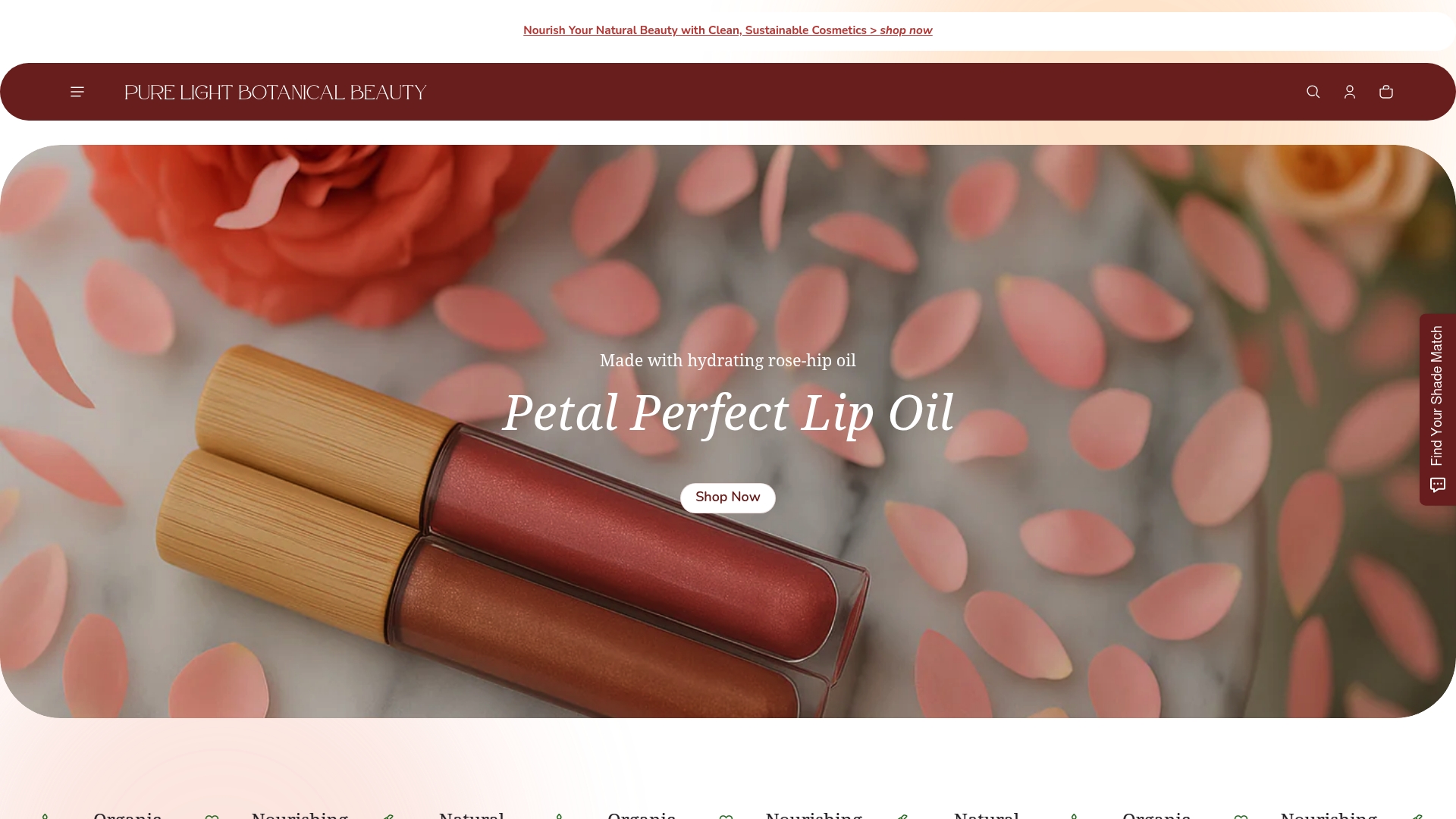
With competitive pricing around $15 and transparent ingredient sourcing, you can trust what touches your lips. Their commitment to plant-based beauty benefits extends beyond products to a philosophy of nurturing beauty from within. Explore their thoughtfully crafted selection today and discover how the right botanical ingredients benefits can transform your lip care ritual into an act of genuine self-care and healing.
Frequently asked questions
Are natural lip balms safe for eczema-prone lips?
Yes, but only if formulations are fragrance-free, paraben-free, and contain proven healing botanicals validated for eczema care. Look for products with organic certifications and dermatologist approvals. Not all natural claims guarantee safety, so verify ingredient lists carefully and prioritize brands with clinical data supporting their efficacy for sensitive skin conditions.
How do I know if a lip balm contains irritating ingredients?
Check ingredient lists carefully for fragrance, synthetic dyes, parabens, and preservatives like methylisothiazolinone. Choose products with clean beauty certifications and transparent sourcing information. When in doubt, patch test on your inner wrist before applying to lips, and consult dermatologist resources for common allergen identification.
Can natural lip balms provide long-lasting hydration for sensitive lips?
Yes, formulations containing ceramides, shea butter, and beeswax often provide hydration lasting longer than synthetic petroleum-based balms. Clinical studies demonstrate measurable moisture retention improvements over 8 to 12 hours with quality botanical formulations. Look for products with published efficacy data supporting their hydration duration claims.
Are plant-based lip balms better for the environment?
Yes, plant-based lip balms generate up to 35% lower carbon footprints compared to petroleum-based alternatives. Biodegradable ingredients break down naturally without ecosystem persistence. Sustainable packaging options like refillable containers and recyclable materials further reduce environmental impact, aligning personal care choices with planetary wellness values.
Recommended
- Best tinted lip balm 2026: 40% less allergy risk – Pure Light Botanical Beauty
- Top 8 Best Hypoallergenic Lipsticks in 2026 for Sensitive Skin – Pure Light Botanical Beauty
- 7 Best Lip Conditioner Tips for Sensitive Skin Naturally – Pure Light Botanical Beauty
- 7 Best Natural Lip Balm Tips for Sensitive Skin Self-Care – Pure Light Botanical Beauty