

Yes, Crayola-branded lip crayons are real cosmetic products, and crayon-style lip color is a genuine, growing category in beauty. Here is what you need to know before you shop or reach for a school crayon:
- Crayola Beauty is a real cosmetic line, launched in partnership with ASOS in 2018 with 58 products across approximately 95 shades, priced from $15 to $40. Lip and cheek crayons were among the highlighted product types.
- Cosmetic-grade crayon-style lip products are generally safe when they carry proper cosmetic labeling, a full ingredient list, and recognized colorants formulated for skin contact.
- School or artist crayons are not safe for lips. Crayola itself has historically discouraged using stationery products as makeup, and dermatologists echo that warning: art-crayon pigments and binders are not tested for skin use.
- Where to start: Search Walmart or Amazon for “Crayola Lip and Cheek Crayon” SKUs, or look for the Crayola Beauty collection through ASOS. Always confirm the listing says cosmetic-grade before purchasing.
Key Takeaways
Cosmetic-grade crayon-style lip products are safe and widely available; art crayons are not formulated for skin and should never be used as lip color, regardless of how the DIY trend is packaged online.
| Point | Details |
|---|---|
| Crayola Beauty is real | Crayola launched 58 cosmetic products with ASOS in 2018, priced from $15 to $40. |
| Art crayons are not safe | School and artist crayons contain pigments not tested for skin; dermatologists advise against using them on lips. |
| DIY requires cosmetic-grade materials | If making lip color at home, use only cosmetic-grade pigments and a lip-safe wax base, never art crayons. |
| Check the label before buying | Look for a full INCI ingredient list, cosmetic-grade labeling, and vegan or cruelty-free verification on any crayon-style lip product. |
| Purelightbotanicalbeauty offers a skin-nourishing option | The Nourishing Lipstick line uses plant-based, botanically active formulas designed for sensitive skin and full ingredient transparency. |
Table of Contents
- What are Crayola lipstick and crayon-style lip products, exactly?
- Where can you buy Crayola lip products and what do they cost?
- How do crayon-style lip colors differ from traditional bullet lipsticks?
- Is crayon lipstick safe? What you need to know about ingredients
- Can you make DIY crayon lipstick at home?
- How to choose the right crayon-style lip product for your needs
- Nostalgia is beautiful, but your skin deserves more than a trend
- Skin-nourishing lip color that goes beyond the novelty
- Useful sources for further reading
What are Crayola lipstick and crayon-style lip products, exactly?
The term “crayon lipstick” covers a specific cosmetic format, not just a novelty. A lip crayon is a retractable or twist-up pencil-shaped product, wider than a standard liner but narrower than a bullet lipstick, designed to deliver color with the precision of a pencil and the coverage of a lipstick.
Crayola Beauty leaned fully into the nostalgia angle. The collection used retro crayon packaging and shade names pulled straight from the classic box, think Mauvelous and Outer Space, making the product feel like a childhood memory you could wear. Journalists at Mashable described the launch as nostalgia-driven, with face crayons and lip-and-cheek crayons among the most talked-about items.
Common crayon-style lip product types you will encounter include:
- Lip and cheek crayons: Multipurpose sticks designed for both the lips and the apples of the cheeks, offering a wash of color in one product.
- Color-changing lip crayons: pH-reactive formulas that shift shade on contact with your skin’s chemistry, a popular novelty format.
- Face crayons: Broader sticks marketed for eyes, lips, and cheeks, described on the ASOS Crayola product pages as “highly pigmented” and “ultra-creamy.”
- Novelty-packaged lip crayons: Products from other brands that use crayon motifs and packaging without the Crayola name, often sold as fun or playful lip color.
The Clinique Chubby Stick deserves credit here. Beauty analysts point to it as the product that normalized lip color in a crayon format for mainstream shoppers, long before Crayola Beauty arrived.
Where can you buy Crayola lip products and what do they cost?
Crayola Beauty launched exclusively through ASOS, which remains the most direct reference point for the original collection. Walmart lists Crayola Lip and Cheek Crayon SKUs in its beauty section, and Amazon carries crayon-style lip products under similar search terms. Availability shifts by retailer and season, so checking multiple platforms gives you the clearest picture of current stock.
| Retailer | Product Type Available | Reported Price Range |
|---|---|---|
| ASOS | Crayola Beauty face and lip crayons | $15–$40 (2018 launch) |
| Walmart | Crayola Lip and Cheek Crayon (0.07 oz) | Varies by SKU |
| Amazon | Crayon-style lip crayons (multiple brands) | Varies by listing |
Press coverage at launch reported the Crayola Beauty line priced between $15 and $40, depending on the product. Individual SKUs at mass retailers tend to sit at the lower end of that range.
To verify you are buying authentic Crayola-branded cosmetics:
- Confirm the listing comes from an authorized retailer (ASOS, Walmart, or a verified Amazon seller).
- Look for explicit cosmetic-grade labeling and a complete ingredient list on the product page.
- Check that vegan and cruelty-free claims, which Crayola Beauty press coverage highlighted for parts of the line, are stated clearly rather than implied by packaging alone.
- Avoid third-party sellers offering deeply discounted “Crayola makeup” without verifiable product details.
How do crayon-style lip colors differ from traditional bullet lipsticks?
The format difference is more meaningful than it looks. A bullet lipstick delivers heavy pigment in a single swipe, while a lip crayon builds color gradually, giving you more control over intensity. That precision matters when you are coloring close to the lip line or blending onto the cheeks.
Texture tends to be creamier and lighter than a traditional bullet, closer to a tinted balm in feel but with more pigment payoff. Finishes range from matte to satin to sheer, depending on the formula. The multipurpose claim, lip and cheek in one product, is one of the most practical selling points: one stick replaces two products in your bag.
Pros of crayon-style lip color:
- Precise application without a separate liner
- Buildable coverage from sheer to medium
- Multipurpose use on lips and cheeks
- Compact, portable, and spill-proof
- Often lighter and more comfortable than a full bullet
Cons to weigh:
- Pigmentation can be lighter than a traditional lipstick, requiring layering
- Transfer resistance varies widely by formula
- Moisturizing payoff depends heavily on the emollient content
- Sharpening (for non-retractable styles) wastes product over time
For sensitive skin and lip care, the lighter texture of a crayon format can actually be gentler than a heavy wax bullet, provided the formula uses skin-safe emollients.
Is crayon lipstick safe? What you need to know about ingredients
The safety question splits cleanly into two categories: cosmetic-grade products and art-supply crayons. They are not interchangeable, and the distinction matters.
Cosmetic-grade lip crayons use pigments and binders that have been tested and approved for skin contact. Art crayons, including standard Crayola stationery products, use pigments and binders formulated for paper, not skin. Dermatologists and cosmetic experts consistently warn against applying school or artist crayons to the lips or face, because those additives have not been safety-tested for absorption or prolonged skin contact.
Ingredients to prioritize in a cosmetic lip crayon:
- FDA-recognized colorants (look for “D&C” or “FD&C” designations on the label)
- Skin-safe emollients: jojoba oil, shea butter, castor oil, vitamin E
- Preservatives appropriate for cosmetic use
- Hypoallergenic or dermatologist-tested designation when available
Red flags to avoid:
- No ingredient list at all
- Non-cosmetic pigment designations
- Paraffin-heavy formulas with no skin-nourishing actives
- “Art supply” or “stationery” labeling anywhere on the packaging
Cosmetic-grade labeling is not just marketing language. It signals that the pigments, binders, and preservatives in the product have been evaluated for skin safety. An art crayon that looks identical may contain additives that cause irritation, allergic reactions, or worse with repeated lip contact. Always read the label before it touches your skin.
Patch testing: Apply a small amount to the inside of your wrist, wait 24 hours, and check for redness, itching, or swelling before using any new lip product. This is especially worth doing with novelty or crayon-format products where the formula may be unfamiliar.
Storage and shelf life: Crayon-style lip products typically last 12–24 months after opening. Signs of expiration include an off smell, color separation, or a chalky, dry texture. Store them away from heat and direct sunlight, which can soften the wax base and accelerate degradation.
Pro Tip: Check the product’s PAO (Period After Opening) symbol, a small open-jar icon with a number, usually printed on the base of the crayon. That number tells you how many months the product is safe to use after you first open it.
Can you make DIY crayon lipstick at home?
The short answer: you can, but you probably should not use art crayons to do it. Here is what people typically attempt, and where the risks concentrate.
The common DIY method people try:
- Select a wax crayon for color.
- Melt it with a carrier oil (coconut, almond) and a lip balm base in a double boiler.
- Pour into a small container or empty lipstick tube.
- Let it set, then apply.
The problem is step one. Journalists and safety reporters flagged this practice precisely because craft crayons can contain non-cosmetic additives, and melting does not neutralize them. Contamination risk increases when tools are not properly sanitized, and inconsistent melting can trap impurities in the final product.
If you are committed to a DIY lip color, use cosmetic-grade colorants only. Mica powders, cosmetic-grade oxides, and lip-safe pigments are widely available from cosmetic supply retailers. They are formulated for skin contact in a way that art crayons simply are not. Sanitize every tool, work in small batches, and patch-test the finished product before wearing it out.
If you insist on a DIY approach, follow these steps:
- Source cosmetic-grade pigments from a reputable cosmetic supply retailer, not the art aisle.
- Use a lip-safe wax base (beeswax or candelilla wax) and a nourishing carrier oil.
- Sanitize all tools with isopropyl alcohol before and after use.
- Mix in small quantities to minimize waste if the batch fails.
- Patch-test on your inner wrist for 24 hours before applying to lips.
For the full safety picture on ingredients and patch testing, the safety section above covers what to look for on a cosmetic label. And if sensitive skin is a concern, hypoallergenic lip options offer a tested, lower-risk path.
How to choose the right crayon-style lip product for your needs
Before you add a crayon lipstick to your cart, run through this checklist on the product page:
- Cosmetic-grade labeling: Does the listing explicitly say the product is formulated for cosmetic use? If it does not, skip it.
- Full ingredient list: A complete INCI list (International Nomenclature of Cosmetic Ingredients) should be visible. No list means no purchase.
- Dermatologist-tested or hypoallergenic claims: Especially relevant if you have reactive or sensitive skin.
- Vegan and cruelty-free badges: Confirm these are third-party verified or clearly stated by the brand, not just implied by packaging.
- Shade swatches: Look for swatches on real skin tones, not just product renders. Crayon-format pigmentation can read differently on skin than in the tube.
- Return policy: Given the novelty format, a flexible return window protects you if the texture or pigmentation does not match expectations.
- User reviews: Prioritize reviews that mention longevity, transfer resistance, and comfort after several hours of wear. Short reviews praising color alone tell you less than you need.
For multipurpose lip-and-cheek claims, check whether reviewers actually used the product on cheeks, not just lips. A formula that performs beautifully on lips can look patchy on cheeks if the texture is too waxy. Non-sticky lip formulas tend to translate better to cheek use than heavy wax-based crayons.
Nostalgia is beautiful, but your skin deserves more than a trend
There is something genuinely moving about the idea of Crayola lipstick. Those 64 colors shaped how many of us first understood beauty: as something playful, personal, and full of possibility. When Crayola Beauty launched, it was not just a makeup line. It was a cultural moment, a reminder that color can be joyful rather than serious.
But here is what I think gets overlooked in the nostalgia: the crayon format is only as good as the formula inside it. The packaging can evoke childhood wonder, and the shade names can make you smile, but what actually matters is whether the pigments are safe, whether the emollients support your skin rather than strip it, and whether the product was made with the same care you bring to choosing what goes on your face.
Readers with sensitive skin, eczema, or reactive lips often find that novelty products, however charming, were not designed with their skin in mind. The ingredient transparency that should be standard is sometimes missing entirely from crayon-format products, especially those sold through third-party listings. That gap is where real harm can quietly happen. Playful color and skin-safe formulation are not opposites. They belong together, and the brands worth your loyalty are the ones that treat them that way.
Skin-nourishing lip color that goes beyond the novelty
If the appeal of crayon-style lip color is the playfulness and the color payoff, but you want a formula your skin will actually thank you for, Purelightbotanicalbeauty offers a considered alternative.
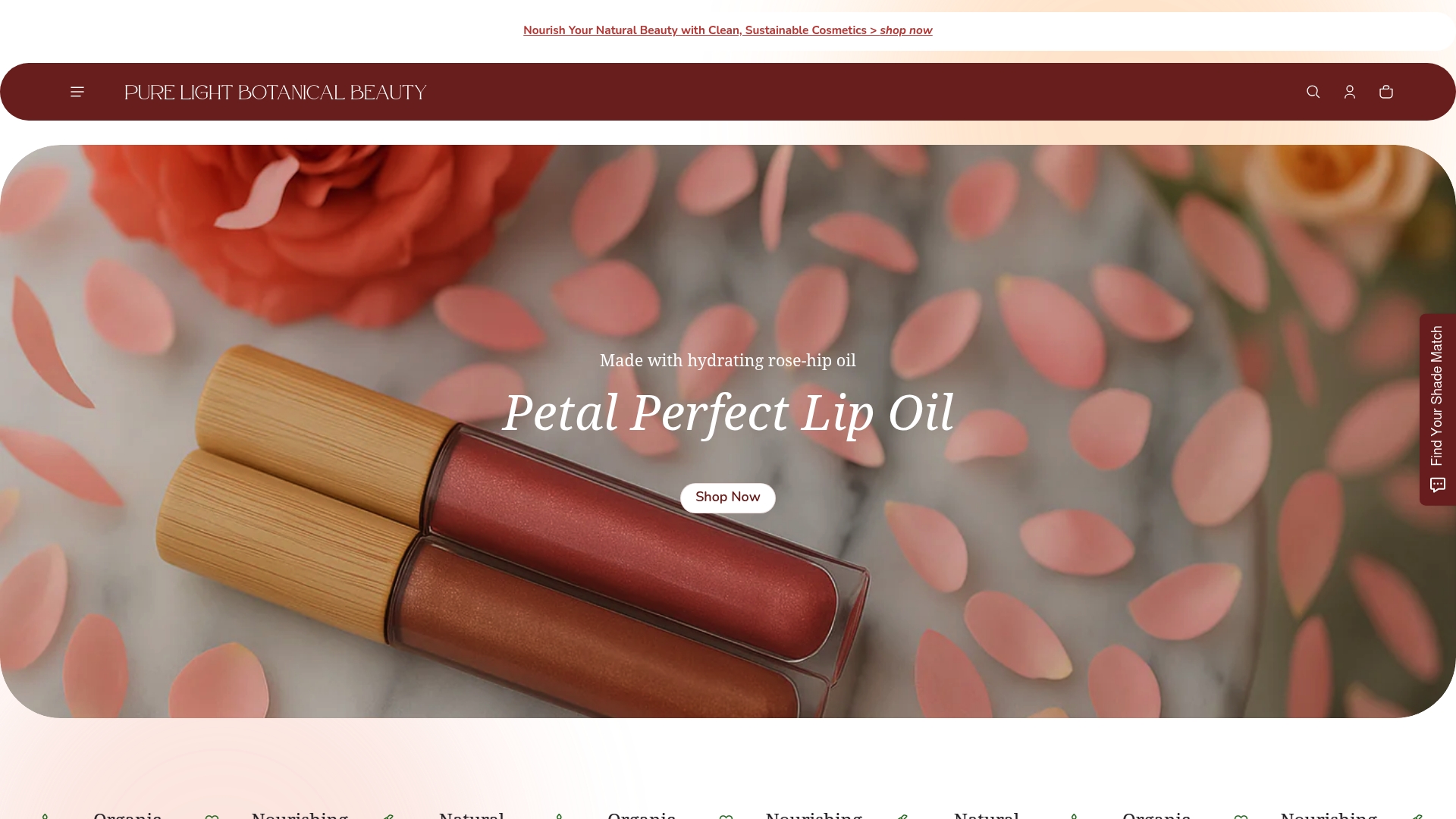
The Nourishing Lipstick in Carnelian and Nourishing Lipstick in Ruby are crafted with plant-based, skin-supportive ingredients designed for people who want rich color without compromising on what touches their lips. Unlike art-crayon DIYs or novelty products with incomplete ingredient lists, every Purelightbotanicalbeauty formula is built around botanical actives that nourish while they color, making them especially well-suited for sensitive skin. The ingredient transparency is not a marketing claim; it is the foundation of every product. Visit Purelightbotanicalbeauty to find the shade that feels like yours, and read the full ingredient list before you even add it to your cart.
Useful sources for further reading
These editorial stories and retailer pages support the key claims in this article and are worth bookmarking if you want to verify product details or safety guidance directly:
- Allure: — Covered the Crayola Beauty ASOS launch, confirming the 58-product collection, approximately 95 shades, the $15–$40 price range, and vegan and cruelty-free claims for parts of the line.
- Fortune: — Reported on Crayola’s historical guidance discouraging the use of stationery crayons as makeup, and framed the Beauty line as a cosmetic-grade alternative to that DIY practice.
- Mashable: — Described the Crayola Beauty launch as nostalgia-driven, with face crayons and lip-and-cheek crayons as the standout product types, and flagged the DIY crayon-lipstick trend as a safety concern.
- Walmart product listings: — Confirm current SKU availability for Crayola Lip and Cheek Crayon (0.07 oz), useful for verifying retail presence and checking current pricing.
Recommended
- Best 8 Lead Free Lipstick – Expert Comparison 2025 – Pure Light Botanical Beauty
- Best Clean Lipstick Brands 2025 – Expert Comparison 2025 – Pure Light Botanical Beauty
- 8 Best Non Sticky Lipstick in 2026 – Expert Comparison – Pure Light Botanical Beauty
- Nourishing Lipstick ~ Carnelian – Pure Light Botanical Beauty