

A plant-first Korean natural skin care routine works in two clear phases: mornings call for a gentle cleanse, a hydrating toner or essence, an antioxidant serum, a lightweight moisturizer, and SPF; evenings call for a double cleanse when you’ve worn sunscreen or makeup, followed by a hydrating toner or essence, a targeted treatment serum, and a moisturizer or sleeping pack. That sequence, repeated with consistency, is what K-beauty’s glass-skin results are actually built on.
Three things matter above everything else:
- Hydration at every layer. Thinly applied, water-rich products stacked in sequence keep the skin plump and receptive to everything that follows.
- Barrier support, not correction. Korean skincare philosophy centers on protecting the skin’s natural acid mantle rather than stripping it back and starting over.
- Sunscreen, non-negotiable. No botanical ingredient replaces a formulated SPF. Daily use is the single most evidence-backed step for long-term skin health.
If you want a structured, guided entry point into this philosophy, the 7-Day Fresh Start Skin Ritual™ from Pure Light Botanical Beauty is designed precisely for that: a gentle, plant-based program that introduces each step gradually so your skin has time to adjust.
Key Takeaways
A plant-first Korean natural skin care routine built on hydration, barrier support, and daily SPF delivers visible results when applied consistently and scaled up one step at a time.
| Point | Details |
|---|---|
| Start with four core steps | Cleanser, hydrating toner, moisturizer, and SPF form the stable base before any actives are added. |
| Layer thinnest to thickest | Apply products from most water-like to richest so each layer absorbs fully before the next seals it in. |
| Introduce actives slowly | Add one new active at a time with a two-week interval; expect texture improvements at weeks 4–12. |
| Sunscreen has no DIY substitute | No plant oil provides validated SPF protection; use a formulated broad-spectrum sunscreen daily. |
| Purelightbotanicalbeauty’s 7-Day Fresh Start | The guided ritual offers a structured, plant-based entry path for beginners and sensitive skin. |
Table of Contents
- How do you build a natural Korean skin care routine step by step?
- Which routine size is right for you?
- What weekly extras actually improve your skin?
- How do you choose clean Korean beauty products you can trust?
- How do you adapt the routine for your skin type?
- When will you see results, and what do you do when things go wrong?
- What do dermatologists actually say about this approach?
- Why ritual matters as much as the right ingredients
- The 7-Day Fresh Start Skin Ritual™ is your guided entry point
- Useful sources and further reading
How do you build a natural Korean skin care routine step by step?
The order of application is not arbitrary. K-beauty’s foundational rule is thinnest to thickest: you layer from the most water-like textures to the richest, so each product can absorb fully before the next one seals it in. Here is how each step works in practice.
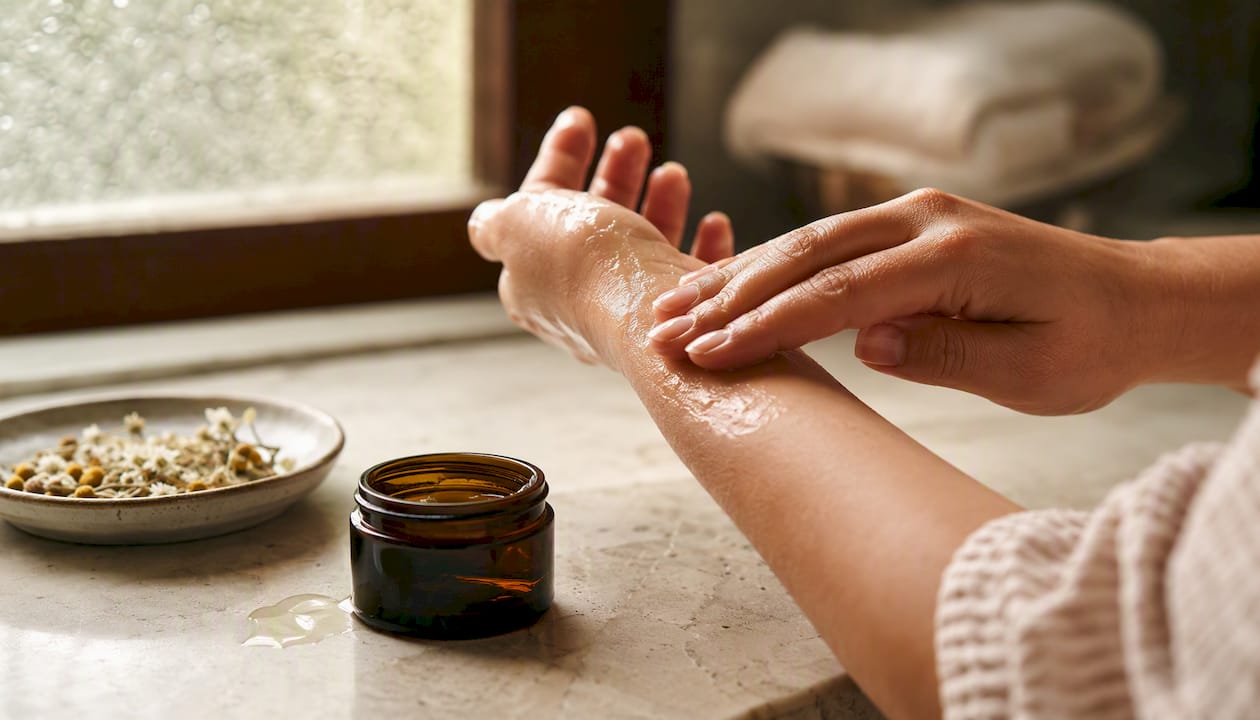
1. Oil-based cleanser (PM only, when wearing SPF or makeup)
The double cleanse is rooted in a simple principle: oil dissolves oil. An oil-based first cleanser lifts sunscreen, sebum, and makeup without the friction of scrubbing. Massage a small amount onto dry skin for 60 seconds, then emulsify with a little water before rinsing. For plant-based options, look for formulas built on jojoba or sunflower oil, both of which are noncomedogenic and unlikely to clog pores. Avoid coconut oil on the face if you’re acne-prone; it sits high on the comedogenicity scale despite its clean-beauty reputation.
2. Water-based cleanser (AM and PM)
After the oil step, or as your sole cleanser in the morning, a low-pH water-based cleanser removes water-soluble residue without disrupting the skin’s acid mantle. Aim for a formula in the pH range of roughly 4.5–5.5. The clearest sign a cleanser is too harsh: your skin feels tight or squeaky after rinsing. That tightness signals barrier disruption, not cleanliness. Gentle plant-based options include honey-derived surfactants and amino acid cleansers, though honey-based formulas warrant caution for acne-prone skin since the occlusive quality can trap bacteria.
3. Hydrating toner or essence
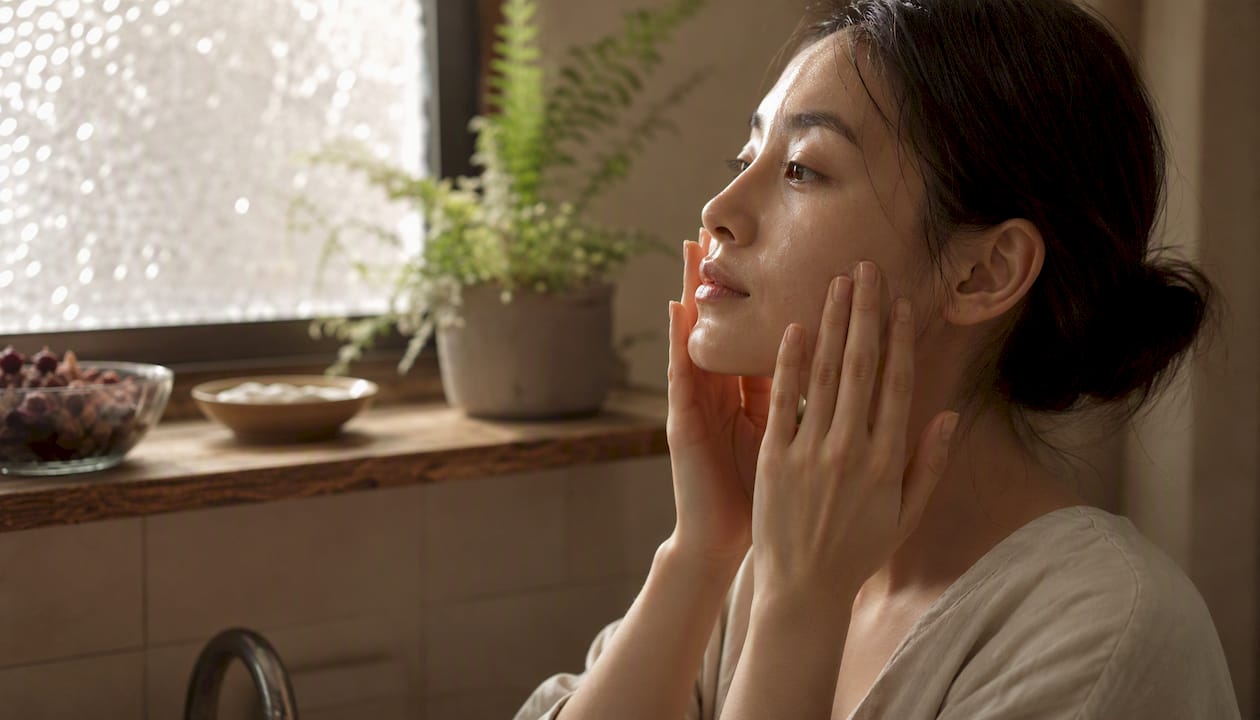
This is where Korean skincare diverges most sharply from Western routines. Rather than an astringent toner meant to strip residue, a K-beauty toner is a thin, water-rich layer of hydration pressed gently into the skin with clean palms. Rice water, fermented botanical extracts, and plant-derived humectants are the ingredient families to look for. Rice bran extract has small but published clinical support for improving skin elasticity; green tea extract contains EGCG, a compound with antioxidant and mild sebum-regulating properties. Apply one to three layers, pressing each one in until it’s absorbed before adding the next.
4. Serum or treatment layer
Morning and evening call for different actives here.
In the morning, a stabilized vitamin C serum (look for L-ascorbic acid or ascorbyl glucoside) applied before moisturizer delivers antioxidant protection that works alongside your SPF. Niacinamide and green tea serums are excellent plant-adjacent options that calm redness and support the barrier without photosensitivity risk.
In the evening, centella asiatica serums shine for their ability to calm and support healing, particularly for sensitized or post-breakout skin. Retinoids, whether prescription or over-the-counter retinol, belong exclusively in the PM routine and should be introduced slowly: once a week for two weeks, then twice a week, building tolerance before daily use.
Pro Tip: Never layer vitamin C and retinol in the same routine. Vitamin C is a morning active; retinol is a nighttime one. Mixing them in a single session raises irritation risk without adding benefit.
5. Moisturizer
Seal the hydration you’ve built. In warmer months or for oily skin, a lightweight gel-cream with plant-based humectants like glycerin or sodium hyaluronate works well. In cooler months or for dry skin, a richer cream with botanical ceramide-supporting ingredients, such as sunflower seed oil or oat extract, provides the occlusive finish the barrier needs. The moisturizer’s job is to prevent transepidermal water loss, not to add more water itself.
6. Sunscreen (AM only)
Korean sunscreens are formulated for daily wearability in a way that most Western formulas have historically not matched: they tend to be lighter, less white-casting, and more comfortable under makeup. That cosmetic elegance matters because a sunscreen you actually enjoy wearing is one you’ll apply consistently, and consistent daily SPF use is the most evidence-backed antiaging step available. There is no plant-based substitute for a formulated SPF. Raspberry seed oil and carrot seed oil are sometimes marketed with SPF claims, but those figures have not been validated by standardized testing. Use a real sunscreen.
Simple AM/PM checklist: Morning: water-based cleanse → toner/essence → vitamin C serum → moisturizer → SPF Evening: oil cleanse → water-based cleanse → toner/essence → treatment serum → moisturizer (or sleeping pack 2–3x/week)
Which routine size is right for you?
The 10-step K-beauty routine that went viral a decade ago was always more of a marketing framework than a clinical prescription. The actual value was never in the number of steps; it was in the principles of layering and consistency. Jane Yoo, MD, a Korean-American board-certified dermatologist, advocates starting with a base of core products and introducing actives only after several weeks of consistency.
The 3–4 step beginner routine
Start here if you’re new to K-beauty or switching from a conventional routine:
| Step | Product type | When |
|---|---|---|
| 1 | Gentle low-pH cleanser | AM and PM |
| 2 | Hydrating toner or essence | AM and PM |
| 3 | Lightweight moisturizer | AM and PM |
| 4 | Broad-spectrum SPF | AM only |
Hold this four-step base for three to four weeks before adding anything else. That window lets your skin stabilize and gives you a clean baseline for identifying how any new active performs.
The 7-skin method
The 7-skin method is a layering technique, not a product category. You apply the same hydrating toner in five to seven thin layers, pressing each one gently into the skin with your palms rather than wiping with a cotton pad. The result is a deep reservoir of hydration that plumps the skin before any serum or moisturizer is applied. It works best for dehydrated or dry skin types; for oily or acne-prone skin, three layers is usually sufficient before the skin starts to feel congested. Use a lightweight, alcohol-free toner with fermented botanical extracts or rice water for the best results with this method.
Scaling up to a fuller routine
Once your base is solid, add one product at a time with a two-week interval between each addition. That pacing is what makes it possible to identify which product caused a reaction if one appears. The sequence for adding actives: vitamin C first (morning), then niacinamide or centella serum, then retinol (evening, slowly). An essence or ampoule can slot in between toner and serum at any point once your skin is comfortable.
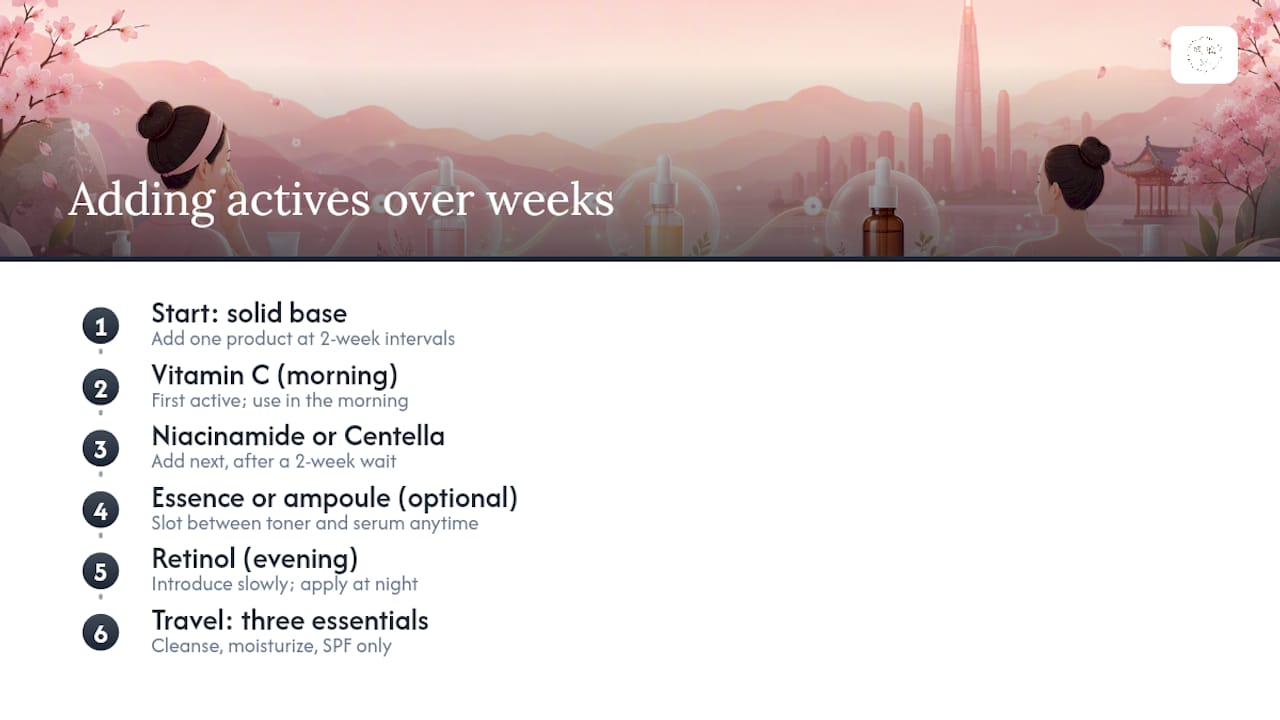
For travel or busy mornings, compress to the three essentials: cleanse, moisturize, SPF. The routine is a scaffold, not a rule.
What weekly extras actually improve your skin?
Weekly additions enhance texture and radiance, but only when the barrier is already stable. Treat them as refinements, not foundations.
-
Sheet masks (1–2x per week). A hydrating sheet mask saturated with centella, green tea, or rice extract delivers a concentrated dose of humectants and calming botanicals. Leave on for 15–20 minutes, then press the remaining serum into the skin rather than rinsing. Skip the moisturizer step afterward if the mask was rich enough.
-
Chemical exfoliation (1–2x per week, not on the same night as retinol). Enzymatic exfoliants (papaya or pineapple enzymes) and chemical acids (PHAs for sensitive skin, AHAs like lactic acid for dry skin, BHA like salicylic acid for oily or acne-prone skin) remove dead cell buildup that dulls the complexion. Physical scrubs, by contrast, create micro-tears in the skin and are best avoided entirely. Never exfoliate and use retinol on the same evening.
-
Sleeping pack (2–3x per week, PM only). A sleeping pack is an occlusive overnight mask applied as the final step. Formulas built on honey, ceramide-supporting plant oils, or centella work well for most skin types. Apply a thin layer over your moisturizer and rinse off in the morning.
-
DIY masks: when they’re safe and when they’re not. Plain rice water as a toner rinse has traditional use and some emerging clinical backing. A thin layer of raw honey as a mask has mild antimicrobial and humectant properties, but avoid it if you’re acne-prone. Green tea brewed and cooled makes a gentle antioxidant rinse. Beyond these, DIY formulations with citrus juice, baking soda, or undiluted essential oils carry real irritation risk and are worth skipping in favor of a formulated product.
-
Patch-test every new weekly treatment. Apply a small amount to the inner forearm or behind the ear for 24–48 hours before using it on your face. Redness, itching, or swelling within that window means the product is not right for your skin.
How do you choose clean Korean beauty products you can trust?
Shopping for plant-based Korean skincare requires a different lens than browsing conventional beauty. The label tells you most of what you need to know, if you know how to read it.
What to look for:
- Short ingredient lists with recognizable botanical names near the top
- Fragrance-free formulas, especially for sensitive or reactive skin
- Noncomedogenic oils (jojoba, squalane, sunflower) rather than coconut or palm
- Transparent preservative systems (phenoxyethanol, ethylhexylglycerin) rather than unlisted “natural preservatives”
- Cruelty-free certification from a recognized body
Ingredient red flags:
- Denatured alcohol (SD alcohol, alcohol denat.) listed in the first five ingredients: it accelerates absorption but strips the barrier with repeated use
- Fragranced essential oils (lavender, citrus, peppermint) in formulas marketed for sensitive skin: even natural fragrance is a common irritant
- Coconut oil in face products for acne-prone skin: comedogenic and likely to worsen breakouts
- “Natural SPF” claims from plant oils: no plant oil provides validated, reliable sun protection
A note on cross-border formulation differences: Korean sunscreens often use UV filters approved in Korea and the EU (such as Tinosorb S or Uvinul A Plus) that are not yet FDA-approved in the United States. This means some Korean sunscreens imported into the US may be sold as “sunscreen” under different regulatory frameworks. The practical advice is to prioritize texture and feel when choosing a sunscreen, because a formula you enjoy wearing is one you’ll actually use every day. For a deeper look at choosing clean beauty for sensitive skin, Purelightbotanicalbeauty’s guide walks through ingredient selection and certification cues in detail.
| Shopping checkpoint | What to check |
|---|---|
| Ingredient list position | Active botanicals in top 5 ingredients |
| Fragrance status | “Fragrance-free” or no parfum/fragrance listed |
| Oil type | Jojoba, squalane, sunflower — not coconut |
| Preservative transparency | Named preservative system, not vague “natural” |
| SPF validation | Formulated sunscreen, not plant oil |
| Certifications | Cruelty-free, clean-beauty verified where possible |
How do you adapt the routine for your skin type?
The plant-based K-beauty framework is flexible by design. These adjustments help you get results without triggering irritation.
Oily and acne-prone skin:
- Use a foaming or gel water-based cleanser rather than a cream formula
- Limit oil cleansing to evenings when you’ve worn SPF or makeup; skip it on bare-skin days
- Choose BHA (salicylic acid) as your chemical exfoliant; it penetrates the pore lining where AHAs cannot
- Avoid occlusive DIY masks (heavy honey layers, coconut oil) that can trap bacteria
- Stick to lightweight gel moisturizers and water-based sleeping packs
Dry and dehydrated skin:
- Lean into the 7-skin method with a deeply hydrating, alcohol-free toner
- Layer a humectant serum (glycerin, sodium hyaluronate) under a richer botanical cream
- Use a sleeping pack two to three nights per week as the final occlusive step
- Introduce a gentle oil blend (squalane or rosehip) as the last PM step in very dry climates
Combination skin:
- Zone-adapt your moisturizer: a lighter gel on the T-zone, a richer cream on the cheeks
- Apply BHA only to oily zones rather than across the full face
- Use the 7-skin method on drier areas and limit it to two to three layers on oilier ones
Sensitive and eczema-prone skin:
- Keep the ingredient list short: five to ten ingredients per product is a reasonable ceiling during flares
- Prioritize centella asiatica and colloidal oat extracts, both of which have clinical support for calming reactive skin
- Patch-test every new product before full-face use, without exception
- Avoid all fragranced products, including those with “natural” fragrance or essential oils
- Consult a dermatologist before introducing any active (retinol, AHA, BHA) if your skin barrier is compromised
For a curated list of non-toxic products for sensitive skin, Purelightbotanicalbeauty has assembled a practical starting point that aligns with these principles.
When will you see results, and what do you do when things go wrong?
Realistic expectations are part of what makes a routine sustainable.
-
Immediate (days 1–7). Skin feels more comfortable and hydrated. Tightness and dryness after cleansing should resolve within the first week if you’ve switched to a gentler cleanser.
-
Short-term (weeks 4–8). Texture begins to smooth. Tone looks more even. These changes reflect improved hydration and barrier function rather than cellular turnover, so they appear relatively quickly.
-
Medium-term (weeks 8–12). Hyperpigmentation fades gradually with consistent vitamin C use. Acne frequency may decrease with BHA and a simplified, non-irritating routine.
-
Long-term (months 3–6 and beyond). Collagen-related changes, fine line reduction, and significant pigmentation correction take months of consistent actives use. Retinoids show measurable results in clinical studies at the 12-week mark and beyond.
Purging vs. irritation vs. allergy: how to tell the difference.
Purging looks like small whiteheads or closed comedones in areas where you already break out, appearing within the first two to four weeks of starting a retinoid or BHA. It resolves on its own. Irritation looks like redness, stinging, or peeling that appears wherever you applied the product, often within hours. Allergy looks like hives, swelling, or intense itching, sometimes in areas beyond the application site.
-
When something goes wrong, scale back first. Return to the three-step base: cleanser, moisturizer, SPF. Wait one week for the skin to calm, then reintroduce products one at a time with a two-week gap between each. Keep a simple log: product name, date introduced, and any reaction. That record is invaluable when you’re trying to identify the culprit.
-
When to see a dermatologist. Persistent redness that doesn’t resolve after two weeks of a simplified routine, open sores, pain, or signs of infection require professional evaluation. Eczema flares that don’t respond to barrier-supportive care, or acne that worsens despite a gentle routine, also warrant a clinical visit rather than continued self-experimentation.
What do dermatologists actually say about this approach?
The principles underlying a plant-first K-beauty regimen align closely with what board-certified dermatologists recommend for long-term skin health.
Barrier support is the foundation. Korean skincare’s emphasis on hydration and gentle formulations reflects a dermatologist-backed understanding that a compromised barrier is the root cause of most common skin concerns, from sensitivity and redness to acne and accelerated aging. Products that leave skin feeling tight after cleansing are, by that standard, too stripping regardless of how “natural” their ingredient list appears.
The double-cleanse method has a clear scientific rationale: oil-based residues from sunscreen and sebum require an oil-soluble medium to dissolve, and a water-based cleanser alone cannot fully remove them without harsh surfactants. The two-step approach achieves thorough cleansing at a lower pH and with less friction than a single aggressive cleanser.
Vitamin C and retinoids have the strongest evidence base among topical actives for brightening, collagen support, and long-term skin quality. Both belong in a plant-informed routine, introduced slowly and used consistently. Daily SPF use remains the most evidence-backed antiaging measure available, and Korean sunscreens’ cosmetic elegance makes that daily habit significantly easier to maintain.
Pro Tip: If a product makes your skin feel tight within minutes of application, that’s your skin telling you the formula is too stripping. A well-formulated cleanser or toner should leave skin feeling comfortable and slightly dewy, not squeaky or dry.
For readers with reactive or eczema-prone skin, Purelightbotanicalbeauty’s collection of calming skincare examples offers a practical reference for centella and oat-based formulas that align with these dermatologist-backed principles.
Why ritual matters as much as the right ingredients
There is something quietly profound about the way Korean skincare reframes the daily routine. It’s not a correction protocol. It’s a practice of tending to yourself, one thin layer at a time, with ingredients drawn from the earth and refined by science.
At Purelightbotanicalbeauty, that philosophy resonates deeply. The brand was built on the belief that beauty and healing can come from the same source, and that belief shows up most clearly in how we think about skincare for sensitive and eczema-prone skin. The skin is not a problem to be solved. It’s a living system that responds to gentleness, consistency, and nourishment with botanical ingredients that have both traditional roots and emerging clinical support.
My recommendation for anyone beginning this practice: start with three steps. Cleanse gently, moisturize, and protect with SPF. Hold that foundation for a full month before adding anything else. When you’re ready to go further, the 7-Day Fresh Start Skin Ritual™ offers a structured, plant-based path through exactly that process, with guided steps designed to introduce each layer at a pace your skin can absorb. Beauty as healing is not a metaphor here. It’s the method.
The 7-Day Fresh Start Skin Ritual™ is your guided entry point
For readers who want a clear, structured path into plant-based K-beauty without the guesswork of building a routine from scratch, the 7-Day Fresh Start Skin Ritual™ from Purelightbotanicalbeauty offers exactly that.
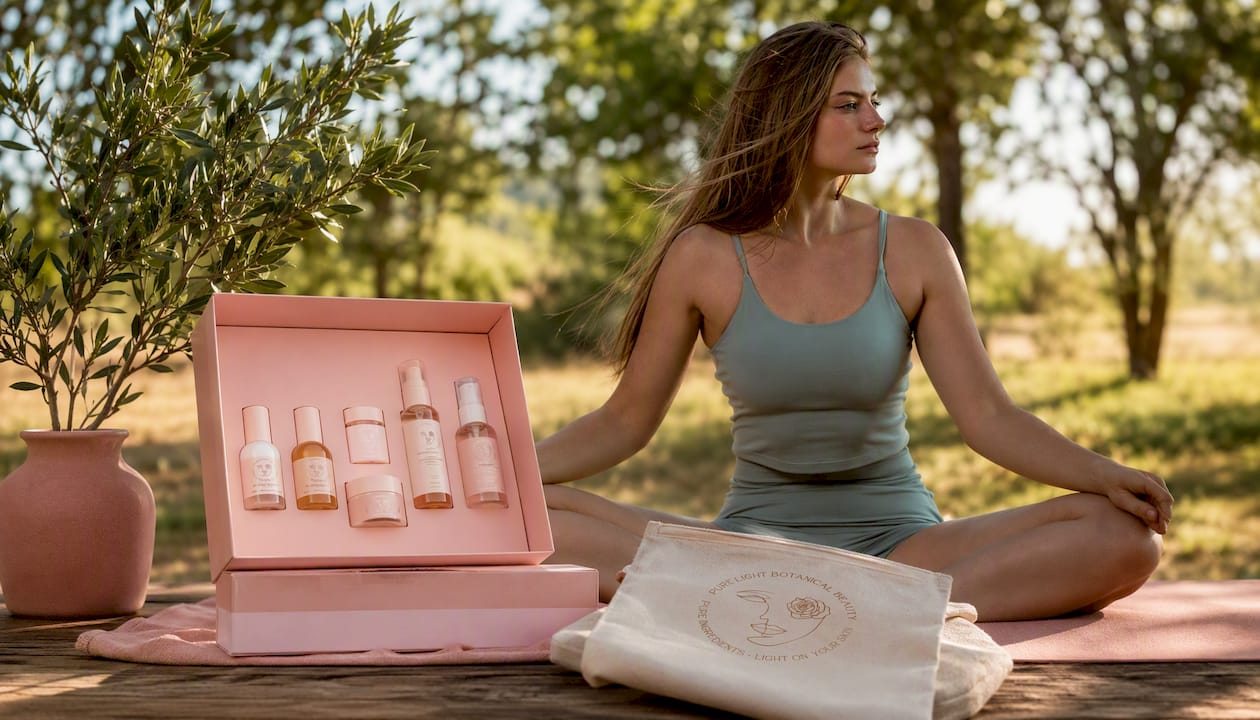
The program is a guided PDF ritual designed for beginners, those switching from conventional to plant-based formulas, and anyone with sensitive or eczema-prone skin who needs a careful, stepwise introduction to layering. It maps directly to the 3–4 step beginner routine outlined above, walking you through each day’s steps, ingredient rationale, and patch-testing checkpoints so nothing is rushed. It’s also a practical scaffold for building toward a fuller routine: once the seven days are complete, you have a stable baseline and a clear sense of how your skin responds to each layer.
One reminder that applies regardless of which path you take: sunscreen is non-negotiable. The ritual includes guidance on SPF selection, because no plant-based routine is complete without it. Start your practice today by exploring the 7-Day Fresh Start Skin Ritual™ and giving your skin the gentle beginning it deserves.
Useful sources and further reading
The following resources informed this guide and offer deeper reading on the principles covered:
-
Korean Skin Care Routines: What You Need To Know — Dermatologist-backed overview of barrier-first principles and the rationale for gentle, hydrating formulations over aggressive correction.
-
What Experts Really Think of the 10-Step Korean Skin-Care Routine (Vogue) — Expert commentary on the double-cleanse method and the “like dissolves like” science behind oil-based first cleansers.
-
Best Korean Skincare Routine 2026 (Jane Yoo, MD) — Board-certified dermatologist guidance on simplifying to a core routine, introducing actives slowly, and the value of consistency over step count.
-
Korean Skin Care Routine at Home Naturally (Best Asian Skincare Products) — Practical review of traditional botanical ingredients including rice bran extract and green tea EGCG, with notes on the small but supportive clinical evidence base.
Recommended
- Steps to Glowing Skin: Your Natural Radiance Guide – Pure Light Botanical Beauty
- Glowing Skin Steps for a Radiant Complexion Routine – Pure Light Botanical Beauty
- What to Use to Make Your Skin Glow Naturally Every Day – Pure Light Botanical Beauty
- Natural Beauty Routine Steps for Radiant, Healed Skin – Pure Light Botanical Beauty