

It Cosmetics CC+ Cream is a full-coverage, skincare-infused color corrector with built-in SPF, designed to even out redness and discoloration while doubling as a light anti-aging serum. It suits anyone who wants makeup-grade coverage without switching products for sun protection or hydration. Choose between the original matte-leaning formula, the Natural Matte version, or the dewier Nude Glow, depending on your skin type and finish preference.
TL;DR:
- The Natural Matte SPF 40 version controls oil and shine for up to 16 hours, making it ideal for oily or combination skin.
- The nude glow variant provides a luminous finish with sheer coverage, suited for normal to dry skin seeking a natural radiance.
- Hyaluronic acid in the formula delivers immediate hydration and plumping, while niacinamide and peptides support long-term skin tone and anti-aging benefits.
- Full coverage is buildable from medium to nearly full, but applying thin layers and matching the shade in natural light prevents a mask-like effect.
- To remove, double cleansing with an oil-based product followed by water-based cleanser helps eliminate pigment and SPF, preventing clogged pores.
Table of Contents
- What Are the Different It Cosmetics CC+ Cream Variants?
- Do the Active Ingredients Actually Do Anything?
- How Much Coverage Should You Actually Expect?
- Who Actually Benefits Most From This Formula?
- What Is the Right Way to Apply It?
- How Long Does It Really Last on Skin?
- Where Should You Buy It, and What Should You Expect to Pay?
- What Are Real Users Actually Saying About It?
- How Does It Compare to Other Coverage Options?
- How Do You Remove It and Fit It Into a Skincare Routine?
- Pure Light Botanical Beauty’s Take on Choosing Complexion Products
- A Gentler Complement to Your Complexion Routine
- Selected Reading and Evidence
- FAQ
What Are the Different It Cosmetics CC+ Cream Variants?
It Cosmetics built its CC+ Cream line around one core idea: a single product should correct color, protect skin, and treat it like skincare all at once. From there, the brand split the formula into three distinct paths, each built for a different skin type and finish preference.
The original CC+ Cream with SPF 50+ is the flagship. It delivers full, buildable coverage and broad-spectrum sun protection strong enough to function as a daily defense layer, not just an afterthought. Editorial testers consistently point to it as one of the more reliable full-coverage CC creams on the market, with skincare ingredients folded into the base rather than tacked on as marketing.
The Natural Matte SPF 40 version trades some of that dewiness for oil control. It is formulated for people whose skin gets shiny by midday, with some marketing claims of shine control lasting up to 16 hours under normal wear conditions.
The Nude Glow variant softens the finish into something closer to a lit-from-within look, aimed at normal to dry skin that wants radiance without obvious shimmer particles.
Shade range matters here too. It Cosmetics offers an extended shade selection across these variants, which helps address a common complaint about CC creams: that deeper and lighter skin tones get an afterthought of two or three shades while mid-range tones get a dozen.
- Original CC+ Cream (SPF 50+): Full coverage, natural satin finish, strongest sun protection claim.
- Natural Matte (SPF 40): Oil control, longer-wear claims, best for combination to oily skin.
- Nude Glow: Sheerer application with a luminous finish, best for normal to dry skin.
Whichever version you’re weighing, matching the finish to your actual skin behavior, not just the marketing photo, is the first real decision to make.
Do the Active Ingredients Actually Do Anything?
Yes, though not all of them work on the same timeline, and that distinction matters more than the ingredient list itself. It Cosmetics CC+ Cream is built around four names you’ll see repeated across its marketing: hyaluronic acid, niacinamide, peptides, and vitamin E.
Hyaluronic acid works immediately. It draws moisture into the skin’s surface layer, which is why CC creams with hyaluronic acid tend to look plumper and less cakey than older-generation full-coverage foundations. This is a same-day effect, not a long-term skin change.
Niacinamide has a more credible case for improving the appearance of tone and redness over time, though the amount in any leave-on cosmetic is smaller than what you’d get from a dedicated serum. Think of it as a supporting player, not the main treatment.
Peptides are the ingredient most likely to be oversold. Peptides can support the skin’s collagen signaling over consistent, long-term use, but a CC cream worn for eight hours a day is not a substitute for a real anti-aging routine. Treat any “anti-aging” claim on the packaging as a bonus, not a reason to skip your actual serum.
Vitamin E functions as an antioxidant and a stabilizer for the formula itself, offering modest protective benefits against environmental stress.
- Hyaluronic acid: hydration and plumping, visible same day.
- Niacinamide: supports tone and redness over consistent use.
- Peptides: marginal, long-term anti-aging support at best.
- Vitamin E: antioxidant protection, formula stability.
If you have sensitive or eczema-prone skin, patch-test on your inner arm for 24 to 48 hours before applying anywhere near your face. Editorial testers and reviewers routinely recommend this step for CC creams specifically because the pigment load is higher than in lighter BB formulas, which raises the odds of a reaction going unnoticed until it’s already spread.
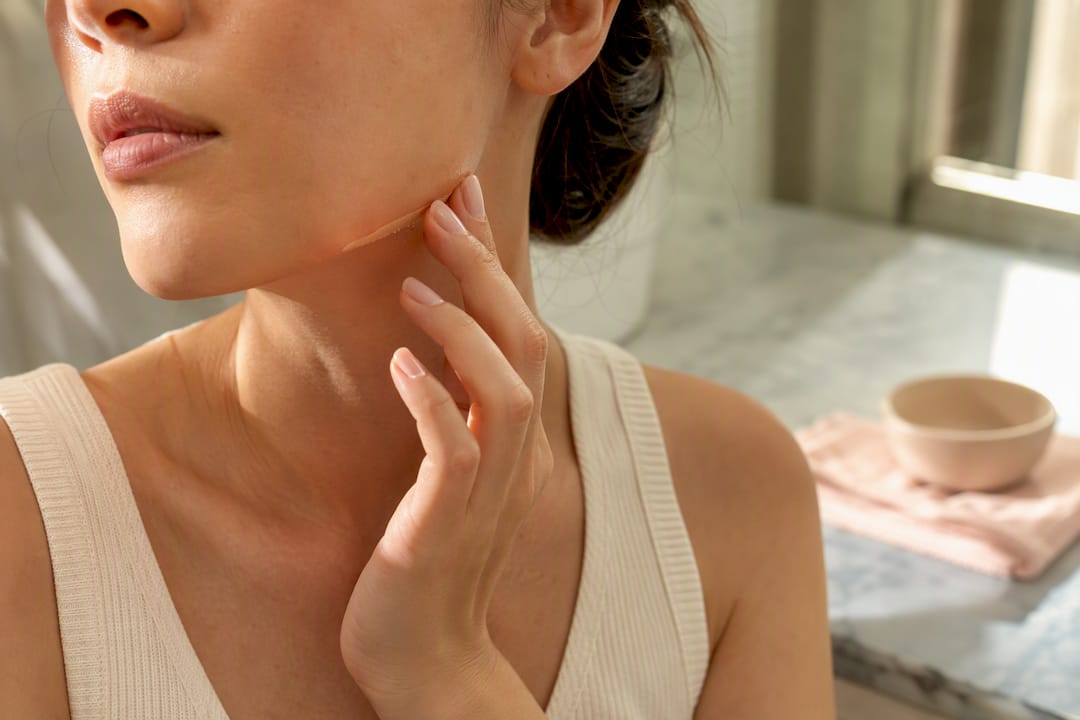
Pro Tip: Apply a small amount along your jawline and wear it for a full day before committing to a full-face application. Reactions to fragrance or preservatives in high-coverage formulas often show up as mild irritation, not obvious redness, so give it real time before deciding.
How Much Coverage Should You Actually Expect?
CC+ Cream builds from medium to nearly full coverage, and that range is the whole point. Editorial testers describe the coverage as buildable and close to full when layered, but the smart approach is to start light. Apply a thin layer everywhere, then go back in only over blemishes, dark spots, or areas of visible redness. Building coverage this way avoids the mask-like look that gives full-coverage products a bad reputation.
Finish behavior differs by variant. The original formula leans satin and can emphasize texture around the nose and cheeks if applied too heavily. The Natural Matte version resists shine but can also settle into fine lines or enlarged pores if you skip a hydrating base. Nude Glow is the most forgiving on texture because it’s sheerer by design, but it offers the least correction for genuine redness or discoloration.
Shade matching a high-pigment CC cream takes a bit more care than a regular foundation, since testers report that pigment-dense formulas can shift slightly after application and look different under artificial light than they do outdoors.
- Swatch two or three shades along your jawline, never the back of your hand.
- Step outside or stand near a window and check the swatches in natural light.
- Let the swatches sit for 10 minutes. Some formulas oxidize slightly and read warmer than they first appeared.
- Pick the shade that disappears into your neck, not just your face, to avoid a visible line.
- If shopping online only, order two adjacent shades and return whichever doesn’t match, rather than guessing from a screen.
That last step matters more than people expect. Screen calibration varies enough between phones and monitors that even careful shoppers get burned buying complexion products sight-unseen.
Who Actually Benefits Most From This Formula?
CC+ Cream earns its keep with people who want one product to replace three steps: color correction, light treatment, and sun protection. But “best for everyone” isn’t accurate, and matching the variant to your skin type changes the outcome significantly.
- Oily or combination skin: the Natural Matte version, applied thin, controls shine without the powdery cakiness some mattifying formulas cause.
- Normal to dry skin: the original formula or Nude Glow, since dry skin shows texture emphasis fastest in matte products.
- Mature skin: beauty editors who specialize in testing products on mature skin note that CC creams work well here specifically because they can be built in sheer layers that sit on top of skin rather than settling into fine lines, a common failure point for heavier foundations.
- Redness or mild rosacea: the higher pigment load in CC formulas does genuine color correction that a tinted moisturizer usually can’t match.
The caution list is shorter but worth taking seriously. Very dry skin without a hydrating base underneath can look flaky within hours, textured or enlarged pores tend to look more visible under a heavier matte finish, and anyone with a history of skin allergies or active eczema should patch-test before applying this near active flare areas. A full-coverage cosmetic formulated for correction, not comfort, is not automatically the gentlest choice for compromised or reactive skin.
What Is the Right Way to Apply It?
Application order and tool choice change the outcome as much as the product itself. It Cosmetics CC+ Cream already carries hydrating ingredients, so a full moisturizer step underneath is optional for normal skin, but very dry or mature skin still benefits from a light hydrating layer first to prevent the formula from clinging to dry patches.
- Prep skin with a light moisturizer if your skin runs dry, or skip straight to CC cream if your skin is already well hydrated.
- Apply with fingers for the sheerest, quickest look. Body heat from fingertips helps the product melt into skin naturally.
- Use a dense buffing brush if you want fuller coverage and a more polished finish, especially for redness correction.
- Try a damp makeup sponge for a middle ground. This method tends to produce the most skin-like texture and avoids the streaking that dry brushes can leave.
- Set only where needed with a light powder, focusing on the T-zone rather than the whole face, to avoid emphasizing any texture the formula picked up.
If you’re relying on the built-in SPF as your only sun protection for a full day outdoors, editors who cover sunscreen and makeup overlap consistently point out that built-in SPF is convenient but isn’t a substitute for a dedicated, reapplied sunscreen during extended exposure. A quick midday blot with a tissue, followed by a small amount of setting powder, refreshes the look without disturbing the coverage underneath.
Pro Tip: For spot concealing after your CC cream has set, dab a slightly thicker layer over blemishes using a small brush rather than reapplying all over. It keeps coverage targeted instead of building up a visible cakey layer across your whole face.
How Long Does It Really Last on Skin?
Long-wear claims on the Natural Matte variant advertise extended shine control, and editorial testers regard this as a best-case scenario rather than a guarantee across all skin types and climates. Heat, humidity, and genuinely oily skin will shorten that window.
Real-world reviewer reports are more mixed on two specific points: texture emphasis and oxidation.
- Testers commonly note the formula can settle into and emphasize texture, particularly around the nose, if applied too thickly or over unmoisturized skin.
- Slight oxidation over the first few hours of wear is a common report with high-pigment CC creams generally, not unique to this brand.
- Choosing a slightly cooler or more neutral undertone than you think you need can offset that oxidation shift before it becomes noticeable.
- Setting with a light dusting of translucent powder shortly after application reduces both texture emphasis and the speed of oxidation.
The practical takeaway: judge the product on how it looks four hours in, not straight out of the tube. That’s when texture emphasis and color shift actually show up.
Where Should You Buy It, and What Should You Expect to Pay?
It Cosmetics CC+ Cream is sold through the brand’s own site, major beauty retailers, and department store beauty counters, with pricing that typically lands in the mid-range for prestige complexion products rather than drugstore or ultra-luxury territory.
- Brand website: often the most reliable source for the full shade range and current formula variants.
- Major retailers: convenient for combining with other purchases, but shade availability can lag behind the brand’s own site.
- In-store counters: the only reliable way to physically test a shade before buying, especially if you have an unusual undertone.
- Auto-replenish or subscription options: worth considering only if you’ve already confirmed your shade and finish preference, since return policies on subscribed shipments can be stricter.
Buying in person lets you swatch and walk outside to check the shade in daylight, solving the oxidation and lighting problem before you’ve spent anything. Buying online is faster and often cheaper if a promotion is running, but you’re relying entirely on screen color accuracy and swatch photos from strangers.
If a shade or finish doesn’t work once you get it home, check the return window before opening the product fully. Most retailers won’t accept a return on an opened cosmetic, but many will exchange for a different shade if the seal is intact and you’re within the return period.
What Are Real Users Actually Saying About It?
The feedback pattern across independent reviews is fairly consistent: people love the coverage-to-weight ratio, and the complaints cluster around two predictable issues.
On the positive side, reviewers consistently praise how much correction the formula delivers without feeling like a mask. People managing rosacea or post-acne redness report that a thin layer neutralizes more discoloration than they expected from something marketed as lightweight. The SPF inclusion also gets repeat praise from people who previously wore a separate sunscreen under makeup and found it easier to skip that step, though editors are quick to caution against treating that as a full substitute during long outdoor exposure.
On the critical side, the two most repeated complaints are the same ones editorial testers flag: texture emphasis on drier skin and mild oxidation over several hours of wear. A smaller subset of reviewers with fragrance sensitivity report irritation, which reinforces why patch-testing before full application matters more with this formula than with fragrance-free alternatives.
What’s notable is how few complaints center on actual coverage failure. Almost nobody says it doesn’t cover what they need it to cover. The friction is almost entirely about finish behavior over time, not the initial application.
How Does It Compare to Other Coverage Options?
The most useful comparison isn’t between individual brands. It’s between product categories, because that’s what actually determines whether CC+ Cream is the right tool for your skin.
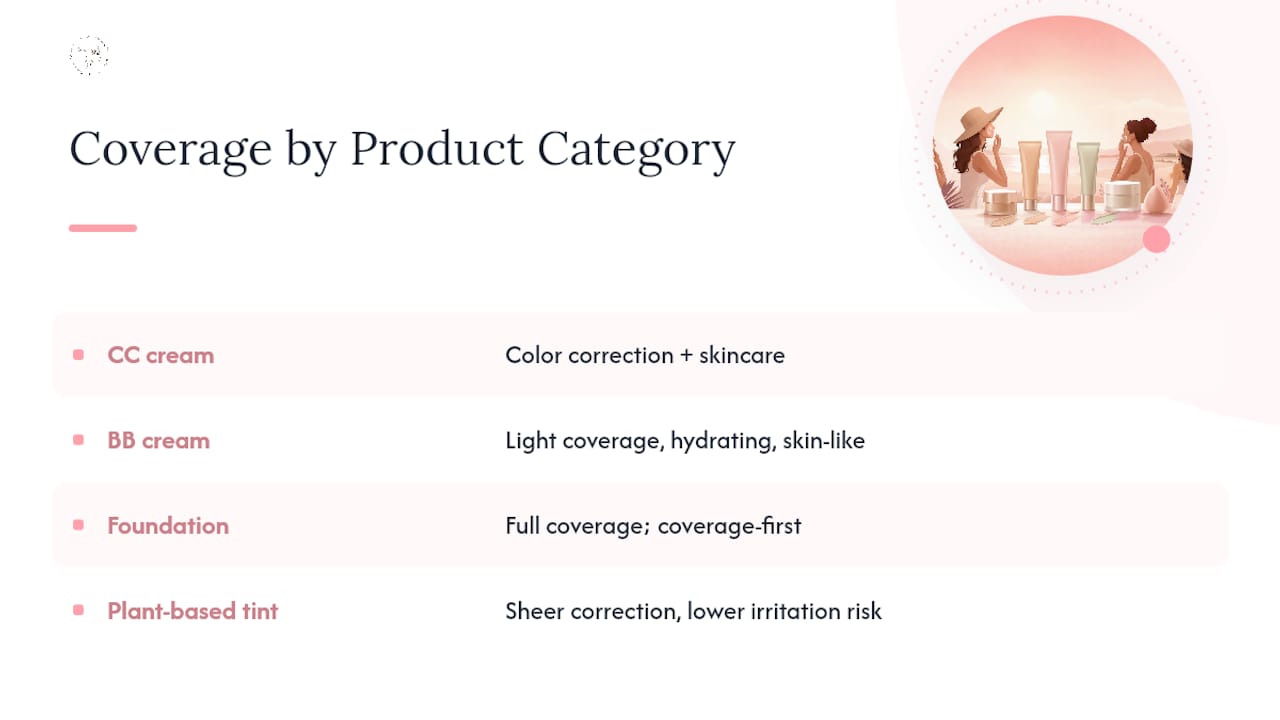
CC creams versus BB creams comes down to job description. CC creams generally carry more pigment and are built to correct visible discoloration and redness, while BB creams stay lighter and prioritize hydration and a barely-there look. If you need genuine color correction, a CC cream is doing a job a BB cream simply isn’t designed for. If you want minimal coverage and a skin-like finish with less commitment, a BB cream is the better fit.
CC creams versus traditional foundation is a texture and intent question. Traditional full-coverage foundation is built purely for coverage, without the skincare-active framing CC creams lean on. If your priority is coverage above all else, foundation still wins on raw pigment payload. If you want a hybrid that treats skin while it covers, CC creams close that gap better.
Heavier CC formulas versus lightweight, plant-based tints is the comparison worth taking seriously if you have reactive or eczema-prone skin. A high-pigment, high-SPF CC cream isn’t formulated with sensitivity as the priority. A gentler tinted product can offer sheer correction with a much lower irritation risk, at the cost of less dramatic coverage. Neither option is universally right. It depends on whether your skin’s biggest need is correction or calm.
How Do You Remove It and Fit It Into a Skincare Routine?
Removing a full-coverage CC cream properly matters more than people assume, because leftover pigment and SPF filters sitting on skin overnight can contribute to clogged pores regardless of how “skincare-infused” the marketing claims to be.
Start with an oil-based cleanser or micellar water to break down the pigment and sunscreen filters, since water-based cleansers alone often aren’t enough to fully lift a high-coverage formula. Follow with a gentle water-based cleanser to remove any residue left behind by the first step, sometimes called double cleansing. Skipping this second step is the most common reason people wake up with clogged pores after wearing heavy coverage the day before.
Once skin is clean, resume your normal routine, serum, moisturizer, and any treatment products, exactly as you would on a makeup-free day. CC+ Cream sitting on top of skin all day doesn’t interfere with your nighttime actives, but it does mean your skin has been under a barrier for hours, so a slightly richer moisturizer that evening can help restore comfort, especially if you’re using the Natural Matte variant, which tends to be more drying by design.
Pure Light Botanical Beauty’s Take on Choosing Complexion Products
High-performance CC creams like this one earn their popularity honestly. Full coverage, SPF, and visible correction in one step is a real convenience, and we won’t pretend otherwise. But performance and comfort aren’t always the same axis, and skin that reacts easily deserves a say in the trade-off.
For reactive, eczema-prone, or simply cautious skin, a lightweight botanical primer or tint underneath heavier coverage can act as a buffer between skin and dense pigment, reducing direct irritation without sacrificing the correction you actually need. A hybrid approach, botanical tint where your skin is calm, heavier CC cream only where correction is essential, respects both goals at once.
— Caitlin Grey
A Gentler Complement to Your Complexion Routine
If a full-coverage CC cream feels like more intensity than your skin wants on a daily basis, Purelightbotanicalbeauty’s Botanical Crème Blush line offers a plant-based way to add color and warmth without the density of a full pigment load.
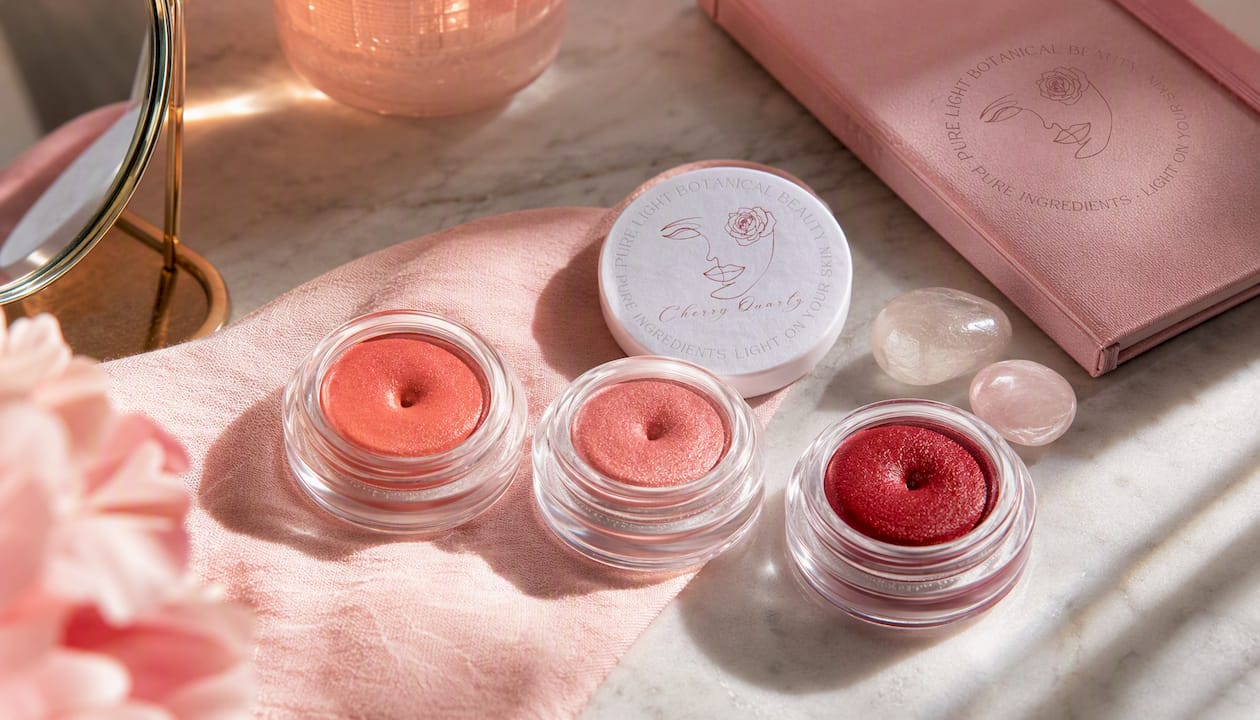
The Botanical Crème Blush in Cherry Quartz gives a warm, buildable flush that works beautifully dabbed sparingly over a CC cream to counter any flatness, while the Rose Quartz shade leans cooler and softer for everyday wear. For deeper, more saturated color, the Ruby shade adds dimension without needing a heavy hand. All three are formulated with sensitive and eczema-prone skin in mind, so they layer easily over or under a heavier complexion product without fighting your skin barrier.
Patch-test any new product for 24 hours before full application, especially if you’re combining it with a high-pigment formula for the first time. Shop the full shade range and find the tone that fits your routine at Purelightbotanicalbeauty.
Selected Reading and Evidence
- Allure — editorial comparisons of BB and CC cream formulas and sun protection guidance.
- Byrdie — hands-on testing notes on coverage, finish, and application technique.
- Marie Claire — expert testing focused on mature skin and layering strategy.
- Today — consumer-facing shade matching and oxidation guidance.
FAQ
Which One Is Better, BB or CC Cream?
Neither is universally better. CC creams carry more pigment and correct discoloration or redness, while BB creams stay lighter and prioritize hydration and a natural, barely-there look.
What Skin Type Is It Cosmetics CC Cream Best For?
The Natural Matte variant suits oily and combination skin best, while the original formula and Nude Glow work better for normal, dry, or mature skin that wants a more luminous finish.
Do You Wear Moisturizer Under It Cosmetics CC Cream?
It’s optional since the formula already contains hydrating ingredients, but very dry or mature skin often looks better with a light moisturizer applied first to prevent the formula from clinging to dry patches.
Does It Cosmetics CC+ Cream Replace Sunscreen?
It offers real broad-spectrum protection at SPF 50+ or SPF 40 depending on the variant, but editors advise against relying on it alone during extended outdoor exposure without reapplying a dedicated sunscreen.
How Do You Stop It From Emphasizing Texture?
Apply in thin layers, prep with a light moisturizer if your skin runs dry, and set with a small amount of powder rather than a heavy dusting, since over-application is the most common cause of texture emphasis.