

Three habits create real, lasting glow: broad-spectrum sunscreen SPF 30+, gentle cleansing, and consistent moisturizing. Beyond that foundation, a small rotation of safe homemade masks and scrubs, matched to your skin type, can visibly amplify what your daily basics already build. The key is restraint: patch-test every new mix, and simplify or swap ingredients if your skin is sensitive or eczema-prone.
TL;DR:
- Homemade masks and scrubs are effective only when matched to skin type, patch-tested, and used consistently over weeks rather than days.
- Key ingredients like honey, yogurt, oats, aloe vera, and rosewater are generally safe, but high-risk ingredients such as citrus or high-dose oils should be avoided, especially for reactive skin.
- Patch testing new treatments on the inner forearm or behind the ear and storing small batches in clean containers reduces irritation risk.
- A basic routine with broad-spectrum SPF, gentle cleansing, and moisturizer remains more important than frequent DIY treatment layering.
- For those seeking consistency and safety, a tested, structured skincare ritual can outperform DIY recipes that vary batch to batch.
Table of Contents
- Beauty Tips for Glowing Skin Homemade: Recipes by Skin Goal
- How to Build a Simple AM/PM Homemade Skincare Routine
- How Do You Patch Test Homemade Skincare Safely?
- What Lifestyle Habits Support Naturally Glowing Skin?
- A 3-Minute Homemade Glow Routine for Busy Mornings
- Why Formulation Expertise Still Matters for Sensitive Skin
- The Overlooked Truth About Homemade Skincare
- When a Formulated Ritual Beats DIY: You Glow Girl™
- Sources Behind This Guide’s Safety and Routine Claims
- FAQ
Beauty Tips for Glowing Skin Homemade: Recipes by Skin Goal
The kitchen has more skincare power than most people give it credit for, but only when you use it with intention. Below is a working library of homemade beauty tips for glowing skin, organized by what your skin actually needs rather than what looks impressive on a shelf. Pick one or two, use them consistently, and resist the urge to layer five treatments in a single week.
1. Honey and Yogurt Hydrating Mask. Mix two tablespoons of plain yogurt with one tablespoon of raw honey. Honey draws in moisture while lactic acid in yogurt softens rough patches. Apply for 10 to 15 minutes, rinse with cool water. Best for dry or dull skin, once or twice weekly. Skip if you have a dairy allergy.
2. Oatmeal and Honey Soothing Scrub. Grind plain oats into a coarse powder, mix with warm water and a spoon of honey. Oats calm inflammation while gently lifting dead skin. Massage in circular motions for one minute, rinse. Ideal for sensitive or eczema-prone skin, once weekly, since oats are one of the few exfoliants gentle enough for reactive skin.
3. Aloe Vera Gel Calming Treatment. Apply pure aloe vera gel straight from the leaf or a clean, additive-free bottled version. It cools inflamed or sunburned skin and works as a lightweight moisturizer underneath makeup. Use nightly if needed, leave on or rinse after 20 minutes. Suits nearly every skin type, including reactive skin, since aloe is humectant-based rather than oil-heavy.
4. Turmeric and Yogurt Brightening Mask. Combine a small pinch of turmeric (too much stains and irritates) with two tablespoons of yogurt. This mix supports a more even-looking tone over time. Leave on 10 minutes, rinse well to avoid a yellow tint. Use once weekly, and always patch-test since turmeric is a documented trigger for some sensitive skin types.
5. Green Tea Antioxidant Toner. Brew green tea, cool it completely, and store in a spray bottle. Topical antioxidants from foods and teas have been linked in clinical reviews to improved circulation and a healthier-looking complexion. Mist onto clean skin morning or night. Fits all skin types and doubles as a refreshing midday spritz.
6. Coffee Body Scrub. Mix used coffee grounds with coconut oil or a light carrier oil. The grit buffs rough skin on elbows, knees, and legs while caffeine may temporarily tighten the look of skin. Use on the body only, once weekly, and avoid the face where grounds are too abrasive.
7. Sugar Lip Scrub. Combine one teaspoon of sugar with a few drops of honey or olive oil. Massage lips gently for 30 seconds, rinse. This is one of the gentlest homemade exfoliants available and works well twice weekly for flaky, chapped lips.
8. Rosewater Mist. Pure rosewater hydrates, soothes redness, and works as a gentle toner for sensitive skin. Spray after cleansing or over makeup for a refresh. Rosewater is a smart citrus swap for anyone whose skin reacts to lemon or lime based recipes.
9. Papaya Enzyme Mask. Mash ripe papaya and apply a thin layer for 10 minutes. Natural enzymes gently dissolve dull surface cells without the friction of a physical scrub. Good for normal to oily skin, once weekly.
10. Cucumber and Aloe Cooling Gel. Blend cucumber with a spoon of aloe vera gel, chill, and apply for 15 minutes. This combination reduces puffiness and calms irritated or overheated skin after sun exposure.
11. Coconut Oil Nighttime Seal. A small amount of coconut oil, warmed between fingertips, locks in moisture on very dry patches. Reserve it for dry skin types only. It’s too heavy and pore-clogging for oily or acne-prone skin.
12. Egg White and Honey Tightening Mask. Whisk one egg white with a teaspoon of honey. This mix temporarily tightens the look of pores and adds shine. Leave on until it feels tight, about 10 minutes, then rinse. Use occasionally, not weekly, since egg white can be drying with overuse.
For sensitive or eczema-prone skin, a few swaps matter more than the recipe itself:
- Replace turmeric or citrus-based masks with rosewater or plain aloe.
- Skip essential oils entirely, or dilute to a fraction of a drop per tablespoon of carrier.
- Choose humectant-based options like aloe and glycerin-rich yogurt over heavy occlusive oils on active flare areas.
- Always patch-test, even with “gentle” ingredients like honey or oats.
Pro Tip: Facial massage while applying any of these masks increases blood flow and lymphatic drainage, which adds a visible brightness that the mask ingredients alone can’t fully deliver.
How to Build a Simple AM/PM Homemade Skincare Routine
Consistency beats novelty. Dermatology guidance backs this directly: two or three reliable steps, repeated daily, outperform a constantly changing lineup of trendy ingredients. Here’s how to structure your day around that principle.
Morning routine:
- Cleanse gently with a mild, fragrance-free cleanser or plain water if your skin is very reactive.
- Mist with green tea toner or aloe vera spritz to rehydrate.
- Apply a lightweight moisturizer while skin is still slightly damp.
- Finish with broad-spectrum SPF 30+, using a palm-sized amount for full facial coverage.
Evening routine:
- Remove makeup fully; double-cleanse if you wore heavy coverage that day.
- Apply your scheduled homemade treatment (a mask or scrub, per the weekly plan below), not every night.
- Follow with moisturizer to seal in whatever the treatment added.
Weekly structure:
- Exfoliate (oatmeal or sugar scrub) once, maybe twice, for sensitive skin.
- Apply a hydrating or brightening mask once or twice, never stacking two active treatments in the same 24 hours.
- Give skin at least one treatment-free night to simply rest with cleanser and moisturizer alone.
When introducing a new homemade treatment, add it gradually. Use it once, wait three to four days, and watch for redness, tightness, or breakouts before folding it into a regular rotation. This single habit prevents most of the irritation people blame on “sensitive skin” when the real cause is trying four new things in one week. For a deeper breakdown of ordering products correctly, layering skincare naturally explains why sequence matters as much as ingredients. You can also see a fuller natural beauty routine breakdown for extending this framework season to season.
How Do You Patch Test Homemade Skincare Safely?
Patch test every new mixture on your inner forearm or behind the ear, and wait at least 24 hours before applying it to your face. This 24-hour window is long enough to catch most allergic or irritant reactions before they hit sensitive facial skin. Stop immediately if you notice redness, itching, swelling, or burning; rinse well and skip that ingredient going forward.
Sanitation matters just as much as the recipe. Keep these rules in place:
- Mix small batches you’ll use within days, not jars meant to last months.
- Store water-containing recipes (rosewater mists, cucumber gels) in the refrigerator and use them within one to two weeks.
- Use clean glass jars and a spoon or spatula rather than fingers, to avoid introducing bacteria through double-dipping.
- Oil-based blends last longer than water-based ones but still deserve small-batch prep and clean tools.
Watch for common DIY irritants: undiluted citrus juice, high concentrations of essential oils, and frequent baking soda use. Dermatology research consistently flags over-exfoliation and harsh home alkalis as leading causes of a damaged skin barrier, not the “purging” some DIY forums claim it to be. If a homemade treatment causes ongoing redness, flaking, or a flare in eczema-prone areas, stop and consult a dermatologist rather than troubleshooting with more home remedies.
Pro Tip: If you have eczema-prone skin, track your skin’s response over several weeks before adding a second new treatment. This makes it far easier to identify exactly what caused a reaction, instead of guessing among three ingredients at once.
What Lifestyle Habits Support Naturally Glowing Skin?
Daily use of broad-spectrum sunscreen with sufficient SPF is among the most effective habits for preventing premature aging and preserving even skin tone. Reapply after sweating or swimming, and use a palm-sized amount to cover your full face and neck.
Hydration and diet play a supporting role. Water intake, antioxidant-rich fruits and vegetables, and healthy fats give your skin the raw materials to repair itself. Diet, gut health, and skin outcomes appear linked in emerging research, though results vary enough that probiotics should be treated as a complementary measure, not a replacement for sunscreen and moisturizer.
Skin repair, including collagen production, happens primarily during sleep, which is why experts recommend 7 to 8 hours nightly for both brain and skin health.
A few more habits round out the picture:
- Limit showers to a short duration with warm, not hot, water to preserve the skin’s natural oils rather than stripping them.
- Manage stress where you can; chronic stress shows up on skin as dullness and flare-ups long before it shows up anywhere else.
- Avoid smoking, which accelerates fine lines and dulls circulation over time.
A 3-Minute Homemade Glow Routine for Busy Mornings
Some mornings don’t allow for twelve-step anything. This compressed version keeps the essentials intact.
- Splash or gently cleanse with a mild face wash, about 30 seconds.
- Mist with a chilled aloe vera or rosewater spray for instant hydration.
- Pat in a lightweight facial oil or moisturizer while skin is still damp.
- Apply broad-spectrum sunscreen as the final step, an essential practice even on cloudy days.
For a weekly glow boost that takes almost no extra effort, mix one tablespoon of yogurt with one teaspoon of honey, apply for 10 minutes while you handle something else, then rinse in the shower.
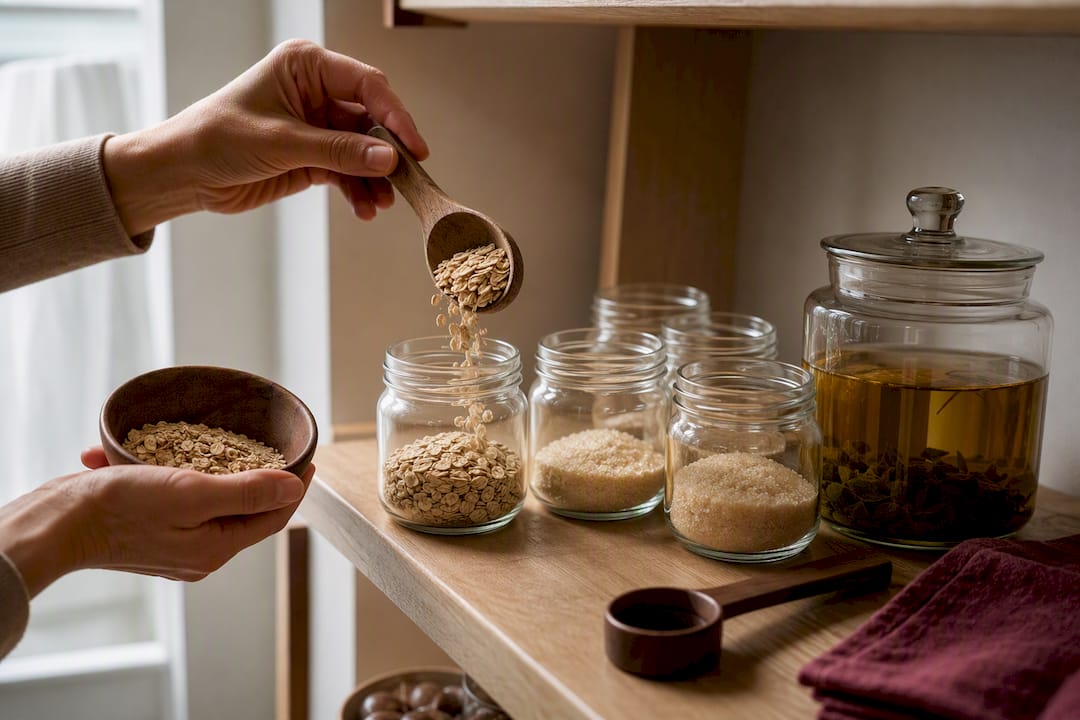
Prepping ahead saves real time. Pre-measure dry ingredients like oats and sugar into small jars over the weekend, and keep a bottle of rosewater or brewed green tea toner in the fridge so your only daily task is applying it, not making it.
Why Formulation Expertise Still Matters for Sensitive Skin
I’m Caitlin Grey, and my work with Purelightbotanicalbeauty centers on one belief: beauty and healing come from the same source. That’s why this guide leans so heavily on barrier-friendly ingredients and explicit safety steps rather than trendy, aggressive treatments.
Homemade recipes have real value for simple weekly maintenance, a mask here, a scrub there. But when skin is eczema-prone or chronically reactive, stability and testing start to matter more than customization. A jar of honey and yogurt varies batch to batch; a formulated product doesn’t. That’s the tradeoff worth understanding before you commit to an all-DIY approach, and it’s one we’ll expand on with more of our own case notes and testing as this guide grows.
The Overlooked Truth About Homemade Skincare
Most homemade skincare advice treats every recipe as universally safe simply because it’s “natural.” That’s the biggest gap in conventional advice: natural doesn’t mean neutral. Turmeric stains and irritates some skin. Undiluted citrus damages the barrier. Even honey, gentle as it seems, isn’t safe for everyone.
What the research actually supports is narrower and more useful than most lists admit: a handful of humectant-based ingredients, aloe, honey, oats, rosewater, cover most skin types safely, while the flashier options (citrus, high-dose essential oils, baking soda) carry real risk for reactive skin. Prioritize the boring basics first: sunscreen, gentle cleansing, moisturizer. Add one homemade treatment at a time, patch-test it, and give it weeks before judging results. Glow isn’t built in a weekend, and the recipes that promise otherwise are usually the ones that cause a setback.
— Caitlin Grey
When a Formulated Ritual Beats DIY: You Glow Girl™
Homemade treatments earn their place, but they demand a kitchen, patience, and trial and error most weeks don’t allow. You Glow Girl™ ~ Transformative Beauty Rituals offers what a mixing bowl can’t: a curated, step-by-step program built for consistency, without the batch-to-batch guesswork of DIY.

It suits readers who want the barrier-friendly philosophy in this guide, gentle, plant-forward, sensitive-skin-aware, but packaged into a tested ritual they can follow daily without second-guessing ingredient ratios. If your skin is eczema-prone, chronically reactive, or you simply want a program instead of a recipe box, a formulated ritual gives you stability that raw kitchen ingredients can’t guarantee batch to batch. Explore You Glow Girl™ and see whether a structured, tested approach fits your skin better than another round of trial-and-error mixing.
Sources Behind This Guide’s Safety and Routine Claims
- Mayo Clinic Health System — sun protection and SPF guidance
- Experience Life — dermatologist guide to effective, simple skincare
- PMC reviews — diet, gut health, and topical antioxidants in skin outcomes
FAQ
How often should I exfoliate homemade skincare?
Once weekly works for most skin types; sensitive or eczema-prone skin should limit gentle exfoliants like oatmeal to once weekly at most, since over-exfoliation damages the skin barrier.
Can homemade face masks really make skin glow?
Yes, when matched to your skin type and used consistently. Masks like honey-yogurt or turmeric-yogurt support hydration and tone, but they work best alongside sunscreen, cleansing, and moisturizing, not as a replacement for them.
How long should I patch test a new DIY recipe?
Apply it to your inner forearm or behind your ear and wait at least 24 hours, watching for redness, itching, or swelling before using it on your face.
Is coconut oil good for all skin types?
No. Coconut oil suits dry skin well but is too heavy and pore-clogging for oily or acne-prone skin, where lighter options like aloe vera or rosewater work better.
What’s a faster alternative to mixing homemade recipes weekly?
A formulated program like Purelightbotanicalbeauty’s You Glow Girl™ offers tested, ready-to-use rituals for readers who want the same barrier-friendly philosophy without weekly kitchen prep.