

The most effective tips for glowing skin homemade routines rely on are also the simplest: gentle cleansing, weekly exfoliation, aloe vera soothing treatments, hydrating DIY masks, daily SPF 30 protection, consistent moisturizing, nourishing your skin from within through diet and water, and protecting your rest. These eight pillars, backed by the American Academy of Dermatology’s endorsement of simplified routines and supported by Mayo Clinic’s sunscreen guidance, form a complete, low-cost system you can start today.
This morning: Cleanse with lukewarm water, apply a light moisturizer, and finish with broad-spectrum SPF 30. Tonight: Double-cleanse if you wore sunscreen, apply a thin layer of aloe vera gel or a honey mask, and moisturize while your skin is still slightly damp.
SPF 30 is the minimum. Mayo Clinic recommends applying a palm-sized amount of broad-spectrum sunscreen with at least SPF 30 and reapplying every two hours, or after swimming or sweating.
Purelightbotanicalbeauty’s philosophy has always been that a nourishing daily ritual does not need to be complicated to be transformative. The pantry ingredients below prove that point.
Key Takeaways
Consistent, gentle care using SPF 30, a simple cleanser, and one or two targeted DIY treatments each week produces more lasting radiance than any single intensive treatment.
| Point | Details |
|---|---|
| SPF 30 is non-negotiable | Apply broad-spectrum SPF 30 every morning and reapply every 2 hours outdoors. |
| Patch-test every new ingredient | Apply to the forearm for 48 hours before using any DIY mixture on your face. |
| Sleep 7–8 hours | Consistent sleep supports skin hydration, firmness, and barrier health. |
| Expect real results in 4–6 weeks | Texture and tone improve with a consistent routine; hyperpigmentation takes 3–6 months. |
| Purelightbotanicalbeauty as a gentle next step | The brand’s botanical formulas are designed for sensitive skin and complement the DIY routine described here. |
Pro Tip: Set a 6-week check-in on your calendar from the day you start. Take a photo in the same light on day one and day 42. Skin changes are gradual, and the comparison often reveals progress you would otherwise miss.
Table of Contents
- The best homemade remedies for radiant skin
- 1. Honey and yogurt brightening mask
- 2. Colloidal oatmeal gentle exfoliant
- 3. Turmeric and honey spot brightener
- 4. Pure aloe vera gel treatment
- 5. Mashed banana and honey hydration mask
- 6. Papaya enzyme brightening mask
- 7. Olive oil or sweet almond oil overnight treatment
- 8. Coconut oil (with caution)
- 9. Green tea toner
- 10. Probiotic yogurt mask for gut-skin balance
- 11. Rice water brightening rinse
- Your simple AM and PM routine for glowing skin
- How to patch-test and which ingredients to avoid
- When should you stop DIY and see a dermatologist?
- What the evidence says about getting glowing skin naturally
- Why I believe in the power of simple, botanical care
- Gentle botanical beauty, ready when you are
- Useful sources and further reading
The best homemade remedies for radiant skin
Each remedy below includes a quick recipe, a skin-type label, how often to use it, and one safety note. Patch-test every new ingredient before applying it to your face (see Section 4 for the exact steps).
1. Honey and yogurt brightening mask
Mix 1 tablespoon of raw honey with 1 tablespoon of plain full-fat yogurt. Apply to clean skin, leave on for 15 minutes, then rinse with lukewarm water. Honey’s natural humectant properties draw moisture into the skin, while the lactic acid in yogurt gently resurfaces dull cells.
Skin type: Dry, normal, combination Frequency: 2x per week Safety note: Swap yogurt for whole milk if your skin is very sensitive; avoid if you have a bee-product allergy.
2. Colloidal oatmeal gentle exfoliant
Combine 2 tablespoons of finely ground rolled oats with enough warm water to form a paste. Massage gently onto damp skin in small circles for 60 seconds, then rinse. Dermatology sources document oatmeal’s anti-inflammatory and barrier-supporting properties, making it one of the safest exfoliants for reactive or eczema-prone skin.
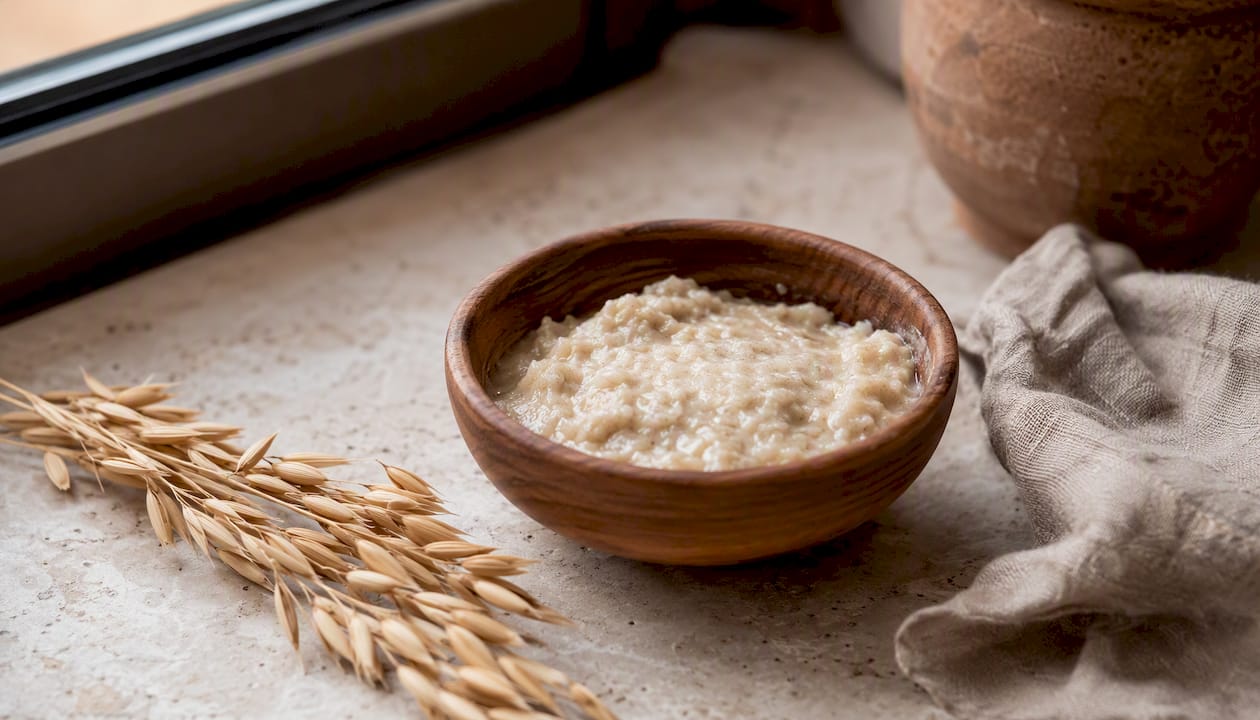
Skin type: Sensitive, eczema-prone, all types Frequency: 2–3x per week Safety note: Grind oats to a fine powder; coarse pieces can cause micro-tears.
3. Turmeric and honey spot brightener
Blend ½ teaspoon of ground turmeric with 1 tablespoon of raw honey. Apply only to areas of hyperpigmentation or dullness, leave on for 10 minutes, then rinse thoroughly. Curcumin, turmeric’s active compound, has antioxidant properties that may help even skin tone over time.
Skin type: All types, especially uneven tone Frequency: 1–2x per week Safety note: Turmeric stains fabric and can temporarily tint fair skin yellow. Use a small amount and rinse completely. Avoid on open lesions.
Pro Tip: Add a drop of sweet almond oil to the turmeric-honey blend if your skin is dry. It dilutes the intensity and adds a layer of moisture.
4. Pure aloe vera gel treatment
Scoop fresh gel from an aloe vera leaf or use a pure, additive-free store-bought gel. Apply a thin layer to clean skin as a serum, let it absorb for 5 minutes, then follow with moisturizer. Aloe vera is one of the most well-documented soothing botanicals, calming redness and supporting surface hydration without clogging pores.
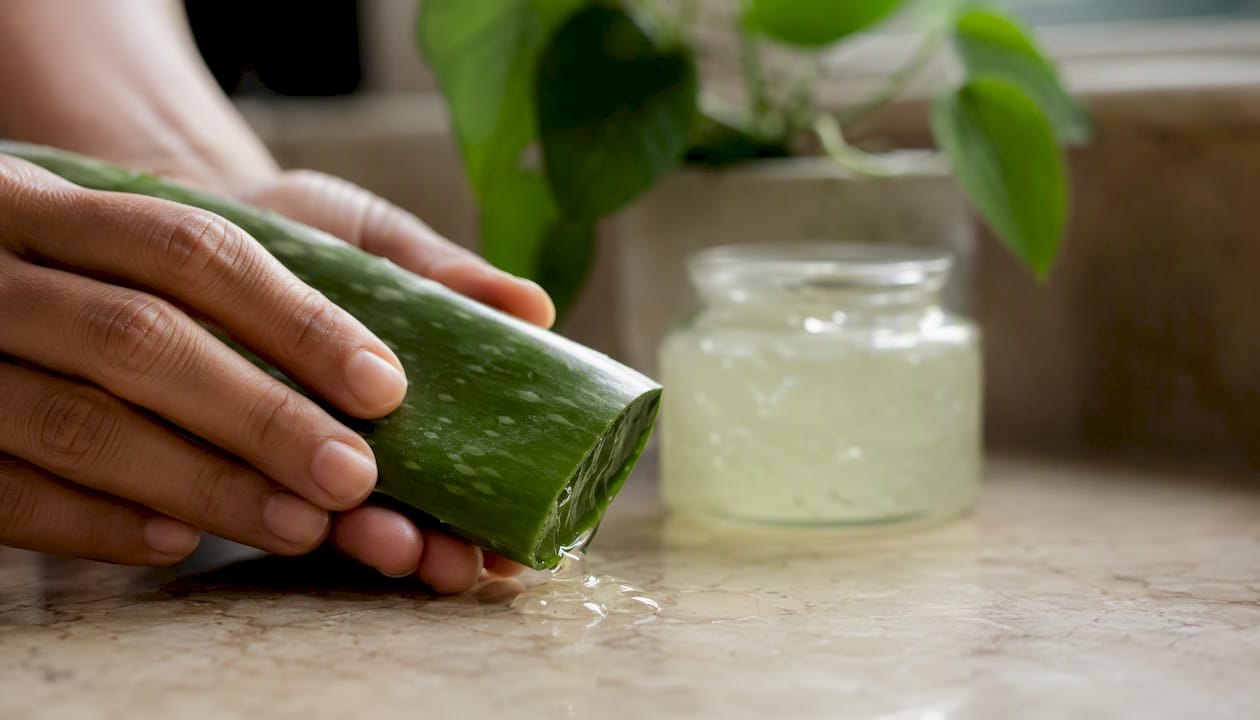
Skin type: Oily, sensitive, acne-prone, all types Frequency: Daily Safety note: Some people react to aloe. Patch-test first, especially if you have latex sensitivity.
5. Mashed banana and honey hydration mask
Mash half a ripe banana until smooth, then stir in 1 teaspoon of raw honey. Apply to the face, leave on for 15–20 minutes, and rinse. Bananas are rich in potassium and vitamins B6 and C, which support skin moisture and a subtle natural glow.
Skin type: Dry, normal Frequency: 1–2x per week Safety note: Avoid if you have a banana allergy. Not recommended for acne-prone skin, as the natural sugars can feed breakout-causing bacteria.
6. Papaya enzyme brightening mask
Mash 2 tablespoons of ripe papaya flesh and apply to clean skin. Leave on for no more than 10 minutes, then rinse with cool water. Papain, the enzyme in papaya, dissolves dead skin cells and can improve radiance with consistent use. Because fruit enzymes increase sun sensitivity, always apply SPF the morning after use.
Skin type: Normal, combination, dull skin Frequency: Once per week, in the evening only Safety note: Limit to 10 minutes maximum. Skip this mask if you have active breakouts, rosacea, or very sensitive skin. Never use before sun exposure.
7. Olive oil or sweet almond oil overnight treatment
Warm 3–4 drops of extra-virgin olive oil or sweet almond oil between your palms and press gently onto clean, damp skin before bed. Both oils are rich in oleic acid and vitamin E, supporting the skin barrier and reducing overnight moisture loss.
Skin type: Dry, mature Frequency: 2–3x per week at night Safety note: Olive oil is moderately comedogenic. If you are acne-prone, use sweet almond oil instead, which sits lower on the comedogenic scale.
8. Coconut oil (with caution)
Apply a small amount of virgin coconut oil to dry patches on the body or as a hand treatment. Coconut oil is deeply moisturizing but rates high on the comedogenic scale, meaning it can clog pores and trigger breakouts when used on the face.
Skin type: Dry body skin; avoid on the face if acne-prone or oily Frequency: As needed on the body Safety note: Reserve coconut oil for elbows, knees, and heels. If you want to try it on your face, patch-test on the jawline for 48 hours first.
9. Green tea toner
Brew a strong cup of green tea, allow it to cool completely, then pour into a clean spray bottle or apply with a cotton pad after cleansing. Green tea is rich in polyphenols and EGCG, antioxidants linked to reduced inflammation and improved skin appearance over time.
Skin type: Oily, combination, acne-prone Frequency: Daily Safety note: Store in the refrigerator and use within 3–4 days. Discard if it smells off.
10. Probiotic yogurt mask for gut-skin balance
Apply 2 tablespoons of plain, unsweetened yogurt directly to clean skin. Leave on for 15 minutes and rinse. A 2023 review found that probiotics can have positive effects on skin health and inflammation through the gut-skin axis. Topical lactic acid from yogurt also gently resurfaces the skin’s surface.
Skin type: Sensitive, acne-prone, combination Frequency: 2x per week Safety note: Use full-fat, unflavored yogurt only. Flavored or sweetened varieties contain additives that can irritate skin.
11. Rice water brightening rinse
Soak ½ cup of uncooked white rice in 2 cups of water for 30 minutes, strain the water into a clean bowl, and use it as a final rinse after cleansing or as a toner applied with a cotton pad. Rice water contains inositol, a carbohydrate that may help repair damaged skin and improve radiance.
Skin type: All types Frequency: Daily as a toner; 3x per week as a rinse Safety note: Use fresh rice water each time or store in the refrigerator for up to 3 days.
Your simple AM and PM routine for glowing skin
Consistency produces more visible results than any single treatment. The American Academy of Dermatology confirms that a simplified regimen of cleansing, moisturizing, and UV protection is often all healthy skin needs. The DIY treatments above layer onto that foundation.
Morning routine
- Cleanse: — Wash with a gentle, pH-balanced cleanser and lukewarm water. Mayo Clinic advises keeping shower time brief and the water warm, not hot, to protect the skin barrier.
How to patch-test and which ingredients to avoid
DIY skincare carries real risk when ingredients are misused. These steps reduce that risk significantly.
How to patch-test (24–48 hour forearm method)
- Apply a small amount of the prepared mixture to the inside of your forearm.
- Cover loosely with a bandage or leave uncovered.
- Wait 24 hours. Check for redness, itching, swelling, or burning.
- If no reaction appears, wait another 24 hours and check again.
- If the skin remains clear after 48 hours, the ingredient is likely safe for your face. If any reaction occurs, rinse immediately and discontinue use.
When should you stop DIY and see a dermatologist?
Homemade remedies work best for healthy skin seeking a glow. They are not a substitute for clinical care when something more serious is happening.
Red flags that require a clinician
- A rash that spreads, blisters, or produces pus after applying any DIY ingredient.
- Severe burning or stinging that does not subside within minutes of rinsing.
- Persistent inflammatory acne that worsens despite a gentle routine.
- Sudden changes in a mole or skin lesion.
- Signs of infection: warmth, swelling, discharge, or fever.
If you experience any of these, stop all DIY treatments immediately and contact a board-certified dermatologist. Prescription options, patch-tested professional treatments, and targeted therapies exist precisely for conditions that sit beyond what pantry ingredients can address.
What the evidence says about getting glowing skin naturally
The science behind these homemade tips is more grounded than many people expect. Three pillars appear consistently across clinical guidance: cleanse, moisturize, and protect.
| Recommendation | Guidance | Source |
|---|---|---|
| Daily sun protection | Broad-spectrum SPF 30 minimum; reapply every 2 hours | Mayo Clinic |
| Gentle cleansing and moisturizing | Apply moisturizer immediately after cleansing on damp skin | AAD / Medical News Today |
| Sleep | 7–8 hours supports skin hydration, firmness, and microbial balance | UNC School of Public Health |
| Exercise | Moderate physical activity supports circulation | General public-health guidance |
| Probiotics | May improve skin health by modulating inflammation via the gut-skin axis | 2023 peer-reviewed review |
Beyond topical care, the evidence points clearly toward lifestyle. Seven to eight hours of sleep supports skin hydration, firmness, and microbial balance; poor sleep measurably reduces elasticity and surface moisture. Peer-reviewed research also links topical and dietary antioxidants to improved skin appearance over time, which is why an antioxidant-rich diet (berries, leafy greens, nuts) pairs so well with botanical topical treatments.
Probiotics, whether through fermented foods like yogurt and kefir or supplements, show genuine promise for skin health through the gut-skin axis. The connection is not fully mapped yet, but the 2023 review findings are encouraging enough to make probiotic-rich foods a worthwhile addition to your routine.
Why I believe in the power of simple, botanical care
There is a quiet confidence that comes from understanding what you are putting on your skin. What strikes me most about the evidence behind these homemade remedies is not that they are miraculous — it is that they work precisely because they are gentle. The skin’s barrier is resilient when we stop overwhelming it with harsh actives and instead support it with ingredients it recognizes: oats, honey, aloe, plant oils.
The conventional beauty world often sells complexity as a proxy for efficacy. More steps, more actives, more products. But the research tells a different story. The American Academy of Dermatology’s guidance converges on three pillars, and every dermatologist I have encountered in the literature returns to the same foundation: cleanse gently, moisturize consistently, protect from the sun. The DIY treatments in this article are most powerful when they support those pillars, not when they replace them.
What I find genuinely moving about the homemade approach is its accessibility. Radiant skin should not require a significant financial investment. A jar of raw honey, a bottle of aloe vera gel, and a consistent sleep schedule are within reach for most people, and the results, while gradual, are real. The meticulous attention to patch-testing and dilution that dermatology bodies recommend is not bureaucratic caution — it is the difference between a ritual that heals and one that harms.
For those with sensitive skin or eczema, the stakes are even higher. The skin is not just a surface; it is a living organ that responds to stress, sleep, diet, and touch. Treating it with that level of respect, whether through a holistic beauty ritual or a simple oatmeal scrub, is an act of genuine self-care. That is a truth worth holding onto.
Gentle botanical beauty, ready when you are
For days when you want the benefits of botanical ingredients without the prep time, Purelightbotanicalbeauty offers a thoughtfully formulated alternative. Every product in the line is built around clean, plant-based ingredients chosen specifically for sensitive and eczema-prone skin — the same skin types that benefit most from the gentle DIY approach described throughout this article.
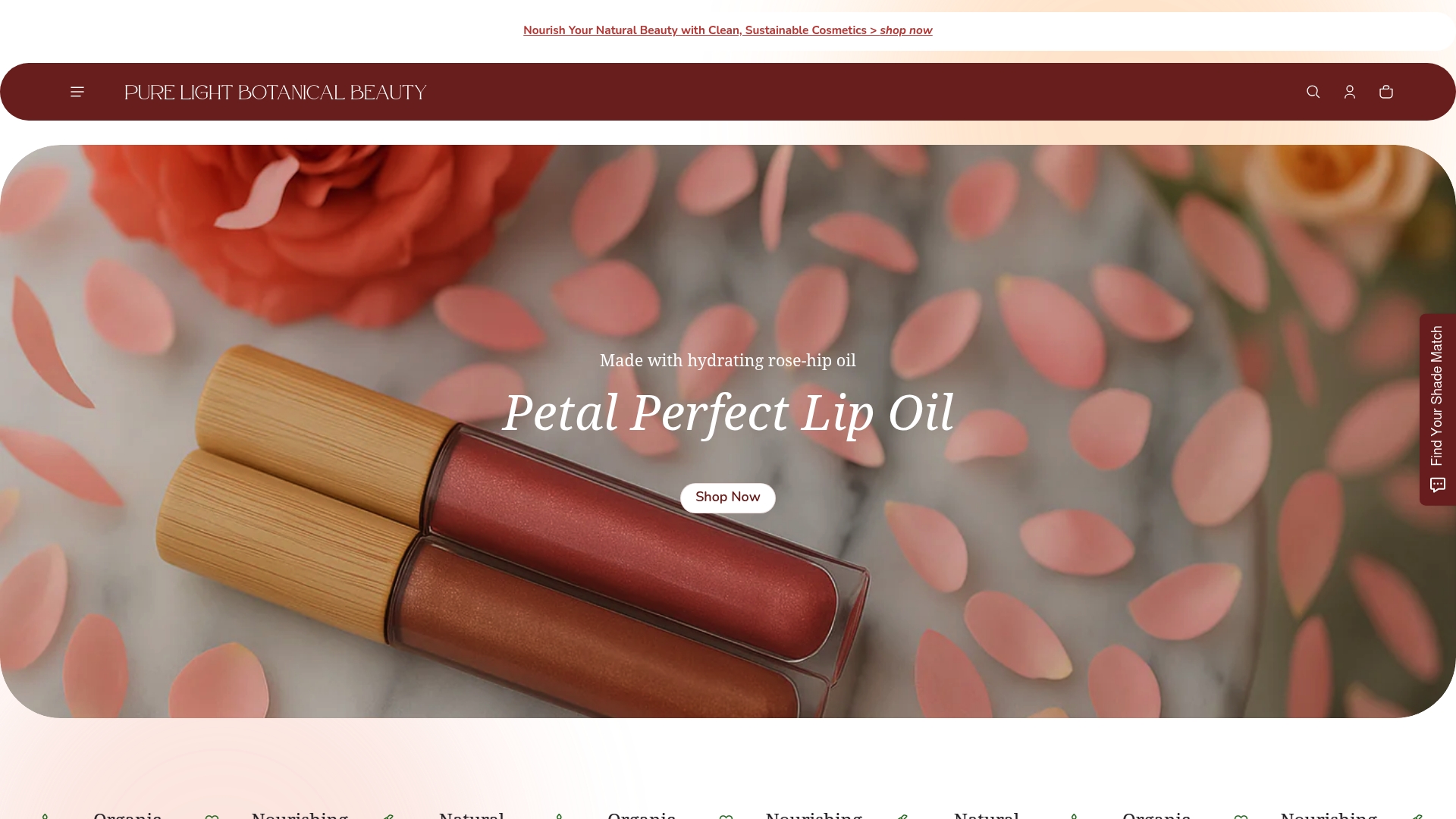
The Petal Perfect Lip Oil, Botanical Crème Blush, and Nourishing Lipstick are formulated to nourish while they perform, so your skin receives botanical care even on the days when a full DIY routine is not realistic. Each formula is designed with the same meticulous attention to ingredient safety that this article recommends for homemade treatments. Patch-test any new product just as you would a DIY mask, and start with one product at a time if your skin is reactive.
Visit Purelightbotanicalbeauty to explore the full collection, or read the brand’s guide on building skin-nourishing rituals to see how these products fit into a complete, gentle daily routine.
This article provides general skincare information and is not a substitute for professional medical or dermatological advice. Consult a board-certified dermatologist for persistent or severe skin concerns.
Useful sources and further reading
- Skin care: 5 tips for healthy skin - Mayo Clinic
- How to get glowing skin: 11 tips for diet, skin care, and more - Medical News Today
- Glowing Skin: 10 Home Remedies That Work - Healthline
- PubMed article (2023 review) - probiotics and skin health
- Oatmeal - DermNet NZ
- PMC article on antioxidants and skin (PMC8496555)
- Experts recommend 7–8 hours of sleep for better brain health - UNC SPH
For persistent redness, spreading rashes, sudden skin changes, or inflammatory acne that does not respond to a gentle routine, consult a board-certified dermatologist rather than continuing to self-treat.
Recommended
- What to Use to Make Your Skin Glow Naturally Every Day – Pure Light Botanical Beauty
- Steps to Glowing Skin: Your Natural Radiance Guide – Pure Light Botanical Beauty
- Glowing Skin Steps for a Radiant Complexion Routine – Pure Light Botanical Beauty
- Glowing Skin Secrets: Reveal Radiance Naturally Every Day – Pure Light Botanical Beauty