

TL;DR:
- Building minimal, botanical-based skincare routines reduces the risk of irritation for sensitive skin.
- Consistent morning and evening rituals support skin healing and barrier repair naturally.
- Internal habits like hydration, diet, and stress management are essential for skin resilience.
Caring for sensitive or eczema-prone skin can feel like walking a tightrope. Too many products, and your skin flares. Too few, and it feels dry and tight. The good news is that a thoughtful, plant-based ritual does not have to be complicated. Holistic beauty routines balance external care with internal nourishment, which is especially important for eczema-prone skin. This guide walks you through exactly how to build morning, evening, and internal rituals that genuinely support your skin, using clean botanical ingredients that work with your body instead of against it.
Table of Contents
- How to choose daily beauty rituals for sensitive skin
- Morning rituals: Start your day with clean and replenishing care
- Evening rituals: Soothe, repair, and nourish overnight
- Internal rituals: Holistic nourishment for skin resilience
- Comparison table: Rituals at a glance
- Why simplicity beats trends for sensitive skin rituals
- Explore clean beauty essentials for your rituals
- Frequently asked questions
Key Takeaways
| Point | Details |
|---|---|
| Minimal ingredients | Simple, botanical-based products reduce irritation and make routines easy to stick to. |
| Soak & seal | Applying moisturizer on damp skin locks in hydration for eczema-prone skin. |
| Combine internal and external care | Pairing clean skincare with nourishing foods and stress management supports holistic skin health. |
| Consistency over trends | Sticking to a repeatable routine is more effective than constantly switching products. |
How to choose daily beauty rituals for sensitive skin
Building a ritual that works for sensitive skin starts with one rule: less is more. Every new ingredient you introduce is a potential trigger. That does not mean you have to deprive yourself of a beautiful routine. It means you get to be intentional about what earns a place in it.
The benefits of botanical skincare go far beyond fragrance and feel. Plant-based actives like calendula, chamomile, and oat extract carry natural anti-inflammatory properties that support the skin barrier without harsh side effects. When you choose products built around botanical ingredients, you are choosing formulas that have centuries of use behind them.
Here is what to look for when evaluating any new ritual step:
- Minimal ingredient lists. Shorter formulas mean fewer potential irritants. Look for five to ten core ingredients.
- Fragrance-free or naturally scented. Synthetic fragrance is one of the top triggers for eczema flares.
- Proven botanicals. Calendula, colloidal oat, aloe vera, and shea butter are well-tolerated by most sensitive skin types.
- No alcohol or sulfates. These strip the skin barrier and worsen dryness.
- Patch tested by you. Even gentle products can cause reactions in individual skin.
Always patch test new products and practice the soak and seal method after cleansing to minimize moisture loss. Soak and seal means applying your moisturizer while skin is still slightly damp, trapping that hydration before it evaporates.
Understanding why botanicals matter also means recognizing that skin health is not just topical. Eczema skincare strategies from dermatologists consistently point to diet, stress management, and sleep as factors that shape how your skin responds. Your ritual is not just what you put on your face. It is how you live.
Pro Tip: Keep a simple log of new products you try and note any reactions within 48 hours. This makes it much easier to identify what your skin loves and what it does not.
Morning rituals: Start your day with clean and replenishing care
Your morning ritual sets the tone for your skin and your mindset. The goal is to replenish without stripping, protect without clogging, and ground yourself before the day pulls you in every direction.
Here is a gentle morning sequence that works beautifully for sensitive and eczema-prone skin:
- Rinse or gentle cleanse. In the morning, your skin does not need a deep cleanse. A splash of lukewarm water or a non-foaming, botanical cleanser removes overnight buildup without disrupting your barrier.
- Alcohol-free toner or mist. A soothing mist with rose water or green tea extract calms redness and preps skin to absorb moisture more effectively.
- Moisturize on damp skin. This is your soak and seal moment. Pat on a lightweight, fragrance-free botanical moisturizer while your skin is still slightly damp. Daily moisturizing even when flares are absent significantly reduces eczema risk over time.
- Botanical SPF. Protect your barrier from UV damage with a mineral sunscreen that uses zinc oxide instead of chemical filters.
- Two minutes of mindful breathing. This is not optional fluff. Stress is a documented eczema trigger, and starting your day with calm breath directly supports your skin.
Your clean beauty steps do not need to take 45 minutes. Five focused steps, done with care, outperform a 12-step routine done in a rush.
What you eat in the morning matters too. An eczema-supportive diet rich in anti-inflammatory foods like leafy greens, berries, and omega-3 fatty acids can reduce skin reactivity from the inside out. A green smoothie or oatmeal with flaxseed is a genuinely beautiful act of self-care.
Pro Tip: Keep your morning products on your bathroom counter in the order you use them. Visual cues make it easier to stay consistent, especially on low-energy mornings.
Evening rituals: Soothe, repair, and nourish overnight
Your skin does its deepest repair work while you sleep. Evening is when you get to support that process intentionally, moving from the pace of the day into something slower and more restorative.
Here is a calming evening ritual designed for sensitive skin:
- Oil cleanse first. A lightweight botanical oil, like jojoba or sunflower, dissolves sunscreen, makeup, and environmental buildup without stripping moisture.
- Follow with a gentle cream cleanser. This second cleanse removes any remaining residue while keeping the barrier intact.
- Apply a humectant serum or mist. Hyaluronic acid or aloe vera-based serums draw moisture into the skin. Apply to damp skin for best results.
- Barrier-repair moisturizer. Look for formulas with ceramides, oat extract, or shea butter to reinforce the skin’s natural protective layer.
- Botanical facial oil (if tolerated). Botanical oils can modulate immune responses in the skin, though it is important to monitor for individual sensitivities before making them a nightly staple.
- A calming close. End your ritual with a short gratitude journal entry or a few drops of lavender in a diffuser. Your nervous system and your skin are deeply connected.
Healing is not just what you apply. It is the intention behind it. Each evening ritual is a quiet promise to yourself that you are worth the care.
For those managing eczema, sleep and skin repair are closely linked. Poor sleep elevates cortisol, which can worsen inflammation and trigger flares. Your evening ritual is not just skincare. It is nervous system care.

Building a radiant complexion routine does not require expensive serums or elaborate steps. It requires consistency and ingredients your skin actually recognizes.
Internal rituals: Holistic nourishment for skin resilience
No topical product can fully compensate for what is happening inside your body. For sensitive and eczema-prone skin, internal rituals are not a bonus. They are foundational.
Plant-rich diets, adequate hydration, and stress reduction can measurably lessen eczema severity. That is not a wellness trend. That is documented, repeatable evidence.
Here are the internal habits that support your skin from the inside:
- Hydration. Aim for at least eight glasses of water daily. Herbal teas like chamomile and nettle offer both hydration and anti-inflammatory support.
- Plant-diverse meals. Eating a wide variety of vegetables, fruits, legumes, and whole grains feeds your gut microbiome, which directly influences skin inflammation.
- Stress journaling. Tracking your stress-skin patterns helps you identify which emotional states precede flares, giving you real data to work with.
- Mindful breathing before meals. Activating your parasympathetic nervous system before eating improves digestion and reduces systemic inflammation.
- Identify your food triggers. Common eczema triggers include dairy, gluten, eggs, and soy. An eczema nutrition approach often involves an elimination protocol to identify personal sensitivities.
Building holistic routines means recognizing that your skin is a mirror. When you nourish your body and calm your nervous system, your skin reflects that care.
| Internal habit | Skin benefit | How often |
|---|---|---|
| Drinking herbal tea | Reduces inflammation | Daily |
| Eating leafy greens | Supports barrier function | Daily |
| Stress journaling | Identifies flare triggers | 3 to 5 times per week |
| Mindful breathing | Lowers cortisol | Daily |
| Tracking food reactions | Pinpoints dietary triggers | Ongoing |
Comparison table: Rituals at a glance
Here is a quick reference to help you see how morning, evening, and internal rituals work together as one complete system.
| Ritual type | Key steps | Primary benefit |
|---|---|---|
| Morning | Gentle cleanse, mist, moisturize on damp skin, SPF, breathwork | Protect and prepare |
| Evening | Oil cleanse, cream cleanse, serum, barrier moisturizer, facial oil | Repair and restore |
| Internal | Hydration, plant-rich meals, stress journaling, mindful breathing | Nourish from within |
Why simplicity beats trends for sensitive skin rituals
Here is something the beauty industry rarely says out loud: the more products you add, the more risk you take on. For sensitive and eczema-prone skin, novelty is not your friend. Consistency is.
Every season brings a new hero ingredient, a new 10-step method, a new “must-have” serum. And every time you reach for something new, you are introducing an unknown variable to a skin type that is already reactive. The holistic wisdom behind simple rituals is not about deprivation. It is about trust. Trust in a small set of ingredients your skin has learned to recognize. Trust in routines that do not require a full energy reserve to complete.
The deepest skin transformations we have seen come not from the most expensive regimens, but from the most consistent ones. Three to five products, used faithfully, morning and night, over months. That is where real change lives. Simplicity is not settling. It is wisdom.
Explore clean beauty essentials for your rituals
You now have a clear framework for building morning, evening, and internal rituals that honor your sensitive skin. The next step is finding products that genuinely match those principles.
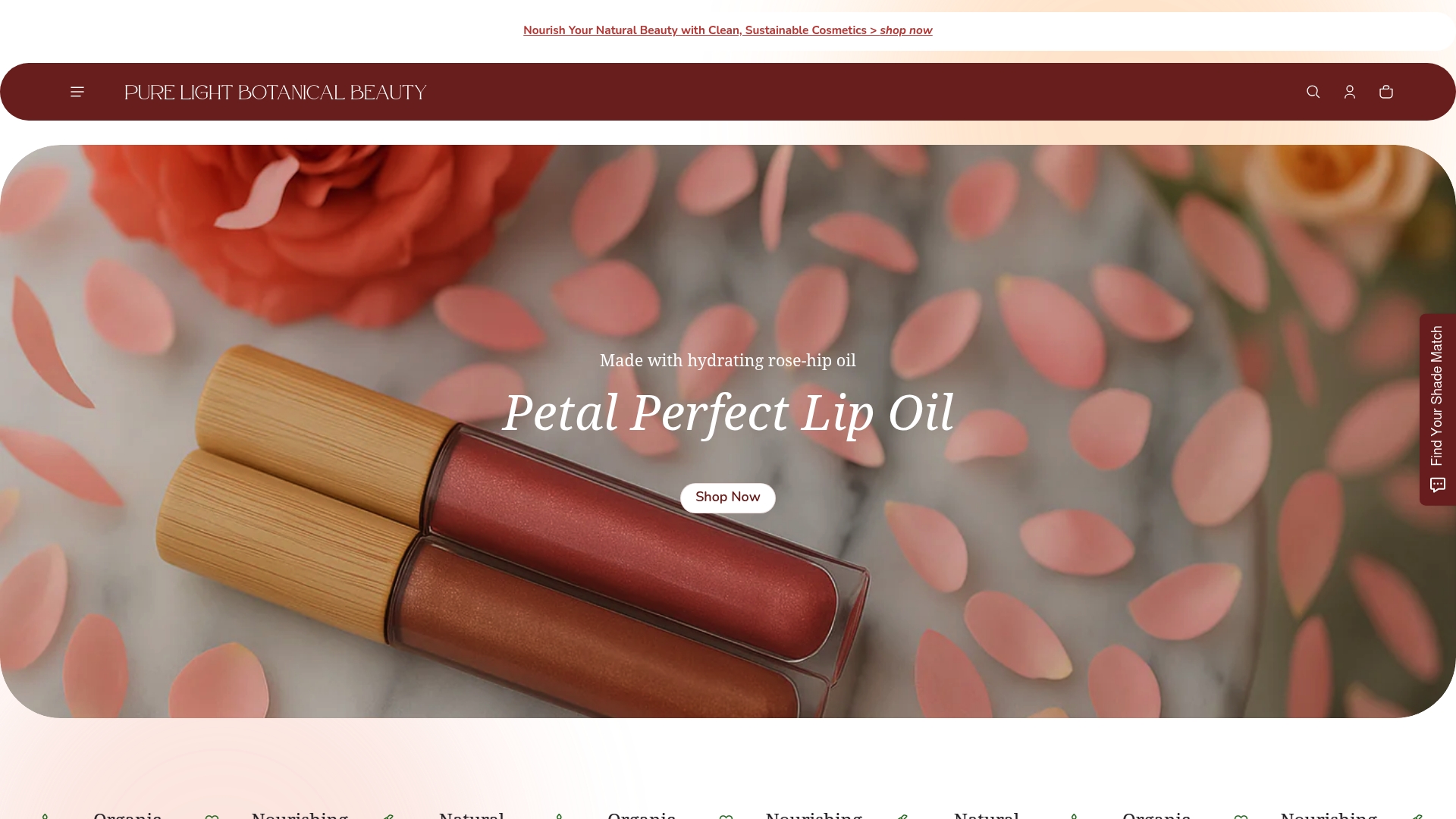
At Pure Light Botanical Beauty, every product is formulated with clean, plant-based ingredients chosen specifically for their skin-supporting properties. Whether you are building your first gentle routine or refining one you already love, the collection is designed to fit naturally into the rituals you have just mapped out. From nourishing lip care to botanical blush, each product is a small act of self-care that your skin and your spirit will feel. Explore the full range and find what belongs in your ritual.
Frequently asked questions
What is the soak and seal method and why is it recommended for eczema?
Soak and seal means applying moisturizer while the skin is still damp, which locks in hydration and reduces transepidermal water loss, a key factor in eczema relief.
How do I patch test a new botanical product if I have sensitive skin?
Apply a small amount to your inner arm and wait 24 to 48 hours. Monitor for redness or itching before applying the product to your face.
Can diet really affect eczema and sensitive skin?
Yes. Plant-rich diets and hydration can reduce flare frequency and severity, while processed foods and common allergens may worsen symptoms for many people.
Why do experts recommend simple routines over many products for sensitive skin?
Simple rituals lower the risk of reactions and are far easier to maintain consistently, which matters especially on the low-energy days that are common for those managing eczema.
Recommended
- 7 Holistic Beauty Routines for Sensitive Skin Wellness – Pure Light Botanical Beauty
- How to Embrace Natural Beauty Naturally for Sensitive Skin – Pure Light Botanical Beauty
- Understanding Natural Beauty Rituals for Sensitive Skin – Pure Light Botanical Beauty
- Skin-Soothing Beauty Tips for Sensitive Skin – Pure Light Botanical Beauty