

TL;DR:
- Effective lip care combines humectants, emollients, and occlusives to provide lasting hydration and protection. Treatment glosses with squalane and polyglycerides deliver both shine and barrier reinforcement, benefiting most skin types. Fragrance-free formulas are safest for sensitive lips, especially for those with chronic dryness or eczema.
Effective lip care and gloss is defined as any regimen or product that combines hydration, moisturization, and barrier support to keep lips healthy, soft, and visibly enhanced. The best formulas go beyond surface shine. They pair humectants like hyaluronic acid with occlusives like shea butter to deliver lasting moisture and protection. Hydration and moisturization work differently: hydration draws water into skin cells, while moisturization seals that water in. Understanding this distinction is the foundation of any effective lip care routine, and it separates products that genuinely nourish from those that only look good on the shelf.
What key ingredients make lip care and gloss products effective?
The most effective lip care products combine three ingredient categories: humectants, emollients, and occlusives. Each plays a distinct role in lip health, and no single category works well alone.
Humectants draw moisture from the air and deeper skin layers into the surface of the lip. Hyaluronic acid is the most studied humectant in lip care. 100% of panelists using a hyaluronic acid lip balm reported an immediate increase in moisture, with continued improvement after one week. That result shows how quickly the right humectant can change how your lips feel.
Emollients soften and smooth the lip surface by filling gaps between skin cells. Shea butter, jojoba oil, and rosehip oil are reliable emollients found in quality formulas. Ceramides go one step further. They strengthen the skin barrier itself, which is especially valuable for women dealing with chronic dryness or lip eczema. Niacinamide also supports barrier repair and reduces inflammation.
Occlusives form a physical seal over the lip surface to lock in the moisture that humectants and emollients deliver. Plant-based waxes like candelilla wax and carnauba wax do this without the drawbacks of petroleum-based ingredients. Many lip balms lack therapeutic benefit because they rely solely on petroleum waxes, which coat the lip without supporting the skin barrier underneath.
- Hyaluronic acid: draws water into lip tissue for immediate plumping and hydration
- Shea butter: softens and conditions with fatty acids that mimic the skin’s natural lipids
- Ceramides: repair and reinforce the protective barrier between lip skin and the environment
- Squalane: a lightweight oil that hydrates without clogging or feeling heavy
- Niacinamide: calms irritation and supports barrier function, ideal for sensitive lips
- Calendula extract: soothes inflammation, especially useful for eczema-prone lips
- Plant-based waxes: seal in moisture without blocking the skin’s natural processes
Pro Tip: Apply your lip treatment immediately after drinking water or using a warm compress. The extra surface moisture gives humectants more to work with, and you will feel the difference within minutes.
1. Hydrating liquid lip balms with hyaluronic acid
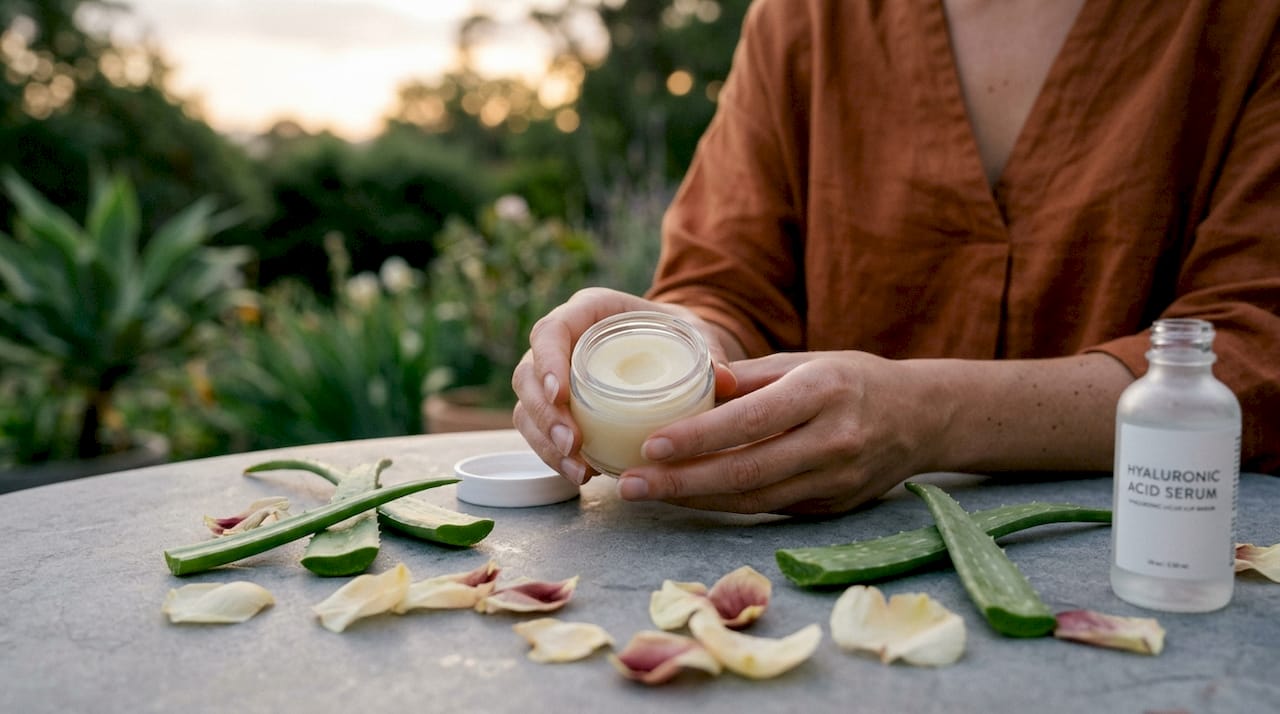
Liquid lip balms with hyaluronic acid deliver the fastest visible hydration of any balm format. The lightweight texture absorbs quickly and does not leave a heavy residue. This format works well as a daytime base before applying gloss. Look for formulas that list hyaluronic acid in the top half of the ingredient list, which signals a meaningful concentration.
2. Ceramide-rich balms for barrier repair
Ceramide-rich balms target the root cause of chronic dryness: a weakened skin barrier. When the barrier is compromised, lips lose moisture faster than any balm can replace it. Ceramide formulas rebuild that barrier over time rather than just coating the surface. Women with eczema-prone lips benefit most from this category because ceramides are naturally present in healthy skin and replenishing them produces real, lasting results.
3. Treatment glosses with squalane and polyglycerides
Treatment glosses combine the visual appeal of a traditional gloss with active skincare ingredients. Formulas with squalane and polyglycerides boost lip hydration by 48% and strengthen the skin barrier by 25% over four weeks. That is a meaningful clinical result for a product that also delivers shine. This category is the best choice for women who want both nourishment and a polished look without layering multiple products.
4. Tinted hydrating balms for color plus care
Tinted hydrating balms deliver a wash of color alongside genuine moisturizing ingredients. The best versions use plant-based pigments and avoid synthetic dyes that can irritate sensitive lips. This format is ideal for women who want a low-maintenance routine. One product handles both the care and the color step, which makes it practical for daily use. Look for formulas that include at least one humectant and one emollient alongside the tint.
5. Lip oils for lightweight daily moisture
Lip oils sit between a balm and a gloss in terms of texture and finish. They absorb faster than thick balms and leave a natural, glossy sheen. Squalane-based lip oils are particularly effective because squalane closely resembles the skin’s own sebum. One practical note: some lip oils in squeeze tubes tend to leak if stored horizontally. Store them upright to avoid waste and keep the formula intact.
6. Overnight lip masks for deep repair
Overnight lip masks are the most intensive treatment in a lip care routine. They use a higher concentration of occlusives and emollients to work while you sleep, when the skin’s repair cycle is most active. Shea butter, lanolin alternatives, and plant waxes are common base ingredients. Applying a lip mask three to four nights per week produces noticeably softer lips within two weeks. This format is not meant for daytime wear but pairs well with a lighter gloss during the day.
7. Glossy balms with natural plant oils
Glossy balms combine the shine of a traditional gloss with the nourishing properties of plant oils like rosehip, marula, and sea buckthorn. Unlike conventional glosses that rely on synthetic polymers for shine, plant oil glosses reflect light naturally and condition at the same time. Sea buckthorn oil is worth noting specifically because it contains beta-carotene, which supports skin cell renewal. This makes glossy plant oil balms a genuinely functional beauty product, not just a cosmetic one.
8. Fragrance-free formulas for sensitive lips
Fragrance is one of the most common causes of lip irritation and contact dermatitis. Fragrance-free formulas remove this risk entirely. Women with sensitive lips or a history of reactions should treat fragrance-free as a non-negotiable standard rather than a preference. This applies to both synthetic fragrances and natural essential oils, which can be equally irritating. A natural lip care formula without added fragrance is the safest starting point for anyone rebuilding a lip care routine.
How to choose safe lip care and gloss for sensitive or irritated lips
Sensitive lips show clear warning signs: persistent flaking, redness, tightness after product application, or small cracks at the corners of the mouth. These symptoms can indicate lip eczema, which requires a different approach than ordinary dryness. Chronic lip dryness may signal lip eczema, and products carrying the National Eczema Association Seal offer hypoallergenic, irritant-free formulations designed for exactly this situation.
When selecting products for sensitive lips, avoid these ingredients:
- Synthetic fragrances and parfum: listed as “fragrance” on labels, these are among the top contact allergens
- Artificial dyes (FD&C colors): can cause inflammation and staining on already-irritated lips
- Menthol and camphor: create a cooling sensation but actually dry lips out over time
- Salicylic acid in high concentrations: too harsh for already-compromised lip skin
- Alcohol-based ingredients: strip the lip surface and worsen dryness
Packaging also affects product safety over time. Pot-style balms require finger application, which introduces bacteria into the formula with every use. Twist-up sticks or pump dispensers keep the product cleaner and extend its effective life. For women managing lip eczema or recurring irritation, this detail matters more than it might seem.
Pro Tip: Try the “lip sandwich” method for chronic dryness. Apply a rich, fragrance-free balm at night as your base layer, then wear a lighter gloss during the day to seal in that overnight moisture. This layering approach is more effective for persistent dryness than gloss alone.
For women building a step-by-step lip care routine from scratch, starting with a single fragrance-free, ceramide-rich balm and adding products one at a time makes it easier to identify any ingredient that causes a reaction.
Comparing lip care and gloss categories by function
| Category | Hydration | Moisturization | Shine | Sensitive skin suitability | Typical price range |
|---|---|---|---|---|---|
| Lip balm | High | High | Low | Excellent | $3–$15 |
| Lip gloss | Low | Low | High | Moderate | $8–$26+ |
| Lip oil | High | Moderate | High | Good | $12–$28 |
| Tinted balm | Moderate | Moderate | Moderate | Good | $8–$20 |
| Treatment gloss | High | High | High | Good | $18–$35 |
Effective lip balms with genuine hydrating and moisturizing benefits are available across a wide price range, from $3 to $26 and beyond. Price does not reliably predict performance. Ingredient quality does. A $5 balm with shea butter, hyaluronic acid, and a plant wax will outperform a $25 gloss built on synthetic polymers and fragrance.
Treatment glosses score highest across all four functional criteria. They deliver hydration, moisturization, and shine while remaining suitable for most skin types. For women who want one product that does everything, this category is the clearest choice.
Key Takeaways
The most effective lip care combines humectants, emollients, and barrier-strengthening ingredients to deliver lasting hydration, protection, and shine without irritation.
| Point | Details |
|---|---|
| Hydration and moisturization differ | Humectants draw water in; occlusives seal it. Both are needed for lasting results. |
| Treatment glosses lead on function | Squalane and polyglyceride formulas boost hydration by 48% and strengthen the barrier by 25%. |
| Fragrance is the top irritant | Fragrance-free formulas are the safest choice for sensitive or eczema-prone lips. |
| The lip sandwich method works | Layer a rich balm at night and a lighter gloss during the day for chronic dryness relief. |
| Ingredient quality beats price | A $5 balm with ceramides and hyaluronic acid outperforms a costly gloss built on synthetics. |
Why I stopped chasing shine and started reading labels
I spent years reaching for the glossiest formula on the shelf without once checking what was in it. The shine was there. The hydration was not. My lips were perpetually dry, and I kept buying more gloss to cover it up, which made the cycle worse.
The shift happened when I started treating my lip care routine the way I treat the rest of my skincare. I looked at the ingredient list first and the finish second. What I found was that most conventional glosses are built almost entirely on synthetic polymers and fragrance, two things that do nothing for lip health and often make sensitivity worse.
Plant-based formulas changed what I expected from a lip product. Ingredients like calendula, rosehip oil, and squalane deliver real nourishment. You can feel the difference within days, not weeks. The best plant-based lip balm options for sensitive skin prove that you do not have to choose between a healthy lip and a beautiful one.
My honest advice: treat your lip care routine as a long-term investment in your skin barrier, not a daily cosmetic fix. The products that earn a permanent place in your routine are the ones that make your lips look better without them on than they did before you started using them.
— Kaitlyn
Botanical lip care from Purelightbotanicalbeauty
Purelightbotanicalbeauty formulates every lip product with the same principle: nourishment first, beauty second. The result is a line that delivers both without compromise.
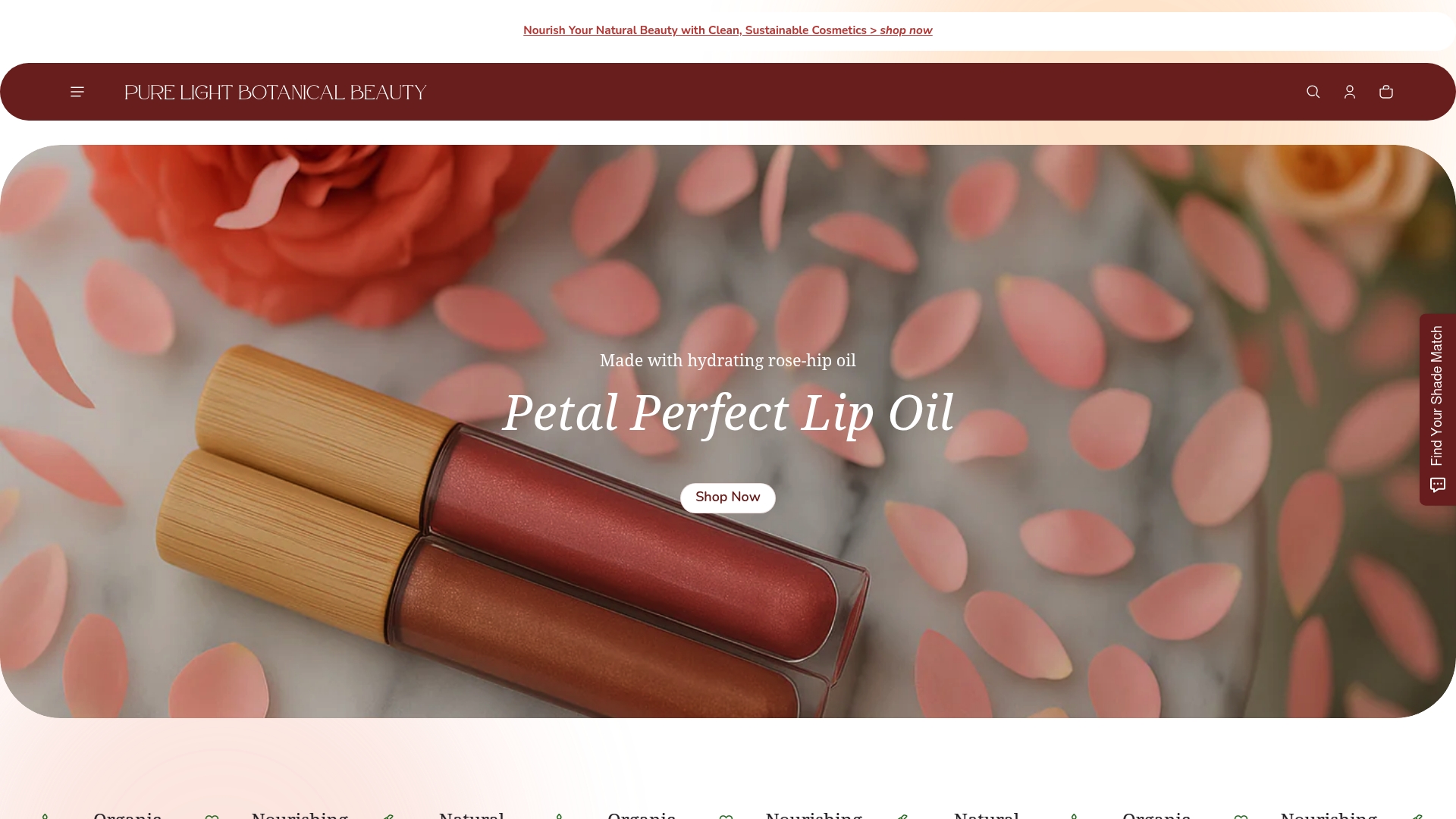
The Botanical Beauty Balm with Calendula and Rose combines soothing calendula extract with hydrating rose to calm irritation and restore softness to even the most sensitive lips. Every ingredient is plant-based, fragrance-free in the synthetic sense, and chosen for its skin-supporting properties. If you are ready to treat your lips with the same care you give the rest of your skin, the full collection at Purelightbotanicalbeauty is a natural place to start.
FAQ
What is the difference between a lip balm and a lip gloss?
A lip balm focuses on moisturization and barrier repair using ingredients like shea butter, ceramides, and plant waxes. A lip gloss prioritizes shine and typically contains fewer active skincare ingredients.
What ingredients should I look for in a hydrating lip treatment?
Look for hyaluronic acid as a humectant, shea butter or squalane as an emollient, and a plant-based wax as an occlusive. This combination hydrates, softens, and seals moisture in one formula.
Is lip gloss bad for dry lips?
Standard lip gloss alone is not enough for dry lips because most formulas lack meaningful moisturizing ingredients. A treatment gloss with squalane and polyglycerides is a better option, as it delivers both shine and active hydration.
How do I know if my lip dryness is actually lip eczema?
Persistent cracking, redness, and flaking that does not improve with regular balm use may indicate lip eczema. Products carrying the National Eczema Association Seal are formulated to be safe and effective for this condition.
How often should I apply lip care products?
Apply a hydrating balm or treatment at least three times daily: morning, midday, and before bed. The overnight application is the most important because the skin repairs itself during sleep.
Recommended
- Understanding the Guide to Nourishing Lip Care Naturally – Pure Light Botanical Beauty
- How to Enhance Lips Naturally for Sensitive, Radiant Beauty – Pure Light Botanical Beauty
- 7 Ways a Lip Gloss Set Supports Sensitive, Radiant Skin – Pure Light Botanical Beauty
- Step by Step Lip Care for Sensitive Skin Relief – Pure Light Botanical Beauty