

TL;DR:
- Choosing makeup for eczema requires avoiding fragrance and preservative-heavy formulas to prevent reactions. Proper skin preparation with moisturizer and barrier support minimizes irritation during application. Gentle techniques and proper removal protect skin health and reduce flare-ups.
Choosing makeup for eczema means prioritizing skin barrier protection above all else. “Eczema-safe makeup” is not a regulated industry term, so no product can legally guarantee it won’t trigger a reaction. What you can control is your ingredient knowledge, your preparation routine, and your application technique. Fragrance is the most common cosmetic allergen for people with eczema, followed by preservatives and certain dyes. Starting with that fact changes everything about how you shop, prep, and apply.
How to choose makeup for eczema: ingredients that matter most
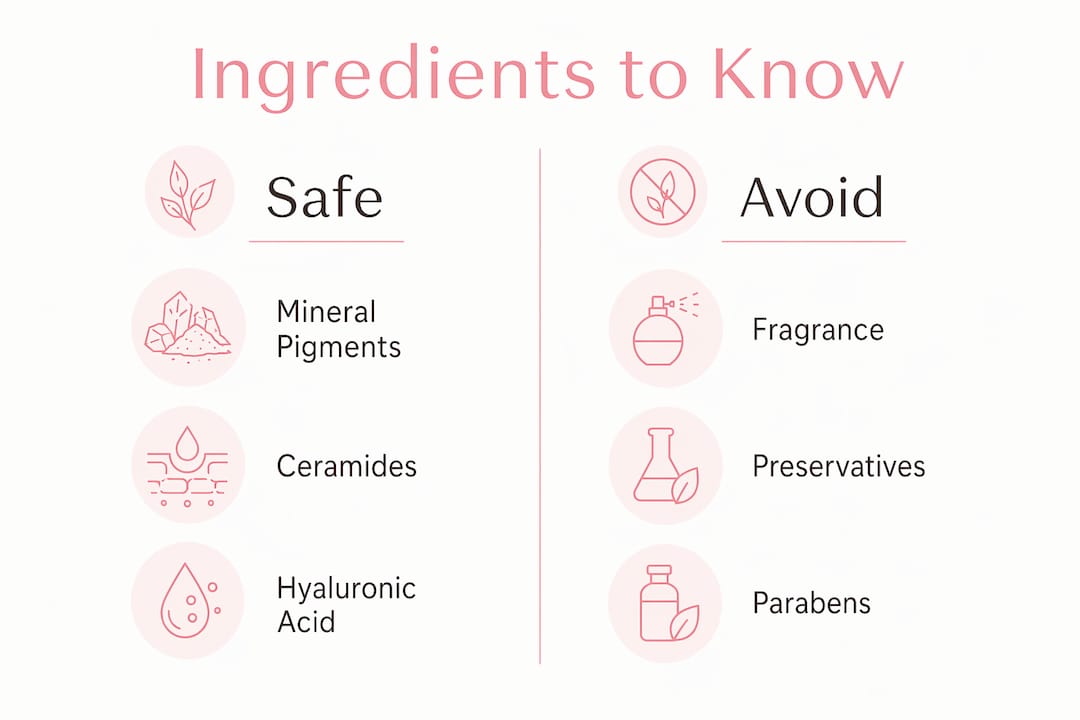
The safest eczema-friendly makeup starts with what’s not in the formula. Synthetic fragrances and preservatives like methylisothiazolinone, DMDM hydantoin, and quaternium-15 are among the most common triggers for contact dermatitis. Short ingredient lists are your first filter. The fewer ingredients a product contains, the fewer chances for a reaction.
These are the ingredients to avoid on your eczema-safe makeup list:
- Synthetic fragrance (listed as “fragrance,” “parfum,” or “aroma”)
- Methylisothiazolinone and methylchloroisothiazolinone (preservatives in liquid formulas)
- DMDM hydantoin and quaternium-15 (formaldehyde-releasing preservatives)
- Bismuth oxychloride (common in pressed powders; causes itching and irritation)
- Mica and heavy shimmer particles (abrasive on compromised skin during flares)
- Parabens in eye makeup (linked to eyelid dermatitis)
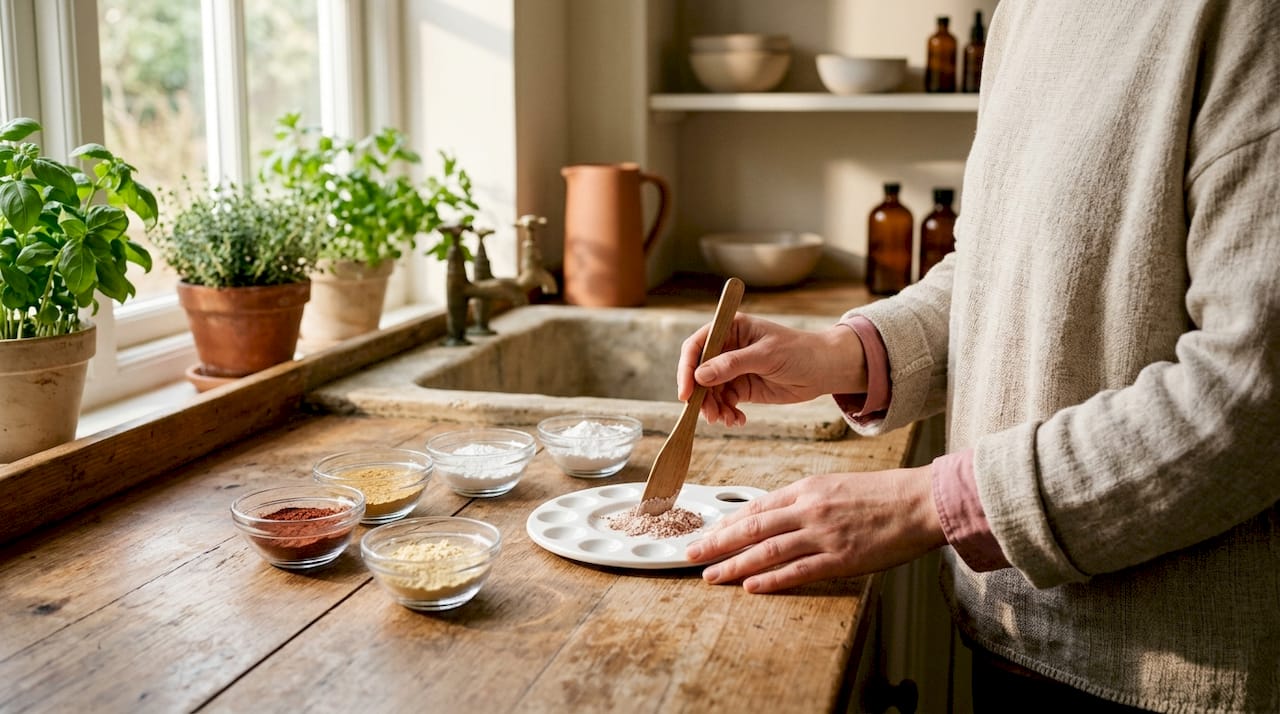
Mineral-based pigments such as iron oxides, titanium dioxide, and zinc oxide are the gold standard for eczema-prone skin. They sit on the skin surface rather than penetrating it, which minimizes allergic reactions. Mineral foundations also need fewer preservatives than liquid formulas, which directly reduces your allergen exposure.
On the positive side, look for products enriched with ceramides, squalane, or hyaluronic acid. These ingredients actively support the skin barrier while you wear your makeup. Purelightbotanicalbeauty builds these barrier-supportive ingredients into its formulas, so your makeup works with your skin rather than against it. You can learn more about reading ingredient labels before your next purchase.
Regarding labels: “hypoallergenic” and “fragrance-free” are helpful signals, but neither term is regulated by the FDA. “Fragrance-free” is more reliable than “unscented,” which can still contain masking fragrances. Treat these labels as a starting point, not a guarantee.
Pro Tip: Always read the full ingredient list rather than relying on front-of-label claims. Marketing terms like “gentle” or “natural” carry no legal definition and tell you nothing about actual irritant content.
How to prepare your skin before applying makeup with eczema
Skin preparation is the step most people skip, and it’s the one that matters most. A compromised skin barrier absorbs irritants faster, so protecting it before any makeup touches your face is non-negotiable.
Follow these steps every time before applying makeup:
- Cleanse gently. Use a fragrance-free, non-stripping cleanser that contains hydrating ingredients like glycerin or colloidal oatmeal. Avoid foaming cleansers with sulfates, which strip natural oils and weaken the barrier.
- Apply your moisturizer immediately. Apply a fragrance-free moisturizer containing ceramides, squalane, or hyaluronic acid while your skin is still slightly damp. This locks in moisture before the barrier is exposed to anything else.
- Wait for full absorption. Give your moisturizer at least 5 minutes to absorb fully. Applying makeup over a still-wet moisturizer causes pilling and increases friction on sensitive skin.
- Apply an eczema-friendly primer. A thin layer of a dimethicone-rich or barrier-supportive primer creates a physical buffer between your skin and your makeup. Dimethicone is a silicone that fills surface texture without penetrating the skin, making it one of the gentler options available.
- Wait again. Let your primer settle for 2 to 3 minutes before applying any color products. Rushing layers creates friction, and friction triggers inflammation.
This barrier-first sequence is the foundation of eczema-friendly skincare that works alongside your makeup routine. Skipping it is the single most common reason makeup causes flares.
Pro Tip: On high-flare days, stop at step 2. A well-moisturized face with no makeup is always better for your skin than a full face applied over an unprepared barrier.
What is the safest way to apply makeup on eczema-prone skin?
Application technique causes as much irritation as ingredients do. Rubbing and buffing create mechanical friction that triggers inflammation even when your products are perfectly formulated. The goal is to deposit product, not work it in.
Here are the core application principles for eczema-prone skin:
- Tap and press, never rub. The tap-and-press technique uses fingers or a damp sponge to gently press product onto the skin. This deposits pigment without dragging across the surface.
- Build in thin layers. Apply one sheer layer, let it settle, then add a second only where needed. Heavy single-layer application sits on top of dry patches and draws attention to texture.
- Aim for tonal balance, not full coverage. During flares, tonal balance is more effective than trying to conceal every patch. Evening out your skin tone with light coverage looks more natural and causes less irritation than thick concealer.
- Use the distraction approach. Emphasizing your eyes or lips draws attention away from irritated areas far more effectively than layering product directly on them.
- Keep tools clean. Wash brushes and sponges weekly and use disposable applicators for sensitive areas. Dirty tools carry bacteria that cause contact dermatitis flares independent of your product choices.
- Set minimally. If you need to set your makeup, use a hydrating mineral powder applied with a light hand. Avoid matte formulas with drying agents or volatile solvents. These exacerbate flaky skin and pull moisture from the surface.
- Skip long-wear formulas on flare days. Long-wear foundations rely on film-forming polymers and drying solvents to stay put. Those same ingredients dehydrate eczema-prone skin throughout the day.
These gentle makeup application principles work for everyday wear, not just during active flares. Consistent technique protects your skin even when it feels calm.
How to safely remove makeup and care for eczema-prone skin afterward
Makeup removal is where most people undo the care they took during application. Rubbing at the end of the day causes as much barrier damage as any irritating ingredient.
Follow this removal sequence to protect your skin:
- Saturate a soft cotton pad with fragrance-free micellar water. Press the pad gently against your skin and hold it for 10 to 15 seconds before wiping. This dissolves makeup before any friction is needed.
- Use an oil-based cleanser for heavier products. Fragrance-free cleansing oils or balms dissolve mineral pigments and long-wear formulas without stripping. Massage gently with fingertips, never a cloth.
- Rinse with cool or lukewarm water. Hot water disrupts the skin barrier and increases transepidermal water loss. Cool water closes the sensation of tightness after cleansing.
- Pat dry with a soft towel. Never rub. Press the towel lightly against your face and lift. Rubbing a towel across eczema-prone skin is a direct trigger for inflammation.
- Rehydrate immediately. Apply your barrier cream or ceramide-rich moisturizer within 60 seconds of patting dry. This window is when your skin absorbs moisture most effectively.
Avoid harsh exfoliants, retinoids, or active acids on flare days. These ingredients are valuable in a stable routine, but they compromise an already-weakened barrier. Maintain clean tools throughout this process. Reusing contaminated cotton pads or cloths introduces bacteria directly to skin that is already inflamed.
Pro Tip: Treat makeup removal as the most important skincare step of your day. A gentle, thorough removal routine prevents more flares than any single product choice.
Key Takeaways
Choosing eczema-safe makeup requires avoiding fragrance and preservative-heavy formulas, preparing your skin barrier first, applying with a tap-and-press technique, and removing gently with fragrance-free products every time.
| Point | Details |
|---|---|
| Avoid key irritants | Skip synthetic fragrance, methylisothiazolinone, DMDM hydantoin, and bismuth oxychloride in all formulas. |
| Choose mineral pigments | Iron oxides, titanium dioxide, and zinc oxide sit on the skin surface and reduce allergen exposure. |
| Barrier prep comes first | Apply a ceramide or squalane moisturizer and let it absorb fully before any makeup touches your skin. |
| Apply with tap-and-press | Press product gently with fingers or a damp sponge instead of rubbing to prevent mechanical irritation. |
| Remove without friction | Use fragrance-free micellar water or cleansing oil, press and hold before wiping, and rehydrate within 60 seconds. |
What I’ve learned from years of watching eczema and makeup intersect
The advice I give most often is the advice people resist most: stop trying to cover your eczema completely. That instinct is understandable. Eczema is visible, and visibility feels vulnerable. But heavy coverage on compromised skin almost always makes things worse, both in the short term and over time.
What actually works is a lighter touch paired with a stronger skincare foundation. When your barrier is well-supported, your skin holds makeup better, looks more even, and reacts less. The makeup becomes secondary to the preparation. That shift in thinking changes everything about how you shop and how you feel getting ready in the morning.
Patch testing is the other habit that separates people who find products that work from those who cycle through endless reactions. A formal patch test on the inner forearm for 3 to 5 days before using any new product on your face is the most reliable way to screen for irritants. One day is not enough. Reactions to preservatives and fragrances often appear on day 2 or 3, not immediately.
Eczema is personal. What works for someone else may not work for you, and that’s not a failure. It’s the nature of a condition that varies by person, season, stress level, and environment. Give yourself permission to experiment slowly, test carefully, and build a routine that fits your skin rather than someone else’s.
— Kaitlyn
Purelightbotanicalbeauty: makeup made for skin that needs more
Purelightbotanicalbeauty was built around the belief that your makeup should never ask your skin to compromise. Every formula in the line is crafted with mineral-based pigments, fragrance-free ingredients, and barrier-supportive botanicals like squalane and ceramide-rich plant extracts.
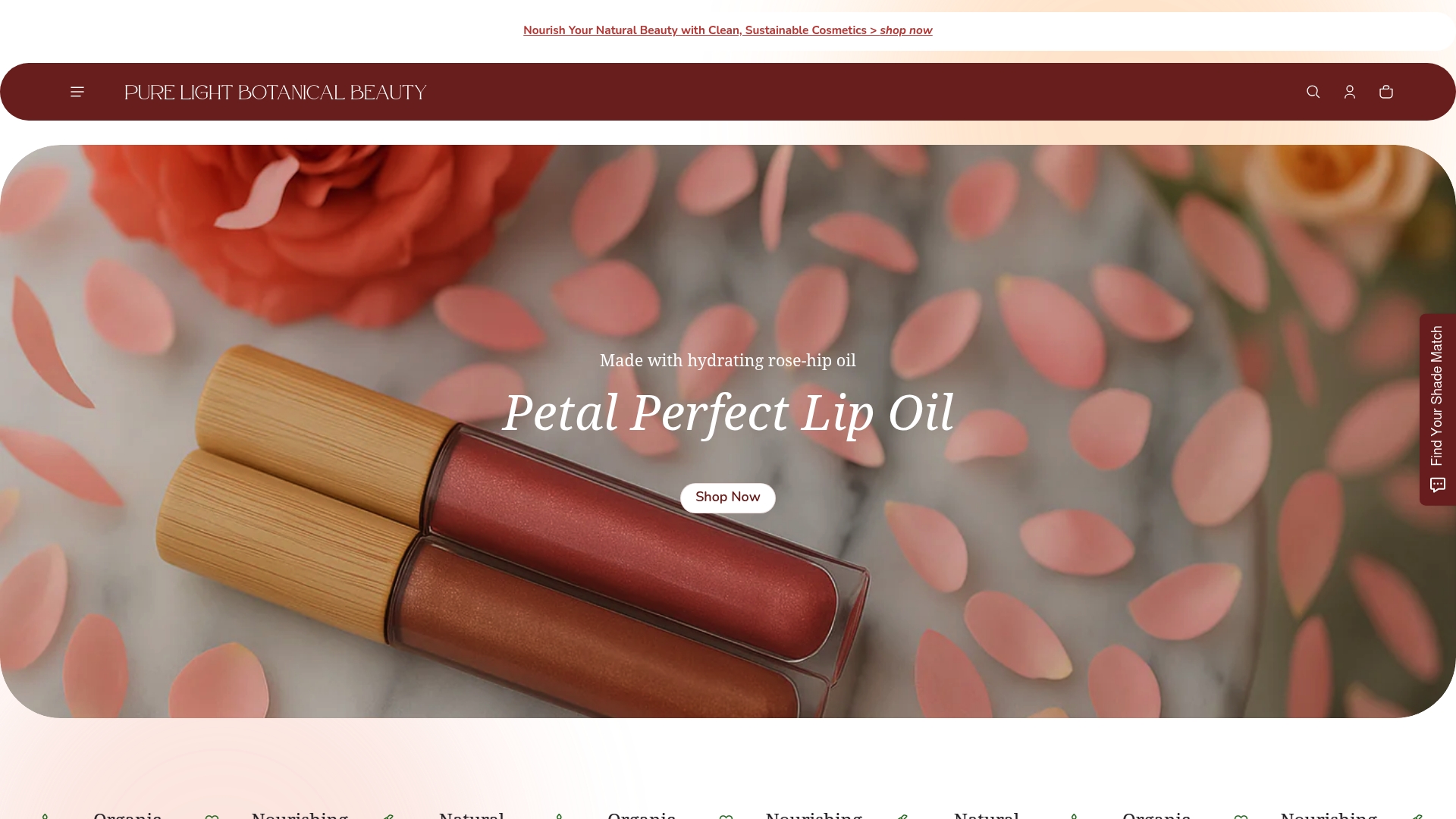
Products like the Botanical Crème Blush and Petal Perfect Lip Oil are designed to integrate directly into a barrier-first routine. They add color and care at the same time, so you’re not choosing between looking good and protecting your skin. The full product range is available to browse, with ingredient transparency built into every listing so you can make informed choices with confidence.
FAQ
What is eczema-safe makeup?
Eczema-safe makeup refers to formulas free from synthetic fragrance, harsh preservatives, and known contact allergens. The term is not regulated, so always verify by reading the full ingredient list rather than relying on label claims.
Which ingredients should I avoid in makeup for eczema?
Avoid synthetic fragrance, methylisothiazolinone, DMDM hydantoin, quaternium-15, bismuth oxychloride, and parabens in eye products. These are the most common triggers for contact dermatitis in people with eczema.
How do I test a new makeup product if I have eczema?
Patch test on the inner forearm for 3 to 5 days before applying to your face. A single-day test misses delayed reactions that appear on day 2 or 3.
Can I wear makeup during an eczema flare?
Yes, with modifications. Focus on tonal balance with light, buildable layers rather than full coverage. Emphasize features like eyes or lips to draw attention away from irritated areas, and skip long-wear or matte formulas entirely.
What is the best makeup texture for eczema-prone skin?
Cream and liquid textures work best because they hydrate and flex with the skin. Matte formulas with drying solvents exacerbate flakiness and pull moisture from an already-compromised barrier.
Recommended
- 7 Essential Tips for Choosing Gluten Free Makeup Safely – Pure Light Botanical Beauty
- How to Transition to Clean Makeup Without Irritating Sensitive Skin – Pure Light Botanical Beauty
- Eczema-Friendly Skincare Tips for Sensitive Skin – Pure Light Botanical Beauty
- What Is Eczema-Safe Makeup? True Comfort For Skin – Pure Light Botanical Beauty