

TL;DR:
- Eczema-friendly skincare focuses on repairing the skin barrier and avoiding irritants through fragrance-free, dye-free products. Consistent moisturizing within three minutes of bathing is essential for managing symptoms and preventing flare-ups. Using barrier-supporting ingredients like ceramides and colloidal oatmeal, along with thick textures, helps soothe sensitive skin effectively.
Eczema-friendly skincare is defined as a daily routine built around repairing the skin barrier, reducing irritation, and preventing flare-ups through fragrance-free, dye-free formulas. The American Academy of Dermatology identifies consistent moisturizing and trigger avoidance as the two most powerful tools for managing atopic dermatitis, the clinical term for eczema. Ingredients like ceramides, colloidal oatmeal, and petrolatum are the gold standard for barrier repair. The eczema-friendly skincare tips in this article are grounded in dermatologist guidance and give you a clear, practical path to calmer, healthier skin.
1. What are the essential daily skincare steps for eczema?
A consistent daily routine is the single most effective tool for managing eczema. The American Academy of Dermatology confirms that avoiding personal triggers reduces flare frequency by 50–70%. That number reflects how much power your daily habits hold.
Cleanse gently
Use a fragrance-free, dye-free cleanser with a mild, low-pH formula. Wash with lukewarm water, never hot. Hot water strips the skin’s natural oils and weakens the barrier within minutes. Short lukewarm baths of 5–10 minutes protect the skin barrier by preventing excessive dryness.

Moisturize immediately
The “three-minute rule” is non-negotiable for eczema care. Applying moisturizer within 3 minutes after bathing, while skin is still slightly damp, improves hydration and barrier repair far more than applying it later on dry skin. Pat your skin gently with a soft towel and apply your cream or ointment right away.
Protect during the day
Apply a mineral-based sunscreen as the final step in your morning routine. Mineral formulas containing zinc oxide or titanium dioxide sit on top of the skin rather than absorbing into it. This matters because chemical sunscreen filters can irritate already-compromised skin.
Pro Tip: Keep your moisturizer on the bathroom counter, right next to your towel. The physical reminder makes the three-minute window easy to hit every single time.
2. Which ingredients best support eczema-prone skin?
The right ingredients do the heavy lifting in any skincare routine for eczema. Choosing them carefully is what separates a routine that soothes from one that triggers a flare.
Ingredients to seek out:
- Ceramides: Lipids that naturally exist in the skin barrier. Topical ceramides replenish what eczema depletes.
- Colloidal oatmeal: An FDA-approved anti-inflammatory and anti-itch ingredient that also protects the skin barrier. It is one of the most clinically validated options available without a prescription.
- Petrolatum: A thick occlusive that locks moisture in and shields the barrier from environmental irritants.
- Glycerin: A humectant that draws water into the skin from the air and deeper skin layers.
- Shea butter and hyaluronic acid: Both support moisture retention and help the skin feel supple without clogging pores.
Ingredients to avoid:
- Synthetic fragrances and dyes
- Essential oils, especially citrus and high-concentration lavender
- Alcohol (listed as “alcohol denat” or “ethanol” on labels)
- Retinoids during active flares
- Harsh preservatives like methylisothiazolinone
Pro Tip: The baby aisle is genuinely worth exploring. Baby skincare products typically contain fewer fragrances, dyes, and harsh preservatives, making them solid options for adults with eczema-prone skin.
Texture matters more than you think
Thicker creams, balms, and ointments outperform lotions for eczema because they provide better occlusion and reduce transepidermal water loss. Lotions contain a higher proportion of water and often include alcohol, both of which can dry skin further. When in doubt, choose the thicker option.
3. How to manage common triggers and skincare challenges
Managing eczema means learning what your skin reacts to and building habits that keep those triggers at bay. The list below covers the most common sources of irritation and how to address each one.
- Stop products that burn or sting. Any product that causes a burning sensation signals that the skin barrier is inflamed or that an irritant is present. Discontinue use immediately and give your skin time to settle before introducing anything new.
- Question “natural” and “clean” labels. These terms are not regulated and carry no safety guarantee. Natural ingredients like citrus essential oils and high-concentration lavender can trigger irritation and itching just as readily as synthetic ones.
- Patch-test every new product. Apply a small amount to the inner forearm or behind the ear for 48–72 hours before using it on your face or body. This simple step catches reactions before they become full flares.
- Wear breathable fabrics. Cotton is the safest choice for eczema-prone skin. Wool and synthetic blends trap heat and create friction, both of which worsen itching.
- Switch your laundry detergent. Use fragrance-free, dye-free detergents and skip fabric softener entirely. Residue left in fabric after washing is a common and overlooked trigger.
- Control your environment. Low humidity dries the skin barrier. A bedroom humidifier set to 45–55% relative humidity can reduce nighttime itching significantly. Temperature extremes, both heat and cold, also trigger flares.
- Address stress directly. Stress activates inflammatory pathways that worsen eczema. Practices like consistent sleep, gentle movement, and mindfulness are not optional extras. They are part of the care plan.
4. Expert tips and lesser-known strategies for eczema care
The basics get you far, but these less-discussed strategies can make a real difference when your skin needs extra support. A minimalist approach to skincare is especially useful here. Fewer products mean fewer potential triggers.
Apply products to slightly damp skin. You already know the three-minute rule for moisturizing after bathing. The same principle applies throughout the day. Misting your face lightly with water before applying a cream improves absorption and hydration.
Use occlusion techniques for stubborn patches. Wet wrap therapy involves applying a generous layer of moisturizer to affected skin, covering it with a damp layer of fabric, then a dry layer on top. This technique, used with clinician guidance, drives moisture deep into the skin and calms severe flares faster than standard application alone.
Adjust your routine seasonally. Cold, dry winters demand thicker creams and more frequent application. Humid summers may allow a slightly lighter texture, though you should never drop below a cream-weight formula. Paying attention to how your skin feels across seasons helps you stay ahead of flares rather than reacting to them.
Minimize product layering. Stacking multiple serums, toners, and treatments increases the number of ingredients your skin encounters. Individualized, patch-tested routines with a minimalistic approach reduce the risk of exacerbations. A cleanser, a rich moisturizer, and a sunscreen are often all you need.
Read ingredient lists, not marketing claims. The front of a package tells you what the brand wants you to believe. The ingredient list tells you the truth. Scan for the avoid list from the previous section before every purchase.
Key takeaways
Effective eczema care comes down to three non-negotiable habits: a gentle fragrance-free cleanser, a ceramide-rich moisturizer applied within three minutes of bathing, and consistent trigger avoidance.
| Point | Details |
|---|---|
| Three-minute rule | Apply moisturizer within 3 minutes of bathing to lock in hydration and repair the barrier. |
| Choose thick textures | Creams, balms, and ointments outperform lotions by reducing transepidermal water loss. |
| Avoid fragrance and essential oils | Both synthetic and natural fragrances are leading triggers for eczema flares. |
| Patch-test every new product | Test on the inner forearm for 48–72 hours before full use to catch reactions early. |
| Minimize your routine | Fewer products mean fewer potential irritants and a more stable skin barrier. |
What I’ve learned from years of watching people care for eczema-prone skin
Most people with eczema come to me having tried too many things at once. They have a shelf full of products, each one promising to fix the problem, and their skin is angrier than ever. The irony is that the more you add, the harder it becomes to know what is helping and what is hurting.
The advice I give consistently is this: strip back before you build up. Start with one gentle cleanser and one thick, fragrance-free moisturizer. Give that combination four to six weeks before you add anything else. Patience is genuinely the hardest part of eczema care, and it is also the most important.
I also want to push back on the idea that “natural” automatically means safe. I have seen people develop significant reactions to lavender, tea tree oil, and citrus-based products that were marketed as gentle and healing. Your skin does not care about marketing language. It cares about what the ingredient actually does.
The other thing most articles skip is the emotional weight of eczema. Flares affect confidence, sleep, and daily comfort in ways that go beyond the physical. Building a routine that works is not just a skincare win. It is a genuine act of self-care that restores a sense of control. That matters, and it deserves to be named.
Seek professional support when your routine is not enough. A dermatologist can prescribe targeted treatments that over-the-counter products cannot replicate. There is no award for managing alone.
— Kaitlyn
Gentle beauty that works with your skin, not against it
Purelightbotanicalbeauty was built on the belief that beauty products should nourish the skin, not compromise it. Every formula in the line is crafted with clean, plant-based ingredients chosen specifically to support sensitive and eczema-prone skin. That means no synthetic fragrances, no harsh dyes, and no unnecessary fillers.
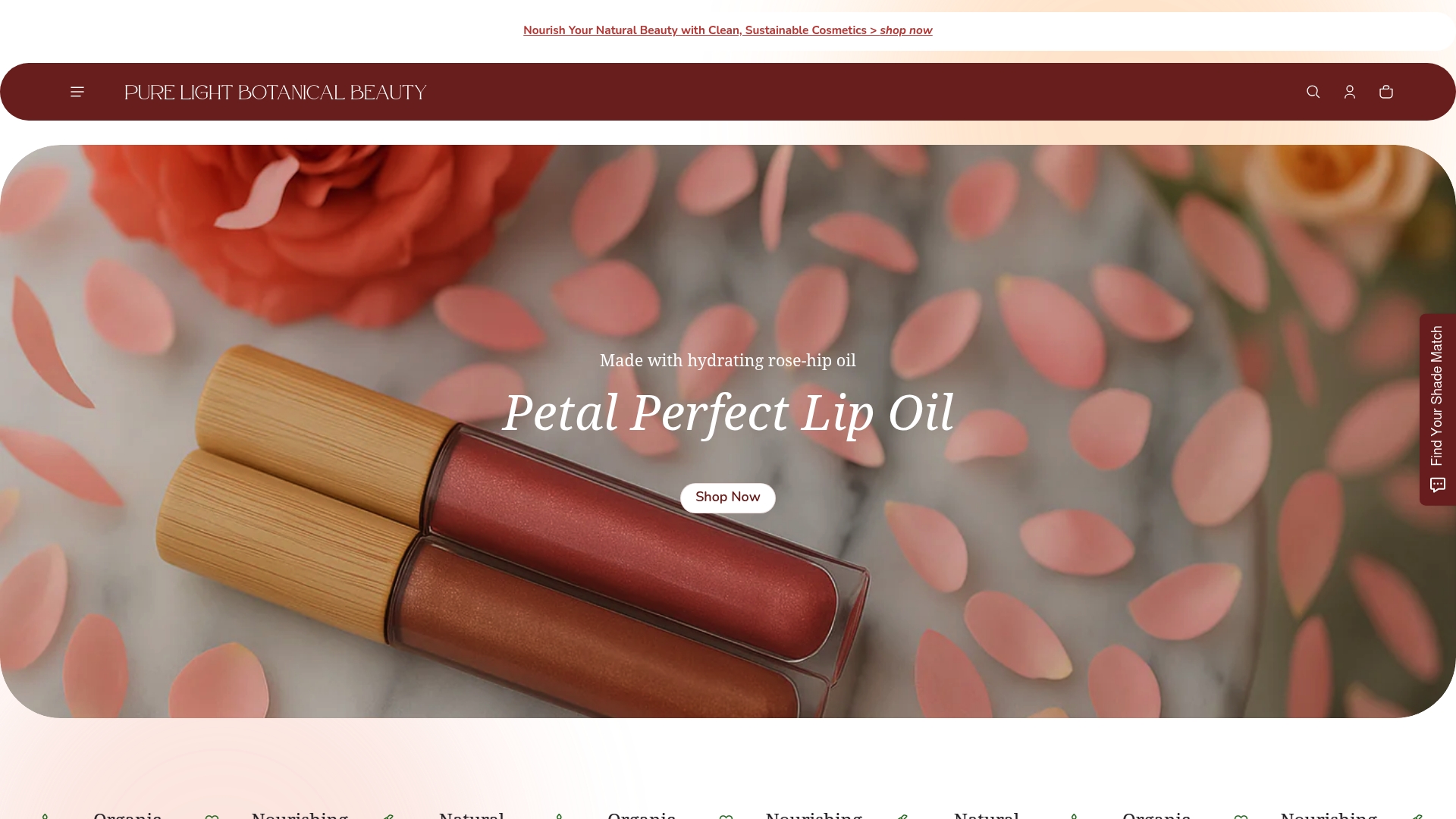
Products like the Petal Perfect Lip Oil, Botanical Crème Blush, and Nourishing Lipstick deliver real color and care in the same step. For those building a skin-nourishing beauty ritual, the full collection at Purelightbotanicalbeauty is a natural place to start. Beauty and healing really can come from the same source.
FAQ
What is the most important step in an eczema skin care routine?
Moisturizing immediately after bathing is the single most important step. Applying a ceramide-rich cream or ointment within three minutes of bathing locks in hydration and supports barrier repair.
Are natural ingredients safe for eczema-prone skin?
Not always. Ingredients like citrus essential oils and high-concentration lavender can trigger irritation and itching, even when labeled “natural” or “clean.” Always check the full ingredient list and patch-test before use.
What are the best moisturizers for sensitive skin with eczema?
Thick creams and ointments containing ceramides, colloidal oatmeal, petrolatum, or glycerin are the most effective. These ingredients repair the barrier and reduce water loss better than lightweight lotions.
How do I know if a product is making my eczema worse?
A burning or stinging sensation on application signals that the product contains an irritant or that the skin barrier is inflamed. Stop using it immediately and return to your baseline routine.
How often should I moisturize if I have eczema?
Moisturize at least twice daily, once after bathing and once before bed. During dry seasons or active flares, applying a thin layer of cream throughout the day helps maintain barrier function.
Recommended
- Natural skincare routine for sensitive skin in 2026 – Pure Light Botanical Beauty
- Skin-Friendly Makeup Tips: Complete Expert Guide – Pure Light Botanical Beauty
- Skin-Soothing Beauty Tips for Sensitive Skin – Pure Light Botanical Beauty
- Plant-Powered Beauty Tips: Nourish Sensitive Skin Naturally – Pure Light Botanical Beauty