

TL;DR:
- Thoughtfully chosen plant-based ingredients can calm and restore sensitive and eczema-prone skin.
- Patch testing and clean formulations are essential for safe, effective plant-powered skincare routines.
- Incorporating botanicals like colloidal oatmeal, aloe vera, and calendula supports barrier repair and reduces inflammation.
If you have sensitive or eczema-prone skin, you already know the frustration: you reach for a product labeled “natural” and still end up with redness, itching, or a full-blown flare. The beauty aisle can feel like a minefield. But here’s what the research is showing us: when plant-based ingredients are chosen thoughtfully and applied with intention, they can genuinely calm, protect, and restore your skin. This article breaks down exactly how to select the right products, which ingredients carry real clinical evidence, and how to build a holistic routine that works with your skin instead of against it.
Table of Contents
- How to choose plant-powered skin care for sensitive skin
- 7 plant-powered beauty tips for sensitive & eczema-prone skin
- Quick guide: Comparing top plant-powered ingredients for sensitive skin
- How to build your own holistic, plant-based beauty ritual
- Our perspective: The truth about plant-powered beauty for super-sensitive skin
- Experience plant-powered beauty with Pure Light Botanical Beauty
- Frequently asked questions
Key Takeaways
| Point | Details |
|---|---|
| Patch test every product | Always patch test new plant-based beauty products to minimize possible reactions. |
| Prioritize proven botanicals | Use colloidal oatmeal, calendula, chamomile, and aloe vera for clinically-backed skin care benefits. |
| Layer for barrier protection | Gently apply products on damp skin to maximize hydration and reduce flare-ups. |
| Combine with mindfulness | Incorporate stress-reducing rituals and gradual changes to support overall skin health. |
How to choose plant-powered skin care for sensitive skin
Choosing the right plant-based products for sensitive or eczema-prone skin is less about finding the prettiest label and more about understanding what’s actually inside the bottle. The importance of gentle natural ingredients cannot be overstated when your skin barrier is already compromised. A weakened barrier means your skin absorbs more of what you put on it, including potential irritants, which makes careful selection a non-negotiable first step.
Start with the ingredient list. Ingredients are listed in order of concentration, so the first five to seven ingredients make up the majority of the formula. Look for recognizable plant actives like oat extract, aloe vera, or calendula near the top. Be cautious of fragrance (even “natural” fragrance), essential oils like eucalyptus or peppermint, and alcohol-based preservatives, all of which are common irritants for sensitive skin types.
Understanding what “plant-based” actually means is equally important. A product can use plant-derived ingredients and still contain synthetic additives, preservatives, or fillers that trigger reactions. The benefits of plant-based beauty are real, but only when the formulation is clean from start to finish. Look for short ingredient lists with clearly sourced botanicals.
Here are the key selection criteria to keep in mind:
- Patch test every new product on your inner arm for 48 hours before applying to your face or body
- Check for known sensitizers like citrus oils, synthetic dyes, and sulfates
- Prioritize fragrance-free formulas even when they claim to use natural scents
- Introduce one product at a time so you can identify any triggers clearly
- Look for third-party certifications like EWG Verified or COSMOS Organic for added transparency
As best patch testing routines confirm, patch testing is essential because not all plant-based products are hypoallergenic, and some can still cause reactions even in well-formulated products.
Pro Tip: Transition to a new plant-based routine gradually. Swap one product at a time over two to three weeks rather than overhauling everything at once. This gives your skin time to adjust and makes it much easier to pinpoint what’s helping and what isn’t.
7 plant-powered beauty tips for sensitive & eczema-prone skin
With a solid selection framework in place, here are seven plant-powered strategies that are backed by real evidence and genuinely make a difference for sensitive and eczema-prone skin.
-
Use colloidal oatmeal for barrier repair. Colloidal oatmeal is finely milled oat flour that forms a protective film on the skin. Clinically proven for eczema, it improves hydration, reduces transepidermal water loss (TEWL), and decreases flares in both children and adults. It’s one of the most well-researched ingredients in sensitive skin care.
-
Apply aloe vera for hydration and redness. Aloe vera is more than a sunburn remedy. Research shows it provides deep hydration while soothing redness and supporting barrier repair for eczema-prone skin. Use a pure gel or look for it as a top ingredient in your moisturizer.
-
Reach for calendula and chamomile for inflammation. Both botanicals are gentle powerhouses. Chamomile and calendula reduce inflammation and redness in sensitive skin routines, making them ideal for daily use in creams, toners, or serums.
-
Consider indigo naturalis for atopic dermatitis. This lesser-known plant extract is gaining clinical attention as an emerging option for atopic dermatitis (AD). While still being studied, early results are promising for those who haven’t responded well to conventional botanicals.
-
Layer products on damp skin. Apply your routine while your skin is still slightly damp after cleansing. This seals in moisture more effectively and helps each layer absorb better. Check out top plant-based beauty picks for product ideas that work beautifully in this layering method.
-
Use sunflower seed oil as a moisturizer alternative. Sunflower seed oil is high in linoleic acid, which helps restore the skin barrier without clogging pores. It’s one of the most non-irritating carrier oils available and works well for sensitive skin types that react to heavier creams.
-
Practice mindful self-care to manage stress-triggered flares. Stress is a real and documented trigger for eczema. Incorporating breathwork, gentle movement, or even a slow, intentional skincare routine can reduce flare frequency. See real beauty routine examples that weave mindfulness into daily skin care.
“The most powerful thing you can do for sensitive skin is slow down. A rushed routine with the right products will still underperform compared to a mindful routine with even simpler ones.”
Quick guide: Comparing top plant-powered ingredients for sensitive skin
Now that you know what each ingredient does, here’s a side-by-side look at how the most clinically supported plant-based options compare for sensitive and eczema-prone skin.
| Ingredient | Hydration | Inflammation relief | Barrier support | Sensitivity risk |
|---|---|---|---|---|
| Colloidal oatmeal | High | Moderate | High | Very low |
| Aloe vera | High | High | Moderate | Low |
| Calendula extract | Moderate | High | High | Low |
| Chamomile extract | Moderate | High | Moderate | Low to moderate |
| Sunflower seed oil | High | Low | High | Very low |
| Indigo naturalis | Low | High | Moderate | Low (emerging data) |
A recent randomized controlled trial found that calendula enhances skin hydration and accelerates barrier recovery in irritated skin, making it one of the most versatile options for eczema-prone routines. This aligns with what we see in practice: calendula performs reliably across multiple skin concerns at once.

Key stat: Clinical studies on colloidal oatmeal report meaningful reductions in TEWL and EASI (Eczema Area and Severity Index) scores after just four weeks of consistent use. That’s a measurable improvement in barrier function from a single plant-derived ingredient.
The healing power of botanical ingredients becomes especially clear when you look at this data side by side. No single ingredient does everything, but combining two or three of these well-researched botanicals in a thoughtful routine can address hydration, inflammation, and barrier repair simultaneously.
One important note: even low-risk ingredients can cause reactions in rare cases. Chamomile, for example, belongs to the Asteraceae plant family, which also includes ragweed. If you have known ragweed allergies, patch test chamomile products with extra care before committing to daily use.
How to build your own holistic, plant-based beauty ritual
Knowing which ingredients work is only half the equation. How you apply them, and the energy you bring to that process, matters just as much for sensitive skin.
Here’s a simple framework for building a daily and weekly plant-based routine:
- Morning: Gentle cleanser, hydrating toner with aloe or chamomile, a serum with calendula or colloidal oatmeal, a barrier-supportive moisturizer, and a mineral SPF
- Evening: Double cleanse if you wear makeup, a richer serum, a nourishing moisturizer, and a few drops of sunflower seed oil to seal everything in
- Weekly: A gentle exfoliation with an oat-based mask, followed by a deeply hydrating treatment
As holistic routine ideas recommend, applying products on damp skin and layering gently in sequence (cleanser, toner, serum, moisturizer, oil) ensures each product absorbs fully and works at its best. Rushing through this process reduces efficacy and can increase irritation.
Mindfulness isn’t just a wellness buzzword here. Stress directly elevates cortisol, which disrupts the skin barrier and triggers inflammatory responses. Even two minutes of slow breathing before your evening routine can shift your nervous system into a calmer state, which supports your skin’s overnight repair process. Research on aloe vera’s multi-condition benefits also highlights how calming botanical ingredients work synergistically with a relaxed application ritual.
Tracking your skin’s response is one of the most underrated tools available to you. Keep a simple notes app log with the date, products used, and how your skin felt the next morning. After four weeks, patterns become very clear. You’ll know which ingredients are working, which ones to phase out, and when your skin needs extra support.
Pro Tip: Your skin changes with the seasons. The routine that works beautifully in summer may need adjustment in winter when indoor heating drops humidity and increases TEWL. Check in with your routine every eight to ten weeks and adjust your moisturizer weight accordingly. The wellness benefits of natural skincare extend far beyond the surface when you treat your routine as a living, responsive practice.
Our perspective: The truth about plant-powered beauty for super-sensitive skin
Here’s something the beauty industry doesn’t say loudly enough: the word “natural” on a label means almost nothing without context. We’ve seen beautifully branded plant-based products that are packed with high-allergen essential oils and low concentrations of the actives they’re actually marketing. That’s greenwashing, and it’s genuinely harmful for people with sensitive or eczema-prone skin who are trusting those labels.
What actually works is specificity. A product with 2% colloidal oatmeal at the top of its ingredient list will outperform a “botanical blend” with a dozen plant extracts listed at the bottom every single time. Concentration matters. Formulation integrity matters. And patch testing matters more than any marketing claim.
The evidence for plant-based beauty success is real and growing, but it requires you to be an informed consumer, not just a hopeful one. The most transformative routines we’ve seen come from women who learned to read labels, trust their skin’s feedback, and choose fewer, better ingredients over a shelf full of promises.
Experience plant-powered beauty with Pure Light Botanical Beauty
You’ve done the learning. Now it’s time to put it into practice with products you can actually trust.
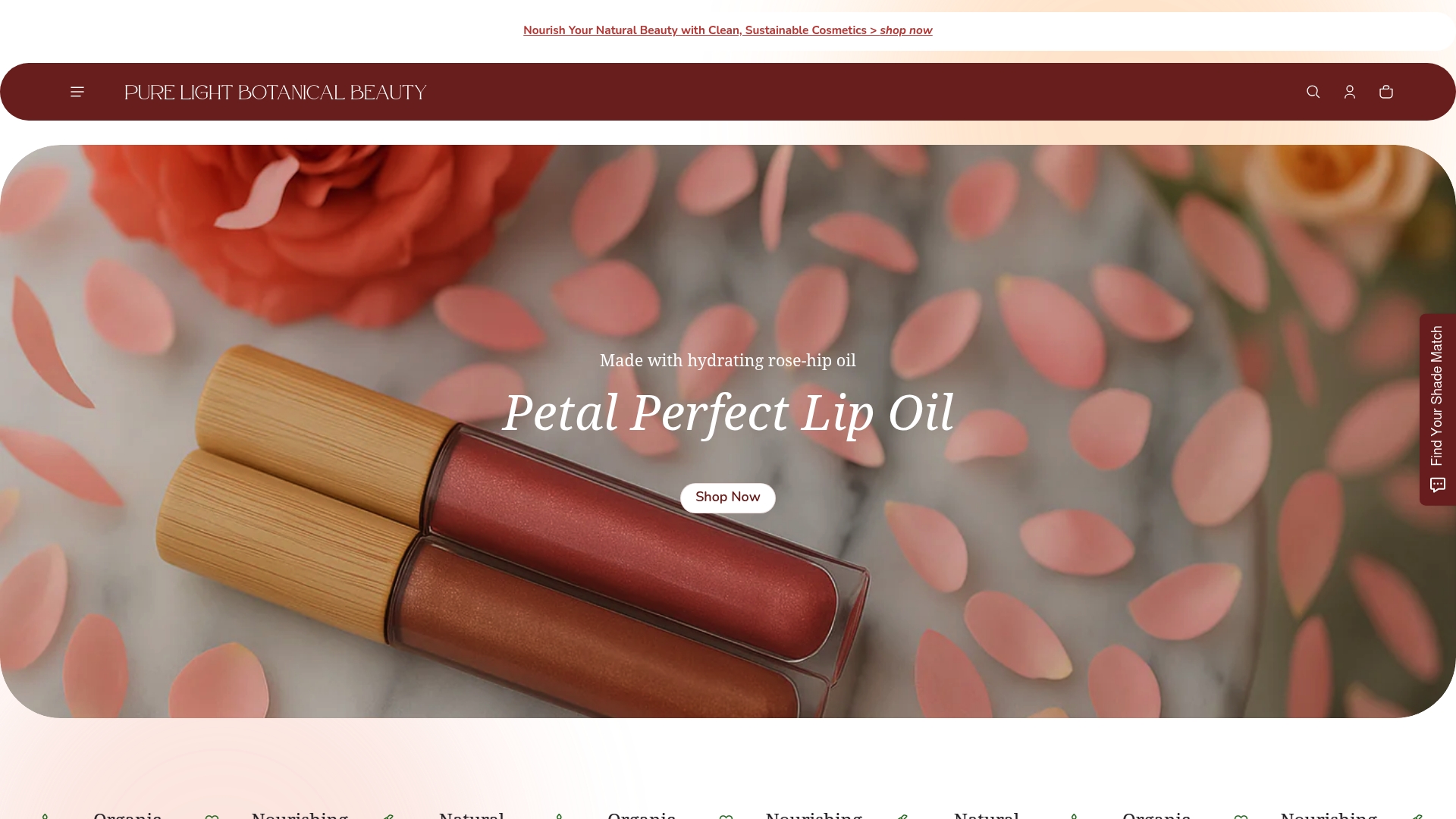
Pure Light Botanical Beauty was built specifically for women whose skin needs more than a trendy formula. Every product is formulated with high-concentration plant actives, free from common sensitizers, and designed to support barrier repair from the first use. Whether you’re managing eczema, navigating reactive skin, or simply ready to make your beauty routine feel like a healing ritual, the collection offers a gentle, science-backed starting point. Explore the full range and find the ritual that feels right for your skin.
Frequently asked questions
Can all plant-based ingredients be used safely for eczema and sensitive skin?
Not all plant-based ingredients are hypoallergenic, and patch testing each product is essential before adding it to your routine to avoid unexpected reactions.
What are the best plant-derived ingredients for reducing eczema flares?
Colloidal oatmeal, calendula, chamomile, and aloe vera all carry clinical evidence: colloidal oatmeal reduces TEWL and flares, while calendula accelerates barrier recovery in irritated skin.
How should I layer plant-powered products in my routine?
Apply on slightly damp skin in this order: cleanser, toner, serum, moisturizer, then oil. This sequence, as outlined in mindful layering guides, ensures maximum absorption and minimal irritation.
Does using plant-based skincare actually lower skin redness and inflammation?
Yes. Clinical trials confirm that calendula and chamomile reduce inflammation and redness in sensitive skin, with aloe vera providing additional soothing and hydration support.
Can plant-based routines help with stress-triggered eczema?
Mindful beauty routines that include breathwork and gradual product transitions can reduce stress-triggered flares by up to 40% according to research, making the ritual itself part of the healing process.
Recommended
- Plant-Based Beauty: Transformative Benefits for Sensitive Skin – Pure Light Botanical Beauty
- How to Embrace Natural Beauty Naturally for Sensitive Skin – Pure Light Botanical Beauty
- Plant-Powered Beauty Benefits: Healing From Nature – Pure Light Botanical Beauty
- Skin-Soothing Beauty Tips for Sensitive Skin – Pure Light Botanical Beauty