

TL;DR:
- Botanical self-care involves using plant-based ingredients to support skin health, mental wellness, and physical balance.
- It emphasizes safety, personalized routines, and layering herbs for lasting benefits over time.
Botanical self-care is the intentional use of plant-based ingredients and rituals to support skin health, mental well-being, and physical balance. It draws from centuries of herbal tradition and a growing body of scientific research on phytochemicals, the active compounds found in plants. 43% of Americans already engage in nature-based self-care practices like walking outdoors. That number signals a genuine cultural shift toward plant-centered wellness. This guide to botanical self-care walks you through the key ingredients, safety principles, daily rituals, and personalization strategies you need to build a practice that actually works. Purelightbotanicalbeauty has made this philosophy the foundation of every product it creates.
What are the key botanical ingredients and their wellness benefits?
Botanicals fall into three functional categories: adaptogens, nervines, and anti-inflammatories. Each category serves a distinct purpose in a plant-based self-care guide, and knowing the difference helps you choose the right herb for the right goal.
Adaptogens help the body manage stress by regulating the hypothalamic-pituitary-adrenal axis, the hormonal pathway that controls your stress response. Ashwagandha is the most studied adaptogen, with clinical trials showing reductions in cortisol levels with consistent use. Rhodiola rosea supports mental stamina and is commonly used during periods of high cognitive demand.
Nervines calm the nervous system directly. Valerian root is a classic nervine used for sleep support, while chamomile works more gently to ease anxiety and digestive tension. Lavender, one of the most versatile plants in herbal self-care practices, functions as both a nervine and a mild anti-inflammatory when applied topically.
Anti-inflammatories address skin and systemic inflammation. Calendula is the gold standard for sensitive and eczema-prone skin, reducing redness and supporting the skin barrier. Peppermint provides cooling relief and has antimicrobial properties that make it useful in both skincare and digestive support.
| Botanical | Category | Primary Use | Common Form |
|---|---|---|---|
| Ashwagandha | Adaptogen | Stress and cortisol regulation | Powder, capsule, tincture |
| Chamomile | Nervine | Anxiety relief, skin soothing | Tea, salve, facial mist |
| Lavender | Nervine / Anti-inflammatory | Relaxation, topical calming | Essential oil, salve, toner |
| Calendula | Anti-inflammatory | Skin barrier repair, eczema | Salve, infused oil, cream |
| Peppermint | Anti-inflammatory | Cooling, digestion, antimicrobial | Tea, tincture, topical gel |
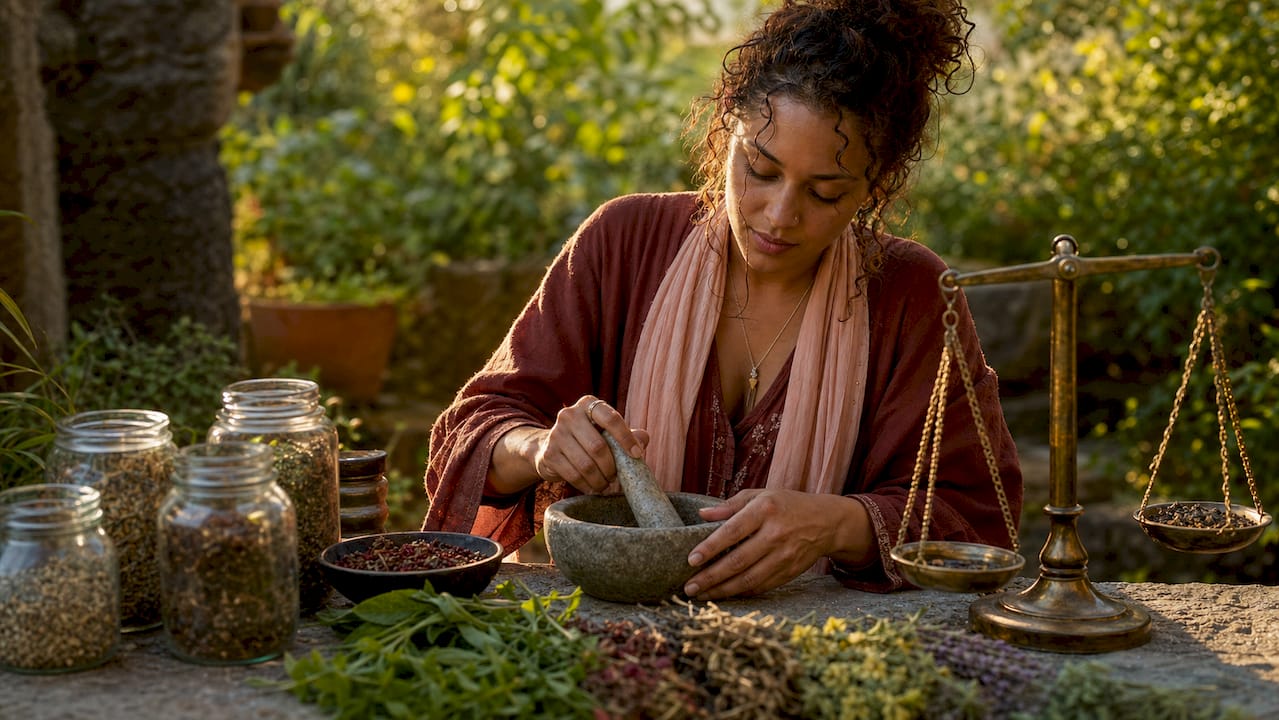
Preparation method matters as much as the plant itself. Teas extract water-soluble compounds and work well for nervines like chamomile and valerian. Tinctures use alcohol to pull a broader spectrum of phytochemicals and have a longer shelf life. Salves and infused oils deliver botanicals directly to the skin, making them ideal for topical anti-inflammatories like calendula.
How to safely incorporate botanicals into your self-care routine
Safety is the first principle of any natural remedy self-care practice. Plants contain real biochemical compounds, and those compounds interact with medications, hormones, and individual body chemistry.
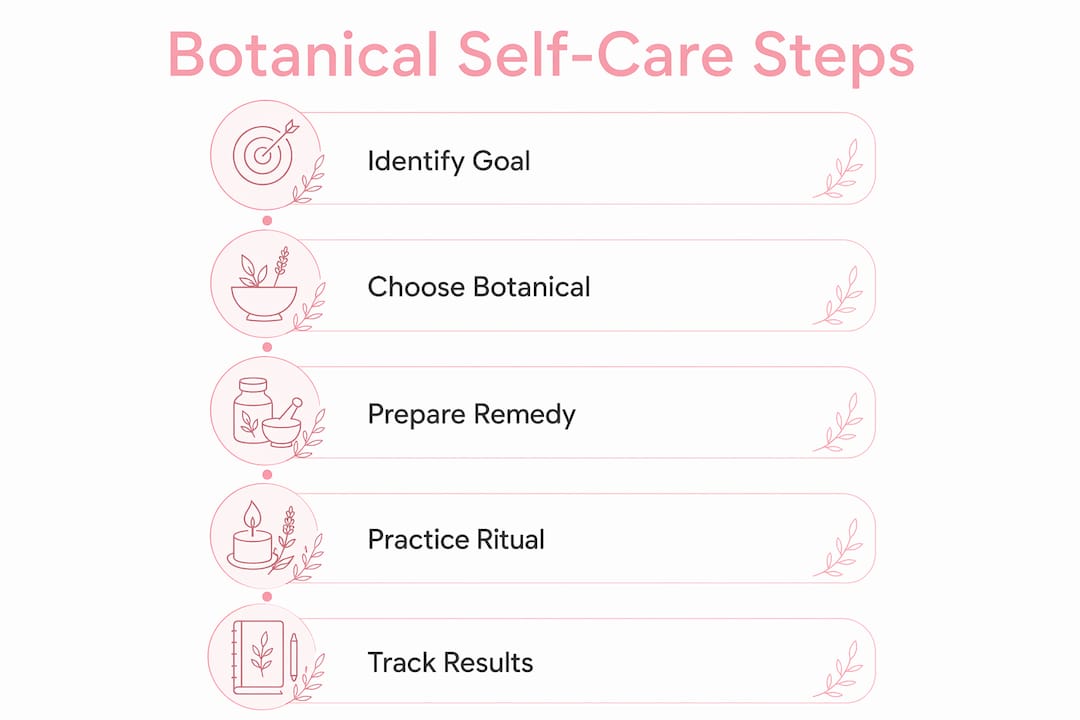
The most reliable starting approach is low and slow. Begin with one botanical at a time and use the smallest recommended dose for the first week. A 2–3 week observation period gives your body enough time to show a genuine response. Rushing this process makes it impossible to know which herb is helping or causing a reaction.
When you add a second botanical, wait 3–5 days before introducing it. This interval isolates each herb’s effects and prevents confounded reactions. Most beginners skip this step and then cannot identify the source of a headache, skin flare, or mood shift.
Key safety practices to follow:
- Consult a healthcare provider before starting any botanical protocol if you take prescription medications. Herb-drug interactions are real and sometimes serious. St. John’s Wort, for example, reduces the effectiveness of birth control and certain antidepressants.
- Source quality herbs from certified organic or wild-harvested suppliers. The American Botanical Council recommends looking for products verified by third-party testing organizations like the United States Pharmacopeia (USP) or NSF International.
- Store herbs properly. Improper storage causes mold growth and breaks down active phytochemicals. Keep dried herbs in airtight glass containers, away from heat, light, and moisture.
- Avoid products with cure claims. Trustworthy brands prioritize transparency and realistic expectations. Any product claiming to “cure” stress, anxiety, or a skin condition is a red flag.
- Note contraindications. Certain botanicals are unsafe during pregnancy, with autoimmune conditions, or before surgery. Always verify before use.
Pro Tip: Keep a wellness journal from day one. Record the herb, dose, time of day, and any physical or emotional shifts you notice. After four weeks, patterns emerge that no memory alone can track.
What are effective botanical self-care rituals and how to build them?
A ritual is more than a routine. The difference lies in intention. Creating a dedicated space for your botanical practice, even a small corner with a candle, your herbs, and a quiet moment, signals to your brain that this time is for restoration. That psychological context amplifies the actual therapeutic effects of the botanicals you use.
Botanicals work best when layered onto foundational healthy habits like consistent sleep, movement, and paced breathing. They are not replacements for these habits. They are amplifiers. A chamomile tea ritual before bed works far better when paired with a consistent sleep schedule than when used to compensate for a chaotic one.
Morning ritual ideas
- Brew a cup of peppermint or tulsi tea while you take three slow breaths before checking your phone.
- Apply a calendula-infused facial oil after cleansing to support your skin barrier through the day.
- Add ashwagandha powder to a morning smoothie for steady cortisol support.
Evening ritual ideas
- Use a lavender salve on pulse points as part of your wind-down routine.
- Drink valerian or passionflower tea 30–45 minutes before bed to ease the transition into sleep.
- Follow a gentle botanical skincare sequence that doubles as a mindfulness practice.
Weekly ritual ideas
- Prepare a batch of herbal-infused oil or a simple salve on Sunday to use through the week.
- Do a facial steam with dried chamomile or rose petals to open pores and calm skin.
- Review your wellness journal and adjust your botanical choices based on what you noticed.
Pro Tip: When building a topical skincare ritual, layer botanical products from lightest to heaviest texture. Serums and toners go first, then oils, then balms. This order maximizes absorption of each ingredient.
How to personalize botanical self-care for your unique needs
No two people respond to botanicals the same way. Biological variability in gut microbiome, liver enzyme activity, and hormone levels all affect how your body processes plant compounds. What calms one person may energize another. This is not a flaw in the system. It is the reason personalization matters more than following a generic protocol.
Start with a small, focused set of two or three botanicals tied to your primary wellness goal. If your goal is better sleep, begin with valerian and chamomile. If your goal is skin health, start with calendula and rosehip. Spreading attention across ten herbs at once produces noise, not clarity.
Adjust based on body feedback, not timelines. Some people notice a shift in one week. Others need six weeks of consistent use. Journaling your reactions, as described in the safety section, gives you the data to make smart adjustments. If an herb consistently causes digestive discomfort or skin irritation, stop using it and try a different plant in the same category.
Specific wellness goals map to specific botanical families:
- Stress and mood: Adaptogens like ashwagandha and rhodiola, nervines like lemon balm
- Sleep: Valerian, passionflower, hops
- Digestion: Ginger, fennel, peppermint
- Skin health: Calendula, rosehip, sea buckthorn, aloe vera
- Inflammation: Turmeric, boswellia, green tea extract
Patience is the most underrated ingredient in any plant-based self-care guide. Botanicals build their effects over time. Consistency across weeks and months produces results that a single dose never will. Treat your practice as a long-term relationship with your body, not a quick fix.
Key Takeaways
Botanical self-care produces lasting results when you match the right plant to your specific goal, introduce herbs one at a time, and layer them onto solid foundational health habits.
| Point | Details |
|---|---|
| Start with one botanical | Introduce herbs one at a time with a 2–3 week trial to assess effects accurately. |
| Safety first | Consult a healthcare provider before starting if you take medications; herb-drug interactions are real. |
| Build a ritual container | A dedicated space and consistent timing amplify the therapeutic effects of any botanical practice. |
| Personalize your approach | Match botanicals to your specific wellness goal and adjust based on your body’s feedback over time. |
| Store herbs correctly | Keep dried herbs in airtight glass away from heat and moisture to preserve active phytochemicals. |
What I’ve learned from years of botanical practice
The biggest mistake I see beginners make is treating botanicals like pharmaceuticals. They expect a precise dose to produce a precise result within a precise timeframe. That is not how plants work. Botanical wellness is a conversation with your body, and conversations take time.
I spent my first year overcomplicating things. I had a shelf of 15 herbs and no clear sense of what any of them were doing. The moment I stripped back to three plants and started journaling, everything became clearer. I could feel what chamomile did for my nervous system. I could see what calendula was doing for my skin. That specificity only came from slowing down.
The other thing I want you to know: bold cure claims in botanical wellness are almost always marketing, not medicine. A plant that supports your stress response is genuinely valuable. A product claiming to eliminate anxiety in 30 days is not. Your skepticism protects you. Use it.
Working with a qualified herbalist or integrative health provider changed my practice more than any single herb. They helped me understand contraindications I would never have found on my own. If you are serious about this, that investment pays off. Curiosity is the right starting energy. Caution is the right companion.
— Kaitlyn
Botanical beauty and wellness, rooted in real ingredients
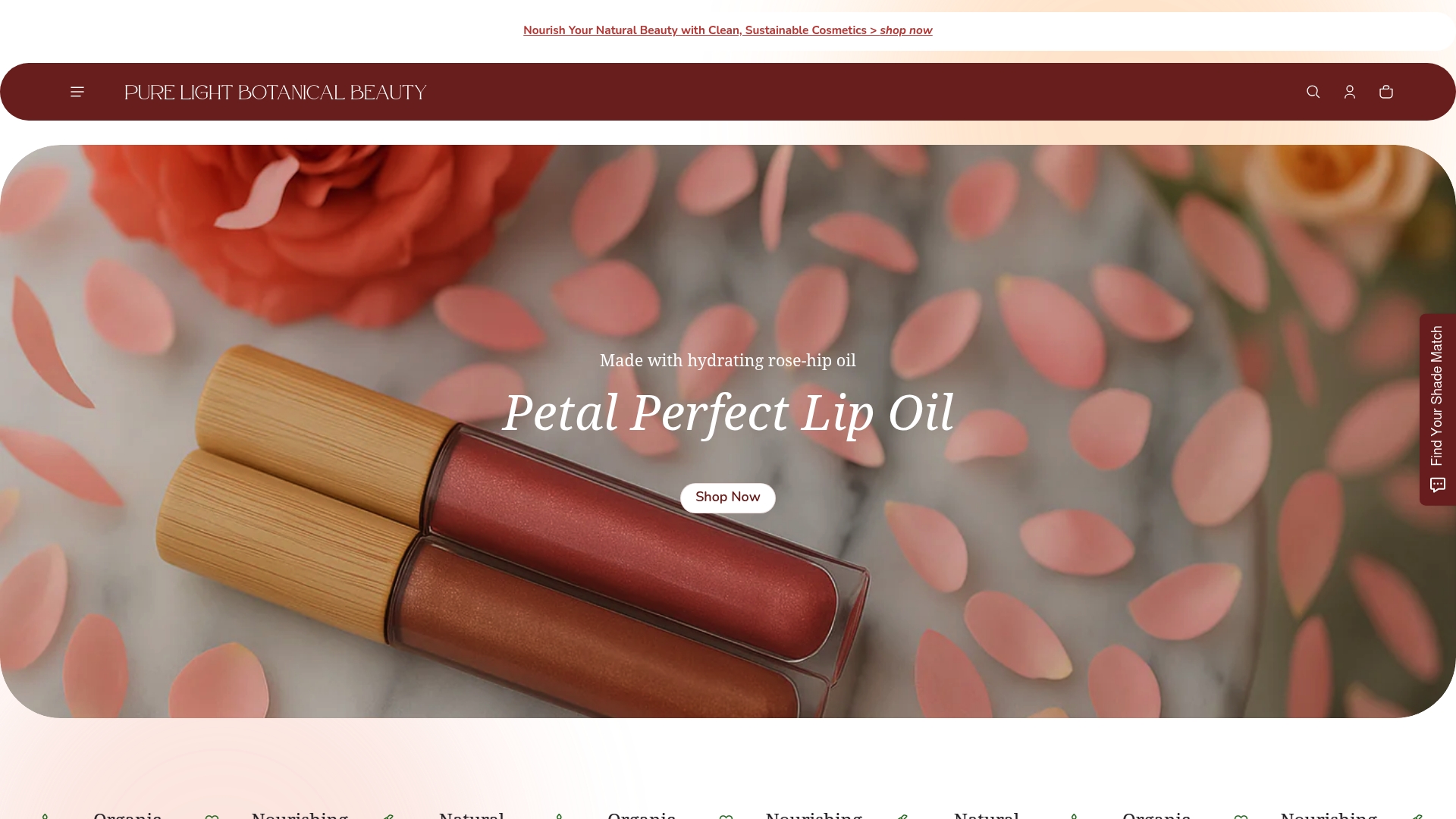
Purelightbotanicalbeauty was built on the belief that beauty products should nourish your skin, not just sit on top of it. Every formula in the line, from the Petal Perfect Lip Oil to the Botanical Crème Blush and Nourishing Lipstick, uses clean, plant-based ingredients chosen for both their skin benefits and their sensory quality.
For those with sensitive skin or eczema, the brand’s commitment to transparency means you can read every ingredient and understand why it is there. Purelightbotanicalbeauty treats makeup as a skin wellness ritual, not a mask. Browse the full collection at Purelightbotanicalbeauty and find products that align with the plant-based self-care principles covered here.
FAQ
What is botanical self-care?
Botanical self-care is the intentional use of plant-based ingredients, including herbs, oils, and botanical extracts, to support skin health, mental well-being, and physical balance through consistent daily or weekly rituals.
How do I start a botanical self-care routine safely?
Start with one botanical at a time, use the lowest recommended dose, and observe your body’s response for 2–3 weeks before adding another herb. Consult a healthcare provider if you take any medications.
Which botanicals are best for skin health?
Calendula, rosehip, and aloe vera are the most well-supported botanicals for skin health. Calendula repairs the skin barrier, rosehip delivers vitamin A and C precursors, and aloe vera soothes inflammation and supports hydration.
Can botanicals replace my current skincare or medication?
Botanicals are not replacements for prescribed medications or established skincare treatments. They work best as additions to foundational health habits, not substitutes for medical care.
How long does it take to see results from botanical self-care?
Most people notice meaningful changes after consistent use over four to six weeks. Adaptogens and nervines often require this window to build a cumulative effect in the body.
Recommended
- How beauty habits transform skin and mental health – Pure Light Botanical Beauty
- Your Complete Guide to Holistic Skin Care – Pure Light Botanical Beauty
- Beauty as Healing: Transforming Skin and Soul – Pure Light Botanical Beauty
- Self-Care in Beauty: Nourishing Skin and Soul – Pure Light Botanical Beauty